Browse verified doctors or let our care team help you find the doctor best suited to your condition, treatment goals, and budget.
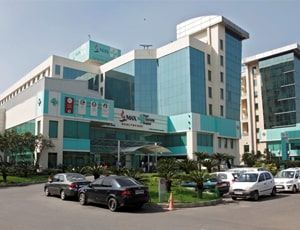
With modern cardiac infrastructure, Max Super Speciality Hospital, Saket provides Atrial Septal Defect (ASD) Repair for patients requiring correction of a congenital heart defect. Established in 2006, the JCI, NABH accredited hospital is located in Delhi, India, and has 539 beds.
The procedure closes the opening between the heart's upper chambers and may be performed through catheter-based device closure or open surgery. The cardiac specialist determines the appropriate treatment after evaluating the defect and the patient's overall heart health, and then provides personalised follow-up care.
Bayindir Healthcare Group offers advanced Atrial Septal Defect (ASD) Repair using modern cardiac techniques and internationally accepted treatment protocols. Established in 1992, the JCI accredited hospital is located in Ankara, Turkey, with 153 beds, providing specialised cardiac care for local and international patients.
Atrial Septal Defect (ASD) Repair is performed to close an abnormal opening between the heart's upper chambers. Depending on the defect's size and location, treatment may involve catheter-based device closure or open-heart surgery. The specialist evaluates the patient's heart condition and selects the appropriate approach. Follow-up monitoring helps assess heart function and recovery.
Dr. Rose Private Hospital provides specialised Atrial Septal Defect (ASD) Repair using modern cardiac technology and evidence-based treatment approaches. Established in 2007, the JCI accredited hospital in Budapest, Hungary, has 67 beds and caters to both domestic and international patients.
ASD Repair is used to correct an opening between the heart's upper chambers. Depending on the patient's condition, specialists may use a catheter-based closure device or surgical repair. Comprehensive cardiac evaluation is performed before treatment, followed by monitoring and follow-up care.
With modern cardiac infrastructure, Acibadem University Hospital Atakent provides Atrial Septal Defect (ASD) Repair for patients requiring correction of a congenital heart defect. Established in 2014, the JCI accredited hospital is located in Istanbul, Turkey, and has 278 beds.
The procedure closes the opening between the heart's upper chambers and may be performed through catheter-based device closure or open surgery. The cardiac specialist determines the appropriate treatment after evaluating the defect and the patient's overall heart health, and then provides personalised follow-up care.
With modern cardiac infrastructure, Iranian Hospital provides Atrial Septal Defect (ASD) Repair for patients requiring correction of a congenital heart defect. Established in 1970, the accredited hospital is located in Dubai, United Arab Emirates, and has 220 beds.
The procedure closes the opening between the heart's upper chambers and may be performed through catheter-based device closure or open surgery. The cardiac specialist determines the appropriate treatment after evaluating the defect and the patient's overall heart health, and then provides personalised follow-up care.
With modern cardiac infrastructure, Istinye University Bahcesehir - LIV Hospital provides Atrial Septal Defect (ASD) Repair for patients requiring correction of a congenital heart defect. Established in 2016, the ISO, JCI accredited hospital is located in Istanbul, Turkey, and has 394 beds.
The procedure closes the opening between the heart's upper chambers and may be performed through catheter-based device closure or open surgery. The cardiac specialist determines the appropriate treatment after evaluating the defect and the patient's overall heart health, and then provides personalised follow-up care.
VPS Rockland Hospital provides specialised Atrial Septal Defect (ASD) Repair using modern cardiac technology and evidence-based treatment approaches. Established in 2013, the NABH, NABL accredited hospital in Gurgaon, India, has 345 beds and caters to both domestic and international patients.
ASD Repair is used to correct an opening between the heart's upper chambers. Depending on the patient's condition, specialists may use a catheter-based closure device or surgical repair. Comprehensive cardiac evaluation is performed before treatment, followed by monitoring and follow-up care.
With modern cardiac infrastructure, Life Kingsbury Hospital provides Atrial Septal Defect (ASD) Repair for patients requiring correction of a congenital heart defect. Established in 1918, the accredited hospital is located in Cape Town, South Africa, and has 212 beds.
The procedure closes the opening between the heart's upper chambers and may be performed through catheter-based device closure or open surgery. The cardiac specialist determines the appropriate treatment after evaluating the defect and the patient's overall heart health, and then provides personalised follow-up care.
Johannesburg, South Africa
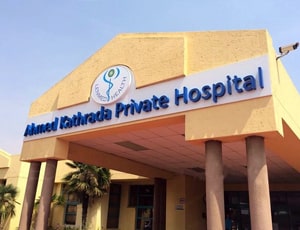
At Lenmed Ahmed Kathrada Private Hospital, patients can access Atrial Septal Defect (ASD) Repair supported by advanced cardiac facilities and experienced specialists. Established in 1984, the COHSASA, ISQua accredited hospital is located in Johannesburg, South Africa, and has 254 beds.
ASD Repair aims to close a hole between the heart's atria and improve normal blood circulation. Treatment may include minimally invasive device closure or surgical repair, depending on the defect. The cardiac team conducts appropriate imaging and assessments before recommending the most suitable treatment.
Asian Institute of Medical Sciences offers Atrial Septal Defect (ASD) Repair through advanced cardiac care and modern treatment techniques. Founded in 2010, the NABL, NABH accredited hospital is located in Faridabad, India, with 425 beds.
ASD Repair closes an abnormal opening between the atria, helping improve blood flow through the heart. Specialists may recommend device closure or surgical repair based on the size and type of defect. Patients undergo cardiac evaluation before treatment and receive appropriate monitoring during recovery.
With modern cardiac infrastructure, Apollo Hospital International Limited provides Atrial Septal Defect (ASD) Repair for patients requiring correction of a congenital heart defect. Established in 2003, the NABH, JCI accredited hospital is located in Ahmedabad, India, and has 300 beds.
The procedure closes the opening between the heart's upper chambers and may be performed through catheter-based device closure or open surgery. The cardiac specialist determines the appropriate treatment after evaluating the defect and the patient's overall heart health, and then provides personalised follow-up care.
At Manipal Hospital, Gurugram, patients can access Atrial Septal Defect (ASD) Repair supported by advanced cardiac facilities and experienced specialists. Established in 2008, the NABL, NABH accredited hospital is located in Gurgaon, India, and has 380 beds.
ASD Repair aims to close a hole between the heart's atria and improve normal blood circulation. Treatment may include minimally invasive device closure or surgical repair, depending on the defect. The cardiac team conducts appropriate imaging and assessments before recommending the most suitable treatment.
Metro Hospital provides specialised Atrial Septal Defect (ASD) Repair using modern cardiac technology and evidence-based treatment approaches. Established in 1997, the NABL, NABH, ISO accredited hospital in Noida, India, has 289 beds and caters to both domestic and international patients.
ASD Repair is used to correct an opening between the heart's upper chambers. Depending on the patient's condition, specialists may use a catheter-based closure device or surgical repair. Comprehensive cardiac evaluation is performed before treatment, followed by monitoring and follow-up care.
Sharda Hospital offers advanced Atrial Septal Defect (ASD) Repair using modern cardiac techniques and internationally accepted treatment protocols. Established in 2005, the NABH accredited hospital is located in Noida, India, with 1200 beds, providing specialised cardiac care for local and international patients.
Atrial Septal Defect (ASD) Repair is performed to close an abnormal opening between the heart's upper chambers. Depending on the defect's size and location, treatment may involve catheter-based device closure or open-heart surgery. The specialist evaluates the patient's heart condition and selects the appropriate approach. Follow-up monitoring helps assess heart function and recovery.
Acibadem Altunizade Hospital provides specialised Atrial Septal Defect (ASD) Repair using modern cardiac technology and evidence-based treatment approaches. Established in 2017, the JCI, ISO accredited hospital in Istanbul, Turkey, has 350 beds and caters to both domestic and international patients.
ASD Repair is used to correct an opening between the heart's upper chambers. Depending on the patient's condition, specialists may use a catheter-based closure device or surgical repair. Comprehensive cardiac evaluation is performed before treatment, followed by monitoring and follow-up care.
| Speciality | Cardiac Sciences |
| Procedure | Atrial Septal Defect (ASD) Repair |
| Success Rate | 90-95% |
| Recovery Time | 2 to 4 weeks |
| Treatment Time | 2 - 2.5 hours |
| Chances of Recurrence | 4 - 6% |
ASD Repair is a surgical procedure used to repair a hole in the atrial septum, the wall that separates the upper chambers of the heart. The defect is closed with sutures or a patch during the procedure. It can be done with open-heart surgery or with minimally invasive techniques like cardiac catheterization.
Atrial Septal Defect (ASD) Repair is primarily used to treat atrial septal defects, which are congenital heart conditions characterized by abnormal openings between the atria. These defects can lead to the mixing of oxygenated and deoxygenated blood, potentially causing strain on the heart and lungs. The procedure helps restore proper blood flow and relieves related symptoms by fixing the defect.
After Atrial Septal Defect (ASD) Repair, the recovery period varies based on the surgical technique used and the patient in question. Patients should typically anticipate spending a few days in the hospital following the procedure. Medication may be prescribed to manage pain and prevent infection. Physical activity and strenuous exercise should be limited for several weeks, and follow-up appointments will be scheduled to monitor healing and overall cardiac health. With proper care and adherence to the recommended recovery guidelines, most patients can resume normal activities within a few months.
.jpg)
An Atrial Septal Defect (ASD) is a congenital heart defect characterised by an opening, or hole, in the septum separating the two upper chambers (atria) of the heart