Browse verified doctors or let our care team help you find the doctor best suited to your condition, treatment goals, and budget.
The Heart Center at Bangpakok 9 International Hospital is among the top facilities in Thailand. The hospital has a team of experienced surgeons who use the latest techniques to perform atrial septal defect closure. The hospital offers thorough pre-operative, post-operative, and rehabilitation services to guarantee the patient receives the best results. Patients in the cardiac department of the hospital have access to a variety of diagnostic tests, including the electrocardiogram (ECG), chest X-ray, blood tests, dopplers, cardiac tomography, and cardiovascular magnetic resonance imaging (CMR).
Surgeons first determine the size of the hole in the atria before finalizing a treatment approach. Medications are prescribed to control the heartbeat and reduce the risk of blood clot formation. However, medications cannot correct this condition. Surgery is performed to correct the atrial septal defect. The doctors may suggest minimally invasive treatment approaches or open heart surgery. During the procedure, medium- to large-sized atrial septal defects are treated by patching the heart wall. The hospital also has a cath lab for catheter-based repairs. Heart muscles begin to grow to close the hole once the defect is fully repaired. Dr. Aramwong Thaveelap and Dr. Supreecha Tanamai are cardiac specialists at the hospital.
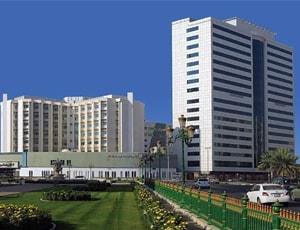
Dubai, United Arab Emirates
Aster Hospitals is well-known for its medical technology advancements and beautiful infrastructure. The hospital provides world-class cardiac care and services, as well as a variety of diagnostic tests that are quality-driven, comprehensive, and patient-centered. Holter monitoring is available 24 hours a day, as is ECG (electrocardiogram), pharmacological arrhythmia therapy, and 3D echocardiogram. Coronary and Peripheral Angioplasty with Stenting, as well as Balloon Valvuloplasty for all Valvular Lesions, are performed by the department.
Medication, lifestyle changes, invasive therapies, electrical devices, and surgery are all treatment options. The hospital has a fully functional cardiac catheterization lab, which allows doctors to thoroughly examine your heart's blood vessels. It's also used to test the heart muscle's function and aid in the diagnosis and treatment of heart valve problems. Dr. Naveed Ahmed, Dr. Sachin Upadhyaya, and Dr. Sameer Sajwani are some of the cardiac experts at Aster DM healthcare.
Medanta - The Medicity is well known for delivering excellent cardiac care. The hospital performs a wide range of cardiac procedures, such as ASD closure/repair in adults, with a huge success rate and at a much affordable price. At Medanta - The Medicity, ASD closure/repair in adults is done using innovative techniques that guarantees speedy recovery, minimal complications, and best outcomes. Minimally invasive technique is the most preferred approach for ASD closure/repair at the hospital, which involves making a small incision. The hospital is equipped with all modern diagnostic facilities, such as Electrocardiogram, Magnetic Resonance Imaging (MRI) and Computerized Tomography (CT) scan. Medanta - The Medicity is equipped with biplane interventional cath labs having a unique clarity platform. The hospital has state-of-the-art Hybrid OT that combines the functionality of a Cath Lab and Modular OT that houses all necessary equipment necessary to perform Minimally Invasive Cardiac Services. Dr. Saurabh Juneja, Dr. Rajneesh Kapoor and Dr. Sanjay Mittal are some renowned heart specialists at Medanta - The Medicity.
Best doctors for Atrial Septal Defect (ASD) Repair at Medanta - The Medicity:
Sharjah, United Arab Emirates
NMC Royal Hospital Sharjah is a premier healthcare facility that provides high-quality care. The NMC Royal Hospital Sharjah has 137 beds for acute care (including 9 ICU and 12 NICU beds). The number of employees exceeds 1250. This figure includes over 170 doctors. The hospital provides world-class healthcare to all patients. The hospital offers Emergency Medicine and Critical Care in Cardiology. The hospital is equipped with amazing technology, and its medical staff is knowledgeable about the best global healthcare practices.
Over the last two decades, NMC Healthcare has done ground-breaking work in cardiology and cardiac surgery. Surgeons are well-known around the world for their novel approaches, which they developed and refined through regular cardiac procedures. The ultramodern 24-hour Cardiac unit offers adult heart care services such as Coronary, Structural, and Peripheral vascular diseases, electrophysiology, and device therapies. ICUs (Intensive Care Units) are constantly managed and monitored. The hospital has an excellent cardiac rehab process that depends on post-operative care for cardiac patients who have undergone procedures such as Atrial Septal Repair. Dr. Adel Abushi, Dr. Adel Y. Al Eryani, and Dr. Ahmed Mohammed Al Kamali are some of the cardiac specialists at NMC Royal Hospital Sharjah.
The Cardiology Department at Phyathai 2 International Hospital is a premier facility for comprehensive cardiac care, committed to offering patients cutting-edge therapies and procedures. The hospital offers cutting-edge diagnostic methods to ensure precise evaluations and diagnoses with a focus on providing exceptional care. The hospital's cardiac department offers a variety of diagnostic procedures, such as an ECG, chest X-rays, blood tests, dopplers (an ultrasound of the blood vessels), cardiac computed tomography, cardiovascular magnetic resonance imaging (CMR), etc.
A team of surgeons develops the best treatment strategy after determining the size of the hole in the atria. While it may be possible to control heartbeat and lower the risk of blood clots with medication, surgery is typically necessary to treat the condition. Medium-sized to large atrial septal defects are treated at Phyathai Hospital by patching the heart wall during open heart surgery. Robotic surgery and minimally invasive surgery are both options available to surgeons. Catheter-based repairs are carried out in the hospital's cath lab. The defect is completely sealed, and heart muscles start growing to fill in the gap. Assoc. Prof. Dr. Kittichai Luengtaviboon and Assist. Prof. Dr. Boonlawat Homvises are some of the cardiac specialists at the hospital.
SGH-Dubai provides the most comprehensive range of diagnostic and treatment tools, including a catheterization laboratory, to efficiently diagnose and treat cardiac conditions. SGH-Dubai is one of the leading Cardiology hospitals in Dubai, providing a multidisciplinary approach to preventing the occurrence or progression of cardiovascular disease in patients of all ages. In addition to experienced cardiac surgeons and anesthesiologists, the care team at Saudi German Hospital in Dubai (SGH) includes a cardiac perfusionist, nurses, physician assistants, physiotherapists, and social workers.
The cardiac department at the hospital offers a full range of non-invasive and invasive cardiac investigations and treatments including 128-Slice CT Coronary Angiogram, Arrhythmia Clinic, Cardiac Rehabilitation, Chest Pain Triage, Coronary Angiography, Coronary, Angioplasty, And Stenting, ECG, Echo-Cardiography, Exercise Stress Testing (TMT), Head-Up Tilt Test (HUTT), Holter Monitoring, Trans-Esophageal Echo, etc. The hospital also offers Aortic Dissection Type A surgery, the Maze Procedure, and a wide range of Adult Cardiac Surgery procedures, including "minimally invasive" procedures that require only 5-inch incisions. Dr. Sameer Sudhakar Diwale and Dr. Adel Abdullah Al Shamry are some of the skilled cardiothoracic surgeons at the hospital.
Yanhee Hospital is Thailand's premier medical destination and healthcare facility. The hospital provides outstanding medical care. Yanhee has a capacity of 400 beds and is JCI and ISO accredited. Yanhee Hospital has a stellar reputation for providing high-quality healthcare to both domestic and international patients. Yanhee Hospital provides translation and interpreter services for international patients. Patients in the cardiac department of the hospital have access to a variety of diagnostic tests, including the electrocardiogram (ECG), chest X-ray, blood tests, dopplers, cardiac tomography, and cardiovascular magnetic resonance imaging (CMR).
After determining the size of the hole in the atria, a team of surgeons decides on the best course of action. Surgery is frequently required to treat the condition, even though medication may be able to control the heartbeat and reduce the risk of blood clots. At Yanhee International Hospital, medium- to large-sized atrial septal defects are treated by patching the heart wall during open heart surgery. The hospital also offers minimally invasive surgery. Catheter-based repairs are carried out in the hospital's cath lab. Heart muscles begin to grow to close the hole once the defect is fully repaired. Dr. Suthon Pisuttinusart, Dr. Chanchai Silpipat, and Dr. Amnat Chotechuen are cardiologists at Yanhee International Hospital.
Ghaziabad, India
Cardiac specialists at Max Super Specialty Hospital, Vaishali offer the latest surgical as well nonsurgical treatments for Atrial Septal defect (ASD). Atrial Septal defect (ASD) is a hole in the wall separating the atrial chambers of the heart. This is a congenital heart problem that is present right from the birth of a child. With technological advancements in surgical sciences, these holes can be easily repaired or closed. Max hospital’s interventional cardiologists train other doctors from across the nation. The hospital participates in cardiovascular clinical trials to improve catheter-based techniques for ASD repair. The facility tailor the patient’s visit to its heart disease clinic to maximize their treatment success. All cardiac surgeries are done under the supervision of world-class heart specialists. Max Super Specialty Hospital, Vaishali also ensures that you get the treatment at the best prices possible.
| Speciality | Cardiac Sciences |
| Procedure | Atrial Septal Defect (ASD) Repair |
| Success Rate | 90-95% |
| Recovery Time | 2 to 4 weeks |
| Treatment Time | 2 - 2.5 hours |
| Chances of Recurrence | 4 - 6% |
ASD Repair is a surgical procedure used to repair a hole in the atrial septum, the wall that separates the upper chambers of the heart. The defect is closed with sutures or a patch during the procedure. It can be done with open-heart surgery or with minimally invasive techniques like cardiac catheterization.
Atrial Septal Defect (ASD) Repair is primarily used to treat atrial septal defects, which are congenital heart conditions characterized by abnormal openings between the atria. These defects can lead to the mixing of oxygenated and deoxygenated blood, potentially causing strain on the heart and lungs. The procedure helps restore proper blood flow and relieves related symptoms by fixing the defect.
After Atrial Septal Defect (ASD) Repair, the recovery period varies based on the surgical technique used and the patient in question. Patients should typically anticipate spending a few days in the hospital following the procedure. Medication may be prescribed to manage pain and prevent infection. Physical activity and strenuous exercise should be limited for several weeks, and follow-up appointments will be scheduled to monitor healing and overall cardiac health. With proper care and adherence to the recommended recovery guidelines, most patients can resume normal activities within a few months.
.jpg)
An Atrial Septal Defect (ASD) is a congenital heart defect characterised by an opening, or hole, in the septum separating the two upper chambers (atria) of the heart