Your Notifications
All done, no notifications

Posterior Cruciate Ligament (PCL) Reconstruction Cost in Turkey

Costs starts from USD5000 to USD9500
Filters

How Much Does Posterior Cruciate Ligament (PCL) Reconstruction Cost in Turkey?

Posterior Cruciate Ligament (PCL) Reconstruction in Turkey typically costs between USD 5000 - USD 9500, though prices can vary depending on the treatment method, hospital standards, and location.

This estimated cost usually includes doctor consultations, diagnostic imaging tests, the surgical procedure, hospital stay, and post-operative physiotherapy.

The final amount may vary depending on the severity of the injury and the quality of care provided by the chosen healthcare facility.

Factors Influencing the Cost of Posterior Cruciate Ligament (PCL) Reconstruction in Turkey

Factors Influencing the Cost of Posterior Cruciate Ligament (PCL) Reconstruction in Turkey

Cost of Posterior Cruciate Ligament (PCL) Reconstruction in Major cities of Turkey

CityMinimum Cost (USD)Minimum Cost (TRY)Maximum Cost (USD)Maximum Cost (TRY)
AnkaraUSD 5000195300USD 9500371070
AntalyaUSD 5000195300USD 9500371070
BursaUSD 5000195300USD 9500371070
CanakkaleUSD 4500175770USD 8550333963
ElazigUSD 4500175770USD 8550333963
FethiyeUSD 4500175770USD 8550333963
IstanbulUSD 5000195300USD 9500371070
IzmirUSD 5000195300USD 9500371070
KocaeliUSD 5000195300USD 9500371070
KonyaUSD 5000195300USD 9500371070
OrduUSD 5000195300USD 9500371070
SakaryaUSD 5000195300USD 9500371070
SamsunUSD 5000195300USD 9500371070
SivasUSD 4500175770USD 8550333963
TokatUSD 4500175770USD 8550333963
TrabzonUSD 4500175770USD 8550333963
UsakUSD 4500175770USD 8550333963
ZonguldakUSD 4500175770USD 8550333963

Posterior Cruciate Ligament (PCL) Reconstruction Cost : A Global Comparison

CountryMinimum CostMinimum Local CurrencyMaximum CostMaximum Local Currency
HungaryUSD 8000HUF 2856640USD 13000HUF 4642040
IndiaUSD 5000INR 428200USD 8000INR 685120
IsraelUSD 12000ILS 42480USD 19000ILS 67260
JordanUSD 8000JOD 5680USD 13000JOD 9230
LithuaniaUSD 9000LTL 30786USD 15000LTL 51310
MalaysiaUSD 8500MYR 36040USD 15000MYR 63600
PolandUSD 6500PLN 24440USD 12000PLN 45120
Saudi ArabiaUSD 9000SAR 33750USD 17000SAR 63750
SingaporeUSD 14000SGD 18060USD 26000SGD 33540
South AfricaUSD 8000ZAR 143760USD 14000ZAR 251580
South KoreaUSD 10000KRW 13759800USD 18000KRW 24767640
SpainUSD 9000ESP 1323359USD 16000ESP 2352638
SwitzerlandUSD 18000CHF 14940USD 32000CHF 26560
ThailandUSD 7500THB 245325USD 14000THB 457940
TunisiaUSD 5500TND 16390USD 10000TND 29800
TurkeyUSD 5000TRY 195300USD 9500TRY 371070
United Arab EmiratesUSD 9000AED 33030USD 17000AED 62390
United KingdomUSD 10000GBP 7400USD 18000GBP 13320
United StatesUSD 18000USD 18000USD 42000USD 42000
VietnamUSD 4800VND 125416752USD 9000VND 235156410

Need Help Planning Your Treatment Abroad?

Your 24/7 AI Health Assistant

PCL Reconstruction is an operation to repair a torn ligament inside the knee that helps keep the joint steady. When the ligament is hurt, the knee may feel unstable or shaky.

In this surgery, the injured ligament is taken out and replaced with a new tendon, either from the patient’s own body or from a donor. The surgeon makes minor incisions and uses a tiny camera to guide the repair, avoiding a large incision.

After surgery, patients typically undergo exercises and physical therapy to help their knee regain strength and motion. Recovery usually takes several months before normal activities can be resumed.

PCL reconstruction is done to restore knee stability after a complete or severe tear of the posterior cruciate ligament. This procedure is often necessary when the injury causes pain, instability, or limits physical activity. It involves replacing the torn ligament with a tissue graft. This helps prevent long-term joint damage and the onset of early arthritis.

You should see a doctor if you have knee pain, swelling, or instability after a trauma, especially if the shin bone seems to move backwards. Difficulty walking or being unable to bear weight are warning signs. MRI scans can confirm a PCL injury. Early consultation can help prevent the injury from getting worse.

Preparation includes a physical examination, an MRI scan, and blood tests. You may need to stop taking certain medications, such as blood thinners temporarily. Your doctor might recommend prehabilitation with physical therapy to strengthen muscles. If you plan to have general anesthesia, your doctor will provide fasting instructions.

The surgeon performs the reconstruction arthroscopically, using small incisions and a camera-guided tool. A graft, often from the hamstring or a donor, is used to replace the torn PCL. The graft is secured in place with screws or other devices. After that, the incisions are closed and a brace is applied.

PCL reconstruction typically takes between 90 minutes and 2 hours. It usually occurs as a day procedure, though some cases may need overnight observation. The initial recovery starts in a brace with limited movement. Walking with crutches is common for the first few weeks after surgery.

  • Infection at the surgical site
  • Blood clots or deep vein thrombosis
  • Knee stiffness or limited range of motion
  • Graft failure or loosening
  • Nerve or vessel injury

  • Restored knee stability and improved movement
  • Reduced pain and improved joint function
  • Prevention of further cartilage or ligament damage
  • Return to sports and physical activities
  • Long-term protection against knee degeneration

Recovery involves physical therapy, bracing, and limited weight-bearing. The initial healing phase lasts 6 to 8 weeks, followed by a period of progressive strengthening. Full recovery and return to high-impact sports may take 6 to 12 months. Regular follow-ups ensure the graft heals properly.

PCL reconstruction has a success rate of 80 to 90%, primarily when performed by experienced orthopedic surgeons. Most patients regain stability and function, allowing them to participate in daily activities and sports. Long-term outcomes are favourable when combined with consistent rehabilitation and proper injury prevention.

Would you like some help? We are available.

Get Help
Explore Hospitals ( 60 )
Posterior Cruciate Ligament (PCL) Reconstruction in Biruni University Hospital: Costs, Top Doctors, and Reviews

Istanbul, Turkey

  • Joint Commission International, or JCI

Biruni University Hospital started to serve in 2016. It is a full-fledged multi-specialty healthcare facility, situated in Istanbul, Turkey. The hospital is well-known for its outstanding medical care standards, and it has acquired numerous certificates from international quality organizations. It is a renowned & well-established healthcare facility that provides cutting-edge diagnostic and treatment approaches. They have a team of highly skilled doctors and surgeons on call 24 hours a day, seven days a week to deliver the best medical care possible.

The hospital has various medical departments such as Cardiology, Neurology, Urology, Rheumatology, Pediatrics, General Medicine and Surgery, Gastroenterology, etc. Popular treatments conducted at the hospital are Pediatric Neurology, Cardiac Stenting, Balloon Angioplasty, Bypass surgery, plastic surgery procedures like Hair transplant, & Botox injections, and many more.  The hospital is known for its most valuable service i.e. service to human health. Hospital management & professionals define their service concept with the significance attached to the belief. The management is concerned with both medical statistics and, above all, the satisfaction of the patients. Patients from other countries are well looked after. The hospital offers international patients a relaxing and secure environment in terms of psychology, comfort, and health.

The hospital's primary purpose is to provide world-class patient-centered health care through our highly responsible team who can produce information and use it appropriately. With its university-based scientific infrastructure and competent health care, the hospital's management has long-term plans for it, with a desire to be an innovative and leading health institution that is regarded as a reference in the country and around the world. Several value-added services and quality policies are available at the facility. To mention a few, the hospital is open to development and technology, continuously measuring and improving, training qualified health professionals, caring about patient and employee satisfaction, and becoming mobilized to bring an environment of reliable diagnosis, treatment, and care to the majority of the society.

Posterior Cruciate Ligament (PCL) Reconstruction in Adatip Hospital: Costs, Top Doctors, and Reviews

Sakarya, Turkey

  • ISO 9001

Adatip International Hospital was founded in Sakarya, Turkey, in 1995. It has been accredited by Turking medical association and ISO Credentials. The hospital has been prepared with a capacity of 450 beds and 16 fully equipped operating rooms. 2 out of these 16 OTs are hybrid and equipped with advanced technology.

It offers affordable healthcare services in all departments while all services are rendered at the same standards and quality. It serves patients through a comprehensive group of healthcare professionals. It responds to the needs of patients based on a holistic approach that considers physical and mental well-being as a whole and offers predictive, preventive, personalized, and therapeutic solutions.

The quality of service is maximized by specialized healthcare professionals, medical collaborations, and technologies. It has specialized departments such as anesthesiology, biochemistry, cardiology, dermatology, ENT, gastroenterology, infectious diseases, neurology, orthopedics, and psychology. The mission is to consider the expectations, needs, responsibilities, and rights of all patients, employees, and companions at each step of the service delivery.  The values are to ensure sustainability in improvement and education, provide modern infrastructure, believe in the power of teamwork, present the best health care without sacrificing the quality, honor the principles of organizational social responsibility, use sources efficiently, enrich and protect the sustainable success and the organizational culture, and work in line with scientific and ethic rules.

Posterior Cruciate Ligament (PCL) Reconstruction in Medstar Antalya Hospital: Costs, Top Doctors, and Reviews

Ankara, Turkey

  • Joint Commission International, or JCI
  • Medstar Antalya Hospital has been providing patients with modern medical services since 2009.
  • It is part of the trusted Memorial Health Group, which is known for expert healthcare in Turkey.
  • The hospital is situated on a large campus and features advanced medical equipment and facilities.
  • It has 124 comfortable beds for patients and five fully prepared operating rooms for surgeries.
  • There are 33 intensive care beds, including specialised units for newborns who require additional support.
  • The hospital treats many health issues like cancer, heart problems, brain conditions, and more.
  • Modern machines, such as MRI, CT, and PET-CT, help doctors identify and treat problems quickly and safely.
  • Medstar meets international safety and care standards and is trusted by both local and global patients.
  • Care plans are made specially for each person, and emotional well-being is also supported.
  • Its location in Antalya makes it easy to reach and ideal for people coming from other countries for treatment.
Posterior Cruciate Ligament (PCL) Reconstruction in Medicana Camlica Hospital: Costs, Top Doctors, and Reviews

Istanbul, Turkey

4.2 ( 2 Reviews )
  • ISO 9001
  • Joint Commission International, or JCI

Medicana Camlica Hospital located in Istanbul, Turkey is accredited by JCI. Also listed below are some of the most prominent infrastructural details:

  • 150 bedded Hospital
  • Specialty-based clinics
  • Fully-equipped patient rooms
Posterior Cruciate Ligament (PCL) Reconstruction in Memorial Sisli Hospital: Costs, Top Doctors, and Reviews

Istanbul, Turkey

  • Joint Commission International, or JCI
  • National Accreditation Board for Hospitals & Healthcare Providers (NABH)

Memorial Sisli Hospital located in Istanbul, Turkey is accredited by JCI. Also listed below are some of the most prominent infrastructural details:

  • Operates in a closed area of 53,000 sqm
  • Capacity of 252 beds
  • 13 Operating rooms
  • 4 Intensive Care Units (KVC, General, Coronary, Neonatal)
  • 3 Laboratories
  • Organ Transplantation Center
  • IVF Center
  • Genetic Center
  • Stroke Center
  • Breast Health and Disease Center
  • Oncology Center
  • Da Vinci Robotic Surgery Center
  • Bone Marrow Transplantation Center
Posterior Cruciate Ligament (PCL) Reconstruction in Hisar Intercontinental Hospital: Costs, Top Doctors, and Reviews

Istanbul, Turkey

  • Joint Commission International, or JCI

Architecture of the Hospital designed as per the comfort of patients-

  • Consisting of 8 floors, 212 bed capacity
  • 75m2 suite rooms
  • 35 thousand m2 closed area
  • 7 operating rooms
  • 53 polyclinics
  • 54 Departments
  • Hotel-like patient rooms
  • Intensive care units consisting of 33 beds
  • Hyperbaric Oxygen Center inside the hospital
  • PYXIS computerized medicine system working with fingerprint
  • Social waiting areas
  • Indoor and Outdoor Cafeterias & Restaurants
Posterior Cruciate Ligament (PCL) Reconstruction in Acibadem Kadikoy Hospital: Costs, Top Doctors, and Reviews

Istanbul, Turkey

  • Joint Commission International, or JCI

Acibadem Kadikoy Hospital located in Istanbul, Turkey is accredited by JCI. Also listed below are some of the most prominent infrastructural details:

  • The number of beds in the hospital are 138 and Intensive Care beds are 23.
  • There are as many as 6.500 access points for a building control system.
  • There are 10 Operating theatres and more than 500 employees.
  • There are specific healthcare facilities in Acibadem Kadikoy Hospital, Istanbul, Turkey which have been established per integrated healthcare outreach such as Breast Health Center, Check-up Center, and Diabetes Clinic etc.
  • The hospital has the very best of Medical Technologies such as Flast CT, da Vinci robot, Magnetom Area MRI, Greenlight, Ortophos XG 3D and Full Body MRI, 4-Dimensional Breast Ultrasound, 3-Dimensional Tomosynthesis Digital Mammography.
Posterior Cruciate Ligament (PCL) Reconstruction in Apollo Hospital International Limited: Costs, Top Doctors, and Reviews

Istanbul, Turkey

  • Joint Commission International, or JCI

Acibadem Kozyatagi Hospital located in Istanbul, Turkey is accredited by JCI. Also listed below are some of the most prominent infrastructural details:

  • The number of beds in the hospital are 84.
  • The number of Operation Theaters are 4 and Intensive Care Beds are 8.
  • It is well known for the allied healthcare facilities such as a Radiotherapy Center, Use of innovative therapeutic equipment, Gamma Knife which makes for painless and non surgical treatment of tumors.
  • The hospital is also recognised for its Motion Analysis Center for treating neurological and orthopaedic conditions and the stroke clinic as well.
  • There are a number of free services provided by the Ac?badem Kozyata?? Hospital and these are outlined here,
  • Online doctor consultation
  • Medical records transfer
  • Rehabilitation
  • Translation services
  • Interpreter services
  • Airport pickup
  • Hotel booking
  • Free Wifi
  • Special dietary requests accepted
  • Private rooms for patients available
  • Family accommodation
  • Pharmacy
  • Mobility accessible rooms
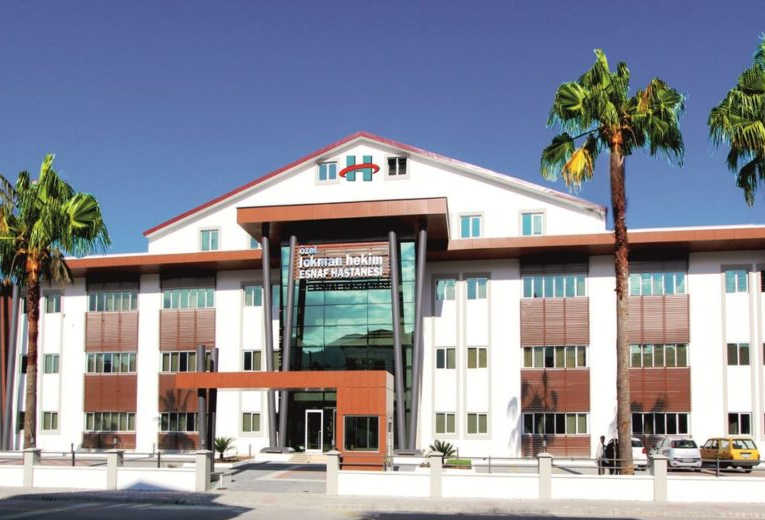
Posterior Cruciate Ligament (PCL) Reconstruction in Lokman Hekim Esnaf Hospital: Costs, Top Doctors, and Reviews

Fethiye, Turkey

  • Joint Commission International, or JCI

Lokman Hekim Esnaf Hospital located in Fethiye, Turkey is accredited by ISO. Also listed below are some of the most prominent infrastructural details:

  • The patients rooms have been designed to simulate hotel comfort; homely private rooms equipped with spacious en suite bathrooms, television and Wi-fi
  • Rehabilitation Center
  • Emergency Department
  • ICU
  • International Patient Department comprises of a Medical Doctor, a tourism doctor, a manager, an assistant manager and 7 officers
Posterior Cruciate Ligament (PCL) Reconstruction in Medical Park Karadeniz Hospital: Costs, Top Doctors, and Reviews

Trabzon, Turkey

  • Joint Commission International, or JCI

Apart from in-detail treatment procedures available, Medical Park Karadeniz Hospital located in Trabzon, Turkey has a wide variety of facilities available for International Patients. Some of the facilities which are provided by them are Accommodation, Airport Transfer, Choice of Meals, Interpreter, TV inside room. Also listed below are some of the most prominent infrastructural details:

  • Situated in an area of 12.000 square meter
  • Capacity of 107 beds
  • Intensive Care Unit (17 beds)
  • Neonatal ICU (NICU- 12 beds)
  • 6 Operating Rooms
  • Cafeteria

Need Some Advice From Our Experts?

Request a Call Back Now!

Our team of healthcare experts would be happy to assist you

trusted Patientstrusted Patients+99
Trusted by 50000+ Patients
Required | alphabets and spaces
Required | A valid, working email address
Required | A valid contact

Process Involved for Posterior Cruciate Ligament (PCL) Reconstruction in Turkey

  • Diagnosis: The doctor examines your knee through a physical exam and imaging tests, such as X-rays or MRIs, to confirm the PCL injury.
  • Pre-Surgery Preparation: This includes medical checkups, discontinuing certain medications, and beginning gentle exercises to strengthen the knee before surgery.
  • Surgery: The damaged PCL is replaced with a new tissue graft—either from your own body or a donor using minimally invasive tools.
  • Post-Surgery Care: Immediately after surgery, the knee is kept supported with a brace, and pain is managed with medication.
  • Rehabilitation: Physical therapy begins gradually to help the knee regain strength, movement, and balance over several months.
  • Return to Normal Activities: Most people can walk normally within a few weeks and return to sports or full activity in 9 to 12 months, depending on the healing progress.
  • Complete PCL Tear: When the ligament is fully torn and cannot heal on its own, surgery helps repair the knee and restore stability.
  • Chronic Knee Instability: If the knee continues to feel loose or give way long after an injury, reconstruction is necessary to restore its strength.
  • Multiple Ligament Injuries: PCL tears can occur in conjunction with other ligament injuries. Surgery is often unnecessary to repair the knee and provide proper support.
  • Joint Damage Alongside PCL Injury: When damage to the bone or cartilage accompanies a PCL tear, reconstruction helps protect the joint and prevent long-term complications, such as arthritis.
  • When Physical Therapy Doesn’t Work: If rest, bracing, and exercises don’t help with pain or weakness, surgery becomes the best option to restore knee function.
  • Knee Check: The doctor checks your knee using tests and scans, such as an MRI, to identify the injured ligament.
  • Anaesthesia: You receive medicine to make sure you don’t feel any pain during the surgery, either by being asleep or having the lower body numbed.
  • Using a Small Camera: A tiny camera is inserted into the knee, allowing the surgeon to view the damaged area.
  • Taking the New Ligament: A strong piece of tissue, called a graft, is taken from your own body or from a donor to replace the damaged ligament.
  • Preparing Bone Tunnels: The surgeon carefully creates small holes inside the thigh and shin bones to hold the new ligament in place.
  • Placing the Graft: The new ligament is threaded through these holes and secured in place using small screws or anchors.
  • Closing the Incisions: The surgeon closes the minor cuts with stitches or glue once the ligament is fixed.
  • Starting Recovery: A knee brace is worn to protect the joint, and gentle physical therapy begins to help restore movement and strength.
  • Meniscectomy
  • Chondroplasty
  • Osteotomy
  • Arthroscopy
  • Debridement
  • Synovectomy
  • Ligamentoplasty
  • Microfracture
  • Allografting
  • Autografting
  • Makes the Knee Stable Again: After surgery, the knee feels strong and steady, so it doesn’t slip or feel wobbly when walking or running.
  • Less Pain: Repairing the torn ligament helps reduce pain and makes movement more comfortable.
  • Stops More Damage: A stable knee means other parts of the joint, like bones and cartilage, won’t get hurt over time.
  • Easier to Move: The knee bends and straightens better, so daily things like climbing stairs or playing become easier.
  • Back to Sports and Activities: With a healthy knee, it’s safer to go back to games, dancing, or sports you enjoy.
  • Protects the Knee in the Long Run: Addressing the issue now can help maintain your knee's health for many years and reduce the risk of arthritis.
False
  • Please complete the form to provide us with relevant information about your condition.
  • Consult with Our Healthcare Expert: One of our qualified specialists will contact you for a consultation.
  • Receive a Detailed Treatment Plan: After examining your situation, we will provide you with a detailed treatment plan that includes expert opinions and a cost breakdown for various options.
  • Select your preferred option: Choose the therapy option that best suits your needs.
  • Seamless Organisation: We will manage all the details, including visas, flights, accommodations, and transfers, for a stress-free journey.

Instantly Connect with our Posterior Cruciate Ligament (PCL) Reconstruction Specialists

Doctor 1
Doctor 2
Doctor 3
Doctor 4
Doctor 5
Doctor 6
Doctor 7
Doctor 8
Our Services to Better your Experience

Opinion & Option

We submit the most accurate opinion and options from one or more countries for your review

Consult Privately

Consult with a certified specialist privately on our telemedicine platform even before you decide to travel

Logistics

We handle flights, visas, transfers, and accommodation—so you can focus on your health.

Recovery

Our In-house rehabilitation service packages to better your recovery and treatment outcome

Other Popular Countries for Posterior Cruciate Ligament (PCL) Reconstruction

Our network connects you with the leading medical tourism destinations globally, offering a wide range of cities, top doctors, and flexible pricing options.

Singapore
Malaysia
Thailand
United Kingdom

Frequently Asked Questions

Factors that raise the risk of Posterior Cruciate Ligament (PCL) Reconstruction:

  • Differences in hospital quality, especially outside cities.
  • Risks from delayed surgery and poor post-operative care.
  • Better safety in well-equipped urban hospitals.

Turkey reports success rates of 83% to 89% for PCL surgery. Results vary based on hospital facilities and surgical expertise.

In Turkey, Medical Park Göztepe Hospital and Memorial Şişli Hospital are highly recognised for their advanced care in Posterior Cruciate Ligament (PCL) reconstruction. These hospitals feature modern medical infrastructure and experienced orthopaedic surgeons.

  • Avoid twisting or bending your knee sharply during the healing period.
  • Use crutches as your doctor recommends to avoid putting pressure on the knee.
  • Complete all rehabilitation exercises to help restore knee movement and strength.

Author

Alvina Hasan
Alvina Hasan

M.Pharm

2 Year of Experience

Alvina Hasan is a dedicated medical researcher and scientific writer with a strong foundation in pharmaceutical sciences. She holds a B.Pharm from Jamia Hamdard University and an M.Pharm in Quality Assurance from DIPSAR University.

With deep medical expertise and a strong interest in healthcare communication, she focuses on transforming complex clinical and scientific information into clear, engaging, and easy-to-understand narratives. She develops insightful healthcare articles and research-driven content designed to support both medical professionals and patients, helping bridge the gap between advanced medical knowledge and practical understanding.

Readers can explore her published research and articles here:

https://carcinogenesis.com/index.php/JOC/article/view/868

https://carcinogenesis.com/index.php/JOC/article/view/870

. View More

Reviewer

Dr. Manoj Miglani
Dr. Manoj Miglani

Orthopedic Surgeon

22 Years of Experience

Known for his soft-spoken nature, Dr. Manon Miglani had completed his MBBS from Maulana Azad Medical College and MS (Ortho) for All India Institute of Medical Sciences. Dr. Miglani was awarded AO spine fellowship from Queen’s Medical Center, Nottingham and he also received Stryker fellowship in Arthroplasty from Indraprastha Apollo Hospital. Dr. Manon Miglani has provided his expert services to various hospitals of Delhi and NCR including AIIMS, Indraprastha Apollo, Jaipur Golden hospital, and Artemis hospital Presently, Dr. Manon is the additional director of Fortis, Vasant Kunj and senior consultant at Fortis, Shalimar Bagh. View More

Last Reviewed - January 2026