Affordable World-class Treatment - Accredited Hospitals - Free Treatment Plan in 24 Hrs

Share your details to receive a personalised treatment plan, estimated costs, hospital recommendations, and expert guidance, “completely free.”
Your information is protected with HIPAA-compliant security standards. We only share your details with hospitals after your consent.
Posterior Cruciate Ligament (PCL) Reconstruction in Turkey typically costs between USD 5000 - USD 9500, though prices can vary depending on the treatment method, hospital standards, and location.
This estimated cost usually includes doctor consultations, diagnostic imaging tests, the surgical procedure, hospital stay, and post-operative physiotherapy.
The final amount may vary depending on the severity of the injury and the quality of care provided by the chosen healthcare facility.
Factors Influencing the Cost of Posterior Cruciate Ligament (PCL) Reconstruction in Turkey
| City | Cost (USD) | |
|---|---|---|
| Ankara | $5,000 – $9,500 | Explore More |
| Antalya | $5,000 – $9,500 | Explore More |
| Bursa | $5,000 – $9,500 | Explore More |
| Canakkale | $4,500 – $8,550 | Explore More |
| Elazig | $4,500 – $8,550 | Explore More |
| Fethiye | $4,500 – $8,550 | Explore More |
| Istanbul | $5,000 – $9,500 | Explore More |
| Izmir | $5,000 – $9,500 | Explore More |
| Kocaeli | $5,000 – $9,500 | Explore More |
| Konya | $5,000 – $9,500 | Explore More |
| Ordu | $5,000 – $9,500 | Explore More |
| Sakarya | $5,000 – $9,500 | Explore More |
| Samsun | $5,000 – $9,500 | Explore More |
| Sivas | $4,500 – $8,550 | Explore More |
| Tokat | $4,500 – $8,550 | Explore More |
| Trabzon | $4,500 – $8,550 | Explore More |
| Usak | $4,500 – $8,550 | Explore More |
| Zonguldak | $4,500 – $8,550 | Explore More |

Alvina Hasan is a dedicated medical researcher and scientific writer with a strong foundation in pharmaceutical sciences. She holds a B.Pharm from Jamia Hamdard University and an M.Pharm in Quality Assurance from DIPSAR University.
With deep medical expertise and a strong interest in healthcare communication, she focuses on transforming complex clinical and scientific information into clear, engaging, and easy-to-understand narratives. She develops insightful healthcare articles and research-driven content designed to support both medical professionals and patients, helping bridge the gap between advanced medical knowledge and practical understanding.
Readers can explore her published research and articles here:

Our dedicated Medical Patient Advisors are here to answer your questions, help you compare treatment options, estimate costs, and guide you through every step of your healthcare journey.
PCL Reconstruction is an operation to repair a torn ligament inside the knee that helps keep the joint steady. When the ligament is hurt, the knee may feel unstable or shaky.
In this surgery, the injured ligament is taken out and replaced with a new tendon, either from the patient’s own body or from a donor. The surgeon makes minor incisions and uses a tiny camera to guide the repair, avoiding a large incision.
After surgery, patients typically undergo exercises and physical therapy to help their knee regain strength and motion. Recovery usually takes several months before normal activities can be resumed.
PCL reconstruction is done to restore knee stability after a complete or severe tear of the posterior cruciate ligament. This procedure is often necessary when the injury causes pain, instability, or limits physical activity. It involves replacing the torn ligament with a tissue graft. This helps prevent long-term joint damage and the onset of early arthritis.
You should see a doctor if you have knee pain, swelling, or instability after a trauma, especially if the shin bone seems to move backwards. Difficulty walking or being unable to bear weight are warning signs. MRI scans can confirm a PCL injury. Early consultation can help prevent the injury from getting worse.
Preparation includes a physical examination, an MRI scan, and blood tests. You may need to stop taking certain medications, such as blood thinners temporarily. Your doctor might recommend prehabilitation with physical therapy to strengthen muscles. If you plan to have general anesthesia, your doctor will provide fasting instructions.
The surgeon performs the reconstruction arthroscopically, using small incisions and a camera-guided tool. A graft, often from the hamstring or a donor, is used to replace the torn PCL. The graft is secured in place with screws or other devices. After that, the incisions are closed and a brace is applied.
PCL reconstruction typically takes between 90 minutes and 2 hours. It usually occurs as a day procedure, though some cases may need overnight observation. The initial recovery starts in a brace with limited movement. Walking with crutches is common for the first few weeks after surgery.
Recovery involves physical therapy, bracing, and limited weight-bearing. The initial healing phase lasts 6 to 8 weeks, followed by a period of progressive strengthening. Full recovery and return to high-impact sports may take 6 to 12 months. Regular follow-ups ensure the graft heals properly.
PCL reconstruction has a success rate of 80 to 90%, primarily when performed by experienced orthopedic surgeons. Most patients regain stability and function, allowing them to participate in daily activities and sports. Long-term outcomes are favourable when combined with consistent rehabilitation and proper injury prevention.
90-95%
Successful restoration of knee stability and function1-2 days
Typical recovery period before resuming normal daily activities6-9 months
Typical recovery and return to sports or high-impact activitiesIstanbul, Turkey
Our experienced Medical Patient Advisors have supported 100,000+ patients across 120+ countries with personalised treatment plans, hospital recommendations, cost estimates, and travel assistance, all free.
✓ Free Consultation ✓ No Obligation ✓ Personalized Treatment Plan ✓ Response Within 24 Hours
Your medical info is kept HIPAA-style confidential. We never share with hospitals without your consent.

Opinion & Option
We submit the most accurate opinion and options from one or more countries for your review
Consult Privately
Consult with a certified specialist privately on our telemedicine platform even before you decide to travel
Logistics
We handle flights, visas, transfers, and accommodation—so you can focus on your health.
Recovery
Our In-house rehabilitation service packages to better your recovery and treatment outcome

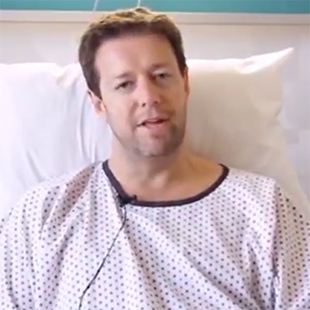
Kevin Stewart from Scotland could barely walk straight due to a Slip Disc. He faced many discomforts for the past…

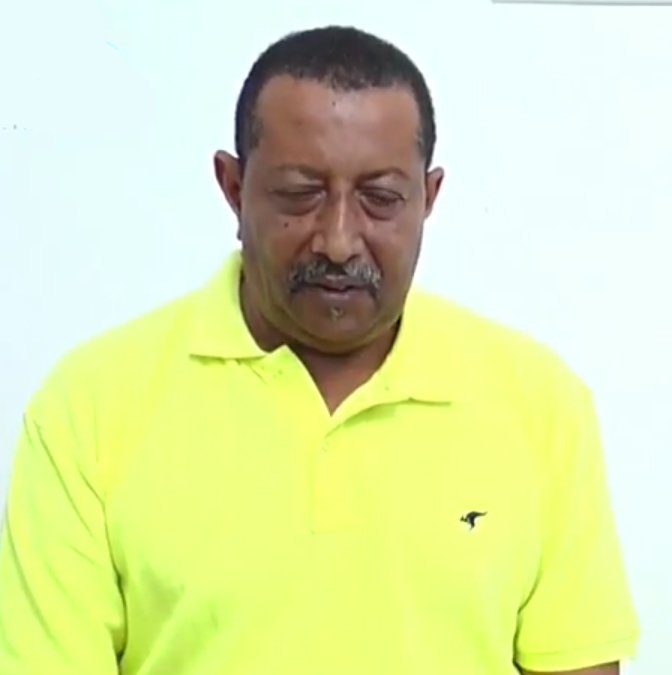
Mr. Muhammed Dumia was suffering from painful left Knee and was in considerable pain for the last 2 months. He…
Factors that raise the risk of Posterior Cruciate Ligament (PCL) Reconstruction:
Turkey reports success rates of 83% to 89% for PCL surgery. Results vary based on hospital facilities and surgical expertise.
In Turkey, Medical Park Göztepe Hospital and Memorial Şişli Hospital are highly recognised for their advanced care in Posterior Cruciate Ligament (PCL) reconstruction. These hospitals feature modern medical infrastructure and experienced orthopaedic surgeons.
Have your reports reviewed by independent oncology experts to help you make a confident treatment decision, all online within 48 hours.
Upload Your Reports