Affordable World-class Treatment - Accredited Hospitals - Free Treatment Plan in 24 Hrs

Share your details to receive a personalised treatment plan, estimated costs, hospital recommendations, and expert guidance, “completely free.”
Your information is protected with HIPAA-compliant security standards. We only share your details with hospitals after your consent.
The cost of Heart Double Valve Replacement in Lithuania is USD 21000 - USD 25000
Additionally, factors like the duration of treatment, the need for follow-up care, and the use of advanced technologies or specialised treatments can further influence the overall cost.
Heart valve replacement surgery is the common term for double valve replacement surgery. The heart's valves must be changed when they stop working correctly. Replacement stops more damage to the heart's muscles and enables the heart to work effectively.
The aortic, mitral, pulmonary, and tricuspid valves are the heart's valves that allow blood to pass through the heart and out of the body. Any irreparable damage to the valves can result in valvular heart disease, which may worsen existing heart diseases if treatment is not received. Consequently, patients are frequently asymptomatic in the early stages. However, treatment should be started right away if symptoms are minimal.
| City | Cost (USD) | |
|---|---|---|
| Kaunas | $21,000 – $25,000 | Explore More |
| Vilnius | $21,000 – $25,000 | Explore More |


Our dedicated Medical Patient Advisors are here to answer your questions, help you compare treatment options, estimate costs, and guide you through every step of your healthcare journey.
Double valve surgery is described as a surgical procedure where two heart valves are repaired or replaced during the same operation. The heart has four valves—two atrioventricular valves (mitral and tricuspid) and two semilunar valves (aortic and pulmonary). These valves play a crucial role in ensuring blood flows in the correct direction through the heart. The heart valves play a crucial role in allowing nutrient-rich blood to flow through the heart's chambers. Ideally, each valve should close completely after guiding blood flow. However, when heart valves are diseased, they may not function properly.
Double valve surgery becomes necessary when both the aortic and mitral valves or both the mitral and tricuspid valves are affected by disease or dysfunction. The reasons for double valve surgery include:
Stenosis, which is the narrowing of blood vessels, reduces the normal blood flow to the heart, making the muscle work harder. Leaky valves, known as regurgitation, occur when a valve doesn't close tightly, allowing blood to flow backward. This can lead to symptoms of valvular heart disease, including fatigue, dizziness, lightheadedness, shortness of breath, cyanosis, chest pain, and fluid retention, especially in the lower limbs.
Heart valve repair is an option for treating valvular heart disease, but in some cases where the damage is severe, a total replacement of the affected valve may be the only solution.
Mechanical Valves: These are artificial components made from materials like carbon and polyester, well-tolerated by the human body. They serve the same purpose as natural heart valves and have a lifespan of 10 to 20 years. However, a drawback is the risk of blood clots. If you get a mechanical heart valve, you'll need to take blood thinners for life to reduce the risk of stroke.
Biologic Valves (Bioprosthetic Valves): These valves are crafted from human or animal tissue. There are three types:
This procedure occurs when the aortic and mitral valves are so severely damaged or diseased that they cannot function and sustain life. Rheumatic heart disease, calcific degeneration, infective endocarditis, or congenital abnormalities of the valves are some common causes of such damage. Following this operation, more blood flows through the heart, thus enhancing the cardiac output and alleviating the symptoms, namely, breathlessness and fatigue.
If you have persistent symptoms of shortness of breath, chest pain, palpitations, leg swelling, and/or unexplained tiredness, you must see a cardiologist. A heart murmur or an abnormality detected in the echocardiogram may lead to further evaluation of valve disease.
Before surgery, you will undergo an echocardiography, cardiac catheterisation, blood tests, an ECG, and maybe a chest X-ray or CT scan. You should stop some medications, such as blood thinners, from that point. The doctor will examine your overall health and fitness for surgery. Fasting will be required before the operation, and a consent form will be signed after briefing the person about the risks and benefits.
The procedure is performed under general anesthesia, and a median sternotomy (chest opening) is performed. The heart is stopped temporarily while an extracorporeal circulation system (heart-lung machine) takes over circulation. The damaged aortic and mitral valves are replaced with mechanical or bioprosthetic valves. Once this is done, the heart is restarted, and the chest is closed.
Double valve replacement surgery usually takes between 5 and 7 hours to complete, depending on the patient's status and technical considerations.
Appropriate valve replacement improves heart functioning, relieves symptoms, increases exercise capacity, and improves quality of life. It also prevents further damage to the heart and reduces the possibility of heart failure.
The patient undergoes 1–2 days of intensive care monitoring, followed by 7–10 days of in-hospital care after the surgery. Full recovery takes about 6–12 weeks, during which there is a gradual increase in physical activity. Cardiac rehabilitation is therefore indicated, as is routine follow-up. Medications might be used to control heart rhythm, anticoagulation, and sickness.
Generally, the success rate for double valve replacement is high, ranging between 85% and 95% for well-selected patients. Patients benefit more with timely surgery and good care following surgery. Risk increases with advanced age or the presence of severe conditions.
Our experienced Medical Patient Advisors have supported 100,000+ patients across 120+ countries with personalised treatment plans, hospital recommendations, cost estimates, and travel assistance, all free.
✓ Free Consultation ✓ No Obligation ✓ Personalized Treatment Plan ✓ Response Within 24 Hours
Your medical info has is HIPAA-style confidential. We never share with hospitals without your consent.

Opinion & Option
We submit the most accurate opinion and options from one or more countries for your review
Consult Privately
Consult with a certified specialist privately on our telemedicine platform even before you decide to travel
Logistics
We handle flights, visas, transfers, and accommodation—so you can focus on your health.
Recovery
Our In-house rehabilitation service packages to better your recovery and treatment outcome

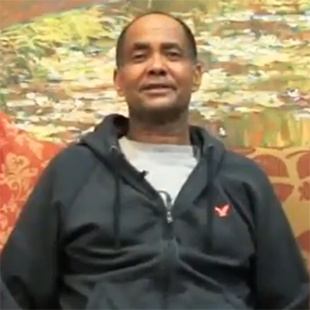
Mr. Hailu Kassa underwent Coronary Artery Bypass Surgery in Vejthani Hospital, Thailand under the supervision of Dr. Piya, Cardio-Thoracic Surgeon

Patient Testimonial: Rod Schaubroeck from United States (U.S.A) underwent heart valve replacement at Fortis Hospital, India
Heart Double Valve Replacement cost in Lithuania varies from one hospital to the other. The cost quoted by some of the best hospitals for Heart Double Valve Replacement in Lithuania generally covers the pre-surgery investigations of the patient. The comprehensive Heart Double Valve Replacement package cost includes the cost of investigations, surgery, medicines and consumables. A prolonged hospital stay due to delayed recovery, new diagnosis and complications after surgery may increase the cost of Heart Double Valve Replacement in Lithuania.
There are several best hospitals for Heart Double Valve Replacement in Lithuania. Some of the best hospitals for Heart Double Valve Replacement in Lithuania include the following:
After discharge from the hospital, the patient has to stay for another 21 days in the country for complete recovery. This duration of stay is recommended to complete all the necessary follow-ups and control tests to ensure that the surgery was successful.
There are certain expenses additional to the Heart Double Valve Replacement cost that the patient may have to pay for. These are the chanrges for daily meals and hotel stay outside the hospital. The per day cost in this case may start from USD 50 per person.
Some of the best cities in Lithuania which offer Heart Double Valve Replacement are:
There are many Heart Double Valve Replacement surgeons who offer video telemedicine consultation to patients who need this treatment. Some of them include the following:
| Doctor | Cost | Schedule Your Appointment |
|---|---|---|
| Dr. Rimantas Karalius | USD 140 | Schedule Now |
| Dr. Vaidotas Zabulis | USD 90 | Schedule Now |
After the Heart Double Valve Replacement takes place, the average duration of stay at the hospital is about 5 days. The doctors team review the patient's recovery during this time with the help of blood tests and imaging scans. Once they feel that everything is on track, the patient is discharged.
There are more than 2 hospitals that offer Heart Double Valve Replacement in Lithuania. These hospitals have propoer infrastructure as well as offer good quality of services when it comes to Heart Double Valve Replacement Such hospitals follow all legal protocols and guidelines as specified by the local medical affairs body when it comes to the treatment of international patients.
Some of the top medical specialists for Heart Double Valve Replacement in Lithuania are:
Have your reports reviewed by independent oncology experts to help you make a confident treatment decision, all online within 48 hours.
Upload Your Reports