Your Notifications
All done, no notifications

Heart Double Valve Replacement Cost in India

USD 8000 - USD 10000

Affordable World-class Treatment - Accredited Hospitals - Free Treatment Plan in 24 Hrs

7
Days in Hospital
4-6 hrs
Procedure Time
85 - 95%
Success Rate
Heart Double Valve Replacement: Cost, Procedure and Clinics | MediGence
JCI/ISO 100,000+ Patients 24X7 Coordinator Visa & Travel handled
Your all-in-one medical travel platform for treatment, recovery & care.

Get Your Personalised Treatment Plan in Just 24 Hours.

Share your details to receive a personalised treatment plan, estimated costs, hospital recommendations, and expert guidance, “completely free.”

Required | alphabets and spaces
Required | A valid, working email address
Required | A valid contact
Connect with an Expert

Your information is protected with HIPAA-compliant security standards. We only share your details with hospitals after your consent.

Estimated Treatment Cost
USD 8000 - USD 10000
All-inclusive • Hospital + Medications + Recovery Assistance + Dedicated Care Coordinator

International Quality. Affordable Care.

How Much Does Double Valve Replacement Treatment Cost in India?

The cost of Double Valve Replacement Treatment in India typically ranges between USD 8000 - USD 10000. However, this cost can vary depending on several factors, including the type and severity of the condition, treatment techniques chosen, the healthcare facility's location and reputation, the treating professionals' experience and specialisation, and the patient's overall health status.

Additionally, factors like the duration of treatment, the need for follow-up care, and the use of advanced technologies or specialised treatments can further influence the overall cost.

Factors Influencing the Cost of Double Valve Replacement Treatment:

  • Type of Treatment: The cost can be influenced by the type of valve (mechanical or biological), with biological valves often costing more because of production and material expenses.
  • Hospital and Location: Hospitals in urban areas or those with higher operating expenses may charge more than rural hospitals.
  • Pre-Treatment Tests: Before surgery, diagnostic tests, such as imaging (e.g., CT scan, echocardiography) and laboratory workups, increase the overall cost.
  • Post-Treatment Care: The cost of the treatment might be significantly increased by post-operative care, which includes follow-up appointments, physical therapy, medications, and possible complications.
  • Length of Hospital Stay: Hospital stays may become more expensive due to complicated surgeries or complications.

Heart valve replacement surgery is the common term for double valve replacement surgery. The heart's valves must be changed when they stop working correctly. Replacement stops more damage to the heart's muscles and enables the heart to work effectively.

The aortic, mitral, pulmonary, and tricuspid valves are the heart's valves that allow blood to pass through the heart and out of the body. Any irreparable damage to the valves can result in valvular heart disease, which may worsen existing heart diseases if treatment is not received. Consequently, patients are frequently asymptomatic in the early stages. However, treatment should be started right away if symptoms are minimal.

What's included in your Heart Double Valve Replacement quote?

Heart Double Valve Replacement
Open-heart surgery to replace two damaged heart valves and restore normal heart function
Cardiac surgeon consultation
Pre-surgery evaluation, treatment planning, and follow-up consultations
Hospital stay & supportive care
Surgery, anaesthesia, ICU/ward care, nursing support, and recovery monitoring
Follow-up monitoring
ECG, echocardiography, anticoagulation review, and routine follow-up visits
Visa & medical-visa invite letter
Airport pickup & transfers

Cost of Heart Double Valve Replacement in Major Cities of India

City Cost (USD)
Ahmedabad $7,200 – $9,000 Explore More
Bangalore $8,000 – $10,000 Explore More
Calicut $6,400 – $8,000 Explore More
Chennai $8,000 – $10,000 Explore More
Delhi $8,000 – $10,000 Explore More
Delhi / NCR $6,400 – $8,000 Explore More
Faridabad $8,000 – $10,000 Explore More
Ghaziabad $8,000 – $10,000 Explore More
Gurgaon $8,000 – $10,000 Explore More
Gurugram $8,000 – $10,000 Explore More
Hyderabad $8,000 – $10,000 Explore More
Kochi $8,000 – $10,000 Explore More
Kolkata $8,000 – $10,000 Explore More
Mohali $7,200 – $9,000 Explore More
Mumbai $8,000 – $10,000 Explore More
Noida $8,000 – $10,000 Explore More
Panjim $7,200 – $9,000 Explore More
Pune $7,200 – $9,000 Explore More

Double Valve Replacement - India Vs the World

$0 - $0
$6k - $20k
$7k - $74k
$8k - $10k
$9k - $12k
$12k - $18k
$14k - $39k
$15k - $25k
$20k - $30k
$23k - $40k
$23k - $40k
$32k - $55k
$38k - $55k

Find the Right Destination for Your Heart Double Valve Replacement Journey

Tanya Bose
Author

MSc Biotechnology

4 Years of Experience

Last Reviewed - June 2026

Tanya Bose is a medical content specialist with a strong medical background. She has completed her Bachelor's and Master’s in Biotechnology from Amity University. With a deep understanding of biomedical sciences and research, she develops authoritative and patient-focused medical content covering treatments, surgical procedures, and healthcare innovations. Her writing emphasizes accuracy, clarity, and evidence-based information to help readers better understand complex medical topics. She is dedicated to improving patient awareness and supporting informed healthcare decisions by delivering trustworthy medical insights in a clear and accessible format.
View More
Dr. Naresh Kumar Goyal
Reviewer

Cardiologist

21 Years of Experience

Last Reviewed - June 2026

Dr. Naresh Kumar Goyal is highly trained as a cardiologist with exposure in virtually all aspects of cardiology. He qualified with an MD in internal medicine in 1999 from SMS Medical College, Jaipur, and served in the Cardiology Department as an honorary resident. From this stage, he also started with training in the temporary pacing of the pacemaker as well as interventional services.
View More

Need Help Choosing the Right Treatment? Talk to a Medical Advisor

Our dedicated Medical Patient Advisors are here to answer your questions, help you compare treatment options, estimate costs, and guide you through every step of your healthcare journey.

15 min
Average response time

Serving Patients Worldwide in Multiple Languages.

Double valve surgery is described as a surgical procedure where two heart valves are repaired or replaced during the same operation. The heart has four valves—two atrioventricular valves (mitral and tricuspid) and two semilunar valves (aortic and pulmonary). These valves play a crucial role in ensuring blood flows in the correct direction through the heart. The heart valves play a crucial role in allowing nutrient-rich blood to flow through the heart's chambers. Ideally, each valve should close completely after guiding blood flow. However, when heart valves are diseased, they may not function properly.

Double valve surgery becomes necessary when both the aortic and mitral valves or both the mitral and tricuspid valves are affected by disease or dysfunction. The reasons for double valve surgery include:

Stenosis, which is the narrowing of blood vessels, reduces the normal blood flow to the heart, making the muscle work harder. Leaky valves, known as regurgitation, occur when a valve doesn't close tightly, allowing blood to flow backward. This can lead to symptoms of valvular heart disease, including fatigue, dizziness, lightheadedness, shortness of breath, cyanosis, chest pain, and fluid retention, especially in the lower limbs.

Heart valve repair is an option for treating valvular heart disease, but in some cases where the damage is severe, a total replacement of the affected valve may be the only solution.

There are two main types of replacement valves for treating faulty heart valves: mechanical and biological valves

Mechanical Valves: These are artificial components made from materials like carbon and polyester, well-tolerated by the human body. They serve the same purpose as natural heart valves and have a lifespan of 10 to 20 years. However, a drawback is the risk of blood clots. If you get a mechanical heart valve, you'll need to take blood thinners for life to reduce the risk of stroke.

Biologic Valves (Bioprosthetic Valves): These valves are crafted from human or animal tissue. There are three types:

  • Allograft or Homograft: Made from tissue taken from a human donor's heart.
  • Porcine Valve: Crafted from pig tissue, it can be implanted with or without a frame (stent).
  • Bovine Valve: Made from cow tissue and connected to the heart with silicone rubber.

This procedure occurs when the aortic and mitral valves are so severely damaged or diseased that they cannot function and sustain life. Rheumatic heart disease, calcific degeneration, infective endocarditis, or congenital abnormalities of the valves are some common causes of such damage. Following this operation, more blood flows through the heart, thus enhancing the cardiac output and alleviating the symptoms, namely, breathlessness and fatigue.

If you have persistent symptoms of shortness of breath, chest pain, palpitations, leg swelling, and/or unexplained tiredness, you must see a cardiologist. A heart murmur or an abnormality detected in the echocardiogram may lead to further evaluation of valve disease.

Before surgery, you will undergo an echocardiography, cardiac catheterisation, blood tests, an ECG, and maybe a chest X-ray or CT scan. You should stop some medications, such as blood thinners, from that point. The doctor will examine your overall health and fitness for surgery. Fasting will be required before the operation, and a consent form will be signed after briefing the person about the risks and benefits.

The procedure is performed under general anesthesia, and a median sternotomy (chest opening) is performed. The heart is stopped temporarily while an extracorporeal circulation system (heart-lung machine) takes over circulation. The damaged aortic and mitral valves are replaced with mechanical or bioprosthetic valves. Once this is done, the heart is restarted, and the chest is closed.

Double valve replacement surgery usually takes between 5 and 7 hours to complete, depending on the patient's status and technical considerations.

Appropriate valve replacement improves heart functioning, relieves symptoms, increases exercise capacity, and improves quality of life. It also prevents further damage to the heart and reduces the possibility of heart failure.

The patient undergoes 1\u20132 days of intensive care monitoring, followed by 7\u201310 days of in-hospital care after the surgery. Full recovery takes about 6\u201312 weeks, during which there is a gradual increase in physical activity. Cardiac rehabilitation is therefore indicated, as is routine follow-up. Medications might be used to control heart rhythm, anticoagulation, and sickness.

Generally, the success rate for double valve replacement is high, ranging between 85% and 95% for well-selected patients. Patients benefit more with timely surgery and good care following surgery. Risk increases with advanced age or the presence of severe conditions.

90–95%

Success rate for valve replacement surgery in suitable candidates

7–10 days

Typical hospital stay

6–12 weeks

Return to normal daily activities depending on recovery and cardiac rehabilitation
Explore Hospitals ( 72 )

Gurgaon, India

345+ Beds · 164+ Procedures
NABH NABL
Starting
USD 9800

Chennai, India

1000+ Beds · 215+ Procedures
JCI NABH
Starting
USD 8500

Gurugram, India

150+ Beds · 225+ Procedures
NABH JCI AACI
Starting
USD 8500

Ghaziabad, India

9500+ Beds · 199+ Procedures
NABH NABL
Starting
USD 10000

Mumbai, India

350+ Beds · 183+ Procedures
NABH
Starting
USD 9500

Chennai, India

550+ Beds · 269+ Procedures
JCI
Starting
USD 9260

Kolkata, India

700+ Beds · 269+ Procedures
JCI ISO
Starting
USD 9090

Bangalore, India

500+ Beds · 211+ Procedures
NABH NABL
Starting
USD 8000

Bangalore, India

250+ Beds · 234+ Procedures
JCI NABH NABL
Starting
USD 10000

Noida, India

3.0 - 1 review · 400+ Beds · 247+ Procedures
NABH NABL
Starting
USD 8000

Get Your Heart Double Valve Replacement
Plan in 24 hrs.

Our experienced Medical Patient Advisors have supported 100,000+ patients across 120+ countries with personalised treatment plans, hospital recommendations, cost estimates, and travel assistance, all free.

HIPAA-Compliant Data SecurityShared Only with Your Consent

Free Consultation No Obligation Personalized Treatment Plan Response Within 24 Hours

Required | alphabets and spaces
Required | A valid, working email address
Required | A valid contact

Your medical info is kept HIPAA-style confidential. We never share with hospitals without your consent.

Process Involved for Heart Double Valve Replacement in India

  • Pre-Surgery Evaluation & Preparation: ECG, echocardiogram, angiography, blood tests
  • Anesthesia & Surgical Incision: Sternotomy
  • Cardiopulmonary Bypass Initiation
  • Valve Removal & Replacement
  • Weaning from Bypass and Closure
  • Post-Surgery Recovery & Rehabilitation: ICU monitoring, Cardiac rehabilitation, Lifestyle modifications
  • Severe Aortic and Mitral Valve Stenosis or Regurgitation
  • Rheumatic Heart Disease (RHD)
  • Infective Endocarditis
  • Congenital Heart Defects
  • Degenerative Valve Disease
  • Heart Failure with Valve Dysfunction
  • Severe Valve Disease
    • Severe stenosis (narrowing)
    • Regurgitation (leakage)
  • Heart Failure Symptom
    • Shortness of breath
    • Fatigue
    • Swelling or chest pain
  • Rheumatic Heart Disease
  • Infective Endocarditis
  • Congenital Valve Defects
  • Mechanical Valves are composed of durable materials like Carbon and Titanium.
  • Biological Valves are composed of animal tissues like cow and pig.
  • Coronary Artery Bypass Grafting (CABG)
  • Valve Repair
  • Pacemaker Implantation
  • Aortic Aneurysm Repair
  • Endocarditis Treatment
  • Improves Heart Function
  • Relieves Symptoms of Breathlessness, fatigue, chest pain, swelling
  • Prevents Heart Failure and Stroke
  • Enhances Energy & Activity Levels
  • Boosts Longevity & Quality of Life
  • Cardiac Surgeon
  • Cardiologist
  • Perfusionist
  • Intensive Care Specialists
  • Physiotherapist
  • Rehabilitation Specialists
  • Fill out the inquiry form: Fill out the form to provide us with the relevant information about your condition.
  • Consult with Our Healthcare Expert: One of our qualified specialists will contact you for a consultation.
  • Receive a Detailed Treatment Plan: After examining your situation, we will provide you with a detailed treatment plan that includes expert views and cost breakdowns for various choices.
  • Choose your preferred option: Choose the therapy option that best suits you.
Jenny Wilson
Your Dedicated Medical Patient Advisor
Treatment planning • Hospital coordination • Multilingual support • Response within 15 minutes.
Our Services to Better your Experience

Opinion & Option

We submit the most accurate opinion and options from one or more countries for your review

Consult Privately

Consult with a certified specialist privately on our telemedicine platform even before you decide to travel

Logistics

We handle flights, visas, transfers, and accommodation—so you can focus on your health.

Recovery

Our In-house rehabilitation service packages to better your recovery and treatment outcome

Patient Stories

Mr Hailu Kassa : CABG Surgery
Mr Hailu Kassa
Mr Hailu Kassa : CABG Surgery

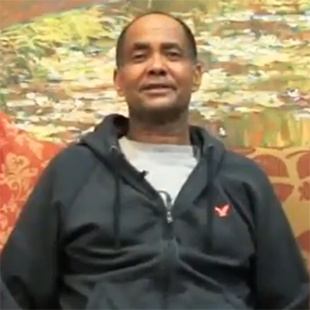
Mr. Hailu Kassa underwent Coronary Artery Bypass Surgery in Vejthani Hospital, Thailand under the supervision of Dr. Piya, Cardio-Thoracic Surgeon

Rod Schaubroeck
Rod Schaubroeck
Rod Schaubroeck : Double Valve Replacement

Patient Testimonial: Rod Schaubroeck from United States (U.S.A) underwent heart valve replacement at Fortis Hospital, India

Conditions treated by Heart Double Valve Replacement

Frequently Asked Questions

A. Heart double valve replacement surgery is recommended for patients experiencing severe conditions and signs of valve dysfunction. In India, Rheumatic Heart Disease is the primary cause of valve problems. The procedure of heart valve surgery is common and performed in major multispecialty hospitals. India is globally renowned for its quality approach to cardiac care, featuring highly trained and experienced cardiac surgeons.

The success rate of heart valve replacement surgery in India is high compared to Western countries, assuring patients of a healthy life post-surgery. India's top hospitals are known for their genuine service and around-the-clock availability, with English-speaking staff and state-of-the-art rehabilitation facilities. This makes the country the most preferred destination worldwide, where thousands of patients with aortic valve stenosis can quickly return to their normal lives.

A. The average cost of heart double valve replacement surgery in India starts at $9,500. Undoubtedly India offers the most efficient and pocket-friendly treatment for heart valve surgery in comparison to other Western countries. The point that is worth mentioning is that the cost can vary as per the diagnosis, condition of the patients, the hospital you have chosen, types of rooms along with the facility availed, and expertise of the surgeon.

A. Two heart valves that have suffered significant damage or malfunction are replaced during double valve replacement surgery. When less intrusive treatments are insufficient and the heart valves are either stenotic (narrowed) or regurgitant (leaking) to the point that they no longer function effectively, this operation is usually carried out.

A. The following two types of valves are used in India for heart valve replacement surgery:

  • Prosthetic or Mechanical Valve: It is also known as an artificial or mechanical valve. Mechanical valves are most commonly made of pyrolytic carbon. They are expected to last longer than biological valve and there is less risk of another surgery after a few years because it does not wear out that fast. There is a greater need for using blood-thinners in the case of mechanical valves.
  • Tissue or Biological Valve: It is also known as a biological, bovine valve, or bioprosthetic valve. This type of valve is derived from a pig’s heart and the sac around a cow’s heart. It costs more than a mechanical valve. Patients who get a biological valve have less need to take blood-thinning medicines and are able to recover faster as far as the valve’s functioning is concerned.

A. This surgery is usually required because of serious issues with the heart valves that affect how well they can control blood flow. The following typical circumstances and causes for double valve replacement are listed:

  1. Aortic valve stenosis is a narrowing of the aortic valve that makes the heart work harder by preventing blood from leaving the left ventricle and flowing into the aorta.
  2. The narrowing of the mitral valve, known as mitral valve stenosis, prevents blood from flowing from the left atrium into the left ventricle.
  3. Aortic Valve Regurgitation: When the aortic valve malfunctions, blood leaks back into the left ventricle from the aorta.
  4. Mitral Valve Regurgitation: When the mitral valve malfunctions, blood leaks backward from the left ventricle into the left atrium.
  5. Conditions that cause significant damage to both the mitral and aortic valves are referred to as aortic and mitral valve diseases. This combination is frequently observed in degenerative diseases or rheumatic fever, and both valve replacement may be necessary at the same time.
  6. Untreated streptococcal infections, such as strep throat, can induce rheumatic fever, which can lead to chronic damage to numerous heart valves and ultimately culminate in combined aortic and mitral valve disease.
  7. Changes Related to Age: Heart valves can become severely stenotic or regurgitate in several valves as a result of calcification or other degenerative processes that occur as individuals age.
  8. Birth abnormalities: Congenital cardiac abnormalities that involve many valves might afflict certain people from birth. In some situations, replacing both valves may be necessary to fix the abnormalities and have the heart functioning normally again.

A. To determine the severity and effect of valve failure on heart health, a thorough evaluation is necessary when diagnosing problems that may require a double valve replacement. This is a thorough rundown of the diagnostic procedure:

  • History of the patient: A thorough medical history that includes any symptoms like exhaustion, palpitations, chest pain, shortness of breath, or dizziness is the first step in the procedure. It's also critical to include details regarding previous infections or rheumatic fever, family history of heart disease, and past medical issues.
  • Heart Sounds: As part of a physical examination, a stethoscope is used to listen to the heart to listen for any abnormal heart sounds or murmurs that could be signs of valve dysfunction.
  • Transesophageal Echocardiogram (TEE): Offers a more lucid image of the atria and heart valves. It's frequently employed when comprehensive imaging is required or when TTE results are unclear.
  • The main test for evaluating heart valve function, chamber diameters, and general heart anatomy is the transthoracic echocardiogram (TTE). It aids in the diagnosis of regurgitation and valve stenosis as well as the evaluation of the effects on heart function.
  • An electrocardiogram, often known as an EKG or ECG, is a diagnostic tool used to record cardiac electrical activity. It can identify valve disease-related electrical anomalies such as arrhythmias and atrial enlargement.
  • Chest X-ray: Used to evaluate general heart function, see the size and form of the heart, and find fluid in the lungs (pulmonary congestion).
  • A catheter is inserted into blood vessels and threaded into the heart during a cardiac catheterization procedure to measure pressures within the chambers of the heart, examine the coronary arteries, and determine the extent of valve dysfunction.
  • A cardiac MRI or CT scan can be used to evaluate the structure, function, and any related problems of the heart by providing precise images of its anatomy.

A. Either open heart surgery or, less frequently, minimally invasive methods can be used to do the procedure. Here's a thorough rundown of the normal procedure for replacing a double valve:

  • Preoperative Assessment: A comprehensive evaluation of the patient's general health, cardiac function, and fitness for the procedure is done before the surgery. This includes blood testing, imaging investigations, and perhaps preoperative drugs or therapies.
  • Incision:
  • Open Cardiovascular Surgery: A median sternotomy, or opening of the chest through an incision down the middle of the sternum (breastbone), is the most commonly used technique.
  • Minimally invasive surgery: Depending on the patient's condition and the surgeon's experience, a thoracotomy (side chest incision) or a smaller incision may be utilized in some situations.
  • Heart-Lung Machine: During the treatment, the heart and lungs are replaced with a cardiopulmonary bypass machine, also known as a heart-lung machine. Blood is extracted from the heart and fed into the machine to undergo oxygenation before being reintroduced into the body.
  • The two diseased heart valves are gently removed by the surgeon.
  • The heart returns to normal function and the heart-lung machine is gradually removed once the new valves are in place.
  • Closing the Chest: The chest cavity is closed once the heart's health has been verified. The incision on the chest is stapled or sutured shut, and the sternum is wired back together.
  • Immediately following surgery, the patient is admitted to the intensive care unit (ICU) for close observation.

A. After double valve replacement surgery, there are multiple phases of rehabilitation, from immediate postoperative care to long-term follow-up. Below is a detailed summary of what patients should normally anticipate:

  1. Observing: Depending on their condition and the intricacy of the surgery, patients are under close observation in the intensive care unit for one to two days. This entails keeping an eye on respiration, blood pressure, heart rate, and other vital indicators.
  2. Wound Care: Surgical incisions, whether from a minimally invasive procedure or a sternotomy, are taken care of. Physicians and nurses keep an eye out for any indications of infection or other issues.
  3. Regular examinations, like blood tests and imaging scans, are carried out to track heart health, valve functioning, and general function. ECGs are frequently performed to evaluate how well the replacement valves are working.
  4. Anticoagulants: To avoid blood clot development, patients undergoing mechanical valve replacements must take anticoagulant drugs, often known as blood thinners. It will be necessary to regularly check blood clotting levels (INR).
  5. Diet: It is advised to follow a heart-healthy diet reduced in cholesterol, saturated fats, and sodium.
  6. Exercise: As long as it fits with your stage of recovery, regular, moderate exercise is recommended to support cardiovascular health.

A. Although double valve replacement surgery is frequently required to treat severe valve malfunction, there are advantages and disadvantages to this procedure. Comprehending these can aid patients in making knowledgeable decisions regarding their course of care. Here is a thorough analysis of the advantages and possible risks:

Benefits:

  • Enhanced Blood Flow: By replacing damaged valves, the heart's ability to pump blood normally can be restored, which will improve heart health generally and lessen symptoms like exhaustion, chest pain, and shortness of breath.
  • Reduced Heart Failure Symptoms: The procedure can improve quality of life and reduce heart failure symptoms by treating valve failure.
  • Quality of Life: A higher quality of life is attained by many patients who receive substantial relief from symptoms like edema, dizziness, and dyspnea (shortness of breath).
  • Enhanced Activity: Following healing, patients frequently discover they can resume regular activities and exercise more comfortably, which improves their general well-being.

Risks:

  • Infection: Endocarditis (valve infection) and other infections at the location of the incision or inside the heart are possible.
  • Bleeding: Bleeding after surgery is possible and may call for further care or blood transfusions.
  • Blood Clots: A blood clot has the potential to form and cause a pulmonary embolism or stroke. Anticoagulant medication is necessary for mechanical valves, which are especially linked to this risk.
  • Heart Failure: While uncommon, some patients may have heart failure or deteriorating heart function following surgery.
  • Arrhythmias: Abnormal heartbeats may occur, sometimes requiring additional care or medicine.
  • Problems Particular to Mechanical Valves: These devices may need lifetime anticoagulant medication due to the possibility of valve thrombosis, or the production of clots. Bioprosthetic valves could eventually need to be replaced due to deterioration.
  • Endocarditis: Patients who have predisposing factors are particularly at risk for endocarditis.

A. According to one study, following a surgical aortic valve replacement, patients deemed low-risk lived anywhere from six to sixteen years. Those between the ages of 60 and 64 survived longer, whereas those above 85 had shorter survival spans.

A. Following double valve replacement surgery, long-term care is essential for maximizing outcomes, preserving cardiac health, and reducing risks. The following are the main factors for long-term care:

  1. Anticoagulants: Lifelong anticoagulant medication is usually necessary to prevent blood clots if mechanical valves are utilized. It is essential to regularly check blood clotting levels (INR) to modify medicine dosages and prevent problems.
  2. Visits by Cardiologists: Scheduling routine follow-up consultations with a cardiologist is crucial for evaluating heart health, tracking valve performance, and making necessary modifications to treatment regimens.
  3. Imaging and Testing: To assess the performance of the replacement valves and look for any potential issues, periodic echocardiograms or other imaging investigations may be carried out.
  4. Exercise: Moderate exercise frequently is crucial for cardiovascular health. Patients should heed the advice of their healthcare professional about the kind and level of exercise.
  5. Weight control: Retaining a healthy weight lowers the chance of conditions like diabetes and high blood pressure, which can harm the heart.
  6. Stay away from Smoking: Giving up smoking is essential for heart health and general rehabilitation. Steer clear of tobacco products to help avoid cardiovascular issues.
  7. Limiting Alcohol: It's crucial to moderate alcohol use because too much alcohol can interfere with prescription drugs and harm heart health.

A. While any minor problems do not affect that much and do not ask for surgery but mild ones need treatment with the help of heart valve repair surgery. Majority of people are living their life normally after having heart valve replacement surgery in India. The high success rate of procedure performed in India shows how successfully a patient is able to recover after the surgery.

After the surgery, the patient is usually advised to take a few medications for a few weeks. It should be noted that the duration of the medication could be reduced or lifted altogether depending on the condition and status of recovery of the patients. The patients should visit the doctor according to the schedule of follow up. During follow up visit, the doctor may perform a few tests to check for the healing of the tissue and then he would observe the functioning of the new valve. The recommended hospitals in India ensure a speedy recovery process by helping patients to return back to their normal routine.

A. In the past few decades, India has seen remarkable growth in the healthcare industry and boasts a volume of its excellent maintained healthcare providers who are renowned for carrying out the procedure of heart valve replacement surgery with brilliance. Here is the list of some recommended hospitals in India for surgery:

A. India has a pool of qualified cardiac surgeons, working across some of the trusted hospitals in India. Having been trained in top medical institutes in India and abroad, Cardiologists in India hold thorough knowledge in cardiology and cardiac science. See the top Cardiologist in India for heart double valve replacement surgery:

  1. Dr. Vivek Jawali
  2. Dr. Ashok Seth
  3. Dr. Sandeep Attawar

A. Heart double valve replacement surgery cost in India depends on several factors. Some of these factors include the following:

  • Type of hospital – Primary, secondary, or tertiary care hospital
  • Location of the hospitalization
  • Choice of the city – first, second, or third tier
  • Experience, qualifications, and skills of the surgeon
  • Type of valve used – artificial or tissue valve
  • Number of valves used – aortic or mitral or both
  • Cost of evaluation – angiography (CAG), 2D Echo, and other blood investigations

Heart valve replacement surgery cost in India

  • Single valve replacement (prosthetic/tissue): $7000 to $9500
  • Double valve replacement (prosthetic/tissue): $10000 to $13500

Not Sure About Your Treatment Plan? Get a Free Second Opinion

Have your reports reviewed by independent oncology experts to help you make a confident treatment decision, all online within 48 hours.

Upload Your Reports
Free second opinion on your CAR-T plan

Get Insight with our Blogs

Guide to Heart Valve Replacement in India: Procedure, Benefits, Costs
Cost Guide

Guide to Heart Valve Replacement in India: Procedure, Benefits, Costs

The heart is made up of tissues and muscles that pump blood. It is divided into a right and left side and has four chambers: 2 lower chambers called ventricles and 2 upper chambers called atria.

Published: 18 May, 2023
Updated: 05 Mar, 2026