Your Notifications
All done, no notifications

Atherectomy Cost in Turkey

USD 1000 - USD 55000

Affordable World-class Treatment - Accredited Hospitals - Free Treatment Plan in 24 Hrs

1
Days in Hospital
1-2 hrs
Procedure Time
85 - 95%
Success Rate
Atherectomy
JCI/ISO 100,000+ Patients 24X7 Coordinator Visa & Travel handled
Your all-in-one medical travel platform for treatment, recovery & care.

Get Your Personalised Treatment Plan in Just 24 Hours.

Share your details to receive a personalised treatment plan, estimated costs, hospital recommendations, and expert guidance, “completely free.”

Required | alphabets and spaces
Required | A valid, working email address
Required | A valid contact
Connect with an Expert

Your information is protected with HIPAA-compliant security standards. We only share your details with hospitals after your consent.

Estimated Treatment Cost
USD 1000 - USD 55000
All-inclusive • Hospital + Medications + Recovery Assistance + Dedicated Care Coordinator

International Quality. Affordable Care.

How Much Does Atherectomy Cost in Turkey?

The cost of Atherectomy in Turkey typically ranges between USD 2000 - USD 3500. The final cost depends on several factors, including the type of atherectomy performed, the severity and location of the arterial blockage, the hospital's facilities, the expertise of the vascular specialist, and whether additional procedures such as balloon angioplasty or stent placement are required.

Additional expenses such as pre-procedure diagnostic tests, hospital stay, medications, follow-up consultations, and post-procedure care may also influence the overall treatment cost.

Factors Influencing the Cost of Atherectomy:

  • Type of Atherectomy: The cost varies depending on the technique used, such as directional, rotational, orbital, or laser atherectomy. The need for additional procedures, including balloon angioplasty or stent placement, may further increase the overall treatment cost.
  • Hospital & Location: Treatment costs depend on the hospital's reputation, accreditation, infrastructure, and the availability of advanced catheterisation laboratories and vascular care facilities. Hospitals with specialised endovascular services may charge higher fees.
  • Specialist's Expertise: Highly experienced vascular surgeons, interventional cardiologists, or interventional radiologists may have higher professional fees due to their expertise in performing complex endovascular procedures.
  • Pre-procedure Evaluation: Diagnostic tests such as duplex ultrasound, ankle-brachial index (ABI), CT angiography (CTA), MR angiography (MRA), conventional angiography (when required), blood tests, and cardiac evaluation contribute to the total treatment cost.
  • Hospital Stay: Most atherectomy procedures are performed on a minimally invasive basis and may require either same-day discharge or an overnight hospital stay. However, patients with complex disease or additional procedures may require longer hospitalisation, thereby increasing overall costs.
  • Post-procedure Care: Costs for medications, follow-up consultations, vascular imaging, wound care, and management of complications may add to the total treatment cost.

Atherectomy is a minimally invasive procedure used to remove plaque (fatty deposits) from the inside of narrowed or blocked arteries. It is commonly performed to treat peripheral artery disease (PAD), helping restore blood flow and relieve symptoms such as leg pain, numbness, and poor wound healing. During the procedure, a specialised catheter with a cutting blade, rotating device, or laser is guided through the affected artery to remove or modify the plaque. Atherectomy may be performed alone or in combination with balloon angioplasty or stent placement, depending on the severity of the blockage. Most patients recover quickly and can return to their normal activities within a few days.

What's included in your Atherectomy quote?

Atherectomy procedure
Interventional cardiologist fee, device, operating room charges
Cardiology consultations
Pre- and post-procedure evaluation, post-procedure follow-ups
1–2-day hospital stay
Cardiac monitoring and medications
5–7-day in-country follow-up
Recovery assessment, ECG, and consultation
Visa & medical-visa invite letter
Airport pickup & transfers

Cost of Atherectomy in Major Cities of Turkey

CityCost (USD)
Ankara $2,000 – $3,500 Explore More
Canakkale $1,800 – $3,150 Explore More
Istanbul $2,000 – $3,500 Explore More
Izmir $2,000 – $3,500 Explore More
Kocaeli $2,000 – $3,500 Explore More
Samsun $2,000 – $3,500 Explore More
Tokat $1,800 – $3,150 Explore More
Trabzon $1,800 – $3,150 Explore More
Usak $1,800 – $3,150 Explore More
Zonguldak $1,800 – $3,150 Explore More

Atherectomy - Turkey Vs the World

$0 - $0
$2k - $4k
$2k - $6k
$2k - $5k
$3k - $8k
$4k - $13k
$5k - $10k
$5k - $7k
$6k - $7k
$9k - $17k
$10k - $30k
Dr. Vishwas Kaushik
Author

MBBS, MD

7 Years of Experience

Dr. Vishwas Kaushik is a qualified medical professional holding an MBBS from the prestigious Belgorod State University, Russia, with a strong foundation in clinical medicine and healthcare practice. His comprehensive medical training has equipped him with a profound understanding of evidence-based clinical practices, patient-centered care, and the evolving landscape of modern medicine. With a keen interest in medical research and scientific communication, he consistently translates complex clinical concepts into clear, accurate, and accessible content for diverse audiences. His work reflects a deep commitment to advancing medical knowledge, delivering impactful healthcare insights, and bridging the gap between clinical expertise and accessible medical communication.
View More
Dr. Naresh Kumar Goyal
Reviewer

Cardiologist

21 Years of Experience

Last Reviewed - June 2026

Dr. Naresh Kumar Goyal is highly trained as a cardiologist with exposure in virtually all aspects of cardiology. He qualified with an MD in internal medicine in 1999 from SMS Medical College, Jaipur, and served in the Cardiology Department as an honorary resident. From this stage, he also started with training in the temporary pacing of the pacemaker as well as interventional services.
View More

Need Help Choosing the Right Treatment? Talk to a Medical Advisor

Our dedicated Medical Patient Advisors are here to answer your questions, help you compare treatment options, estimate costs, and guide you through every step of your healthcare journey.

15 min
Average response time

Serving Patients Worldwide in Multiple Languages.

Atherectomy is a minimally invasive procedure healthcare providers use to eliminate plaque buildup and widen narrowed or blocked arteries. This intervention aims to restore normal blood flow and alleviate symptoms associated with peripheral artery disease (PAD).

Using a catheter equipped with small rotating blades or a laser, plaque is shaved or vaporized away during this minimally invasive intervention. Surgical atherectomy may be considered for patients with particularly hardened plaque or those with persistent plaque constriction following angioplasty and stent placement.

The following are various types of techniques used in atherectomy procedures to remove plaque from arteries:

  • Excisional Atherectomy: Utilizes a blade to cut plaque in a single direction.
  • Laser Ablation Atherectomy: Involves using a laser to disintegrate plaque.
  • Orbital Atherectomy: A spinning tool acts akin to sandpaper, eliminating plaque.
  • Rotational Atherectomy: Small blades cut plaque in a circular motion.

Atherectomy is used to treat peripheral artery disease (PAD), including atherosclerosis (the primary underlying cause of PAD), coronary artery disease (CAD), and high cholesterol by removing plaque accumulation in the arteries. This reduces symptoms like leg discomfort, restores blood flow, and prevents against problems like tissue damage or limb amputation. It is frequently used to bypass blocked arteries when balloon angioplasty, medicine, or lifestyle modifications are insufficient.

Consult your doctor if you experience new or worsening symptoms, such as leg or groin discomfort, redness, warmth, or swelling. Additionally, record any numbness or coldness in the leg that was treated. These might point to issues that need to be addressed right away.

Your doctor could prescribe tests like vascular ultrasonography or angiography to look for arterial constriction or blockages. Observe dietary, hydration, and medication guidelines, particularly if you're taking blood thinners.

Your healthcare professional inserts a catheter into your artery following the administration of local anesthetic and sedation. They direct it to the obstructed region and eliminate plaque accumulation using a blade or laser. This procedure may be repeated until enough plaque is removed to restore blood flow.

Usually, an atherectomy takes two hours to complete. The amount of blockages being treated and the procedure's complexity can influence how long it takes.

Plaque can rupture in the blood artery or break off and obstruct smaller vessels during atherectomy. These issues may arise when the plaque is removed by cutting or scraping.

  • Minimally invasive
  • Improves blood flow
  • Relieves pain, cramping, and fatigue in legs caused by PAD
  • Eliminates plaque without the need for a stent
  • Quicker recovery
  • May delay or prevent amputation

The majority of patients who get an atherectomy typically leave the hospital the same day or after just one day. Within a few days, most people are able to return to their regular activities. As recovery times can vary, follow your healthcare provider's advice.

Its success rates are generally high, particularly 90% to 99.5%.

95–98%

Successful plaque removal and improved blood flow

1–2 days

Typical hospital stay

1–2 weeks

Typical return to work and daily activities
Explore Hospitals ( 15 )

Istanbul, Turkey

441+ Beds · 296+ Procedures
JCI
Starting
USD 8000

Trabzon, Turkey

120+ Beds · 185+ Procedures
JCI
Starting
USD 1500

Usak, Turkey

106+ Beds · 201+ Procedures
JCI
Starting
USD 1200

Tokat, Turkey

157+ Beds · 239+ Procedures
JCI
Starting
USD 7500

Samsun, Turkey

300+ Beds · 227+ Procedures
JCI
Starting
USD 1500

Ankara, Turkey

327+ Beds · 293+ Procedures
JCI
Starting
USD 30000

Istanbul, Turkey

120+ Beds · 226+ Procedures
JCI
Starting
USD 7000

Izmir, Turkey

207+ Procedures
ISO
Starting
USD 4000

Zonguldak, Turkey

75+ Beds · 208+ Procedures
JCI
Starting
USD 6000

Istanbul, Turkey

187+ Procedures
JCI

Get Your Atherectomy
Plan in 24 hrs.

Our experienced Medical Patient Advisors have supported 100,000+ patients across 120+ countries with personalised treatment plans, hospital recommendations, cost estimates, and travel assistance, all free.

HIPAA-Compliant Data SecurityShared Only with Your Consent

Free Consultation No Obligation Personalized Treatment Plan Response Within 24 Hours

Required | alphabets and spaces
Required | A valid, working email address
Required | A valid contact

Your medical info is kept HIPAA-style confidential. We never share with hospitals without your consent.

Process Involved for Atherectomy in Turkey

  • Preoperative Evaluation Stage: Before the surgery, arterial blockages are evaluated, and imaging and tests verify the diagnosis.
  • Procedure Selection: Aside from setting up IV lines with cardiac monitors for ongoing monitoring, a local anesthetic is given at the insertion site.
  • Atherectomy Procedure: Plaque is removed with a catheter equipped with a specific device to restore blood flow, frequently followed by stent implantation or angioplasty.
  • Post-Procedure Monitoring: The patient is kept under surveillance briefly in the hospital while vital signs and problems are tracked.
  • Recovery & Follow-Up
  • Coronary Artery Disease (CAD)
  • Peripheral Artery Disease (PAD)
  • Carotid Artery Disease
  • In-Stent Restenosis
  • Patients with Severe Artery Blockages
  • Coronary Artery Disease (CAD)
  • Peripheral Artery Disease (PAD)
  • Failed Angioplasty or Stenting
  • High-Risk Surgical Patients
  • Coronary Angiography
  • Balloon Angioplasty
  • Stent Placement
  • Intravascular Ultrasound (IVUS) or Optical Coherence Tomography (OCT)
  • Fractional Flow Reserve (FFR) Measurement
  • Effectively Removes Plaque
  • Improves Blood Flow
  • Minimally Invasive
  • Reduces Risk of Restenosis
  • Faster Recovery Time
  • Interventional Cardiologist
  • Vascular Surgeon
  • Radiologist
  • Fill out the inquiry form: Fill out the form to provide us with the relevant information about your condition.
  • Consult with Our Healthcare Expert: One of our qualified specialists will contact you for a consultation.
  • Receive a Detailed Treatment Plan: After examining your situation, we will provide you with a detailed treatment plan that includes expert views and cost breakdowns for various choices.
  • Choose your preferred option: Choose the treatment option that suits you the best.
Jenny Wilson
Your Dedicated Medical Patient Advisor
Treatment planning • Hospital coordination • Multilingual support • Response within 15 minutes.
Our Services to Better your Experience

Opinion & Option

We submit the most accurate opinion and options from one or more countries for your review

Consult Privately

Consult with a certified specialist privately on our telemedicine platform even before you decide to travel

Logistics

We handle flights, visas, transfers, and accommodation—so you can focus on your health.

Recovery

Our In-house rehabilitation service packages to better your recovery and treatment outcome

Patient Stories

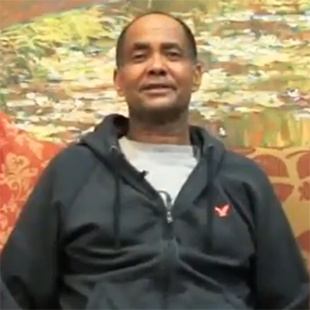
Mr Hailu Kassa : CABG Surgery
Mr Hailu Kassa
Mr Hailu Kassa : CABG Surgery

Mr. Hailu Kassa underwent Coronary Artery Bypass Surgery in Vejthani Hospital, Thailand under the supervision of Dr. Piya, Cardio-Thoracic Surgeon

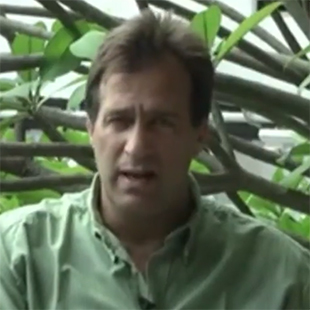
Rod Schaubroeck
Rod Schaubroeck
Rod Schaubroeck : Double Valve Replacement

Patient Testimonial: Rod Schaubroeck from United States (U.S.A) underwent heart valve replacement at Fortis Hospital, India

Conditions treated by Atherectomy

Frequently Asked Questions

Atherectomy in Turkey typically costs between USD 2000 - 3500. The final cost depends on the location and severity of the arterial blockage, the type of atherectomy performed, the hospital, the technology used, and the vascular specialist's experience. This estimated cost generally includes consultations, diagnostic tests, imaging, the procedure, hospitalization, medications, and follow-up care. A personalized cost estimate is usually provided after reviewing the patient's medical records.

Some of the best hospitals in Turkey for Atherectomy include:
  • Avcilar Anadolu Hospital
  • Ekol
  • Eregli Anadolu Hospital
  • Guven Hospital
  • Istanbul Oncology Hospital
  • Choose an experienced interventional cardiologist, vascular surgeon, or interventional radiologist with expertise in performing atherectomy procedures. Reviewing the specialist's qualifications, experience, patient outcomes, and success rates can help you make an informed decision. Seeking a second opinion is also recommended.

    During the procedure, a thin catheter with a specialized atherectomy device is inserted through an artery and guided to the blocked area. Depending on the type of atherectomy, the device cuts, sands, shaves, or vaporizes plaque deposits. Balloon angioplasty and stent placement may also be performed afterward if needed to improve blood flow.

    Atherectomy is commonly performed to treat peripheral artery disease (PAD), calcified arterial blockages, coronary artery disease, femoropopliteal artery disease, below-the-knee arterial disease, and recurrent arterial narrowing where plaque removal is beneficial.

    Atherectomy is suitable for patients with heavily calcified or complex arterial blockages, peripheral artery disease causing leg pain or poor circulation, or coronary artery disease where plaque removal may improve procedural outcomes. Your vascular specialist will determine if atherectomy is the most appropriate treatment.

    Atherectomy has an overall success rate of approximately 90-99.5%, depending on the severity and location of the blockage, the patient's overall health, and the type of atherectomy performed. Most patients experience improved blood flow and relief from symptoms after successful treatment.

    Hospitals in Turkey use advanced directional, rotational, orbital, and laser atherectomy systems along with digital angiography, intravascular ultrasound (IVUS), optical coherence tomography (OCT), and image-guided catheter-based interventions. Balloon angioplasty and stent placement may also be combined with atherectomy when required.

    Atherectomy is generally a safe procedure, but potential risks include bleeding, infection, artery injury, blood clots, embolization of plaque fragments, artery perforation, restenosis, allergic reactions to contrast dye, and anesthesia-related complications. Serious complications are uncommon when performed by experienced specialists.

    Before travelling, gather your medical records, angiography reports, Doppler ultrasound or CT angiography reports, passport, and complete an online consultation if available. Confirm your treatment schedule, accommodation, and visa requirements in advance. Follow your doctor's instructions regarding medications and fasting before the procedure.

    Yes, MediGence provides online consultations for international patients before travel. Specialists review your medical records and vascular imaging to determine the most appropriate treatment plan. This also helps you receive an estimated cost and travel guidance.

    Patients should bring a valid passport, visa, medical records, angiography or vascular imaging reports, laboratory test results, previous treatment records, and a list of current medications. These documents help the medical team plan treatment efficiently.

    Most international patients stay in Turkey for about 7 to 10 days, depending on the complexity of the procedure, hospital stay, and follow-up evaluations. Many patients are discharged within one or two days after the procedure if recovery is uncomplicated.

    Recovery after Atherectomy is generally quick. Most patients can return to light daily activities within 2 to 7 days, while complete recovery typically takes 1 to 2 weeks, depending on the extent of treatment and overall health.

    You can book your Atherectomy by submitting your medical records through the MediGence Site. Our Care Team will connect you with leading vascular specialists and hospitals in Turkey, help you compare treatment options and costs, and coordinate your appointments. From medical visa assistance to travel, accommodation, and post-treatment follow-up, MediGence provides complete support throughout your medical journey.

    Turkey offers advanced vascular care, experienced interventional specialists, internationally accredited hospitals, modern catheterization laboratories, and cutting-edge atherectomy technologies. Patients also benefit from comprehensive vascular care and high-quality treatment at competitive costs.

    Not Sure About Your Treatment Plan? Get a Free Second Opinion

    Have your reports reviewed by independent oncology experts to help you make a confident treatment decision, all online within 48 hours.

    Upload Your Reports
    Free second opinion on your CAR-T plan