Affordable World-class Treatment - Accredited Hospitals - Free Treatment Plan in 24 Hrs

Share your details to receive a personalised treatment plan, estimated costs, hospital recommendations, and expert guidance, “completely free.”
Your information is protected with HIPAA-compliant security standards. We only share your details with hospitals after your consent.
The cost of Atherectomy in Spain is USD 5000 - USD 10000
Additionally, factors like the duration of treatment, the need for follow-up care, and the use of advanced technologies or specialized treatments can further influence the overall cost.
PAD occurs when fatty deposits accumulate in your arteries, which in turn reduces the blood circulation in your body. The plaque formation that appears on the inner walls of the arteries is known as Atherosclerosis. In an atherectomy, the doctors use a catheter with a shaving blade or a laser to shave off the plaque. Thus, the sharp or laser enables them to cut out or scrape out the hard plaque.
Healthcare providers may use different types of blades or lasers to remove plaque: Excision atherectomy, Laser atherectomy, Orbital atherectomy, and Rotational atherectomy.
In fact, an atherectomy is minimally invasive in most cases, and a patient can be discharged on the same day he or she was admitted to the hospital. It may take one day for one to spend in the hospital. Patients are often able to go back to their everyday tasks within the next few days after their operation.
| City | Cost (USD) | |
|---|---|---|
| Barcelona | $5,000 – $10,000 | Explore More |
| Madrid | $5,000 – $10,000 | Explore More |


Our dedicated Medical Patient Advisors are here to answer your questions, help you compare treatment options, estimate costs, and guide you through every step of your healthcare journey.
Atherectomy is a minimally invasive procedure healthcare providers use to eliminate plaque buildup and widen narrowed or blocked arteries. This intervention aims to restore normal blood flow and alleviate symptoms associated with peripheral artery disease (PAD).
Using a catheter equipped with small rotating blades or a laser, plaque is shaved or vaporized away during this minimally invasive intervention. Surgical atherectomy may be considered for patients with particularly hardened plaque or those with persistent plaque constriction following angioplasty and stent placement.
The following are various types of techniques used in atherectomy procedures to remove plaque from arteries:
Atherectomy is used to treat peripheral artery disease (PAD), including atherosclerosis (the primary underlying cause of PAD), coronary artery disease (CAD), and high cholesterol by removing plaque accumulation in the arteries. This reduces symptoms like leg discomfort, restores blood flow, and prevents against problems like tissue damage or limb amputation. It is frequently used to bypass blocked arteries when balloon angioplasty, medicine, or lifestyle modifications are insufficient.
Consult your doctor if you experience new or worsening symptoms, such as leg or groin discomfort, redness, warmth, or swelling. Additionally, record any numbness or coldness in the leg that was treated. These might point to issues that need to be addressed right away.
Your doctor could prescribe tests like vascular ultrasonography or angiography to look for arterial constriction or blockages. Observe dietary, hydration, and medication guidelines, particularly if you're taking blood thinners.
Your healthcare professional inserts a catheter into your artery following the administration of local anesthetic and sedation. They direct it to the obstructed region and eliminate plaque accumulation using a blade or laser. This procedure may be repeated until enough plaque is removed to restore blood flow.
Usually, an atherectomy takes two hours to complete. The amount of blockages being treated and the procedure's complexity can influence how long it takes.
Plaque can rupture in the blood artery or break off and obstruct smaller vessels during atherectomy. These issues may arise when the plaque is removed by cutting or scraping.
The majority of patients who get an atherectomy typically leave the hospital the same day or after just one day. Within a few days, most people are able to return to their regular activities. As recovery times can vary, follow your healthcare provider's advice.
Its success rates are generally high, particularly 90% to 99.5%.
Our experienced Medical Patient Advisors have supported 100,000+ patients across 120+ countries with personalised treatment plans, hospital recommendations, cost estimates, and travel assistance, all free.
✓ Free Consultation ✓ No Obligation ✓ Personalized Treatment Plan ✓ Response Within 24 Hours
Your medical info has is HIPAA-style confidential. We never share with hospitals without your consent.

Opinion & Option
We submit the most accurate opinion and options from one or more countries for your review
Consult Privately
Consult with a certified specialist privately on our telemedicine platform even before you decide to travel
Logistics
We handle flights, visas, transfers, and accommodation—so you can focus on your health.
Recovery
Our In-house rehabilitation service packages to better your recovery and treatment outcome

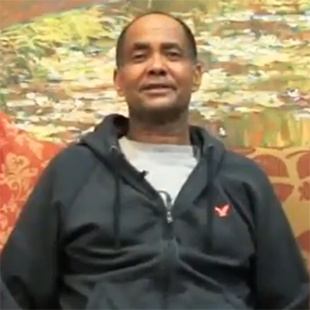
Mr. Hailu Kassa underwent Coronary Artery Bypass Surgery in Vejthani Hospital, Thailand under the supervision of Dr. Piya, Cardio-Thoracic Surgeon

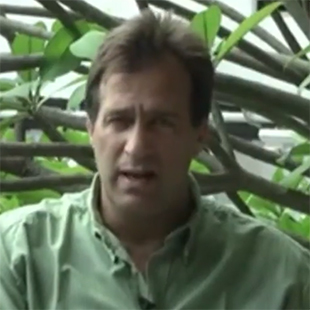
Patient Testimonial: Rod Schaubroeck from United States (U.S.A) underwent heart valve replacement at Fortis Hospital, India
The Atherectomy package cost in Spain varies from one hospital to another and may offer different benefits. Some of the best hospitals for Atherectomy offer a comprehensive package that covers the end-to-end expenses related to investigations and treatment of the patient. Typically, the package cost of Atherectomy in Spain includes the expenses related to the surgeon's fee, anesthesia, hospital, meals, nursing and ICU stay. Extended hospital stay, complications after the surgery or new diagnosis may affect the overall cost of Atherectomy in Spain.
There are many hospitals across the country that offer Atherectomy to international patients. The top hospitals for Atherectomy in Spain include the following:
After Atherectomy in Spain, the patient is supposed to stay in guest house for another 15 days. This is important to ensure that the surgery was successful. During this time, control and follow-up tests take place to check for medical fitness.
Apart from the cost of Atherectomy, the patient is also required to pay additionally for daily meals and guest house accommodation. The per day cost in this case may start from USD 50 per person.
Some of the best cities in Spain which offer Atherectomy are:
There are many Atherectomy surgeons who offer video telemedicine consultation to patients who need this treatment. Some of them include the following:
| Doctor | Cost | Schedule Your Appointment |
|---|---|---|
| Dr. Juli Carballo | USD 833 | Schedule Now |
| Dr. Antonio Berruezo | USD 833 | Schedule Now |
| Dr. Xavier Ruyra Baliarda | USD 833 | Schedule Now |
| Dr. Josep Brugada | USD 833 | Schedule Now |
| Dr. Raul F Abella | USD 606 | Schedule Now |
The patient is supposed to stay at the hospital for about 2 days after Atherectomy for monitoring and care. The patient is subjected to several biochemistry and radiological scans to see that everything is okay and the recovery is on track. After making sure that patient is clinically stable, discharge is planned.
There are more than 6 hospitals that offer Atherectomy in Spain. The above mentioned hospitals have the required infrastructure and a dedicated unit where patients can be treated. Also, these hospitals follow the necessary guidelines as required by the medical associations for the treatment of Atherectomy patients.
Have your reports reviewed by independent oncology experts to help you make a confident treatment decision, all online within 48 hours.
Upload Your Reports