Peripheral Artery Disease Treatment in Turkey
- Top Accredited Hospitals
- Global Medical Standards
- Cutting-Edge Technology
- Proven Treatment Options
- High Success Rate
- Trusted by Millions

What is Peripheral Artery Disease?
Peripheral Artery Disease (PAD) is a condition in which narrowed or blocked arteries reduce blood flow, most commonly to the legs and feet. It is usually associated with atherosclerosis and may cause leg pain during walking, numbness, weakness, cold feet, or slow-healing wounds. Some people have few or no symptoms, while advanced disease can cause chronic limb-threatening ischemia and increase the risk of tissue damage or amputation.
What is the Importance of Timely Treatment?
Timely diagnosis and treatment can help improve walking ability, reduce symptoms, protect the limb, and lower the risk of cardiovascular and limb-related complications. Management may include lifestyle changes, structured exercise, medicines, foot care, and revascularisation when indicated. Severe disease involving chronic limb-threatening ischemia requires specialised and often multidisciplinary care to reduce the risk of limb loss.
What are the Common Symptoms of Peripheral Artery Disease?
- Leg Pain During Walking: Cramping, aching, or fatigue in the calf, thigh, hip, or buttock may occur during walking and improve after resting.
- Numbness or Weakness: Reduced blood flow may cause numbness, weakness, or an unusual sensation in the affected leg or foot.
- Cold Feet or Legs: One foot or leg may feel colder than the other because of reduced circulation.
- Skin or Nail Changes: Reduced blood supply may cause changes in skin colour, hair growth, or toenail growth.
- Slow-Healing Wounds: Cuts, sores, or ulcers on the feet or legs may take longer than expected to heal.
- Pain at Rest: Advanced PAD may cause persistent foot or leg pain, particularly at night or when the leg is elevated.
Causes and Risk Factors of Peripheral Artery Disease
Causes
- Atherosclerosis: Fatty and cholesterol-containing plaque can build up inside the arteries and restrict blood flow.
- Blood Clots: A clot can suddenly obstruct an artery and cause acute limb ischemia.
- Arterial Injury: Trauma or damage to an artery may affect blood flow.
- Inflammatory or Vascular Disorders: Certain diseases affecting blood vessels can contribute to arterial narrowing or blockage.
- Other Arterial Conditions: Less common structural or vascular disorders may also cause reduced blood flow.
Risk Factors
- Smoking or tobacco exposure
- Diabetes
- High blood pressure
- High cholesterol
- Older age
- Chronic kidney disease
- Obesity and physical inactivity
- Established cardiovascular disease
- Family history of vascular disease
- Previous stroke or coronary artery disease
Latest Research and Technologies in the Treatment of Peripheral Artery Disease in Turkey
- Modern PAD management increasingly combines non-invasive vascular testing, advanced imaging, structured exercise therapy, guideline-directed medical treatment, minimally invasive endovascular procedures, and surgical revascularisation. Endovascular advances include drug-coated balloons, drug-eluting stents, improved techniques for complex arterial blockages, and intravascular imaging in selected procedures. For patients whose symptoms remain functionally limiting despite medical therapy and structured exercise, revascularisation may be considered to improve walking ability and quality of life.
Treatment options for Peripheral Artery Disease
Balloon angioplasty : a catheter-based procedure used to widen a narrowed artery.
Surgical Bypass: May be considered for selected patients with complex or extensive disease, particularly when an endovascular approach is unlikely to provide a durable result or has failed.
Hybrid Revascularisation: A specialised combination approach (e.g., an open common femoral endarterectomy combined with catheter-based stenting of the superficial femoral artery) handled by a vascular team.
Atherectomy : Uses specialised devices to remove or modify plaque in selected arteries. Its suitability depends on lesion characteristics, and it is not necessary for every patient undergoing endovascular treatment.
Cost Start From 7500Explore Options
Wound and Foot Care: For patients who progress to Chronic Limb-Threatening Ischemia (CLTI), aggressive wound care, pressure offloading, and infection control are mandatory alongside revascularisation to prevent amputation.
- Clinical assessment:
- Medical History: Assessment includes walking-related symptoms, pain at rest, wounds, smoking history, diabetes, cardiovascular disease, kidney disease, and previous vascular procedures.
- Physical Examination: A doctor may assess pulses, skin colour and temperature, capillary refill, hair and nail changes, and the presence of ulcers or tissue damage.
- Ankle-Brachial Index (ABI): Compares ankle blood pressure with arm blood pressure and is a commonly used initial test for diagnosing PAD.
- Toe-Brachial Index (TBI): May be useful when the ABI is difficult to interpret, particularly in people with heavily calcified arteries.
- Exercise ABI: May help identify PAD when symptoms suggest disease but resting ABI results are not diagnostic.
- Pulse Volume or Segmental Pressure Testing: Can help identify the location and severity of arterial blood-flow abnormalities.
- Imaging Tests:
- Duplex Ultrasound: Uses ultrasound to assess blood flow and identify narrowed or blocked arteries.
- CT Angiography (CTA): Provides detailed images of blood vessels and can help with treatment planning.
- MR Angiography (MRA): Provides vascular imaging without ionising radiation and may be used in selected patients.
- Catheter Angiography: Provides detailed images of the arterial system and may be performed when considering an endovascular procedure.
- Intravascular Imaging: Selected endovascular procedures may use technologies such as intravascular ultrasound to assess vessel anatomy and guide treatment.
MediRehab (a chain of Rehab centres, part of MediGence) provides comprehensive tele-rehabilitation services designed to support Peripheral Artery Disease patients in Turkey. These services include:
- Supervised Exercise Therapy: Structured walking programmes can gradually improve walking distance and functional capacity.
- Structured Home-Based Exercise: Patients who cannot attend supervised programmes may benefit from appropriately designed community- or home-based exercise.
- Gradual Activity Progression: Increase physical activity according to symptoms, overall health, and guidance from the vascular care team.
- Walking Training: Incorporate repeated walking periods followed by rest into an appropriate claudication exercise programme.
- Foot Care: Regular foot inspections and appropriate footwear can help prevent wounds and complications.
- Long-Term Follow-Up: Regular vascular and cardiovascular assessments help monitor symptoms, walking ability, wounds, and treatment response.
- Medicines are selected according to the severity of PAD and the patient's cardiovascular and bleeding risks. Antiplatelet medicines may be used in symptomatic PAD to reduce cardiovascular events. High-intensity statin therapy, blood-pressure treatment, and diabetes management are important components of cardiovascular risk reduction.
Instantly Connect with our Specialists


Hospitals for Peripheral Artery Disease in Turkey

Medical Park Karadeniz Hospital
Trabzon, Turkey
Apart from in-detail treatment procedures available, Medical Park Karadeniz Hospital located in Trabzon, Turkey has a wide variety of facilities available for International Patients. Some of the facilities which are provided by them are Accommodation, Airport Transfer, Choice of Meals, Interpreter, TV inside room. Also listed below are some of the most prominent infrastructural details:
- Situated in an area of 12.000 square meter
- Capacity of 107 beds
- Intensive Care Unit (17 beds)
- Neonatal ICU (NICU- 12 beds)
- 6 Operating Rooms
- Cafeteria

Medipol Bahçelievler Hospital
Istanbul, Turkey
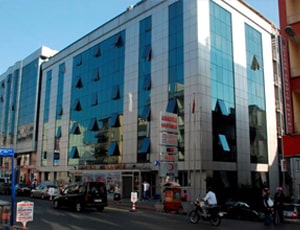
Medipol Bahcelievler Hospital is a medical institution providing a full range of medical and individualized approaches to its patients. Medipol has the ambition to bring high quality and maximum security to people in need by employing state-of-the-art technologies in medicine. They ensure that the health of the patients is improved by fashioning unique physician specialty treatment programs.
Medipol Bahcelievler Hospital provides an exceptional position in the healthcare industry with a policy of clear communication, professionalism, and reliability to patient expectations. Medipol Bahçelievler Hospital is situated in the European Side of Istanbul, dedicated to 24-hour health care for you and your loved ones, equipped with a fully functional operation theatre and ICUs with state-of-the-art equipment, laboratory, emergency, and advanced treatment rooms
Eregli Anadolu Hospital
Zonguldak, Turkey
Apart from in-detail treatment procedures available, Eregli Anadolu Hospital located in Zonguldak, Turkey has a wide variety of facilities available for International Patients. Some of the facilities which are provided by them are Accommodation, Airport Transfer, Choice of Meals, Interpreter, SIM, TV inside room. Also listed below are some of the most prominent infrastructural details:
- Latest cutting edge technology applied in the diagnostic and medical treatment equipment and processes.
- Complex and critical conditions have been treated by the hospital over time.
- Inbuilt area is 9000 square meters
- 130 inpatient bed capacity
- 30 physicians working in the hospital
- A number of polyclinics
- Diagnostic facilities such as with imaging, sleep labs, biochemistry labs
- Emergency rooms available
- Intensive care units for critical cases
- Operation theatres with latest facilities
Our Services to better your experience
Opinion & Option
We submit the most accurate opinion and options from one or more countries for your review
Consult Privately
Consult with a certified specialist privately on our telemedicine platform even before you decide to travel
Logistics
We handle flights, visas, transfers, and accommodation—so you can focus on your health.
Recovery
Our In-house rehabilitation service packages to better your recovery and treatment outcome
Why Choose Turkey for Peripheral Artery Disease Treatment?
- Experienced Vascular Specialists: Access to vascular surgeons, interventional radiologists, interventional cardiologists, and other specialists involved in PAD care.
- Advanced Vascular Diagnostics: Major centres may provide ABI testing, duplex ultrasound, CT angiography, MR angiography, and catheter angiography.
- Endovascular Treatment: Eligible patients may have access to angioplasty, stenting, atherectomy, and other catheter-based procedures.
- Vascular Surgery: Complex centres may provide surgical bypass and other revascularisation procedures.
- Multidisciplinary Care: Vascular specialists, cardiologists, radiologists, wound-care professionals, podiatrists, rehabilitation specialists, and other clinicians may coordinate treatment for complex cases.
- Advanced Limb-Salvage Care: Patients with chronic limb-threatening ischemia may require coordinated vascular, wound, infection, and foot care.
- Personalised Treatment Planning: Treatment can be selected according to symptoms, arterial anatomy, disease severity, cardiovascular risk, and overall health.
- International Patient Support: Many major Turkey hospitals provide assistance with medical records, appointments, treatment coordination, accommodation, and follow-up.
Frequently Asked Questions

Reviewer

Dr. Nityanand Tripathi
Interventional Cardiologist
29 Years of Experience
With a rich experience of more than 29 years, Dr. Nityanand has gained a vast spectrum of skills and expertise in performing all types of complex cardiac procedures. He is an expert in clinical & interventional cardiology and electrophysiology. He studied his medicine (MBBS) and MD from the Institute of Medical Sciences of Banaras Hindu University, Varanasi, and later completed his DM in Cardiology from the prestigious King George Medical University, Lucknow. View More
Last Reviewed - January 2026