Your Notifications
All done, no notifications

Angioplasty Cost in Jordan

USD 5000 - USD 12000

Affordable World-class Treatment - Accredited Hospitals - Free Treatment Plan in 24 Hrs

1
Days in Hospital
30-90 min
Procedure Time
90 - 95%
Success Rate
Angioplasty: Cost, Procedure and Clinics | MediGence
JCI/ISO 100,000+ Patients 24X7 Coordinator Visa & Travel handled
Your all-in-one medical travel platform for treatment, recovery & care.

Get Your Personalised Treatment Plan in Just 24 Hours.

Share your details to receive a personalised treatment plan, estimated costs, hospital recommendations, and expert guidance, “completely free.”

Required | alphabets and spaces
Required | A valid, working email address
Required | A valid contact
Connect with an Expert

Your information is protected with HIPAA-compliant security standards. We only share your details with hospitals after your consent.

Estimated Treatment Cost
USD 5000 - USD 12000
All-inclusive • Hospital + Medications + Recovery Assistance + Dedicated Care Coordinator

International Quality. Affordable Care.

How Much Does Angioplasty Cost in Jordan?

The estimated cost for Angioplasty in Jordan ranges between USD 5000 - USD 12000.

The cost of an angioplasty will change based on stent type, number of blockages, and complexity of the procedure, as well as, the hospital's accreditation of care, technology use, doctor's competency or experience, testing pre-procedure, time spent in ICU or room stay, cost of medicines and consumables, anesthesia or sedation, and any complications occurring after the procedure that lengthen time in the hospital.

Factors Influencing the Cost of Angioplasty

  • Stent Type: Drug-eluting stents are more expensive than bare-metal stents.
  • Number of Blockages: The more blocked arteries to treat, the higher the total cost.
  • Complexity of the Procedure: More complex cases require more equipment and time, hence increasing total costs.
  • Hospital accreditation: Private hospitals or those with international status tend to have higher hospital fees.
  • Cath-lab technology: Digital imaging and technology enhances the care we provide, but it also adds to the cost of the procedure.
  • Doctor's Experience: Professional fees may vary based on a doctor's level of experience, and inferred competency.
  • Pre-procedure tests: Multiple tests (ECG, blood tests, kidney function tests, echo etc.) contribute to the overall cost.
  • Post-procedure complications: Any additional complications that require further treatment or care will only increase the final cost of your care.

What's included in your Angioplasty quote?

Angioplasty
Minimally invasive procedure to open blocked arteries using a balloon and stent
Cardiology consultation
Pre-procedure evaluation, treatment planning, and follow-up consultations
Procedure & hospital care
Angioplasty, stent placement (if required), anaesthesia, and recovery monitoring
Follow-up monitoring
ECG, cardiac assessment, medications, and routine follow-up visits
Visa & medical-visa invite letter
Airport pickup & transfers

Cost of Angioplasty in Major Cities of Jordan

City Cost (USD)
Amman $5,000 – $12,000 Explore More

Angioplasty - Jordan Vs the World

$0 - $0
$3k - $7k
$3k - $4k
$4k - $8k
$4k - $6k
$6k - $8k
$8k - $14k
$8k - $16k
$10k - $15k
$10k - $20k
$12k - $22k
$13k - $20k
$25k - $45k

Find the Right Destination for Your Angioplasty Journey

Dr. Vihan Gautam
Author

BPT, MS in Healthcare Mgmt

4 Years of Experience

Last Reviewed - June 2026

Dr. Vihan Gautam is a distinguished Rehabilitation Specialist and Healthcare Management Professional, holding a Bachelor of Physiotherapy (BPT) from Rajiv Gandhi University of Health Sciences and a Master of Science in Healthcare Management (MSc) from the prestigious University of London, United Kingdom. With specialized clinical experience and his advanced medical knowledge in neuro-rehabilitation, musculoskeletal disorders, and evidence-based physiotherapy practices, enables him to develop patient-centered rehabilitation protocols and AI-driven care models that deliver measurable functional recovery outcomes. His diverse contributions across international rehabilitation programs, multidisciplinary care, and AI-driven healthcare initiatives uniquely position him as an emerging leader in neuro-rehabilitative care globally.
View More
Dr. Naresh Kumar Goyal
Reviewer

Cardiologist

21 Years of Experience

Last Reviewed - June 2026

Dr. Naresh Kumar Goyal is highly trained as a cardiologist with exposure in virtually all aspects of cardiology. He qualified with an MD in internal medicine in 1999 from SMS Medical College, Jaipur, and served in the Cardiology Department as an honorary resident. From this stage, he also started with training in the temporary pacing of the pacemaker as well as interventional services.
View More

Need Help Choosing the Right Treatment? Talk to a Medical Advisor

Our dedicated Medical Patient Advisors are here to answer your questions, help you compare treatment options, estimate costs, and guide you through every step of your healthcare journey.

15 min
Average response time

Serving Patients Worldwide in Multiple Languages.

A minimally invasive medical technique called an “angioplasty” is done to open up clogged or restricted arteries.

Peripheral angioplasty is often used to enhance blood flow to the legs, and carotid angioplasty, and coronary angioplasty, are conducted to improve blood flow to the brain. A catheter is placed into the constricted artery during the surgery, and at the tip of the catheter is a deflated balloon. Once in place, the balloon is inflated to expand the artery and start blood flow again by pressing the plaque up against the walls of the artery. To help keep the artery open, a stent—a tiny mesh tube—may occasionally be inserted. Conditions like carotid artery stenosis, peripheral artery disease, and coronary artery disease are frequently treated using angioplasty.

Conditions like carotid artery stenosis, peripheral artery disease, and coronary artery disease are frequently treated using angioplasty. Vascular surgeons or interventional cardiologists usually carry it out in a specialized catheterization laboratory (cath lab). Compared to open surgery, angioplasty is less invasive and linked to quicker recovery periods and fewer problems.

Explore Hospitals ( 1 )

Amman, Jordan

243+ Beds · 293+ Procedures
JCI

Get Your Angioplasty
Plan in 24 hrs.

Our experienced Medical Patient Advisors have supported 100,000+ patients across 120+ countries with personalised treatment plans, hospital recommendations, cost estimates, and travel assistance, all free.

HIPAA-Compliant Data SecurityShared Only with Your Consent

Free Consultation No Obligation Personalized Treatment Plan Response Within 24 Hours

Required | alphabets and spaces
Required | A valid, working email address
Required | A valid contact

Your medical info is kept HIPAA-style confidential. We never share with hospitals without your consent.

Jenny Wilson
Your Dedicated Medical Patient Advisor
Treatment planning • Hospital coordination • Multilingual support • Response within 15 minutes.
Our Services to Better your Experience

Opinion & Option

We submit the most accurate opinion and options from one or more countries for your review

Consult Privately

Consult with a certified specialist privately on our telemedicine platform even before you decide to travel

Logistics

We handle flights, visas, transfers, and accommodation—so you can focus on your health.

Recovery

Our In-house rehabilitation service packages to better your recovery and treatment outcome

Patient Stories

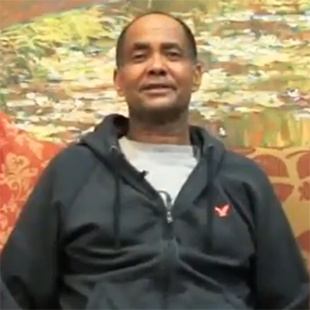
Mr Hailu Kassa : CABG Surgery
Mr Hailu Kassa
Mr Hailu Kassa : CABG Surgery

Mr. Hailu Kassa underwent Coronary Artery Bypass Surgery in Vejthani Hospital, Thailand under the supervision of Dr. Piya, Cardio-Thoracic Surgeon

Rod Schaubroeck
Rod Schaubroeck
Rod Schaubroeck : Double Valve Replacement

Patient Testimonial: Rod Schaubroeck from United States (U.S.A) underwent heart valve replacement at Fortis Hospital, India

Frequently Asked Questions

The best hospital in Jordan is:
  • Arab Medical Center
  • Recovery following angioplasty is usually quick, typically requiring patients to stay in the hospital for one to two days depending on the complexity of the intervention. Patients can usually resume light activities in two to three days, and normal daily activities are comfortable within a week. Patients are advised to avoid heavy lifting or vigorous activities for one to two weeks to allow the incision to heal appropriately. If an angioplasty is required post-heart attack, recovery will be two to four weeks.

    Additional expenses may include:
  • Pre-operative tests (X-ray, MRI, blood work)
  • Anaesthesia fees
  • Post-surgery medications
  • Physiotherapy sessions
  • Follow-up consultations
  • If you're an international patient, costs for travel, accommodation, meals, and airport transfers.

    Amman is the primary city in Jordan for complex surgery and medical travel, and it has the largest concentration of JCI-accredited hospitals and surgeons with international training. Other areas offer limited services.

    Reasons why patients choose Jordan:
  • JCI-accredited modern Hospitals, with costs that are competitive with those in other countries
  • Packages that are well organised for international medical travel.
  • High-quality care from fellowship-trained surgeons with extensive experience.
  • Modern hospitals, accredited by JCI, offer a range of advanced arthroscopic and minimally invasive techniques.
  • Short waiting times for consultations with specialists, for imaging studies, and for surgery.
  • Strong rehabilitation service with structured physiotherapy programs.
  • Angioplasty has a very high success rate; some studies have indicated that the procedure may have a success rate of over 95%. Success rates vary based on the number of blocked arteries, the location of the arterial blockage, and the patient's overall health.

    Angioplasty is a non-open heart surgery method for unblocking or widening clogged coronary arteries with the use of a balloon and typically with a stent to help maintain normal blood flow.

    Angioplasty generally takes between 30 minutes to 2 hours, with the time difference dependent on the complexity of the case.

    Most patients stay in the hospital between 1-2 days, while some patients may go home the same day if uncomplicated.

    Most patients return to normal activities within a week of the procedure, but should not lift anything heavy for a short amount of time after.

    Yes, especially if done by a skilled cardiologist. Risks include bleeding, damage to the artery, or some rare complications like restenosis.

    Angioplasty is usually a good option for single or double blockages. More complex scenarios, like with multiple blockages, may require heart bypass surgery.

    Not Sure About Your Treatment Plan? Get a Free Second Opinion

    Have your reports reviewed by independent oncology experts to help you make a confident treatment decision, all online within 48 hours.

    Upload Your Reports
    Free second opinion on your CAR-T plan