Your Notifications
All done, no notifications

Gastric Bypass Cost in Thailand

Starts from USD 8000

Affordable World-class Treatment - Accredited Hospitals - Free Treatment Plan in 24 Hrs

2
Days in Hospital
2-4 hrs
Procedure Time
85 - 95%
Success Rate
Gastric Bypass Surgery: Treatment, Conditions and Recovery
JCI/ISO 100,000+ Patients 24X7 Coordinator Visa & Travel handled
Your all-in-one medical travel platform for treatment, recovery & care.

Get Your Personalised Treatment Plan in Just 24 Hours.

Share your details to receive a personalised treatment plan, estimated costs, hospital recommendations, and expert guidance, “completely free.”

Required | alphabets and spaces
Required | A valid, working email address
Required | A valid contact
Connect with an Expert

Your information is protected with HIPAA-compliant security standards. We only share your details with hospitals after your consent.

Estimated Treatment Cost
Starts from USD 8000
All-inclusive • Hospital + Medications + Recovery Assistance + Dedicated Care Coordinator

International Quality. Affordable Care.

How Much Does Gastric Bypass Treatment Cost in Thailand?

The cost of Gastric Bypass in Thailand typically ranges between USD 6500 - USD 12000.

However, this cost can vary depending on several factors, including the type and severity of the condition, treatment techniques chosen, the healthcare facility's location and reputation, the treating professionals' experience and specialisation, and the patient's overall health status.

Additionally, factors such as treatment duration, the need for follow-up care, and the use of advanced technologies or specialised treatments can further influence the overall cost.

Factors Influencing the Cost of Gastric Bypass Treatment:

  • Technology and Surgical Equipment Utilised: Compared to conventional techniques, using advanced or robotically aided technology during surgery may be more expensive.
  • Hospital and Location: Hospitals in urban areas or those with higher operating expenses may charge more than those in rural areas.
  • Pre-Treatment Tests: Expenses associated with necessary medical examinations, diagnostic procedures (such as blood tests, imaging, and psychiatric assessments), and specialist consultations before treatment.
  • Post-Treatment Care: Recovery and follow-up consultations also impact the expenses.
  • Length of Hospital Stay: Hospital stays may become more expensive due to complicated surgeries or complications.

Gastric bypass, also called Roux-en-Y (roo-en-wy) gastric bypass, is a type of weight-loss surgery that involves creating a small pouch from the stomach and connecting it directly to the small intestine. Following a gastric bypass, food will travel through this small pouch in the stomach and straight into the small intestine, bypassing most of the stomach and the first segment of the small intestine.

What's included in your Gastric Bypass quote?

Gastric Bypass Surgery
Bariatric procedure to reduce stomach size and reroute intestines for weight loss
Bariatric surgery consultation
Pre-surgery evaluation, risk assessment, and surgical planning
Hospital stay & supportive care
Inpatient care, nursing support, pain management, and monitoring
Follow-up monitoring
Diet guidance, lab tests, and routine post-surgery check-ups
Visa & medical-visa invite letter
Airport pickup & transfers

Cost of Gastric Bypass in Major Cities of Thailand

CityCost (USD)
Bangkok $6,500 – $12,000 Explore More

Gastric Bypass - Thailand Vs the World

$4k - $8k
$5k - $7k
$6k - $8k
$6k - $12k
$6k - $12k
$8k - $12k
$10k - $25k
$10k - $24k
$12k - $22k
$12k - $18k
$15k - $33k
$20k - $30k
Dr. Shagufta Parveen
Author

Doctor of Pharmacy

3 Years of Experience

Dr. Shagufta Parveen is a Clinical researcher and medical writer with expertise in clinical pharmacology and pharmacotherapeutics. She holds a B.Pharm and Doctor of Pharmacy (Post-Baccalaureate) degree from Teerthanker Mahaveer University, Moradabad.

During her clinical stint at BLK-Max Super Speciality Hospital and Indraprastha Apollo Hospital, she gained hands-on experience in the Clinical Pharmacology Department. Combining scientific knowledge with strong medical writing skills, Dr. Shagufta develops evidence-based healthcare content, treatment guides, and patient education resources.

Her work focuses on simplifying complex medical concepts while maintaining scientific accuracy, helping readers better understand healthcare advancements and treatment options.

In addition to her writing expertise, she is actively involved in scientific research and has contributed to peer-reviewed publications.

Her research work is accessible through the following links:

https://scholar.google.com/citations?user=lMVK1eIAAAAJ&hl=en

https://carcinogenesis.com/index.php/JOC/article/view/870

https://carcinogenesis.com/index.php/JOC/article/view/868

https://wjpsronline.com/abstract/0000000760

View More
Dr. Ashish George
Reviewer

Gastroenterologist

18 Years of Experience

Last Reviewed - June 2026

Dr. Ashish George is one of the leading names in HPB surgery & liver transplantation and has about 18+ years of experience.He is a principal consultant & unit head of liver transplant at Fortis Shalimar Bagh.
View More

Need Help Choosing the Right Treatment? Talk to a Medical Advisor

Our dedicated Medical Patient Advisors are here to answer your questions, help you compare treatment options, estimate costs, and guide you through every step of your healthcare journey.

15 min
Average response time

Serving Patients Worldwide in Multiple Languages.

Gastric bypass, also known as “Roux-en-Y” gastric bypass, is a weight-loss surgery procedure that involves creating a small stomach pouch and directly connecting it to the small intestine. Food bypasses most of the stomach and the initial part of the small intestine, facilitating weight loss. This surgery is often recommended when traditional weight loss methods like diet and exercise have been ineffective or when weight-related health issues are severe. It is among the most frequently performed bariatric surgeries.

Other popular weight loss surgery options include:

  • Sleeve gastrectomy
  • Adjustable gastric band
  • Biliopancreatic Diversion with Duodenal Switch (BPD/DS)

Of all the bariatric procedures, gastric bypass is the most preferred option for weight loss because of the greater possibility of positive outcomes. Furthermore, there are no other side effects of gastric bypass.

What are the criteria for gastric bypass surgery?

Gastric bypass surgery isn't suitable for everyone. individuals with a body mass index (BMI) of 40 or higher, and those with a history of heart disease, obesity, and obstructive sleep apnea, are prime candidates for this procedure. obesity, and obstructive sleep apnea are mostly recommended for gastric bypass surgery.

Explore Hospitals ( 7 )

Bangkok, Thailand

580+ Beds · 255+ Procedures
JCI
Starting
USD 25000

Bangkok, Thailand

263+ Beds · 229+ Procedures
JCI
Starting
USD 25300

Bangkok, Thailand

300+ Beds · 287+ Procedures
JCI GHA
Starting
USD 12000

Bangkok, Thailand

354+ Beds · 198+ Procedures
JCI
Starting
USD 10000

Bangkok, Thailand

59+ Beds · 12+ Procedures
ISO JCI
Starting
USD 15000

Bangkok, Thailand

150+ Beds · 171+ Procedures
JCI ISO
Starting
USD 8000

Bangkok, Thailand

9+ Procedures

Get Your Gastric Bypass
Plan in 24 hrs.

Our experienced Medical Patient Advisors have supported 100,000+ patients across 120+ countries with personalised treatment plans, hospital recommendations, cost estimates, and travel assistance, all free.

HIPAA-Compliant Data SecurityShared Only with Your Consent

Free Consultation No Obligation Personalized Treatment Plan Response Within 24 Hours

Required | alphabets and spaces
Required | A valid, working email address
Required | A valid contact

Your medical info is kept HIPAA-style confidential. We never share with hospitals without your consent.

Process Involved for Gastric Bypass in Thailand

  • Pre-Surgical Evaluation: A pre-operative diet, lifestyle changes, diagnostic testing, and a thorough medical evaluation are all done to guarantee optimum health and surgical readiness.
  • Surgical Stage
  • Post-Surgical Recovery & Monitoring: ICU treatment following surgery involves pain management, oxygen support, breathing, and ongoing monitoring of cardiac problems and function.
  • Long-Term Follow-Up & Care
  • Severe Obesity
  • Type 2 Diabetes
  • Obstructive Sleep Apnea
  • Hypertension
  • Heart Disease & Cardiovascular Risks
  • Osteoarthritis & Joint Pain
  • Non-Alcoholic Fatty Liver Disease
  • Polycystic Ovary Syndrome (PCOS)
  • Candidates With Obesity related conditions
  • Failed Non-Surgical Weight Loss Attempts
  • Age Should Be considered (Adolescents under 18, older patients below 65)
  • No Severe Medical History for Surgery
  • Laparoscopic Sleeve Gastrectomy
  • Standard gastric bypass
  • Mini Gastric Bypass (MGB)
  • Hiatal Hernia Repair
  • Gallbladder Removal (Cholecystectomy)
  • Endoscopic Balloon Placement
  • Revisional Bariatric Surgery
  • Significant & Sustained Weight Loss
  • Improved Type 2 Diabetes Control
  • Better Sleep & Resolution
  • Lowered Blood Pressure & Heart Disease Risk
  • Relief from Joint Pain & Osteoarthritis
  • Improved Fertility
  • Improved Mental Health & Quality of Life
  • Reduced Risk of Cancer Caused by Obesity
  • Longer Life Expectancy
  • Bariatric Surgeon
  • General Physician
  • Pulmonologist
  • Cardiologist
  • Physiotherapist
  • Fill out the inquiry form: Fill out the form to provide us with the relevant information about your condition.
  • Consult with Our Healthcare Expert: One of our qualified specialists will contact you for a consultation.
  • Receive a Detailed Treatment Plan: After examining your situation, we will provide you with a detailed treatment plan that includes expert views and cost breakdowns for various choices.
  • Choose your preferred option: Choose the treatment option that suits you the best.
Jenny Wilson
Your Dedicated Medical Patient Advisor
Treatment planning • Hospital coordination • Multilingual support • Response within 15 minutes.
Our Services to Better your Experience

Opinion & Option

We submit the most accurate opinion and options from one or more countries for your review

Consult Privately

Consult with a certified specialist privately on our telemedicine platform even before you decide to travel

Logistics

We handle flights, visas, transfers, and accommodation—so you can focus on your health.

Recovery

Our In-house rehabilitation service packages to better your recovery and treatment outcome

Patient Stories

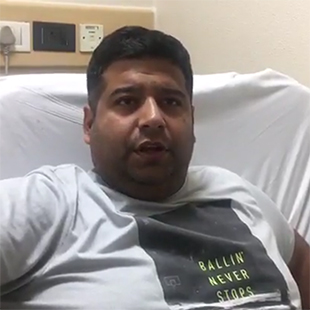
Vikrant Taneja from India underwent Gastric Bypass surgery in BLK Super Speciality Hospital
Vikrant Taneja
Vikrant Taneja: Gastric Bypass

Vikrant Taneja from India underwent Gastric Bypass surgery in BLK Super Speciality Hospital.

Patient Testimonial: Patient from Nigeria for General Health Checkup in UAE
Iwalokun Segan
Patient Testimonial: Patient from Nigeria for General Health Checkup in UAE

Patient Testimonial: Patient from Nigeria for General Health Checkup in UAE

Conditions treated by Gastric Bypass

Frequently Asked Questions

The price of gastric bypass surgery in Thailand is USD 6500 - 12000, determined by several factors. These include the type of procedure used, the specialist's experience, the facility, all required diagnostic tests, the type of anaesthesia administered, the duration of the patient's hospital stay, and the quality of post-operative care.

Gastric bypass works by altering the volume of the stomach and how it handles food. The gastric bypass procedure also affects how the hormones interact and how the body assimilates food.

Individuals suffering from severe obesity may be a good candidate for gastric bypass if the condition has been proven a serious threat to health, namely associated with conditions such as diabetes and high blood pressure, or obesity and sleep apnoea. The eligibility criteria depend on the individual’s medical history, health status, and evaluation by a bariatric specialist.

The gastric bypass diet is a lengthy procedure that starts with liquids and advances to avoiding solid foods according to the recommendations of the bariatric team. The patient must have smaller portions of food but get sufficient protein and vitamins and minerals needed to achieve recovery.

The use of gastric bypass surgery can improve one’s ability to stabilise blood sugar. Certain patients may no longer have type 2 diabetes after surgery. Results are highly variable depending on the patient's stage of diabetes, pancreas function, medications, and general health.

The patient might gain weight following gastric bypass, especially after a considerable amount of time. To keep the results after surgery, the person needs to follow the dietary plan, exercise regularly, use nutritional supplements, and attend follow-ups.

Choose a good bariatric surgeon who is an expert in gastric bypass surgery and related surgeries. It is important for the specialist to have extensive experience in dealing with such patients, training, hospital/system affiliations, and a multidisciplinary approach to treatment.

The success rate of gastric bypass surgery in Thailand is depends on the experience of the bariatric surgeon, quality of hospital care, patient selection, and long-term nutritional and lifestyle support. Therefore, rather than relying on a single success-rate percentage, patients should discuss expected weight loss, improvement in associated conditions, potential complications, and long-term follow-up with their treating surgeon.

Gastric bypass may be recommended for people with severe obesity who have not achieved adequate weight loss through lifestyle changes and, in some cases, those with obesity-related conditions such as type 2 diabetes, hypertension, or sleep apnoea. Eligibility is determined after a detailed medical and nutritional assessment.

Gastric bypass is usually performed laparoscopically. The surgeon creates a small stomach pouch and connects it directly to a lower part of the small intestine. This reduces the amount of food the stomach can hold and changes nutrient absorption and gut-hormone responses, supporting weight loss.

Weight loss varies according to the patient's starting weight, health, diet, physical activity, and adherence to postoperative recommendations. Many patients experience substantial weight loss during the first 12-18 months, with the greatest reduction generally occurring during the first year.

Patients typically progress from liquids to pureed foods, soft foods, and eventually regular textured foods according to their surgeon's dietary plan. Meals are usually small and protein-focused. Patients also need prescribed vitamin and mineral supplements and should follow long-term nutritional monitoring.

Gastric bypass can technically be revised or reversed in selected circumstances, but reversal is complex and is not routinely performed. Because of the anatomical and metabolic changes created by the procedure, patients should consider gastric bypass a long-term treatment and discuss its benefits, risks, and alternatives carefully with their bariatric surgeon.

The ideal hospital is determined not just by the patient's needs but also by the type of medical expertise available in the field of bariatric surgery. For seeking international patients, hospitals with experienced bariatric surgeons, facilities for advanced forms of laparoscopic or robotic surgery, medical anesthesia, and intensive care services are recommended.

Gastric bypass may involve short-term risks such as bleeding, infection, blood clots, leaks, and bowel obstruction, while long-term complications can include nutritional deficiencies, anaemia, dumping syndrome, gallstones, and ulcers. Some patients may also experience nausea, vomiting, abdominal discomfort, or changes in bowel habits. Regular follow-up, prescribed vitamin and mineral supplements, and adherence to dietary recommendations can help reduce these risks.

Before travelling, the patients must get a complete medical evaluation and share their medical history, list of medications used, all treatments undergone to lose weight and necessary test results. Before the surgery, the bariatric team may ask for tests depending on conditions. The patients should also talk to their doctor about smoking, drinking and medications.

Yes, international patients can organise an online consultation with the bariatric surgeon before travelling to Thailand. During the online consultation, the specialist will review the patient’s medical records, weight history, current health status, previous treatments, and available tests to determine the need for gastric bypass and any additional tests required.

The patients must take their passport and relevant medical documents such as medical records of weight loss, blood test results, and information about previous surgeries and diseases such as diabetes, hypertension, sleep apnea or heart disease.

The stay depends on the patient's recovery and the hospital's rules, as well as whether further medical procedures are needed. Before returning home, patients usually need several days for preoperative consultation, gastric bypass surgery, recovery in urgent care, and follow-ups, so the treating hospital gives an individually tailored duration of stay.

The stay depends on the patient's recovery and the hospital's policies, as well as whether further medical procedures are needed. Before returning home, patients usually need several days for preoperative consultation, gastric bypass surgery, recovery in urgent care, and follow-ups, so the treating hospital gives an individually tailored duration of stay.

If complications occur, the medical staff will assess the patient's condition and provide the necessary treatment. An international patient should have a specific plan concerning follow-ups before returning home, including advice on medications, dietary habits, warning signs, and access to healthcare facilities in the home country.

International patients can submit their medical records and treatment requirements through MediGence. The MediGence team can help coordinate specialist evaluation, identify suitable bariatric surgeons and hospitals in Thailand, arrange consultations, and assist with treatment and medical travel coordination.

Thailand may be considered for gastric bypass because of its availability of experienced bariatric surgeons, modern hospitals, minimally invasive surgical techniques, and multidisciplinary weight-management services. Patients should assess the destination based on surgical expertise, hospital quality, treatment suitability, safety, and long-term follow-up rather than cost alone.

Treatment options depend on the patient's weight, obesity-related health conditions, previous treatments, and overall health in Thailand. Bariatric options may include Roux-en-Y gastric bypass, sleeve gastrectomy, adjustable gastric banding, or other metabolic procedures where clinically appropriate. The surgeon will recommend the most suitable approach after evaluation.

Not Sure About Your Treatment Plan? Get a Free Second Opinion

Have your reports reviewed by independent oncology experts to help you make a confident treatment decision, all online within 48 hours.

Upload Your Reports
Free second opinion on your CAR-T plan