The cost of Bone Marrow Transplant in India typically ranges between USD 25000 - USD 35000. However, this cost can vary depending on several factors, including the type and severity of the condition, treatment techniques chosen, the healthcare facility's location and reputation, the treating professionals' experience and specialization, and the patient's overall health status.
Additionally, factors like the duration of treatment, the need for follow-up care, and the use of advanced technologies or specialized treatments can further influence the overall cost.
A bone marrow transplant or BMT is the process by which damaged or abnormal bone marrow is replaced with healthy stem cells. It has been prescribed for the remedy of blood-related diseases such as leukemia, lymphoma, and other diseases like aplastic anemia, sickle cell anemia, etc. There are three main types of BMT: autologous utilizing the patient cells, which use donor cells, and syngeneic from an identical twin. These include administering chemotherapy or radiation to eliminate the affected cells and then transplanting the stem cells to the affected patient’s blood.
Recovery can range from weeks and months, they need constant supervision to address the complications that arise. There are some parameters that influence the success of the transplant, such as the general health of the patient, the type of transplant, and the donor source.
| City | Minimum Cost (USD) | Minimum Cost (INR) | Maximum Cost (USD) | Maximum Cost (INR) |
|---|---|---|---|---|
| Bangalore | USD 25000 | 2141000 | USD 35000 | 2997400 |
| Chennai | USD 25000 | 2141000 | USD 35000 | 2997400 |
| Delhi | USD 25000 | 2141000 | USD 35000 | 2997400 |
| Delhi Ncr | USD 25000 | 2141000 | USD 35000 | 2997400 |
| Faridabad | USD 25000 | 2141000 | USD 35000 | 2997400 |
| Ghaziabad | USD 25000 | 2141000 | USD 35000 | 2997400 |
| Gurgaon | USD 25000 | 2141000 | USD 35000 | 2997400 |
| Gurugram | USD 25000 | 2141000 | USD 35000 | 2997400 |
| Hyderabad | USD 25000 | 2141000 | USD 35000 | 2997400 |
| Kochi | USD 25000 | 2141000 | USD 35000 | 2997400 |
| Mumbai | USD 25000 | 2141000 | USD 35000 | 2997400 |
| Panjim | USD 22500 | 1926900 | USD 31500 | 2697660 |
| Rajkot | USD 22500 | 1926900 | USD 31500 | 2697660 |
| Country | Minimum Cost | Minimum Local Currency | Maximum Cost | Maximum Local Currency |
|---|---|---|---|---|
| India | USD 25000 | INR 2141000 | USD 35000 | INR 2997400 |
| Israel | USD 67000 | ILS 237180 | USD 161000 | ILS 569940 |
| Malaysia | get request | |||
| Singapore | USD 120000 | SGD 154800 | USD 150000 | SGD 193500 |
| South Korea | USD 1500 | KRW 2063970 | USD 172330 | KRW 237122633 |
| Thailand | USD 50000 | THB 1635500 | USD 80000 | THB 2616800 |
| Turkey | USD 50000 | TRY 1953000 | USD 80000 | TRY 3124800 |
Need Help Planning Your Treatment Abroad?
Your 24/7 AI Health Assistant 
A bone marrow transplant is a process that involves harvesting cells for transplantation from the bone marrow which is the spongy tissue found in the cavities of certain bones such as the hip bones. It is also known as Stem Cell transplant. The bone marrow is rich in stem cells, which are capable of developing into various types of blood cells.
The main objective of bone marrow transplantation (BMT) is to transplant healthy bone marrow cells into a patient after the patient's unhealthy bone marrow has been treated to eliminate cancerous cells.
BMT has been used successfully in the treatment of the following diseases such as:
There are two main types of bone marrow transplants (BMT), also known as stem cell transplants, based on the source of the stem cells. These are:

Aakash Healthcare Super Speciality Hospital, Delhi, India
USD 24000 USD 28800

Amrita Hospital, Faridabad, India
USD 18000 USD 19000

Amrita Hospital, Faridabad, India
USD 36000 USD 37000
Would you like some help? We are available.
Get Help
Faridabad, India
Sarvodaya Hospital and Research Centre located in Faridabad, India is accredited by NABH, NABL. Also listed below are some of the most prominent infrastructural details:

Bangalore, India
Fortis Hospital, Bannerghatta Road, Bangalore, has been a leading multi-speciality healthcare institution, offering advanced medical services with a patient-centric approach. The hospital features 400+ beds, state-of-the-art infrastructure, and experienced specialists across various specialities, providing comprehensive and compassionate care. Trusted by patients from India and abroad, Fortis Bannerghatta Road combines modern technology with high-quality treatment to deliver world-class healthcare.

Bangalore, India
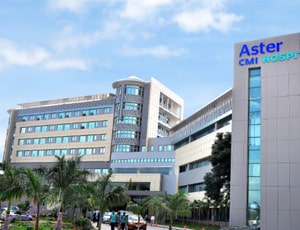
Aster CMI Hospital located in Bengaluru, India is accredited by JCI, NABH. Also listed below are some of the most prominent infrastructural details:

Delhi, India

Mumbai, India

Delhi, India

Mumbai, India
Regen Ortho Sport is a specialized facility in Bandra East, Mumbai, that provides patients of all ages with top-notch medical care. The professionals on the hospital's staff are extremely knowledgeable and proficient in their fields. At the hospital, patients may anticipate receiving excellent care, including operations, treatments, and procedures.
Regen Ortho Sport also offers a wide range of treatments to promote the health and well-being of its patients. The hospital provides a range of packages based on the demands and finances of its patients.

Delhi, India

Faridabad, India
Founded in 1998 by Mata Amritanandamayi (Amma), the Amrita Institute of Medical Sciences and Research Centre is one of India’s leading healthcare institutions, accredited by ISO, NABH, and NABL. With 2 branches, 7 medical colleges, and a network of 800+ doctors and 2,600+ beds, it offers comprehensive care across 81 specialties and 12 super-specialty departments, supported by 60+ modern operating theatres and 534 critical care beds. The Faridabad campus, a world-class multispeciality facility, houses advanced centers for oncology, neurosciences, cardiac sciences, gastro-sciences, mother and child care, and trauma care, along with India’s most comprehensive infectious disease unit. Guided by a mission of compassion and innovation, Amrita Hospitals combine cutting-edge medicine with humanitarian service to empower communities and promote holistic well-being.

Kochi, India
Need Some Advice From Our Experts?
Our team of healthcare experts would be happy to assist you

+99


Opinion & Option
We submit the most accurate opinion and options from one or more countries for your review
Consult Privately
Consult with a certified specialist privately on our telemedicine platform even before you decide to travel
Logistics
We handle flights, visas, transfers, and accommodation—so you can focus on your health.
Recovery
Our In-house rehabilitation service packages to better your recovery and treatment outcome
Our network connects you with the leading medical tourism destinations globally, offering a wide range of cities, top doctors, and flexible pricing options.


A.An autologous bone marrow transplant is a procedure in which a patient's bone marrow stem cells are collected, stored, and then reinfused after intensive treatment, such as chemotherapy or radiation. This approach is used to restore the body's ability to produce healthy blood cells, especially after treatments that damage the bone marrow. It's often used in cancers like lymphoma or multiple myeloma.
A. There are two types of bone marrow transplant on the basis of types of donor:
A. Following are the risks that are associated with the autologous bone marrow transplants are:
A. The average cost of Bone marrow transplant in India is in the range of USD 25000 to 35000.
A. Following are the conditions that are treated by the autologous BMT:
A. Following are the steps for the preparation of Patient for Autologous BMT:
A. The recovery process after an autologous bone marrow transplant can vary depending on the individual's health and response to treatment. Here are some of the recovery stages:
A.There are about 34 hospitals that offer bone marrow surgery in India a few are listed below:
A.The recovery of the patient varies, depending on several factors. However, on average, a patient is supposed to stay for about 90 days in the country after discharge. This is important to ensure that the surgery was successful. During this time, control and follow-up tests take place to check for medical fitness.
A.The average duration of stay at the hospital after surgery is about 30 days for proper care and monitoring. This time frame is important for the patient to recover properly and feel comfortable after the surgery. With the help of several tests, it is determined that the patient is doing fine after the surgery and is okay to be discharged.
A.Patients considering a bone marrow transplant in India have compelling reasons to choose this destination. The complex procedure is meticulously carried out in world-class hospitals, ensuring a secure and sterile environment, and is conducted exclusively by experienced experts. India stands out as a preferred destination for bone cell treatment due to several factors:
A. Some of the best doctors for bone marrow transplant in India include the following:
A. The success rate of this procedure is estimated to be around 80 to 90 percent in India. The high success rate of bone marrow transplants in India can be attributed to the high standards of care, preventive steps taken to prevent infections, sterile environment, excellent aftercare, and great monitoring. Also, the BMT specialists in India are highly experienced in dealing with different types of conditions and the complications associated with the procedure. The success rate, however, depends on several factors. For example, it depends on how well the body of the patient responds to the stem cells derived from his or her own body or a donor, the rate of rejection, the occurrence of any complications, the need for extra medications, the effect on other organs, disease relapse status etc.

Hematologist
9 Years of Experience
Dr. Akash Khandelwal is a distinguished Hematologist, Hemato-oncologist, and Bone Marrow Transplant (BMT) Physician with extensive training from the prestigious AIIMS New Delhi. His expertise encompasses a wide range of specialized techniques in bone marrow transplantation, including autologous and allogeneic transplants such as matched sibling donors, matched unrelated donors (MUD), and haploidentical donor transplants. Dr. Khandelwal has personally supervised and conducted over 100 bone marrow transplants. View More
Last Reviewed - January 2026