Affordable World-class Treatment - Accredited Hospitals - Free Treatment Plan in 24 Hrs

Share your details to receive a personalised treatment plan, estimated costs, hospital recommendations, and expert guidance, “completely free.”
Your information is protected with HIPAA-compliant security standards. We only share your details with hospitals after your consent.
The cost of Open Reduction and Internal Fixation (Orif) in India typically ranges between USD 2500 - USD 6000.
However, this cost can vary depending on several factors, including the type and severity of the condition, treatment techniques chosen, the healthcare facility's location and reputation, the treating professionals' experience and specialisation, and the patient's overall health status.
Additionally, factors like the duration of treatment, the need for follow-up care, and the use of advanced technologies or specialised treatments can further influence the overall cost.
ORIF is a form of surgery to stabilise and heal a broken bone. You may require this procedure to treat your broken ankle.
Ankle joints consist of three bones. These are your leg's smallest bones ( fibula), the talus, and the tibia (Known as the shinbone).
Depending on your fracture and the likelihood of complications, your surgery may be performed immediately or prearranged. You might need to stop taking some medications and fast before your scheduled procedure.
| City | Cost (USD) | |
|---|---|---|
| Ahmedabad | $2,250 – $5,400 | Explore More |
| Bangalore | $2,500 – $6,000 | Explore More |
| Chennai | $2,500 – $6,000 | Explore More |
| Delhi | $2,500 – $6,000 | Explore More |
| Faridabad | $2,500 – $6,000 | Explore More |
| Ghaziabad | $2,500 – $6,000 | Explore More |
| Gurgaon | $2,500 – $6,000 | Explore More |
| Gurugram | $2,500 – $6,000 | Explore More |
| Hyderabad | $2,500 – $6,000 | Explore More |
| Kochi | $2,500 – $6,000 | Explore More |
| Kolkata | $2,500 – $6,000 | Explore More |
| Mohali | $2,250 – $5,400 | Explore More |
| Mumbai | $2,500 – $6,000 | Explore More |
| Noida | $2,500 – $6,000 | Explore More |
| Panjim | $2,250 – $5,400 | Explore More |
| Pune | $2,250 – $5,400 | Explore More |


Our dedicated Medical Patient Advisors are here to answer your questions, help you compare treatment options, estimate costs, and guide you through every step of your healthcare journey.
Open reduction and internal fixation (ORIF) is a surgical procedure to stabilize and heal broken bones. This procedure may be necessary to treat a fractured ankle.
The ankle joint is composed of three bones: the tibia (shinbone), the fibula (the smaller bone in the leg), and the talus (a bone in the foot). Various injuries can affect the lower tibia, lower fibula, or talus. You may have a fracture in just one of these bones, or you could have fractures in two or more of them. In some fractures, the bone breaks but the fragments remain properly aligned. In other fractures, the injury causes the bone fragments to shift out of alignment.
There are two types of ORIF Surgery:
Internal fixation is a surgical method used to reconnect bones, typically involving the use of specialized screws, plates, rods, wires, or nails. The surgeon places These devices inside the bones to ensure they heal correctly and prevent abnormal healing. The procedure is generally performed under general anesthesia.
External fixation involves stabilizing a fracture by inserting pins, screws, and wires into the bone on both sides of the break. These pins are then connected outside the skin using a series of clamps and rods, forming an external frame to hold the bones in place
ORIF surgery is used to stabilize the broken bones in which could be in any sections of the body. The following are some of the common conditions that are treated with the help of an ORIF surgery:
The bone parts such as the knee, hip, tibia-fibula, humerus, and femur are substantially out of alignment
The bone pieces are piercing out through the skin
The part of the bones in the above-mentioned regions of the body is fractured, resulting in the development of multiple pieces.
The fracture involves a knee joint.
Even after receiving conservative treatment, bone repair does not occur normally.
Open reduction refers to open surgery that aimed to set the bones as may be necessary following a fracture, whereas internal fixation means fixing of plates or screws and intramedullary bone nails in the case of humerus, tibia, or femur bones to facilitate the overall healing process.
Rigid fixation inhibits micromotion between the fracture lines, which not only promotes healing but also avoids additional infection, which can occur when plates such as dynamic compression plates are utilized as implants.
ORIF is applied to treat comminuted fractures of the bones that are not sufficiently treated by splinting or casting alone. Internal fixation of broken bones using hardware such as screws, plates, rods, or pins to hold shattered bones together and open reduction to set realigned bones (internal fixation) are utilised. The goals include restoration of normal bone anatomy, healing, relief from pain, restoration of function and mobility.
After trauma (falls, auto accidents, sports injuries), you must visit a doctor immediately if you experience severe pain, inability to move a limb, visible deformity, swelling, or bruising. Delaying treatment can lead to poor bone healing or permanent disability.
Pre-surgical preparation includes X-rays, CT scans, or MRIs to assess the break, blood tests, and a review of medical history. Patients might require fasting prior to surgery and coordination of medication adjustments with their treatment provider. Pre-op procedures also include anaesthesia evaluation and consent.
The entire ORIF process usually takes several hours or longer. The type of fracture and the bone being fractured will dictate this. Repair times are generally longer for larger, longer bones or more severe fractures.
The most apparent benefit of ORIF surgery is the ability to fix fractured bone. Without surgery, severe fractures will not heal correctly. A bone that has not healed correctly has a much greater likelihood of fracturing again in the future. Getting ORIF guarantees that your bone pieces are correctly aligned. If you do this, your bone will have the best healing opportunity without any long-term complications.
Physical therapy to restore mobility and strength, wound care, and pain management are all included in the recovery process. Depending on where the fracture occurs, weight-bearing may be limited. Hardware can remain in permanently or be removed in the future if necessary, and recovery can take weeks to months.
The success rate of ORIF is excellent, even for complex, rare fractures such as broke femurs. About 75% of patients who had ORIF to repair a fractured femur had no or minimal long-term issues, reported one study.
Delhi, India
Ghaziabad, India
Our experienced Medical Patient Advisors have supported 100,000+ patients across 120+ countries with personalised treatment plans, hospital recommendations, cost estimates, and travel assistance, all free.
✓ Free Consultation ✓ No Obligation ✓ Personalized Treatment Plan ✓ Response Within 24 Hours
Your medical info has is HIPAA-style confidential. We never share with hospitals without your consent.

Opinion & Option
We submit the most accurate opinion and options from one or more countries for your review
Consult Privately
Consult with a certified specialist privately on our telemedicine platform even before you decide to travel
Logistics
We handle flights, visas, transfers, and accommodation—so you can focus on your health.
Recovery
Our In-house rehabilitation service packages to better your recovery and treatment outcome

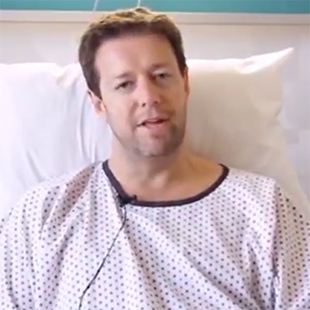
Kevin Stewart from Scotland could barely walk straight due to a Slip Disc. He faced many discomforts for the past…

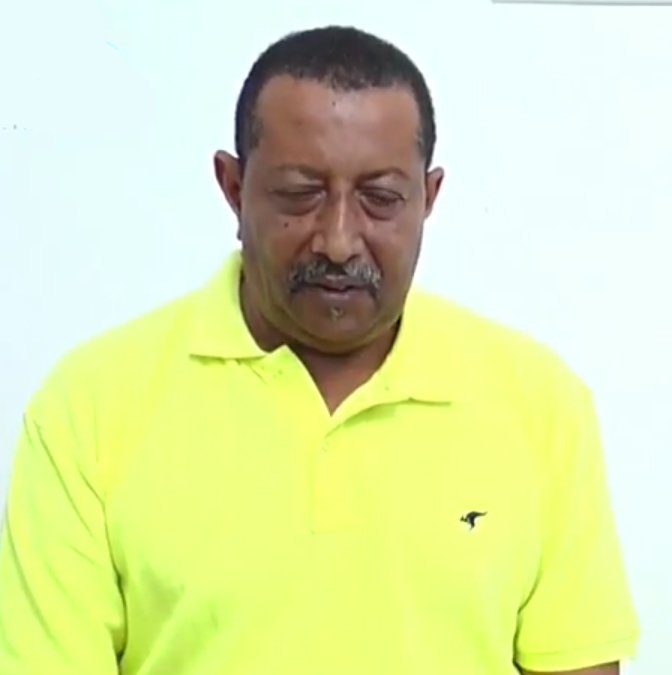
Mr. Muhammed Dumia was suffering from painful left Knee and was in considerable pain for the last 2 months. He…
While depending upon a range of factors, the minimum cost for ORIF in India is USD 4700. ORIF in India is conducted across several NABH, JCI certified hospitals.
Different hospitals have different pricing policy when it comes to the cost of ORIF in India. The top hospitals for ORIF in India covers all the expenses related to the pre-surgery investigations of the candidate. The ORIF procedure in India includes the fees of the surgeon, hospitalization and anesthesia as well. Extended hospital stay, complications after the surgery or new diagnosis may affect the overall cost of ORIF in India.
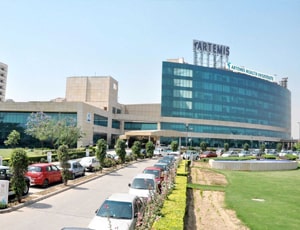
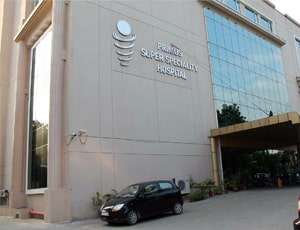
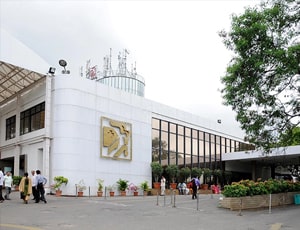
There are many hospitals across the country that offer ORIF to international patients. The following are some of the most renowned hospitals for ORIF in India:
After discharge from the hospital, the patient has to stay for another 14 days in the country for complete recovery. This is important to ensure that the surgery was successful. During this time, control and follow-up tests take place to check for medical fitness.
Apart from the ORIF cost, there are a few other daily charges that the patient may have to pay. These are the charges for daily meals and accommodation outside the hospital. These charges starts from USD 50 per person.
ORIF in India is offered in almost all metropolitan cities, including the following:
There are many ORIF surgeons who offer video telemedicine consultation to patients who need this treatment. Some of them include the following:
| Doctor | Cost | Schedule Your Appointment |
|---|---|---|
| Dr. Sujoy Kumar Bhattacharjee | USD 14 | Schedule Now |
| Dr. Mandeep Singh | USD 18 | Schedule Now |
| Dr. Saif Nabi Shah | USD 13 | Schedule Now |
| Dr. Vibhore Singhal | USD 35 | Schedule Now |
The average duration of stay at the hospital after ORIF is about 2 days for proper care and monitoring. The patient is subjected to several biochemistry and radiological scans to see that everything is okay and the recovery is on track. After making sure that patient is clinically stable, discharge is planned.
The average rating for ORIF hospitals in India is 3.9. Several parameters such as hospital infrastructure, pricing policy, quality of services, politeness of staff etc. contribute to the rating.
There are more than 60 hospitals that offer ORIF in India. The above mentioned hospitals have the required infrastructure and a dedicated unit where patients can be treated. Such hospitals follow all legal protocols and guidelines as specified by the local medical affairs body when it comes to the treatment of international patients.
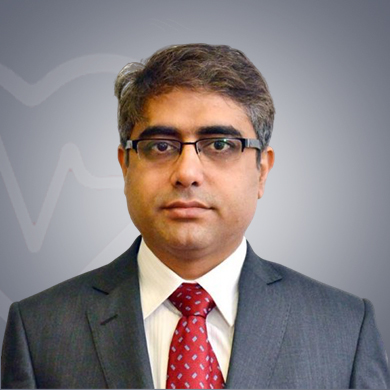
Some of the top medical specialists for ORIF in India are:
Have your reports reviewed by independent oncology experts to help you make a confident treatment decision, all online within 48 hours.
Upload Your Reports