Your Notifications
All done, no notifications

ORIF Cost in Pune

Get a Quote

Affordable World-class Treatment - Accredited Hospitals - Free Treatment Plan in 24 Hrs

2
Days in Hospital
1-3 hrs
Procedure Time
90 - 95%
Success Rate
JCI/ISO 100,000+ Patients 24X7 Coordinator Visa & Travel handled
Your all-in-one medical travel platform for treatment, recovery & care.

Get Your Personalised Treatment Plan in Just 24 Hours.

Share your details to receive a personalised treatment plan, estimated costs, hospital recommendations, and expert guidance, “completely free.”

Required | alphabets and spaces
Required | A valid, working email address
Required | A valid contact

Your information is protected with HIPAA-compliant security standards. We only share your details with hospitals after your consent.

Estimated Treatment Cost
All-inclusive • Hospital + Medications + Recovery Assistance + Dedicated Care Coordinator

International Quality. Affordable Care.
The average cost of ORIF in Pune ranges between available on request.

Cost of ORIF in Major Cities of India

CityCost (USD)
Ahmedabad $2,250 – $5,400 Explore More
Bangalore $2,500 – $6,000 Explore More
Chennai $2,500 – $6,000 Explore More
Delhi $2,500 – $6,000 Explore More
Faridabad $2,500 – $6,000 Explore More
Ghaziabad $2,500 – $6,000 Explore More
Gurgaon $2,500 – $6,000 Explore More
Gurugram $2,500 – $6,000 Explore More
Hyderabad $2,500 – $6,000 Explore More
Kochi $2,500 – $6,000 Explore More
Kolkata $2,500 – $6,000 Explore More
Mohali $2,250 – $5,400 Explore More
Mumbai $2,500 – $6,000 Explore More
Noida $2,500 – $6,000 Explore More
Panjim $2,250 – $5,400 Explore More
Pune $2,250 – $5,400 Explore More
Dr. Vishwas Kaushik
Author

MBBS, MD

7 Years of Experience

Dr. Vishwas Kaushik is a qualified medical professional holding an MBBS from the prestigious Belgorod State University, Russia, with a strong foundation in clinical medicine and healthcare practice. His comprehensive medical training has equipped him with a profound understanding of evidence-based clinical practices, patient-centered care, and the evolving landscape of modern medicine. With a keen interest in medical research and scientific communication, he consistently translates complex clinical concepts into clear, accurate, and accessible content for diverse audiences. His work reflects a deep commitment to advancing medical knowledge, delivering impactful healthcare insights, and bridging the gap between clinical expertise and accessible medical communication.
View More
Dr. Manoj Miglani
Reviewer

Orthopedic Surgeon

22 Years of Experience

Last Reviewed - June 2026

Known for his soft-spoken nature, Dr. Manon Miglani had completed his MBBS from Maulana Azad Medical College and MS (Ortho) for All India Institute of Medical Sciences. Dr. Miglani was awarded AO spine fellowship from Queen’s Medical Center, Nottingham and he also received Stryker fellowship in Arthroplasty from Indraprastha Apollo Hospital. Dr. Manon Miglani has provided his expert services to various hospitals of Delhi and NCR including AIIMS, Indraprastha Apollo, Jaipur Golden hospital, and Artemis hospital Presently, Dr. Manon is the additional director of Fortis, Vasant Kunj and senior consultant at Fortis, Shalimar Bagh.
View More

Need Help Choosing the Right Treatment? Talk to a Medical Advisor

Our dedicated Medical Patient Advisors are here to answer your questions, help you compare treatment options, estimate costs, and guide you through every step of your healthcare journey.

15 min
Average response time

Serving Patients Worldwide in Multiple Languages.

Open reduction and internal fixation (ORIF) is a surgical procedure to stabilize and heal broken bones. This procedure may be necessary to treat a fractured ankle.

The ankle joint is composed of three bones: the tibia (shinbone), the fibula (the smaller bone in the leg), and the talus (a bone in the foot). Various injuries can affect the lower tibia, lower fibula, or talus. You may have a fracture in just one of these bones, or you could have fractures in two or more of them. In some fractures, the bone breaks but the fragments remain properly aligned. In other fractures, the injury causes the bone fragments to shift out of alignment.

Types:

There are two types of ORIF Surgery:

  • Internal Fixation
  • External Fixation

Internal fixation is a surgical method used to reconnect bones, typically involving the use of specialized screws, plates, rods, wires, or nails. The surgeon places These devices inside the bones to ensure they heal correctly and prevent abnormal healing. The procedure is generally performed under general anesthesia.

External fixation involves stabilizing a fracture by inserting pins, screws, and wires into the bone on both sides of the break. These pins are then connected outside the skin using a series of clamps and rods, forming an external frame to hold the bones in place

Who needs ORIF?

ORIF surgery is used to stabilize the broken bones in which could be in any sections of the body. The following are some of the common conditions that are treated with the help of an ORIF surgery:

The bone parts such as the knee, hip, tibia-fibula, humerus, and femur are substantially out of alignment

The bone pieces are piercing out through the skin

The part of the bones in the above-mentioned regions of the body is fractured, resulting in the development of multiple pieces.

The fracture involves a knee joint.

Even after receiving conservative treatment, bone repair does not occur normally.

Open reduction refers to open surgery that aimed to set the bones as may be necessary following a fracture, whereas internal fixation means fixing of plates or screws and intramedullary bone nails in the case of humerus, tibia, or femur bones to facilitate the overall healing process.

Rigid fixation inhibits micromotion between the fracture lines, which not only promotes healing but also avoids additional infection, which can occur when plates such as dynamic compression plates are utilized as implants.

Explore Hospitals ( 1 )

Pune, India

4.5 - 14075 reviews · 600+ Beds · 225+ Procedures
NABH NABL
Chat with a Medical Advisor

Get Your ORIF
Plan in 24 hrs.

Our experienced Medical Patient Advisors have supported 100,000+ patients across 120+ countries with personalised treatment plans, hospital recommendations, cost estimates, and travel assistance, all free.

HIPAA-Compliant Data SecurityShared Only with Your Consent

✓ Free Consultation ✓ No Obligation ✓ Personalized Treatment Plan ✓ Response Within 24 Hours

Required | alphabets and spaces
Required | A valid, working email address
Required | A valid contact

Your medical info is kept HIPAA-style confidential. We never share with hospitals without your consent.

Process Involved for ORIF in Pune

  • Preoperative Stage: Use imaging to determine fracture severity and overall health, then discuss risks, benefits, and recovery expectations.
  • Surgical Stage: Provide anesthetic, execute internal fixation to support the bone, and close the incision.
  • Postoperative Stage: Recover in a hospital or outpatient setting, monitor for challenges and attend follow-up appointments to assess progress and make rehabilitative changes.
  • Follow-Up and Recovery
  • Fractures of long bones
  • Fractures in joints
  • Complex fractures
  • Osteoporotic Fractures
  • Trauma-induced Injuries
  • Individuals with fractures that cannot be treated with a cast alone, particularly misplaced fractures with misaligned bone ends.
  • Patients with severe fractures of joints such as the hip, wrist, or ankle require stabilisation to recover correctly.
  • Individuals who have fractured their bones due to accidents, trauma, or medical disorders such as osteoporosis are potential candidates.
  • Physical Therapy and Rehabilitation
  • Fractures should be stabilised quickly to ensure appropriate healing and prevent additional harm.
  • Restores function in joints or bones, allowing patients to resume normal activities more rapidly.
  • Reduces the need for prolonged immobilisation with a cast, allowing for quicker healing and movement.
  • Reduces the likelihood of problems such as malunion or nonunion (inadequate fracture healing).
  • Orthopedic Surgeon
  • Physiotherapist
  • Fill out the inquiry form: Fill out the form to provide us with the relevant information about your condition.
  • Consult with Our Healthcare Expert: One of our qualified specialists will contact you for a consultation.
  • Receive a Detailed Treatment Plan: After examining your situation, we will provide you with a detailed treatment plan that includes expert views and cost breakdowns for various choices.
  • Choose your preferred option: Choose the treatment option that suits you the best.
Jenny Wilson
Your Dedicated Medical Patient Advisor
Treatment planning • Hospital coordination • Multilingual support • Response within 15 minutes.
Our Services to Better your Experience

Opinion & Option

We submit the most accurate opinion and options from one or more countries for your review

Consult Privately

Consult with a certified specialist privately on our telemedicine platform even before you decide to travel

Logistics

We handle flights, visas, transfers, and accommodation—so you can focus on your health.

Recovery

Our In-house rehabilitation service packages to better your recovery and treatment outcome

Patient Stories

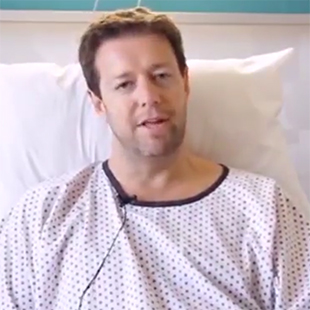
Kevin Stewart
Kevin Stewart
Kevin Stewart: Slip Disc Treatment in UAE

Kevin Stewart from Scotland could barely walk straight due to a Slip Disc. He faced many discomforts for the past…

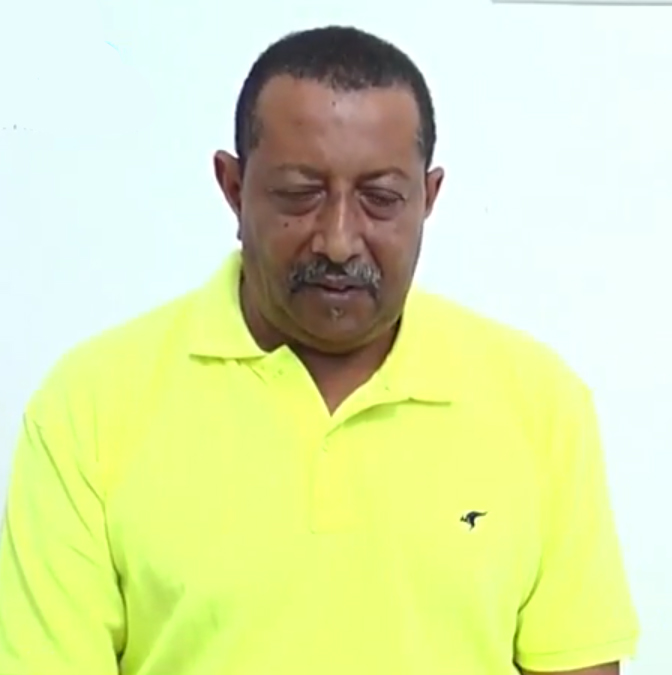
Mr.Mohamed Dumia
Mr.Mohamed Dumia
Mr.Mohamed Dumia: Knee Replacement

Mr. Muhammed Dumia was suffering from painful left Knee and was in considerable pain for the last 2 months. He…

Conditions treated by ORIF

Frequently Asked Questions

The cost of ORIF (Open Reduction and Internal Fixation) in Pune depends on several factors, including the type and location of the fracture, complexity of the surgery, implants used (plates, screws, rods, or nails), hospital charges, surgeon's expertise, diagnostic imaging, anaesthesia, hospital stay, and rehabilitation. Additional expenses may include physiotherapy, medications, follow-up imaging, and treatment of any complications.

Some of the best hospitals in Pune for ORIF include:
  • Ruby Hall Clinic
  • Choose a board-certified orthopaedic surgeon specialising in trauma and fracture management. Consider the surgeon's experience in treating complex fractures, use of minimally invasive fixation techniques, annual surgical volume, patient outcomes, and affiliation with accredited orthopaedic centres.

    ORIF is commonly recommended for displaced fractures, unstable fractures, open fractures, intra-articular (joint) fractures, multiple fractures, and fractures that cannot be properly aligned or stabilised with casting or splinting alone.

    In most cases, the implants remain permanently and do not require removal. However, implant removal may be recommended if they cause pain, irritation, infection, or interfere with movement after the bone has completely healed.

    The timing depends on the location and severity of the fracture. Some patients begin partial weight-bearing within a few weeks, while others require several weeks of protection before full weight-bearing. Your orthopaedic surgeon will provide an individualised rehabilitation plan.

    Yes. Many fractures can be treated using minimally invasive plate osteosynthesis (MIPO) or percutaneous fixation techniques, which involve smaller incisions, reduced soft tissue damage, less blood loss, and faster recovery compared to traditional open surgery.

    If delayed union or non-union occurs, your surgeon may recommend additional treatments such as bone grafting, revision fixation, bone growth stimulation, or biologic therapies to promote healing and restore normal bone function.

    ORIF has a high success rate, with fracture healing achieved in over 90 - 95% of appropriately selected patients. Outcomes depend on the type of fracture, the patient's age, bone quality, associated injuries, overall health, and adherence to rehabilitation protocols.

    Leading orthopaedic centres may offer:
  • Open Reduction and Internal Fixation (ORIF)
  • Locking compression plates
  • Intramedullary nailing
  • Cannulated screw fixation
  • Titanium and stainless-steel implants
  • Minimally invasive plate osteosynthesis (MIPO)
  • Computer-assisted surgical planning
  • Intraoperative fluoroscopy (C-arm imaging)
  • 3D CT-based fracture assessment
  • Bone grafting and bone substitutes (when required)
  • Enhanced Recovery After Surgery (ERAS) protocols
  • Potential risks include infection, bleeding, delayed bone healing, non-union, malunion, implant failure, nerve or blood vessel injury, stiffness, blood clots, compartment syndrome, persistent pain, and anaesthesia-related complications. Early rehabilitation and regular follow-up help minimise these risks.

    Patients should undergo X-rays, CT or MRI scans (if required), blood investigations, cardiac evaluation (when indicated), and physician clearance before travelling. Bringing previous imaging, controlling chronic medical conditions, and stopping certain medications under medical guidance can improve surgical outcomes.

    Yes. Most orthopaedic centres offer virtual consultations where surgeons review X-rays, CT scans, MRI reports, and medical history to determine whether ORIF is appropriate and prepare a personalised treatment plan before travel.

    Patients should carry:
  • Passport and medical visa
  • X-rays, CT scans, or MRI images
  • Previous orthopaedic treatment records
  • Blood test reports
  • Current medication list
  • Allergy information
  • Referral letters
  • Insurance documents (if applicable)
  • Most international patients should plan to stay for approximately 2-4 weeks, allowing time for pre-operative evaluation, surgery, hospital recovery, wound assessment, and initial rehabilitation before returning home.

    Recovery varies depending on the fracture site and severity. Most fractures heal within 6-12 weeks, while complete recovery, including strength and mobility, may take 3-6 months or longer. Physiotherapy is essential for optimal recovery.

    Patients are closely monitored by orthopaedic specialists. Complications such as infection, implant loosening, delayed healing, or joint stiffness are managed through medications, physiotherapy, revision surgery, or additional procedures if necessary.

    International patients can upload their medical reports through the MediGence website in Pune. The MediGence care team will arrange consultations with experienced orthopaedic surgeons, recommend suitable hospitals, provide personalised treatment plans and cost estimates, and assist with medical visas, travel arrangements, accommodation, airport transfers, interpreter services, and complete treatment coordination.

    Many countries offer internationally accredited orthopaedic centres equipped with advanced trauma care units, experienced fracture surgeons, modern implant technology, comprehensive rehabilitation programs, and dedicated international patient services, ensuring excellent clinical outcomes at competitive costs.

    Treatment options may include:
  • Plate and screw fixation
  • Intramedullary nailing
  • Cannulated screw fixation
  • Locking plate fixation
  • External fixation (temporary or definitive)
  • Percutaneous fixation techniques
  • Bone grafting procedures
  • Revision fracture fixation
  • Minimally invasive fracture surgery
  • Post-operative physiotherapy and rehabilitation
  • FAQ's Related to India

    Pune has the best healthcare infrastructure in India, with 3.5 hospital beds for every 1,000 residents. Pune is quickly growing as a key location for quality healthcare in the country, with over 550 facilities offering good tertiary care. The healthcare industry includes a wide range of services, including hospitals, medical gadgets, and health insurance. Pune's healthcare sector is quickly expanding, with a large network of highly skilled and experienced doctors. The city has one of the best infrastructure and technologically advanced equipment in comparison to global facilities. The private healthcare sector in the city is growing at an alarmingly good pace. A city is a popular place among medical tourists for availing their treatment in all medical areas such as women's health, pediatrics, cardiology, orthopedics, neurology, etc. Modern medical technologies and equipment are available in the city.

    The hospitals in Pune deliver quality care and treatment. They are internationally recognized and accredited by healthcare organizations like JCI and ISO. Some of the top hospitals in the city include:

    1. Jehangir Hospital, Sasson Road: This hospital is a historic landmark that was founded in 1946. It was the city's first private hospital and is well-known for its scientific expertise. Jehangir Hospital has traditionally been a vital source of medical care for the residents of Pune. The hospital was expanded to accommodate 325 clinics in 2002.
    2. Ruby Hall Hospital, Sasson Road: This is one of Pune's most prominent private hospitals. Ruby Hall Clinic contains around 550 patient beds and 130 intensive-care beds, with a staff of 150 consultants, 500-panel doctors, and 1,400 personnel. The hospital currently has three cardiac cath laboratories and two linear accelerators.
    3. KEM Hospital, Rasta Peth: KEM Hospital in Pune is the city's largest non-government hospital. The KEM Medical Society operates a 550-capital hospital with about five operating theatres and tertiary-level colleges that serve not only the city's population but also a significant population from surrounding rural and urban areas and international patients.

    The doctors in Pune play a vital role in delivering top-level healthcare services focusing on each patient’s needs. Some of the top doctors in the city include:

    1. Dr. Rahul Mohanrao Bhadgale: He is an aesthetic surgeon who practices in Shivajinagar. Dr. Bhadgale has an experience of over 12 years in delivering excellent care to patients in the area.
    2. Dr. Chanchal Gadodiya: Dr. Gododiya is an opthalmologist with over 9 years of experience in the field. She has treated a variety of patients dealing with eye problems and has a good reputation in the medical fraternity.
    3. Dr.Gulhane Parag Vijay: Dr. Parag is an experienced Urologist with over 15 years of experience in the clinical setting. He is one of the most sought after doctors in Pune.

    Pune is an easily reachable city by train, bus, and flight. The nearest airport to Pune is Chhatrapati Shivaji International Airport from where you can travel to the city by bus or cab. If you are planning to undergo treatment here, MediGence can assist you in planning your medical travel.

    Not Sure About Your Treatment Plan? Get a Second Opinion

    Get your medical reports reviewed by experienced doctors to help you make a confident treatment decision, all online within 48 hours.

    Upload Your Reports
    Free second opinion on your CAR-T plan