Your Notifications
All done, no notifications

Disc Replacement ( Cervical /Lumber) Cost in Malaysia

Costs starts from USD13000 to USD19000
Filters

How Much Does Disc Replacement ( Cervical /Lumber) Cost in Malaysia?

The cost of Disc Replacement ( Cervical /Lumber) in Malaysia is USD 13000 - USD 19000

Additionally, factors like the duration of treatment, the need for follow-up care, and the use of advanced technologies or specialized treatments can further influence the overall cost.

Factors Influencing the Cost of Disc Replacement (Cervical/Lumber):

All cervical or lumbar disc replacement operations are performed when the patient has chronic pain or functional limitation caused by degenerative disc disease or any other spinal disorders. These procedures include the removal of a worn out or worn intervertebral disc and the replacement of it with an artificial disc.

Anterior lumbar disc replacement is of great importance to those patients suffering from disc-related chronic pain and dysfunction. Still, every patient is an individual, and therefore the consideration for undertaking such surgery depends on the severity of the diagnosis of the patient.

Any person who is planning for the procedure should consult a spine surgeon or an orthopedic specialist who will assess the suitability of the person for the procedure as well as recommend the most appropriate step toward treating the ailment.

Cost of Disc Replacement ( Cervical /Lumber) in Major Cities of Malaysia

CityMinimum Cost (USD)Minimum Cost (MYR)Maximum Cost (USD)Maximum Cost (MYR)
Kuala LumpurUSD 1300055120USD 1900080560

Disc Replacement ( Cervical /Lumber) Cost : A Global Comparison

CountryMinimum CostMinimum Local CurrencyMaximum CostMaximum Local Currency
Czechiaget request
HungaryUSD 6000HUF 2142480USD 25000HUF 8927000
IndiaUSD 7000INR 599480USD 9000INR 770760
IsraelUSD 15000ILS 53100USD 30000ILS 106200
LithuaniaUSD 6500LTL 22235USD 13000LTL 44469
MalaysiaUSD 13000MYR 55120USD 19000MYR 80560
MoroccoUSD 5000MAD 46150USD 15000MAD 138450
PolandUSD 11830PLN 44481USD 12640PLN 47526
Saudi ArabiaUSD 10000SAR 37500USD 20000SAR 75000
SingaporeUSD 50000SGD 64500USD 75000SGD 96750
South AfricaUSD 6569ZAR 118045USD 10187ZAR 183060
South KoreaUSD 15000KRW 20639700USD 30000KRW 41279400
SpainUSD 23610ESP 3471612USD 26320ESP 3870090
SwitzerlandUSD 30000CHF 24900USD 50000CHF 41500
ThailandUSD 15000THB 490650USD 20000THB 654200
TunisiaUSD 5000TND 14900USD 10000TND 29800
TurkeyUSD 14000TRY 546840USD 25000TRY 976500
United Arab EmiratesUSD 30000AED 110100USD 45000AED 165150
United KingdomUSD 7400GBP 5476USD 8800GBP 6512

Need Help Planning Your Treatment Abroad?

Your 24/7 AI Health Assistant

Disc replacement surgery involves removing the damaged disc tissue and implanting an artificial disc. This procedure can be performed in the cervical (neck) and lumbar (lower back) regions. The artificial disc maintains the spine's natural motion while securely attaching to the surrounding vertebral bones.

Although total disc replacement is a newer procedure and is performed less frequently than traditional spinal decompression and fusion surgeries, it is becoming increasingly popular. This is due to its ability to preserve spinal motion while effectively treating neck or back pain. Additionally, as more long-term outcome studies demonstrate its effectiveness, the procedure continues to gain acceptance.

The following are the conditions that lead to the need for a disc replacement surgery:

  • Discitis (Inflammation of the intervertebral disc)
  • Scoliosis (abnormal spinal curve laterally)
  • A herniated disc in the back (slipping of the cartilaginous disc into surrounding tissue)
  • Disc degeneration and disc rupture (infection of the intervertebral disc causing its degeneration.
  • myelopathy

Who is the best candidate for spinal disc replacement surgery?

The best candidates for spinal disc replacement surgery are patients with diseased discs in the cervical or lumbar spine who still have good spinal motion and minimal or no arthritis. One of the primary goals of this surgery is to preserve spinal motion. According to research from HSS, patients with greater disc height may be better suited for this procedure than those with less disc height.

Disc replacement surgery treats persistent neck or back discomfort caused by a damaged spinal disc. Usually done when medical treatments are ineffective, it aids in restoring normal spine movement.

You should consult a doctor about disc replacement surgery if you experience chronic neck or back discomfort that doesn't go away with rest, medicine, or physical therapy. Other warning signs include numbness, tingling, or weakness in your arms or legs, which may indicate nerve compression.

Your surgeon will examine your medical history, conduct a physical examination, and ask for imaging tests such as MRIs or X-rays prior to cervical disc replacement surgery. Your doctor might change your prescriptions, and if you smoke, they might suggest you to quit smoking. Additionally, you will receive information about the procedure's risks side effects, and preparation for the procedure.

The surgeon makes an incision in the front of your neck while you are under general anesthesia for cervical disc replacement. They remove the damaged disc and replace it with an artificial one under imaging guidance.The incision is then closed after repositioning surrounding structures like the trachea and esophagus.

It usually takes 1-2 hours to do cervical disc replacement surgery, depending on the case's complexity and whether more than one disc needs to be replaced.

Short-term complications:
  • Wound Infection
  • Difficulty swallowing
  • Hoarseness
  • Sore throat
Long-term complications:
  • Adjacent segment degeneration
  • Artificial disc failure
  • Abnormal bone growth (heterotopic ossification)
  • Additional Surgery may be needed in future

Numerous studies demonstrate that many people experience significant short—and long-term reductions in pain following cervical disk replacement surgery. It can also help maintain the range of motion in your neck.

It may take up to 6 months to fully recover following cervical disc replacement. The majority resume everyday activities in two days, light activities after 2-3 weeks, and complete non-contact activities in 4-6 weeks. Your surgeon will give you a customised schedule and set of activity limitations.

Disc replacement surgery generally has a good success rate, ranging from 70% to 90%, especially for the lumbar spine. The success rate of cervical disc replacement surgery is high, around 90%.

Top Selling Packages for Disc Replacement ( Cervical /Lumber)

Disc Replacement (Cervical /Lumbar)

Yatharth hospital, Delhi / NCR, India

USD 5600 USD 6200

Disc Replacement ( Cervical /Lumber)

Hisar Intercontinental Hospital, Istanbul, Turkey

USD 7000 USD 7500

Would you like some help? We are available.

Get Help
Explore Hospitals ( 6 )
Disc Replacement ( Cervical /Lumber) in Prince Court Medical Centre: Costs, Top Doctors, and Reviews

Kuala Lumpur, Malaysia

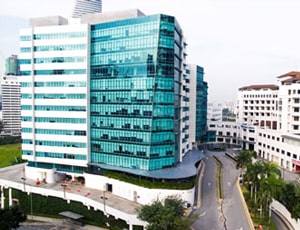
Prince Court is a private medical facility in the center of Kuala Lumpur that has 277 individual beds. Our dedication is to provide you with the best treatment possible from the time you arrive until you depart, healthier and happier. We are well-known for our top-notch facilities, cutting-edge technology, and friendly customer service.

Disc Replacement ( Cervical /Lumber) in Sunway Medical Centre: Costs, Top Doctors, and Reviews

Kuala Lumpur, Malaysia

  • The Australian Council on Healthcare Standards (ACHS)

Sunway Medical Centre has initiated a comprehensive expansion plan close to its current hospital facility to enhance its ability to provide services to the global market. The new Cancer Radiosurgery Center and Nuclear Medicine Center, which will also house additional Centers of Excellence like the Digestive Health Center and Dialysis Center, marked the completion of Tower C's first phase in October 2016.

Disc Replacement ( Cervical /Lumber) in ParkCity Medical Centre: Costs, Top Doctors, and Reviews

Kuala Lumpur, Malaysia

  • Joint Commission International, or JCI

In Kuala Lumpur, Malaysia, ParkCity Medical Centre is a 300-bed, cutting-edge, interdisciplinary private hospital that provides award-winning private healthcare in an environment of lush vegetation.

Disc Replacement ( Cervical /Lumber) in Subang Jaya Medical Centre: Costs, Top Doctors, and Reviews

Kuala Lumpur, Malaysia

  • Joint Commission International, or JCI

Subang Jaya Medical Center is renowned for pioneering radiation oncology treatments and infrastructure in Malaysia. The hospital also has a state-of-the-art Cancer Radiosurgery Centre (CRC), which is fully furnished with the latest medical technology for cancer detection, monitoring, and treatment.

Disc Replacement ( Cervical /Lumber) in Ara Damansara Medical Centre: Costs, Top Doctors, and Reviews

Kuala Lumpur, Malaysia

  • Joint Commission International, or JCI

Situated at the junction of Petaling Jaya and Shah Alam, close to the Oasis Ara, Ara Damansara Medical Centre boasts a serene, luxurious ambiance.

The Centre has been awarded several prestigious awards such as the Global Health Asia Pacific Awards 2023, Newsweek Best Specialized Hospital APAC 2023, Healthcare Asia Awards 2023, and Malaysian Healthcare Wellness Excellence.

Disc Replacement ( Cervical /Lumber) in Bukit Tinggi Medical Centre: Costs, Top Doctors, and Reviews

Kuala Lumpur, Malaysia

As a tertiary care hospital, Bukit Tinggi Medical Centre (BTMC) is committed to providing high-quality, reasonably priced healthcare.

With a focus on patient care and a team of committed medical professionals and personnel, we want to realize our ambition of becoming Klang's go-to healthcare provider. Orthopedics, neurosurgery, cardiac surgery, obstetrics and gynecology, pediatrics and rehabilitation, aesthetic surgery, and other specialties are all part of our multidisciplinary team approach. Additionally, BTMC has a Health Screening Center that provides a range of health packages to meet the requirements of diverse patient types.

Need Some Advice From Our Experts?

Request a Call Back Now!

Our team of healthcare experts would be happy to assist you

trusted Patientstrusted Patients+99
Trusted by 50000+ Patients
Required | alphabets and spaces
Required | A valid, working email address
Required | A valid contact

Process Involved for Disc Replacement ( Cervical /Lumber) in Malaysia

  • Consultation with a specialist: A spine surgeon assesses the patient's symptoms, medical history, and imaging data.
  • Preoperative testing and imaging: Detailed imaging studies determine the degree of disc degeneration, the extent of injury, and the level of intervention required.
  • Personalised Treatment Plan: Discuss surgery options, such as the type of artificial disc, anesthetic, and aftercare.
  • Surgical Procedure: The injured disc is removed, and an artificial disc is inserted to preserve spinal motion.
  • Postoperative Care: Recovery involves pain treatment, rehabilitation (physical therapy), and regular check-ups to measure healing and spinal function.
  • Degenerative Disc Disease (Cervical/Lumbar)
  • Herniated Discs
  • Spinal Stenosis
  • Chronic Neck or Lower Back Pain
  • Failed Back Surgery Syndrome
  • Spinal Instability
  • Individuals suffering from chronic neck or lower back discomfort caused by degenerative disc disease, herniated discs, or disc degeneration.
  • Patients who have not responded to conventional treatments, including physical therapy, medicines, or injections.
  • Candidates with a single-level disc issue (in most cases) that impairs their quality of life and causes substantial discomfort.
  • Individuals who are candidates for spinal fusion but prefer to retain natural motion in the spine.
  • Cervical Disc Implants
  • Lumbar Disc Implants
  • Artificial Disc
  • Spinal Fusion (if disc replacement is not suitable)
  • Physiotherapy
  • Spinal Decompression
  • Pain Management Injections
  • Laminectomy
  • Reduces chronic pain and nerve pressure, enhancing mobility and quality of life.
  • Compared to spinal fusion, which might reduce flexibility, this method maintains motion in the spine.
  • Shorter recovery period and lower risk of neighboring segment degeneration (compared to fusion).
  • Improves overall spinal function, allowing patients to resume normal activities more rapidly.
  • Long-term relief and enhanced spinal stability.
  • Orthopedic surgeon
  • Neurosurgeon
  • Physical Therapist
  • Fill out the inquiry form: Fill out the form to provide us with the relevant information about your condition.
  • Consult with Our Healthcare Expert: One of our qualified specialists will contact you for a consultation.
  • Receive a Detailed Treatment Plan: After examining your situation, we will provide you with a detailed treatment plan that includes expert views and cost breakdowns for various choices.
  • Choose your preferred option: Choose the treatment option that suits you the best.

Instantly Connect with our Disc Replacement ( Cervical /Lumber) Specialists

Doctor 1
Doctor 2
Doctor 3
Doctor 4
Doctor 5
Doctor 6
Doctor 7
Doctor 8
Our Services to Better your Experience

Opinion & Option

We submit the most accurate opinion and options from one or more countries for your review

Consult Privately

Consult with a certified specialist privately on our telemedicine platform even before you decide to travel

Logistics

We handle flights, visas, transfers, and accommodation—so you can focus on your health.

Recovery

Our In-house rehabilitation service packages to better your recovery and treatment outcome

Other Popular Countries for Disc Replacement ( Cervical /Lumber)

Our network connects you with the leading medical tourism destinations globally, offering a wide range of cities, top doctors, and flexible pricing options.

Italy
Vietnam
Thailand
Spain

Frequently Asked Questions

A. Disc Replacement (Cervical /Lumber) in Malaysia is offered by multiple hospitals across the country including the following:

  1. Parkway Pantai
  2. Subang Jaya Medical Centre
  3. Ara Damansara Medical Centre
  4. ParkCity Medical Centre
  5. Bukit Tinggi Medical Centre
  6. Prince Court Medical Centre
  7. Sunway Medical Centre

A. After Disc Replacement (Cervical /Lumber) in Malaysia, the patient has to relax and rest for another 21 days. This period is important to conduct all the follow-up tests to ensure that the surgery was successful and the patient can go back to the home country.

A. Apart from the Disc Replacement (Cervical /Lumber) cost, the patient may have to pay for additional daily expenses such as for the guest house after discharge and meals. The per day extra expenses in Malaysia per person are about USD 100 per person.

A. Some of the popular cities in Malaysia that offer Disc Replacement (Cervical /Lumber) include the following:

  • Kuala Lumpur
  • Subang Jaya
  • Shah Alam
  • Port Klang

A. The patient has to spend about 3 days or more in the hospital after Disc Replacement (Cervical /Lumber) for proper recovery and to get clearance for discharge. This phase is important to ensure that the patient is recovering well and is clinically stable. During this time, several tests are performed before the patient is deemed suitable for discharge.

A. There are more than 1 hospitals that offer Disc Replacement (Cervical /Lumber) in Malaysia. The above-listed hospitals are approved to perform the surgery and have the proper infrastructure to handle such patients. Additionally, these hospitals are known to comply with international standards as well as local legal requirements for the treatment of patients.

A. Some of the top medical specialists for Disc Replacement (Cervical /Lumber) in Malaysia are:

  1. Dr. John George

Single-level disc replacement surgery is a surgical operation that involves the replacement of a single disc in the spinal column with an artificial disc. This surgery is always done in the lumbar or cervical regions of the spine, although other regions may also be involved.

The goal is to relieve pain, enhance flexibility, and restore activities as much as possible in getting a patient back to their regular activities, by removing the damaged disc and placing an artificial disc that has a similar natural motion as that of the spine. This procedure is preferable over spinal fusion since it keeps the spine mobile and hence has its normal range of motion.

A. The main distinguishing factor between disc replacement and spinal fusion is the purpose and the result of the operation. Lumbar disc replacement is an operation in which the worn disc is taken out and replaced with an artificial one that does not alter the spine’s normal movement. Instead, spinal fusion includes joining two or more vertebrae, and therefore, the movements between these vertebrae become impossible to achieve as a way of stopping the pain. It is crucial to understand that while fusion can achieve stability no movement is possible in the region in question. Disc replacement allows motion, while fusion obliterates it.

A. The recovery period may also differ with each person but a normal person should expect to take about 6 weeks to 3 months to recover fully after a single-level disc replacement surgery. The recovery period may take anything from 6 months to 1 year so the spine can stabilize around the new disc while muscles are built up again. Physiotherapy and rehabilitation are usual since most patients will need to rebuild their strength, flexibility and often their mobility.

A. Basically, disc replacement surgery is very safe and this is especially so if it is done by an experienced surgeon. As with any surgery, there are some risks involved and these are infection, formation of blood clots, nerve injury, and post-operative complications from the anesthesia used. Nevertheless, the global complication rate remains low and numerous patients report considerable pain reduction and increased range of motion after the surgery.

A. that range between 80 and 90 percent. The aim of treatment is based on the keys that can be defined as success: reduction of pain, increase of the quality of function in the patient’s life, as well as satisfaction. Most patients get significant benefits from the treatment, including relief of lower back or neck pain and the ability to move again freely.

A. While disc replacement surgery is generally safe, there are some risks, including:

  • Infection at the area where the operation took place
  • Damage of the nerve or other structures in the vicinity
  • Medical issues related to implants, for example, the artificial disc may become loose or dislocated
  • Thromboembolic events or bleeding
  • Sore throat or dysphagia or hoarseness of voice when cervical disc replacement technique is used.
  • The pain may not be completely solved during the operation or any other time, there may be little pain felt though not negligible.

A. Arthroplasty or disc replacement surgery has achieved significant success in treating chronic back or neck pain due to disc degeneration, herniated discs, or disc-related disorders. A new study reveals that patients suffering from different pains are relieved, mobility improved, and quality of life enhanced after the surgery. However its availability can vary depending on the state of the patient’s health, the degree of lesion of the discs, and when the surgery is carried out in relation to the development of the disease.

A. Alternatives to disc replacement surgery include:

  • Conservative treatments: Doctors prescribe exercises, pain relievers, nonsteroidal anti-inflammatory drugs, and epidural steroid injections for treatment.
  • Spinal fusion surgery: This one involves joining the vertebrae so that they cannot move, thus causing less pain.
  • Minimally invasive spine surgery: Others like microdiscectomy or even laser spine surgery might be available for specific clients especially those with slip discs.

A. Artificial discs utilized in disc replacement surgery are intended to last for years. As for the lifespan, on average, it can be from 15 to 20 years or more. Nonetheless, the endurance of the implant will consequently vary depending on the frequency of the patient’s activities, the type and quality of the implant, and if the spine experiences any stress or impact respectively at a later stage in life.

A. Post single-level disc replacement surgery the patient will undergo a period of bed rest and activity restriction that may take a few weeks. Slight to moderate pain and discomfort are observed and expected within the first days postoperatively but they should resolve gradually. Patients will slowly be taken through each process to ease them back into daily activities usually through the use of a walking stick and other mild exercises.

If medicine has no effect, then physical therapy is usually advised to enhance strength, flexibility, and range of motion. Despite most patients achieving considerable pain relief as well as functional improvement, healing may take several months and patients will have to attend specialized follow-up visits regularly for assessment of implant function.

Author

Dr. Vihan Gautam

BPT, MS in Healthcare Mgmt

3 Years of Experience

Dr. Vihan Gautam is a distinguished Rehabilitation Specialist and Healthcare Management Professional, holding a Bachelor of Physiotherapy (BPT) from Rajiv Gandhi University of Health Sciences and a Master of Science in Healthcare Management (MSc) from the prestigious University of London, United Kingdom. With specialized clinical experience and his advanced medical knowledge in neuro-rehabilitation, musculoskeletal disorders, and evidence-based physiotherapy practices, enables him to develop patient-centered rehabilitation protocols and AI-driven care models that deliver measurable functional recovery outcomes. His diverse contributions across international rehabilitation programs, multidisciplinary care, and AI-driven healthcare initiatives uniquely position him as an emerging leader in neuro-rehabilitative care globally. . View More

Reviewer

Dr. Manoj Miglani

Orthopedic Surgeon

22 Years of Experience

Known for his soft-spoken nature, Dr. Manon Miglani had completed his MBBS from Maulana Azad Medical College and MS (Ortho) for All India Institute of Medical Sciences. Dr. Miglani was awarded AO spine fellowship from Queen’s Medical Center, Nottingham and he also received Stryker fellowship in Arthroplasty from Indraprastha Apollo Hospital. Dr. Manon Miglani has provided his expert services to various hospitals of Delhi and NCR including AIIMS, Indraprastha Apollo, Jaipur Golden hospital, and Artemis hospital Presently, Dr. Manon is the additional director of Fortis, Vasant Kunj and senior consultant at Fortis, Shalimar Bagh. View More