Your Notifications
All done, no notifications

Disc Replacement ( Cervical /Lumber) Cost in India

USD 7000 - USD 9000

Affordable World-class Treatment - Accredited Hospitals - Free Treatment Plan in 24 Hrs

2
Days in Hospital
19
Post-Hospital
70 - 90%
Success Rate
Disc Replacement ( Cervical /Lumber) - Causes, Symptoms and Recovery
JCI/ISO 100,000+ Patients 24X7 Coordinator Visa & Travel handled
Your all-in-one medical travel platform for treatment, recovery & care.

Get Your Personalised Treatment Plan in Just 24 Hours.

Share your details to receive a personalised treatment plan, estimated costs, hospital recommendations, and expert guidance, “completely free.”

Required | alphabets and spaces
Required | A valid, working email address
Required | A valid contact
Connect with an Expert

Your information is protected with HIPAA-compliant security standards. We only share your details with hospitals after your consent.

Estimated Treatment Cost
USD 7000 - USD 9000
All-inclusive • Hospital + Medications + Recovery Assistance + Dedicated Care Coordinator

International Quality. Affordable Care.

How Much Does Disc Replacement (Cervical/Lumber) Cost in India?

The cost of Disc Replacement (Cervical/Lumber) in India typically ranges between USD 7000 - USD 9000. However, this cost can vary depending on several factors, including the type and severity of the condition, treatment techniques chosen, the healthcare facility's location and reputation, the treating professionals' experience and specialization, and the patient's overall health status.

Additionally, factors like the duration of treatment, the need for follow-up care, and the use of advanced technologies or specialized treatments can further influence the overall cost.

Factors Influencing the Cost of Disc Replacement (Cervical/Lumber):

  • Type of Treatment: Traditional Disc Replacement (Artificial Disc), Minimally Invasive Disc Replacement, Hybrid Procedure (Disc Replacement + Fusion)
  • Hospital and Location: This is equivocal because of the increased overhead cost that accompanies operations in large cities or urban areas compared to the countryside. It often costs more to stay in a private hospital or clinic.
  • Surgeon’s Expertise: Very experienced or specialized surgeons, particularly those acknowledged as regional or international experts, may well be more expensive than the average.
  • Pre-treatment tests: clinical investigations, mainly including imaging studies, blood tests, endoscopic examinations, and heart, lung, and kidney function tests. The performance of these tests enables the assessment of the general well-being of the patient and the possibility of surgery. These tests include X-ray, MRI, and CT.
  • Post-Surgical Care: In addition to the price, the costs of aftercare, such as hospitalization, physiotherapy, anesthesia and pain medication, follow-up visits, and possible complications, will also be included.
  • Length of Hospital Stay: Complex surgeries or complications may increase hospitalization costs.

All cervical or lumbar disc replacement operations are performed when the patient has chronic pain or functional limitation caused by degenerative disc disease or any other spinal disorders. These procedures include the removal of a worn out or worn intervertebral disc and the replacement of it with an artificial disc.

Anterior lumbar disc replacement is of great importance to those patients suffering from disc-related chronic pain and dysfunction. Still, every patient is an individual, and therefore the consideration for undertaking such surgery depends on the severity of the diagnosis of the patient.

Any person who is planning for the procedure should consult a spine surgeon or an orthopedic specialist who will assess the suitability of the person for the procedure as well as recommend the most appropriate step toward treating the ailment.

What's included in your Disc Replacement ( Cervical /Lumber) quote?

Disc Replacement (Cervical/Lumbar)
Surgical replacement of a damaged spinal disc with an artificial disc to relieve pain and preserve motion
Spine surgeon consultation
Pre-surgery evaluation, treatment planning, and follow-up consultations
Hospital stay & supportive care
Surgery, anaesthesia, nursing care, and recovery monitoring
Follow-up monitoring
X-rays, rehabilitation guidance, and routine follow-up visits
Visa & medical-visa invite letter
Airport pickup & transfers

Cost of Disc Replacement ( Cervical /Lumber) in Major Cities of India

City Cost (USD)
Ahmedabad $6,300 – $8,100 Explore More
Bangalore $7,000 – $9,000 Explore More
Chennai $7,000 – $9,000 Explore More
Delhi $7,000 – $9,000 Explore More
Delhi / NCR $5,600 – $7,200 Explore More
Faridabad $7,000 – $9,000 Explore More
Ghaziabad $7,000 – $9,000 Explore More
Gurgaon $7,000 – $9,000 Explore More
Gurugram $7,000 – $9,000 Explore More
Hyderabad $7,000 – $9,000 Explore More
Kochi $7,000 – $9,000 Explore More
Kolkata $7,000 – $9,000 Explore More
Mohali $6,300 – $8,100 Explore More
Mumbai $7,000 – $9,000 Explore More
Noida $7,000 – $9,000 Explore More
Panjim $6,300 – $8,100 Explore More
Pune $6,300 – $8,100 Explore More

Disc Replacement One Level - India Vs the World

$0 - $0
$6k - $12k
$7k - $9k
$10k - $20k
$13k - $19k
$14k - $26k
$14k - $25k
$15k - $30k
$15k - $30k
$15k - $20k
$24k - $26k
$50k - $75k
Dr. Shagufta Parveen
Author

Doctor of Pharmacy

3 Years of Experience

Last Reviewed - June 2026

Dr. Shagufta Parveen is a Clinical researcher and medical writer with expertise in clinical pharmacology and pharmacotherapeutics. She holds a B.Pharm and Doctor of Pharmacy (Post-Baccalaureate) degree from Teerthanker Mahaveer University, Moradabad.

During her clinical stint at BLK-Max Super Speciality Hospital and Indraprastha Apollo Hospital, she gained hands-on experience in the Clinical Pharmacology Department. Combining scientific knowledge with strong medical writing skills, Dr. Shagufta develops evidence-based healthcare content, treatment guides, and patient education resources.

Her work focuses on simplifying complex medical concepts while maintaining scientific accuracy, helping readers better understand healthcare advancements and treatment options.

In addition to her writing expertise, she is actively involved in scientific research and has contributed to peer-reviewed publications.

Her research work is accessible through the following links:

https://scholar.google.com/citations?user=lMVK1eIAAAAJ&hl=en

https://carcinogenesis.com/index.php/JOC/article/view/870

https://carcinogenesis.com/index.php/JOC/article/view/868

https://wjpsronline.com/abstract/0000000760

View More
Dr. Manoj Miglani
Reviewer

Orthopedic Surgeon

22 Years of Experience

Last Reviewed - June 2026

Known for his soft-spoken nature, Dr. Manon Miglani had completed his MBBS from Maulana Azad Medical College and MS (Ortho) for All India Institute of Medical Sciences. Dr. Miglani was awarded AO spine fellowship from Queen’s Medical Center, Nottingham and he also received Stryker fellowship in Arthroplasty from Indraprastha Apollo Hospital. Dr. Manon Miglani has provided his expert services to various hospitals of Delhi and NCR including AIIMS, Indraprastha Apollo, Jaipur Golden hospital, and Artemis hospital Presently, Dr. Manon is the additional director of Fortis, Vasant Kunj and senior consultant at Fortis, Shalimar Bagh.
View More

Need Help Choosing the Right Treatment? Talk to a Medical Advisor

Our dedicated Medical Patient Advisors are here to answer your questions, help you compare treatment options, estimate costs, and guide you through every step of your healthcare journey.

15 min
Average response time

Serving Patients Worldwide in Multiple Languages.

Disc replacement surgery involves removing the damaged disc tissue and implanting an artificial disc. This procedure can be performed in the cervical (neck) and lumbar (lower back) regions. The artificial disc maintains the spine's natural motion while securely attaching to the surrounding vertebral bones.

Although total disc replacement is a newer procedure and is performed less frequently than traditional spinal decompression and fusion surgeries, it is becoming increasingly popular. This is due to its ability to preserve spinal motion while effectively treating neck or back pain. Additionally, as more long-term outcome studies demonstrate its effectiveness, the procedure continues to gain acceptance.

The following are the conditions that lead to the need for a disc replacement surgery:

  • Discitis (Inflammation of the intervertebral disc)
  • Scoliosis (abnormal spinal curve laterally)
  • A herniated disc in the back (slipping of the cartilaginous disc into surrounding tissue)
  • Disc degeneration and disc rupture (infection of the intervertebral disc causing its degeneration.
  • myelopathy

Who is the best candidate for spinal disc replacement surgery?

The best candidates for spinal disc replacement surgery are patients with diseased discs in the cervical or lumbar spine who still have good spinal motion and minimal or no arthritis. One of the primary goals of this surgery is to preserve spinal motion. According to research from HSS, patients with greater disc height may be better suited for this procedure than those with less disc height.

Disc replacement surgery treats persistent neck or back discomfort caused by a damaged spinal disc. Usually done when medical treatments are ineffective, it aids in restoring normal spine movement.

You should consult a doctor about disc replacement surgery if you experience chronic neck or back discomfort that doesn't go away with rest, medicine, or physical therapy. Other warning signs include numbness, tingling, or weakness in your arms or legs, which may indicate nerve compression.

Your surgeon will examine your medical history, conduct a physical examination, and ask for imaging tests such as MRIs or X-rays prior to cervical disc replacement surgery. Your doctor might change your prescriptions, and if you smoke, they might suggest you to quit smoking. Additionally, you will receive information about the procedure's risks side effects, and preparation for the procedure.

The surgeon makes an incision in the front of your neck while you are under general anesthesia for cervical disc replacement. They remove the damaged disc and replace it with an artificial one under imaging guidance.The incision is then closed after repositioning surrounding structures like the trachea and esophagus.

It usually takes 1-2 hours to do cervical disc replacement surgery, depending on the case's complexity and whether more than one disc needs to be replaced.

Short-term complications:

  • Wound Infection
  • Difficulty swallowing
  • Hoarseness
  • Sore throat

Long-term complications:

  • Adjacent segment degeneration
  • Artificial disc failure
  • Abnormal bone growth (heterotopic ossification)
  • Additional Surgery may be needed in future

Numerous studies demonstrate that many people experience significant short—and long-term reductions in pain following cervical disk replacement surgery. It can also help maintain the range of motion in your neck.

It may take up to 6 months to fully recover following cervical disc replacement. The majority resume everyday activities in two days, light activities after 2-3 weeks, and complete non-contact activities in 4-6 weeks. Your surgeon will give you a customised schedule and set of activity limitations.

Disc replacement surgery generally has a good success rate, ranging from 70% to 90%, especially for the lumbar spine. The success rate of cervical disc replacement surgery is high, around 90%.

Explore Hospitals ( 68 )

Delhi, India

5.0 - 1 review · 650+ Beds · 302+ Procedures
JCI NABH
Starting
USD 8970

Gurgaon, India

3.3 - 4 reviews · 750+ Beds · 307+ Procedures
JCI NABH
Starting
USD 7400

Gurgaon, India

3.4 - 1 review · 1250+ Beds · 281+ Procedures
JCI NABH
Starting
USD 8770

Ghaziabad, India

4.9 - 1 review · 370+ Beds · 277+ Procedures
NABL NABH
Starting
USD 7440

Gurgaon, India

ISO NABH NABL

Delhi, India

4.4 - 5 reviews · 710+ Beds · 304+ Procedures
JCI
Starting
USD 8510

Hyderabad, India

JCI
Starting
USD 8680

Hyderabad, India

NABH NABL

Get Your Disc Replacement ( Cervical /Lumber)
Plan in 24 hrs.

Our experienced Medical Patient Advisors have supported 100,000+ patients across 120+ countries with personalised treatment plans, hospital recommendations, cost estimates, and travel assistance, all free.

HIPAA-Compliant Data SecurityShared Only with Your Consent

Free Consultation No Obligation Personalized Treatment Plan Response Within 24 Hours

Required | alphabets and spaces
Required | A valid, working email address
Required | A valid contact

Your medical info has is HIPAA-style confidential. We never share with hospitals without your consent.

Process Involved for Disc Replacement ( Cervical /Lumber) in India

  • Consultation with a specialist: A spine surgeon assesses the patient's symptoms, medical history, and imaging data.
  • Preoperative testing and imaging: Detailed imaging studies determine the degree of disc degeneration, the extent of injury, and the level of intervention required.
  • Personalised Treatment Plan: Discuss surgery options, such as the type of artificial disc, anesthetic, and aftercare.
  • Surgical Procedure: The injured disc is removed, and an artificial disc is inserted to preserve spinal motion.
  • Postoperative Care: Recovery involves pain treatment, rehabilitation (physical therapy), and regular check-ups to measure healing and spinal function.
  • Degenerative Disc Disease (Cervical/Lumbar)
  • Herniated Discs
  • Spinal Stenosis
  • Chronic Neck or Lower Back Pain
  • Failed Back Surgery Syndrome
  • Spinal Instability
  • Individuals suffering from chronic neck or lower back discomfort caused by degenerative disc disease, herniated discs, or disc degeneration.
  • Patients who have not responded to conventional treatments, including physical therapy, medicines, or injections.
  • Candidates with a single-level disc issue (in most cases) that impairs their quality of life and causes substantial discomfort.
  • Individuals who are candidates for spinal fusion but prefer to retain natural motion in the spine.
  • Cervical Disc Implants
  • Lumbar Disc Implants
  • Artificial Disc
  • Spinal Fusion (if disc replacement is not suitable)
  • Physiotherapy
  • Spinal Decompression
  • Pain Management Injections
  • Laminectomy
  • Reduces chronic pain and nerve pressure, enhancing mobility and quality of life.
  • Compared to spinal fusion, which might reduce flexibility, this method maintains motion in the spine.
  • Shorter recovery period and lower risk of neighboring segment degeneration (compared to fusion).
  • Improves overall spinal function, allowing patients to resume normal activities more rapidly.
  • Long-term relief and enhanced spinal stability.
  • Orthopedic surgeon
  • Neurosurgeon
  • Physical Therapist
  • Fill out the inquiry form: Fill out the form to provide us with the relevant information about your condition.
  • Consult with Our Healthcare Expert: One of our qualified specialists will contact you for a consultation.
  • Receive a Detailed Treatment Plan: After examining your situation, we will provide you with a detailed treatment plan that includes expert views and cost breakdowns for various choices.
  • Choose your preferred option: Choose the treatment option that suits you the best.
Jenny Wilson
Your Dedicated Medical Patient Advisor
Treatment planning • Hospital coordination • Multilingual support • Response within 15 minutes.
Our Services to Better your Experience

Opinion & Option

We submit the most accurate opinion and options from one or more countries for your review

Consult Privately

Consult with a certified specialist privately on our telemedicine platform even before you decide to travel

Logistics

We handle flights, visas, transfers, and accommodation—so you can focus on your health.

Recovery

Our In-house rehabilitation service packages to better your recovery and treatment outcome

Patient Stories

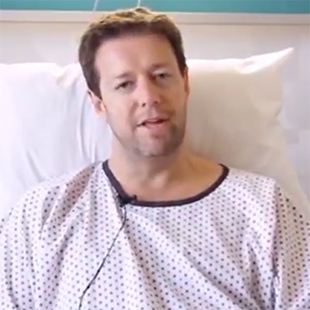
Kevin Stewart
Kevin Stewart
Kevin Stewart: Slip Disc Treatment in UAE

Kevin Stewart from Scotland could barely walk straight due to a Slip Disc. He faced many discomforts for the past…

Conditions treated by Disc Replacement ( Cervical /Lumber)

Frequently Asked Questions

A. Disc Replacement ( Cervical /Lumber) package cost in India has different inclusions and exclusions. The Disc Replacement ( Cervical /Lumber) package cost usually includes all the expenses related to pre and post surgery expenses of the patient. The comprehensive Disc Replacement ( Cervical /Lumber) package cost includes the cost of investigations, surgery, medicines and consumables. Post-surgical complications, new findings and delayed recovery may have an impact on the total Disc Replacement ( Cervical /Lumber) cost in India.

A. Artificial disc replacement (ADR), sometimes referred to as disc replacement surgery, is a surgical technique in which a deteriorated or injured intervertebral disc in the spine is removed and replaced with an artificial disc. Typically, patients with degenerative disc disease, ruptured discs, or spinal instability undergo this procedure to reduce pain and regain function.

When the patient has prolonged pain or neurological problems and conservative treatments (medication, physical therapy) have not worked, this option is typically taken into consideration.

A. Disc Replacement ( Cervical /Lumber) in India is offered by multiple hospitals across the country. The following are some of the most renowned hospitals for Disc Replacement ( Cervical /Lumber) in India:

  1. Apollo Hospitals
  2. Fortis Hospital
  3. Apollo Hospital
  4. Star Hospitals
  5. BLK-Max Super Speciality Hospital
  6. Manipal Hospital, Hebbal
  7. Manipal Hospitals Goa, Dona Paula
  8. Fortis Hospital, Shalimar Bagh
  9. Manipal Hospital, Dwarka
  10. Indraprastha Apollo Hospital

A. After Disc Replacement ( Cervical /Lumber) in India, the patient is supposed to stay in guest house for another 21 days. This duration of stay is recommended to complete all the necessary follow-ups and control tests to ensure that the surgery was successful.

A. India is considered to be one of the best places for Disc Replacement ( Cervical /Lumber) in the world. This is because of the availability of some of the best doctors, advanced medical technology and good hospital infrastructure. However, some of the other popular destinations for Disc Replacement ( Cervical /Lumber) include the following:

  • Greece
  • Poland
  • Spain
  • Lithuania
  • Lebanon
  • Hungary
  • South Africa
  • The United Kingdom
  • South Korea
  • Tunisia

A. Apart from the Disc Replacement ( Cervical /Lumber) cost, the patient may have to pay for additional daily expenses such as for the guest house after discharge and meals. The per day extra expenses in India per person is about USD$ 25

A. Some of the best cities in India which offer Disc Replacement ( Cervical /Lumber) are:

  1. New Delhi
  2. Hyderabad
  3. Bengaluru

A. The patient is supposed to stay at the hospital for about 3 days after Disc Replacement ( Cervical /Lumber) for monitoring and care. During the recovery, the patient is carefully monitored and control tests are performed to see that everything is okay. If required, physiotherapy sessions are also planned during recovery in hospital.

A. The average rating of hospitals for Disc Replacement ( Cervical /Lumber) in India is 5.0. This rating is automatically calculated on the basis of several parameters such as the infrastructure of the hospital, quality of services, nursing support and other services.

A. There are about 55 Disc Replacement ( Cervical /Lumber) hospitals in India that are best known for their services. These hospitals have proper infrastructure for the treatment of patients who require Disc Replacement ( Cervical /Lumber)

A. According to a survey, India has been recommended as the third most favorite medical tourism destinations of the world. This is due to highly competitive prices as compared to the other developed countries, world-class infrastructure, modern machines and equipment and highly skilled orthopedic surgeons who have taken advanced training from abroad in performing the disc replacement surgery.

Disc replacement surgery also requires rehabilitation which requires experienced paramedical staff and sophisticated physiotherapy machines, that are available in most of the Indian hospitals. Further, the post-surgical care done through a holistic approach including medications, physiotherapy, and yoga, which is unique to India and is not found in the rehabilitation strategy of any other country.

Further, the visa rules are much lenient in case of foreign patients and also there is a very little waiting time and the treatment starts almost immediately, reducing the cost of staying in the country. India is the home of world-class spine surgeons which performs complex spinal surgeries with ease. For instance, in 2008, the US FDA approved multi-level cervical disc replacement. With only a few surgeons are able to conduct this surgery, Indian doctors, Dr. Ashish Shrivastav and Dr. Sunit Mediratta successfully performed this surgery in 2017.

A. The cost of disc replacement is decided by taking into account various parameters. The factors that significantly affect the cost of disc replacement surgery in India include the type of hospital and available facilities and infrastructure, success rate of the hospital in performing such surgeries, experience of the doctor, post-surgical and recovery phase facilities, medications, testing, and the follow-up visit charges. The average cost of total disc replacement surgery is $8000.

A. Following are the top orthopedic surgeons for disc replacement surgery in India:

  • Dr. B. Mohapatra, Indian Spinal Injuries Center, New Delhi
  • Dr. Hitesh Garg, Artemis Hospital, Gurgaon
  • Dr. Navaladi Shankar, Apollo Hospitals, Chennai
  • Dr. Vineesh Mathur, Medanta - The Medicity, Gurgaon
  • Dr. Arun Saroha, Max Hospital, Gurugram
  • Dr. Ketan Badani, Bombay Spine Centre, Mumbai
  • Dr. Satish Rudrappa, Sakra World Hospital, Bangalore

A. Disc replacement surgery is performed to make the patient relieved from pain, preventing further degeneration and to provide ease of movement. In the disc replacement surgery, the damaged disc is removed, and a new artificial disc is inserted. The disc replacement surgery in India has a high success rate with almost 70%-75% of the patients gets relieved from their symptoms. The success rate depends upon various factors such as underlying disease such as osteoporosis, increased weight, type of the material used in the disc and the experience of the doctor.

A. If the patient is healthy, with a normal weight and without any other medical condition, the recovery process of the disc replacement surgery is quite fast. The patient may be able to walk within a few weeks.

The stay in the hospital after surgery is normally 2-3 days but may be extended if the patient has pain and discomfort. Physiotherapy is started in the hospital and it is advised to continue the same at home for the period prescribed by the professional. The follow-up visit is usually after 20-30 days and till the time you should refrain yourself from lifting heavy weights. The surgeon will see the progress of your recovery by evaluating X-ray and may resume your daily routine, definitely with caution.

A. Following are the top hospitals for spine surgery in India:

  1. Apollo Hospitals, New Delhi
  2. Max Hospital, New Delhi and Gurugram
  3. Indian Spinal Injuries Centre, New Delhi
  4. Artemis Hospital, Gurugram
  5. Medanta - The Medicity, Gurugram
  6. Bombay Spine Centre, Mumbai
  7. Sakra World Hospital, Bangalore

A. Following are some of the cities in India where Disc Replacement is done by the top neurologists in the most sought after certified Hospitals:

  • Chennai
  • Delhi
  • Gurugram
  • Mumbai
  • Bangalore

A. There are several benefits that disc replacement surgery has over conventional therapies, including spinal fusion. Here are a few of the major advantages:

  1. Preserved Mobility: Disc replacement preserves more of the spine's natural motion than spinal fusion, which permanently joins vertebrae together. Better general function and mobility may result from this.
  2. Decreased Stress on Adjacent Discs: Artificial disc replacement can help spread stress more equally across the spine by maintaining motion, which may lower the chance of adjacent disc degeneration.
  3. Shorter Recovery Time: Compared to patients who have spinal fusion, many people recover more quickly and may resume regular activities sooner.
  4. Less Postoperative Pain: Research indicates that, in comparison to conventional fusion procedures, patients may experience less pain and suffering following disc replacement surgery.
  5. Better Quality of Life: Following the treatment, patients frequently report notable improvements in their general quality of life and pain levels.
  6. Possibility of Lower Complication Rates: Based on certain surgical approaches and individual patients, there may be a reduction in certain complications associated with disc replacement as opposed to fusion, according to some research.
  7. Improved Long-Term Results: Studies indicate that individuals who receive disc replacement surgery might experience improved pain management and long-term function.

A. A good candidate for surgery to replace a disc usually fulfills the following requirements:

  • Age: Patients are typically between the ages of 18 and 60 because younger patients might still have problems with their growth and development and elderly patients might have additional health concerns.
  • Degenerative Disc Disease: The patient must have a severe herniation or degeneration of the discs that results in persistent pain or neurological symptoms that are not resolved with conservative measures.
  • Failed Conservative Treatments: Patients ought to have attempted non-surgical interventions (like physical therapy, drugs, or injections) for a minimum of half a year without experiencing adequate alleviation.
  • Specific Symptoms: Nerve compression-related numbness or paralysis, as well as sciatica—back pain radiating to the legs—are common in ideal candidates.
  • General Health: A surgical candidate must be in good general health and not have any major coexisting medical disorders, such as severe osteoporosis, an infection, or uncontrolled diabetes.
  • Single-Level Challenges: The majority of qualified applicants have disc issues at one level of the spine, usually the lumbar (lower back) area.
  • Realistic Expectations: Patients should be aware of the dangers associated with the procedure and have reasonable expectations about its results.

A. Like any surgical procedure, disc replacement surgery has possible risks and problems. Among the potential dangers are:

  1. Infection: There is a chance of infection at the surgical site much like with other procedures.
  2. Bleeding: During or after the surgery, there can be some bleeding.
  3. Blood Clots: Individuals may experience pulmonary embolism or deep vein thrombosis, which are conditions that cause blood clots in the legs or lungs.
  4. Nerve Damage: There is a slight chance that adjacent nerves may sustain harm, which could result in enduring discomfort, numbness, or weakening.
  5. Problems with the implant: Over time, the artificial disc may wear out, fail, or get displaced, possibly requiring another surgery.
  6. Adjacent Segment Degeneration: Although disc replacement is meant to maintain motion and lessen stress on adjoining discs, nearby discs may eventually degenerate.
  7. Chronic Pain: Some people may have pain that doesn't go away even after surgery, potentially as a result of underlying medical issues.
  8. Risks associated with anesthesia: There are dangers associated with general anesthesia, such as allergic responses or problems from underlying medical issues.
  9. Instability: Following surgery, the spine may occasionally become unstable, which can cause more problems.

A. One-level disc replacement surgery recovery times might vary, however most patients need between six and twelve weeks to get back to their regular activities. You'll probably concentrate on rest during the first several weeks and use physical therapy to gradually raise your level of exercise. It may take several months to fully recover, therefore for the greatest result, you must adhere to your surgeon's instructions.

A. Several variables, including the particular ailment being treated, the patient's general health, and their degree of activity, will determine if disc replacement surgery is preferable to spinal fusion.

  • Spinal Fusion:
  • Can offer better stability in some circumstances.
  • For patients with major spinal abnormalities or instability, this might be a preferable alternative.
  • Has a more proven long-term outcome and a longer track record.
  • Disc Replacement:
  • Maintains the spine's more natural motion.
  • This could lessen the chance of neighboring segment degeneration or issues with neighboring discs.
  • Often recovers more quickly.

The best option ultimately depends on the individual. Getting advice from a spine specialist can help you decide which course of action is best for your circumstances.

A. Artificial discs used in spine surgery usually have a lifespan of 10 to 20 years, though many can last longer with adequate maintenance. The degree of exercise, general health, and compliance with post-operative instructions are some of the variables that may affect how long the disc lasts. To keep an eye on its condition throughout time, routine check-ups with a healthcare professional are crucial.

A. Yes, following disc replacement surgery, the following lifestyle modifications are often advised to support healing and maintain the health of your spine:

  1. Avoid Heavy Lifting: Limit lifting heavy objects for a specific amount of time to prevent strain on your spin.
  2. Posture: Maintain good posture when sitting, standing, and lifting to support your spine. Avoid High-Impact Sports: Activities like running or contact sports may be restricted initially.
  3. Ergonomic Adjustments: Think about making adjustments to your workspace or home environment to ensure proper ergonomics.
  4. Follow-Up Care: Attend all scheduled follow-up appointments to keep an eye on your recovery.

A. One-level disc replacement usually has favorable long-term results. Numerous research show that:

  • Pain Relief: Over time, the majority of patients report significant decreases in leg and back pain, along with an improvement in their quality of life.
  • Functionality: Many people can resume their regular activities and physical pursuits after regaining normal function.
  • Disc health: Artificial discs are made to stay in motion and lessen the strain on neighboring discs, which may help avert problems in the future.
  • Consequences: Serious consequences, such as neighboring segment disease and device wear or failure, are uncommon but can happen.
  • Success Rates: Several studies show that patient satisfaction is often high—above 80%.

A. You can be subject to several physical limitations following disc replacement surgery to promote recovery and safeguard your spine. Typical limitations consist of:

  1. Lifting Limits: For a few weeks, refrain from lifting anything more than five to ten pounds.
  2. Bending and Twisting: To avoid putting undue strain on the spine, reduce your bending and twisting, particularly at the waist.
  3. High-Impact Activities: Steer clear of high-impact sports and activities (such as sprinting or jumping) for a predetermined amount of time.
  4. Prolonged Sitting or Standing: To lessen the strain on your back, avoid sitting or standing for extended periods.
  5. Driving: Depending on your pain threshold and rate of recuperation, you might need to give up driving for a few weeks.
  6. Repetitive Movements: Avoid doing the same lifting, twisting, or straining motions repeatedly.

A. Elderly patients may benefit from disc replacement surgery, however there are a few things to take into account:

  • General Health: A major factor in determining eligibility is the patient's overall health, including any comorbidities (such as diabetes or heart disease).
  • Activity Level: Seniors with limited mobility may not profit as much from rehabilitation as active seniors who can participate in it.
  • Bone Health: Sufficient bone density is necessary to maintain the implant's stability.
  • Symptoms: Candidates usually experience functional limits and ongoing pain that does not improve with conservative measures.
  • Surgical Risks: Risks and advantages have to be balanced, just like with any operation. Patients who are elderly may be more susceptible to problems.
  • Individual Assessment: To ascertain whether the treatment is appropriate, a complete review by a spine specialist is necessary.

A. The length of time it takes to resume work following disc replacement surgery varies depending on several variables, such as your particular recovery process and the nature of your profession. In general:

  1. Desk jobs: Depending on how they feel, many patients can resume their desk occupations one to four weeks after surgery.
  2. Physical Jobs: You may need to wait six to twelve weeks or longer to return if your job requires heavy lifting or other physically demanding tasks.
  3. Gradual Return: For some people, going back to work gradually—starting with part-time hours and working your way up to full-time hours—is beneficial.
  4. Follow-Up: For personalized advice depending on your recuperation and job requirements, always speak with your surgeon.

Not Sure About Your Treatment Plan? Get a Free Second Opinion

Have your reports reviewed by independent oncology experts to help you make a confident treatment decision, all online within 48 hours.

Upload Your Reports
Free second opinion on your CAR-T plan

Get Insight with our Blogs

Robotic Cervical Disc Surgery in India – Procedure and Advantages
Orthopedic

Robotic Cervical Disc Surgery in India – Procedure and Advantages

Neck pain, stiffness, and nerve compression caused by cervical disc problems are increasingly common due to sedentary lifestyles, ageing, and spinal degeneration. While conservative treatments like physiotherapy, medications, and injections help many patients,

Published: 24 Oct, 2025
Updated: 24 Oct, 2025