Your Notifications
All done, no notifications

Disc Replacement ( Cervical /Lumber) Cost in United Arab Emirates

USD 30000 - USD 45000

Affordable World-class Treatment - Accredited Hospitals - Free Treatment Plan in 24 Hrs

2
Days in Hospital
19
Post-Hospital
70 - 90%
Success Rate
Disc Replacement ( Cervical /Lumber) - Causes, Symptoms and Recovery
JCI/ISO 100,000+ Patients 24X7 Coordinator Visa & Travel handled
Your all-in-one medical travel platform for treatment, recovery & care.

Get Your Personalised Treatment Plan in Just 24 Hours.

Share your details to receive a personalised treatment plan, estimated costs, hospital recommendations, and expert guidance, “completely free.”

Required | alphabets and spaces
Required | A valid, working email address
Required | A valid contact
Connect with an Expert

Your information is protected with HIPAA-compliant security standards. We only share your details with hospitals after your consent.

Estimated Treatment Cost
USD 30000 - USD 45000
All-inclusive • Hospital + Medications + Recovery Assistance + Dedicated Care Coordinator

International Quality. Affordable Care.

How Much Does Disc Replacement ( Cervical /Lumber) Cost in United Arab Emirates?

The cost of Disc Replacement ( Cervical /Lumber) in United Arab Emirates is USD 30000 - USD 45000

Additionally, factors like the duration of treatment, the need for follow-up care, and the use of advanced technologies or specialized treatments can further influence the overall cost.

Factors Influencing the Cost of Disc Replacement (Cervical/Lumber):

  • Type of Treatment: Traditional Disc Replacement (Artificial Disc), Minimally Invasive Disc Replacement, Hybrid Procedure (Disc Replacement + Fusion)
  • Hospital and Location: This is equivocal because of the increased overhead cost that accompanies operations in large cities or urban areas compared to the countryside. It often costs more to stay in a private hospital or clinic.
  • Surgeon’s Expertise: Very experienced or specialized surgeons, particularly those acknowledged as regional or international experts, may well be more expensive than the average.
  • Pre-treatment tests: clinical investigations, mainly including imaging studies, blood tests, endoscopic examinations, and heart, lung, and kidney function tests. The performance of these tests enables the assessment of the general well-being of the patient and the possibility of surgery. These tests include X-ray, MRI, and CT.
  • Post-Surgical Care: In addition to the price, the costs of aftercare, such as hospitalization, physiotherapy, anesthesia and pain medication, follow-up visits, and possible complications, will also be included.
  • Length of Hospital Stay: Complex surgeries or complications may increase hospitalization costs.

All cervical or lumbar disc replacement operations are performed when the patient has chronic pain or functional limitation caused by degenerative disc disease or any other spinal disorders. These procedures include the removal of a worn out or worn intervertebral disc and the replacement of it with an artificial disc.

Anterior lumbar disc replacement is of great importance to those patients suffering from disc-related chronic pain and dysfunction. Still, every patient is an individual, and therefore the consideration for undertaking such surgery depends on the severity of the diagnosis of the patient.

Any person who is planning for the procedure should consult a spine surgeon or an orthopedic specialist who will assess the suitability of the person for the procedure as well as recommend the most appropriate step toward treating the ailment.

What's included in your Disc Replacement ( Cervical /Lumber) quote?

Disc Replacement (Cervical/Lumbar)
Surgical replacement of a damaged spinal disc with an artificial disc to relieve pain and preserve motion
Spine surgeon consultation
Pre-surgery evaluation, treatment planning, and follow-up consultations
Hospital stay & supportive care
Surgery, anaesthesia, nursing care, and recovery monitoring
Follow-up monitoring
X-rays, rehabilitation guidance, and routine follow-up visits
Visa & medical-visa invite letter
Airport pickup & transfers

Cost of Disc Replacement ( Cervical /Lumber) in Major Cities of United Arab Emirates

City Cost (USD)
Abu Dhabi $30,000 – $45,000 Explore More
Ajman $27,000 – $40,500 Explore More
Dubai $30,000 – $45,000 Explore More
Sharjah $30,000 – $45,000 Explore More

Disc Replacement One Level - United Arab Emirates Vs the World

$0 - $0
$6k - $12k
$7k - $9k
$10k - $20k
$13k - $19k
$14k - $26k
$14k - $25k
$15k - $30k
$15k - $30k
$15k - $20k
$24k - $26k
$50k - $75k
Dr. Shagufta Parveen
Author

Doctor of Pharmacy

3 Years of Experience

Last Reviewed - June 2026

Dr. Shagufta Parveen is a Clinical researcher and medical writer with expertise in clinical pharmacology and pharmacotherapeutics. She holds a B.Pharm and Doctor of Pharmacy (Post-Baccalaureate) degree from Teerthanker Mahaveer University, Moradabad.

During her clinical stint at BLK-Max Super Speciality Hospital and Indraprastha Apollo Hospital, she gained hands-on experience in the Clinical Pharmacology Department. Combining scientific knowledge with strong medical writing skills, Dr. Shagufta develops evidence-based healthcare content, treatment guides, and patient education resources.

Her work focuses on simplifying complex medical concepts while maintaining scientific accuracy, helping readers better understand healthcare advancements and treatment options.

In addition to her writing expertise, she is actively involved in scientific research and has contributed to peer-reviewed publications.

Her research work is accessible through the following links:

https://scholar.google.com/citations?user=lMVK1eIAAAAJ&hl=en

https://carcinogenesis.com/index.php/JOC/article/view/870

https://carcinogenesis.com/index.php/JOC/article/view/868

https://wjpsronline.com/abstract/0000000760

View More
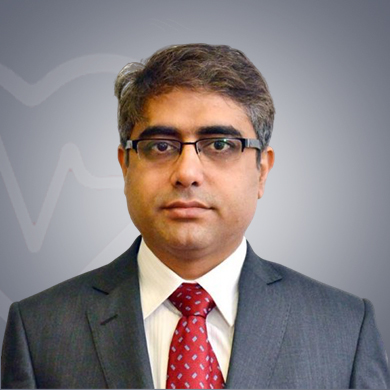
Dr. Manoj Miglani
Reviewer

Orthopedic Surgeon

22 Years of Experience

Last Reviewed - June 2026

Known for his soft-spoken nature, Dr. Manon Miglani had completed his MBBS from Maulana Azad Medical College and MS (Ortho) for All India Institute of Medical Sciences. Dr. Miglani was awarded AO spine fellowship from Queen’s Medical Center, Nottingham and he also received Stryker fellowship in Arthroplasty from Indraprastha Apollo Hospital. Dr. Manon Miglani has provided his expert services to various hospitals of Delhi and NCR including AIIMS, Indraprastha Apollo, Jaipur Golden hospital, and Artemis hospital Presently, Dr. Manon is the additional director of Fortis, Vasant Kunj and senior consultant at Fortis, Shalimar Bagh.
View More

Need Help Choosing the Right Treatment? Talk to a Medical Advisor

Our dedicated Medical Patient Advisors are here to answer your questions, help you compare treatment options, estimate costs, and guide you through every step of your healthcare journey.

15 min
Average response time

Serving Patients Worldwide in Multiple Languages.

Disc replacement surgery involves removing the damaged disc tissue and implanting an artificial disc. This procedure can be performed in the cervical (neck) and lumbar (lower back) regions. The artificial disc maintains the spine's natural motion while securely attaching to the surrounding vertebral bones.

Although total disc replacement is a newer procedure and is performed less frequently than traditional spinal decompression and fusion surgeries, it is becoming increasingly popular. This is due to its ability to preserve spinal motion while effectively treating neck or back pain. Additionally, as more long-term outcome studies demonstrate its effectiveness, the procedure continues to gain acceptance.

The following are the conditions that lead to the need for a disc replacement surgery:

  • Discitis (Inflammation of the intervertebral disc)
  • Scoliosis (abnormal spinal curve laterally)
  • A herniated disc in the back (slipping of the cartilaginous disc into surrounding tissue)
  • Disc degeneration and disc rupture (infection of the intervertebral disc causing its degeneration.
  • myelopathy

Who is the best candidate for spinal disc replacement surgery?

The best candidates for spinal disc replacement surgery are patients with diseased discs in the cervical or lumbar spine who still have good spinal motion and minimal or no arthritis. One of the primary goals of this surgery is to preserve spinal motion. According to research from HSS, patients with greater disc height may be better suited for this procedure than those with less disc height.

Disc replacement surgery treats persistent neck or back discomfort caused by a damaged spinal disc. Usually done when medical treatments are ineffective, it aids in restoring normal spine movement.

You should consult a doctor about disc replacement surgery if you experience chronic neck or back discomfort that doesn't go away with rest, medicine, or physical therapy. Other warning signs include numbness, tingling, or weakness in your arms or legs, which may indicate nerve compression.

Your surgeon will examine your medical history, conduct a physical examination, and ask for imaging tests such as MRIs or X-rays prior to cervical disc replacement surgery. Your doctor might change your prescriptions, and if you smoke, they might suggest you to quit smoking. Additionally, you will receive information about the procedure's risks side effects, and preparation for the procedure.

The surgeon makes an incision in the front of your neck while you are under general anesthesia for cervical disc replacement. They remove the damaged disc and replace it with an artificial one under imaging guidance.The incision is then closed after repositioning surrounding structures like the trachea and esophagus.

It usually takes 1-2 hours to do cervical disc replacement surgery, depending on the case's complexity and whether more than one disc needs to be replaced.

Short-term complications:

  • Wound Infection
  • Difficulty swallowing
  • Hoarseness
  • Sore throat

Long-term complications:

  • Adjacent segment degeneration
  • Artificial disc failure
  • Abnormal bone growth (heterotopic ossification)
  • Additional Surgery may be needed in future

Numerous studies demonstrate that many people experience significant short—and long-term reductions in pain following cervical disk replacement surgery. It can also help maintain the range of motion in your neck.

It may take up to 6 months to fully recover following cervical disc replacement. The majority resume everyday activities in two days, light activities after 2-3 weeks, and complete non-contact activities in 4-6 weeks. Your surgeon will give you a customised schedule and set of activity limitations.

Disc replacement surgery generally has a good success rate, ranging from 70% to 90%, especially for the lumbar spine. The success rate of cervical disc replacement surgery is high, around 90%.

Explore Hospitals ( 20 )

Dubai, United Arab Emirates

4.5 - 1 review · 100+ Beds · 165+ Procedures
JCI

Dubai, United Arab Emirates

JCI
Starting
USD 22610

Dubai, United Arab Emirates

1.0 - 1 review · 114+ Beds · 208+ Procedures
JCI NABH NABL

Sharjah, United Arab Emirates

3.3 - 5 reviews · 137+ Beds · 204+ Procedures
JCI
Starting
USD 23920

Dubai, United Arab Emirates

4.6 - 1 review · 300+ Beds · 212+ Procedures
JCI
Starting
USD 24300

Dubai, United Arab Emirates

JCI
Starting
USD 23190

Dubai, United Arab Emirates

4.7 - 2 reviews · 179+ Beds · 645+ Procedures
JCI
Starting
USD 23390

Dubai, United Arab Emirates

ACHS JCI
Starting
USD 22150

Abu Dhabi, United Arab Emirates

JCI
Starting
USD 24400

Abu Dhabi, United Arab Emirates

3.0 - 2 reviews · 750+ Beds · 177+ Procedures
JCI
Starting
USD 24510

Get Your Disc Replacement ( Cervical /Lumber)
Plan in 24 hrs.

Our experienced Medical Patient Advisors have supported 100,000+ patients across 120+ countries with personalised treatment plans, hospital recommendations, cost estimates, and travel assistance, all free.

HIPAA-Compliant Data SecurityShared Only with Your Consent

Free Consultation No Obligation Personalized Treatment Plan Response Within 24 Hours

Required | alphabets and spaces
Required | A valid, working email address
Required | A valid contact

Your medical info has is HIPAA-style confidential. We never share with hospitals without your consent.

Process Involved for Disc Replacement ( Cervical /Lumber) in United Arab Emirates

  • Consultation with a specialist: A spine surgeon assesses the patient's symptoms, medical history, and imaging data.
  • Preoperative testing and imaging: Detailed imaging studies determine the degree of disc degeneration, the extent of injury, and the level of intervention required.
  • Personalised Treatment Plan: Discuss surgery options, such as the type of artificial disc, anesthetic, and aftercare.
  • Surgical Procedure: The injured disc is removed, and an artificial disc is inserted to preserve spinal motion.
  • Postoperative Care: Recovery involves pain treatment, rehabilitation (physical therapy), and regular check-ups to measure healing and spinal function.
  • Degenerative Disc Disease (Cervical/Lumbar)
  • Herniated Discs
  • Spinal Stenosis
  • Chronic Neck or Lower Back Pain
  • Failed Back Surgery Syndrome
  • Spinal Instability
  • Individuals suffering from chronic neck or lower back discomfort caused by degenerative disc disease, herniated discs, or disc degeneration.
  • Patients who have not responded to conventional treatments, including physical therapy, medicines, or injections.
  • Candidates with a single-level disc issue (in most cases) that impairs their quality of life and causes substantial discomfort.
  • Individuals who are candidates for spinal fusion but prefer to retain natural motion in the spine.
  • Cervical Disc Implants
  • Lumbar Disc Implants
  • Artificial Disc
  • Spinal Fusion (if disc replacement is not suitable)
  • Physiotherapy
  • Spinal Decompression
  • Pain Management Injections
  • Laminectomy
  • Reduces chronic pain and nerve pressure, enhancing mobility and quality of life.
  • Compared to spinal fusion, which might reduce flexibility, this method maintains motion in the spine.
  • Shorter recovery period and lower risk of neighboring segment degeneration (compared to fusion).
  • Improves overall spinal function, allowing patients to resume normal activities more rapidly.
  • Long-term relief and enhanced spinal stability.
  • Orthopedic surgeon
  • Neurosurgeon
  • Physical Therapist
  • Fill out the inquiry form: Fill out the form to provide us with the relevant information about your condition.
  • Consult with Our Healthcare Expert: One of our qualified specialists will contact you for a consultation.
  • Receive a Detailed Treatment Plan: After examining your situation, we will provide you with a detailed treatment plan that includes expert views and cost breakdowns for various choices.
  • Choose your preferred option: Choose the treatment option that suits you the best.
Jenny Wilson
Your Dedicated Medical Patient Advisor
Treatment planning • Hospital coordination • Multilingual support • Response within 15 minutes.
Our Services to Better your Experience

Opinion & Option

We submit the most accurate opinion and options from one or more countries for your review

Consult Privately

Consult with a certified specialist privately on our telemedicine platform even before you decide to travel

Logistics

We handle flights, visas, transfers, and accommodation—so you can focus on your health.

Recovery

Our In-house rehabilitation service packages to better your recovery and treatment outcome

Patient Stories

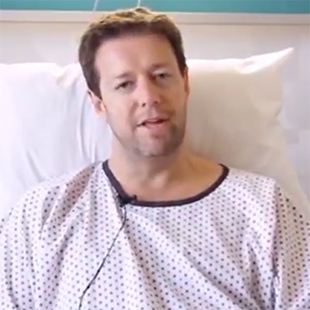
Kevin Stewart
Kevin Stewart
Kevin Stewart: Slip Disc Treatment in UAE

Kevin Stewart from Scotland could barely walk straight due to a Slip Disc. He faced many discomforts for the past…

Conditions treated by Disc Replacement ( Cervical /Lumber)

Frequently Asked Questions

A. Here are some of the well-known hospital groups in UAE:.

Dubai

  1. Emirates Hospital
  2. NMC Healthcare
  3. Thumbay Hospital
  4. Saudi German Hospital
  5. American Hospital Dubai
  6. King's College Hospital Dubai
  7. Zulekha Hospital
  8. Al Zahra Hospital
  9. Burjeel Hospital

Abu Dhabi

  1. LLH Hospital
  2. Burjeel Hospital
  3. Life Care Hospital

The multispecialty hospitals in the UAE are known for providing exceptional care at affordable prices. The specialties coverage in UAE hospitals is immense because of which you can get all kinds of treatments and procedures done there.

A. The essential procedure of obtaining a license to practice medicine in the UAE ensures that only the best doctors get to do it. Doctors working in hospitals in the UAE are qualified and experienced and stay up to date with the latest developments in their areas of expertise. The personal touch they bring to their skill helps patients feel comfortable.

A. The hospital facilities are a factor that makes medical tourism an attractive business in the UAE. The strong combination of public and private healthcare systems is reflected in the facilities provided by the hospitals. Comprehensive coordination facilities are provided by the international patient centers in hospitals in the UAE. International patient centers are making medical travelers' lives easy by helping them in many ways such as:

  • Payment and financial assistance
  • Hospital transfers
  • Tourism Guidance
  • Interpretation services
  • Visa related assistance
  • Liaisoning for flights, local travel, and hotels
  • Coordination for reports and treatment plans
  • Appointment scheduling

A. More than 3 lakh patients visit UAE for treatment which ranges from minor to major surgeries, cosmetic interventions, and rehabilitation which includes cardiac as well as orthopedic rehabilitation.

There would be approximately 9.6% growth in the medical tourism industry of UAE, thanks to its affordable treatment cost, infrastructure in part with developed nations, experienced doctors, world-class facilities, and high investment by the country in improving its healthcare standards. Medical tourist visitors include Asians, Arabs, and Europeans.

Slip disc treatment in the U.A.E is done at various hospitals with a high success rate at an affordable price. Hospitals in UAE performing disc replacement surgery are equipped with modern facilities, experienced and trained doctors, and para-medical staff. For initial recovery after the surgery, rehabilitation centers are also available in the hospitals to speed up the recovery process

A. In UAE hospitals, the healing time for the disc replacement surgery will depend on the general health of the patient, the specific surgery undergone, and strict adherence to the medical advice given after the surgery. However, in general, recovery following ADR surgery is a little faster than any other traditional spinal fusion chemo surgery because this is not an invasive surgery.

  1. Some patients get discharged within 24 – 48 hours after the operation is done. This makes it possible for the medical team to track the progress of healing and pain, plus be in a position to rule out any first symptoms of complications in the body.
  2. Mobility: People often get out of bed and start walking within a few hours to a day after the operation has been completed. The purpose is to encourage blood flow and prevent possible dangerous consequences such as blood clot formation.
  3. First 2–4 Weeks: Especially in the initial days and weeks after surgery, activities like lifting heavy objects, and bending or twisting should be avoided.PT may be prescribed in order to strengthen the patient’s back muscles and get the spine into working order again.
  4. 6 Weeks to 3 Months: Most patients can resume normal activities at 6 weeks post-surgery but are discouraged from any strenuous activities or lifting heavy objects for the next 6-8 weeks.
  5. 3 to 6 Months: When it comes to getting back to normal and being fully functional, one would need exercise or do more stressful jobs, it may take between 6 months.

A. In ADR surgery, there are various released artificial discs, and all types of artificial discs are developed to mimic the natural spinal disc in terms of functionality and flexion. The selection of the implant is determined by factors such as the pathologically established disease state of the patient, the particular preferences of the surgeon, and the spinal level being targeted for intervention.

  • Metal-on-Metal Artificial Discs: These discs are constructed from titanium or cobalt-chromium alloys for the outside casing, and metal for the working parts.
  • Metal-on-Polyethylene Artificial Discs: The outer part is often metal or titanium, and the inner is made of polyethylene a highly durable plastic.
  • Ceramic-on-Ceramic Artificial Discs: The endplates and the core are made of ceramics, or ceramic-like materials, respectively. It has indeed been noted that the guideline centrifugal ceramic discs are comparatively smooth and are regarded as wear-resistant.
  • Cushioning or Hybrid Artificial Discs: These combine both metal and polyethylene or ceramic to enhance the performance. End plates are usually constructed of metal, but the shock-absorbing and moving part can contain a polyethylene insert.
  • Artificial Discs with Viscoelastic Core: These discs incorporate in the core a viscoelastic material that simulates the compressive and shock-absorbing characteristics of the normal disc.

A. Total disc replacement is normally undertaken when conservative measures including exercises, medications, or injections cannot manage the severe spinal conditions of a patient. The primary cause of disc replacement surgery is the disorders that involve the intervertebral discs within the spine, especially cervicals (neck) or lumbars (lower back). Here are the primary reasons why patients may require artificial disc replacement (ADR) surgery:

  1. Degenerative disc disease: It is a clinical condition characterized by loss of flexibility of all the discs in the spine. It causes pain, stiffness, and limitation of movement around the joint.
  2. Herniated disc: A disc herniation is where the soft center pushes through the tough outer ring into the spinal canal and applies pressure to nerve roots. It can lead to back pain, feeling of pins and needles, or weakness in the arms and legs.
  3. Spinal stenosis: A region in the spinal canal through which the spinal cord and nerves are constricted. They give rise to back pain; symptoms of tingling and lethargy in the limbs and legs too.
  4. Spondylolisthesis: It is a condition whereby one or more of the vertebrae in the spine move out of their usual position and come into contact with spinal nerves. The result of sciatica is that it may lead to back pain, numbness, and weakness in the legs and limbs.
  5. Chronic Neck or Back Pain: Failure of a damaged disc or spinal degeneration to heal with conservative options such as drugs, injections, or physiotherapy.
  6. Failed Previous Spinal Surgery: Sometimes such surgeries, for example, spinal fusion, may not alleviate pain or even result in such complications as increased pressure on other nearby discs (adjacent segment disease).

Some of the conditions that have to be taken into consideration before going further include, but are not limited to the type and the severity of the existing conditions.

  • Chronic diseases that affect the performance of the surgery and the recovery time such as chronic obstructive pulmonary disease, obesity, and kidney disease.
  • Age and the patient’s general condition are also important factors for consideration. As a result, older patients are likely to get complications resulting from low immunity and a slow healing process.
  • Further, patients on anticoagulants, such as blood thinners, would require dose modification before the surgery, to prevent from having issues of bleeding. Therefore, the surgical team should have a list of medications to avoid the possibility of complications due to interaction.
  • Postoperative rehabilitation of patients who underwent disc replacement surgery may be complicated by the presence of comorbidities. Such patients may take longer to heal and require aggressive rehabilitation especially if they present with complications such as diabetes, smoking, or poor mobility.

A. Disc replacement and spinal fusion are both surgeries for treating degenerative disc disease, but they differ in their approach and outcomes:

  1. Disc Replacement means the excision of the diseased disc and its replacement by an artificial one that allows motion between the vertebrae. It is often applicable to young people with minor motion problems and patients with ruptured intervertebral discs; it has fewer postoperative requirements.
  2. Spinal Fusion involves stripping out the damaged disc and joining the two adjacent bones which makes the particular area rigid. It is, however, preferred for spinal diseases that require higher levels of treatment, are multiple, or in the elderly. Though it provides permanent relief from pain and the immobility of the spine may not adversely affect the area of treatment, it may put extra pressure on the other discs at the same place that may land the individual in trouble in the future.

Is also important to make a distinction between the benefits and risks of both surgeries and has to do with the patient’s medical status.

A. After recuperating after disc replacement surgery, many patients can resume their athletic activities; however, this will vary depending on several factors, including the sport, degree of healing, and general health. Consider the following:

  • Walking, cycling, and swimming are examples of low-impact sports that are typically safe to resume during rehabilitation.
  • After fully recovering, moderate-impact activities (tennis, running) might be feasible with a slow progression.
  • Sports that involve heavy impact or contact, like basketball and football, come with greater dangers and may be discouraged.
  • It may take several months to fully recover, and physical treatment is necessary to strengthen the spine.
  • Before returning to sports, always acquire your surgeon's approval, taking into account your unique rehabilitation.
  • To avoid re-injury, concentrate on appropriate body mechanics and conditioning.

A. As with any surgery that involves the spine you’ll be advised of the risks associated with this operation and there are potential complications that can occur either in the operating theatre or following the implementation of the disc replacement. Here are the potential risks:

  1. Infection: Superficial or deep infection of the wound or further into the spine may develop, necessitating antibiotics or further operations.
  2. Bleeding: Surgical bleeding may even occur in excessive amounts in the course of surgery because of the bleeding disorders you may be having like the use of blood thinners or other diseases that hinder normal blood clotting processes.
  3. Nerve Damage: Some damage to the spinal nerves near the site of the surgery may occur hence the legs and arms may become numb, weak, or painful.
  4. Implant Problems: Surgery complications of the artificial disc may include: Dislocation or loosening of the artificial disc; Failure of the disc to function; and Pain.
  5. Blood Clots: There is the possibility of blood forming a clot in the deep vein of the leg, a condition called deep vein thrombosis (DVT), or when it migrates to the lungs causing pulmonary embolism (PE) in patients that do not move much during the recovery period after surgery.
  6. Adjacent Segment Disease: The disc that is above or below the one that has been replaced may also degenerate more rapidly because of the new movement in the spine which may call for other surgeries.
  7. Spinal Instability: If the disc replacement has not afforded the spine the stability desired, then it will reach a situation where the spine becomes unstable, and may have to be fused.
  8. Recurrent Pain: However, disc replacement is meant to ease pain and at times, one may develop complications that may lead to continued pain resulting from an implant failure in addition to other spinal problems.
  9. Slow Healing: There may be Decelerated recovery, inappropriate or inability to heal or assimilate the artificial disc or other related tissues in the body.

FAQ's Related to United Arab Emirates

Here are some of the well known hospital groups in UAE:.

Dubai

  1. Emirates Hospital
  2. Mediclinic
  3. Medcare
  4. Aster Hospitals
  5. NMC Healthcare
  6. Thumbay Hospital
  7. Medeor
  8. Saudi German Hospital
  9. American Hospital Dubai
  10. Canadian Specialist Hospital
  11. King's College Hospital Dubai
  12. Zulekha Hospital
  13. Al Zahra Hospital
  14. Burjeel Hospital

Abu Dhabi

  1. LLH Hospital
  2. Burjeel Hospital
  3. Life Care Hospital

The multispecialty hospitals in UAE are known for providing exceptional care at affordable prices. The specialties coverage in UAE hospitals is immense because of which you can get all kinds of treatments and procedures done there. The multispecialty hospitals in UAE promise to be easy to navigate for any medical traveller because of the innate hospitable nature of the both the administrative and the medical personnel.

The essential procedure of obtaining a license to practice medicine in UAE ensures that only the best among doctors get to do it. Doctors working in the hospitals in UAE are qualified, experienced and stay up to date with the latest developments in their area of expertise. The personal touch they bring to their skill helps patients feel comfortable. Patients from all walks of life, different ethnicities are being treated everyday by the doctors in UAE hospitals.

Popular procedures being performed in UAE are as follows.

  1. Orthopaedics
  2. Fertility treatment
  3. Ophthalmology
  4. Dermatology
  5. Cosmetic surgery

Cosmetic surgery is bringing in a lot of medical tourists to UAE and under this category botox and fillers are two procedures which are gaining most popularity. Another procedure for which the government in UAE is changing laws and building a positive environment are Fertility treatments. The popular procedures in UAE are being done by accompished doctors and at economical costs.

The hospital facilities are a factor that make medical tourism an attractive business in UAE. The strong combination of public and private healthcare systems reflect on the facilities provided by the hospitals. Comprehensive coordination facilities are provided by the international patient centers in hospitals in UAE. International patient centers are making the medical travellers lives easy by helping them in many ways such as:

  • Payment and financial assistance
  • Hospital transfers
  • Tourism guidance
  • Interpretation services
  • Visa related assistance
  • Liasoning for flights,local travel and hotels
  • Coordination for reports and treatment plans
  • Appointment scheduling

Not Sure About Your Treatment Plan? Get a Free Second Opinion

Have your reports reviewed by independent oncology experts to help you make a confident treatment decision, all online within 48 hours.

Upload Your Reports
Free second opinion on your CAR-T plan