Your Notifications
All done, no notifications

Lung Cancer Treatment Cost in Israel

USD 17000 - USD 27000

Affordable World-class Treatment - Accredited Hospitals - Free Treatment Plan in 24 Hrs

3
Days in Hospital
2-6 hrs
Procedure Time
70 - 90%
Success Rate
Lung Cancer Treatment: Cost, Procedure and Clinics | MediGence
JCI/ISO 100,000+ Patients 24X7 Coordinator Visa & Travel handled
Your all-in-one medical travel platform for treatment, recovery & care.

Get Your Personalised Treatment Plan in Just 24 Hours.

Share your details to receive a personalised treatment plan, estimated costs, hospital recommendations, and expert guidance, “completely free.”

Required | alphabets and spaces
Required | A valid, working email address
Required | A valid contact
Connect with an Expert

Your information is protected with HIPAA-compliant security standards. We only share your details with hospitals after your consent.

Estimated Treatment Cost
USD 17000 - USD 27000
All-inclusive • Hospital + Medications + Recovery Assistance + Dedicated Care Coordinator

International Quality. Affordable Care.

How Much Does Lung Cancer Treatment Cost in Israel?

The cost of Lung Cancer Treatment in Israel is USD 17000 - USD 27000

However, this cost can vary depending on several factors, including the type and severity of the condition, treatment techniques chosen, the healthcare facility's location and reputation, the treating professionals' experience and specialisation, and the patient's overall health status.

Additionally, factors like the duration of treatment, the need for follow-up care, and the use of advanced technologies or specialised treatments can further influence the overall cost.

Factors Influencing the Cost of Lung Cancer Treatment:

  • Type of Treatment: Surgery, chemotherapy, radiation therapy, or a combination of these. Advanced techniques like proton therapy may cost more.
  • Hospital and Location: Hospitals in urban areas or those with higher operating expenses may charge more than rural hospitals.
  • Pre-Treatment Tests: Diagnostic imaging such as MRI, CT, and PET scans can add to the cost.
  • Post-Treatment Care: Rehabilitation, medications, and follow-up consultations also impact the expenses.
  • Length of Hospital Stay: Hospital stays may become more expensive due to complicated surgeries or complications.

Lung cancer is a kind of cancer that starts as a growth of cells in the lungs. The lungs are two spongy organs in the chest that control breathing.

The goal of lung cancer treatments is to either eradicate the cancer or stop its spread. Cancerous cells can be eliminated, destroyed, prevented from proliferating, or taught to fight by your immune system. Additionally, several therapies are utilised to alleviate pain and lessen symptoms. The kind, location, and extent of your lung cancer, among many other criteria, will determine how you are treated.

What's included in your Lung Cancer Treatment quote?

Lung Cancer Treatment
Personalised treatment plan including surgery, chemotherapy, radiotherapy, immunotherapy, or targeted therapy as recommended
Oncology team consultation
Pre-treatment evaluation, treatment planning, and post-treatment follow-up consultations
Hospital stay & supportive care
Inpatient care, nursing support, pain management, and recovery monitoring
Follow-up monitoring
Imaging, laboratory tests, treatment response assessment, and routine follow-up visits
Visa & medical-visa invite letter
Airport pickup & transfers

Cost of Lung Cancer Treatment in Major Cities of Israel

City Cost (USD)
Herzliya $15,300 – $24,300 Explore More
Petah Tikva $17,000 – $27,000 Explore More
Ramat Gan $15,300 – $24,300 Explore More
Rehovot $17,000 – $27,000 Explore More
Tel Aviv $17,000 – $27,000 Explore More

Lung Cancer Treatment - Israel Vs the World

$0 - $0
$0 - $0
$4k - $20k
$8k - $12k
$8k - $22k
$8k - $20k
$10k - $50k
$10k - $26k
$17k - $27k
$18k - $42k
$20k - $100k
$20k - $28k
$30k - $60k
$30k - $100k

Find the Right Destination for Your Lung Cancer Treatment Journey

Nimra Haseeb
Author

MSc Biochemistry

4 Years of Experience

Last Reviewed - June 2026

Miss Nimra Haseeb is a medical researcher and a scientific content writer. She holds a Bachelor’s degree in Biotechnology and a Master’s in Biochemistry from Integral University, Lucknow. With strong experience in healthcare research, she specializes in secondary research, clinical data analysis, and evidence-based medical writing. Her work focuses on transforming complex scientific and medical information into clear, accurate, and reliable healthcare content for patients and healthcare audiences. She is also experienced in interpreting medical studies and healthcare trends to deliver well-researched and informative content that supports better health awareness and decision-making.
View More
Dr Prateek Varshney
Reviewer

Surgical Oncologist

15 Years of Experience

Last Reviewed - June 2026

Dr. Prateek Varshney is a renowned Surgical Oncologist. He has experience of more than 15+ years in surgical Oncology. He is currently practicing as a consultant at Metro Mass Hospital and Cancer Institute. He was also previously associated as a consultant with Sir Ganga Ram Hospital and as a professor at Gujarat Cancer Research Institute.
View More

Need Help Choosing the Right Treatment? Talk to a Medical Advisor

Our dedicated Medical Patient Advisors are here to answer your questions, help you compare treatment options, estimate costs, and guide you through every step of your healthcare journey.

15 min
Average response time

Serving Patients Worldwide in Multiple Languages.

Lung cancer is a disease characterized by the uncontrolled division of cells in the lungs. Normally, cells divide and replicate as part of their normal function. However, sometimes mutations occur, causing cells to divide uncontrollably. These damaged cells form masses, or tumors, which can eventually impair the function of organs.

It refers to cancers that originate in the lungs, generally in the airways (bronchi or bronchioles) or the small air sacs (alveoli). Cancers that originate in other parts of the body and spread to the lungs are usually referred to by the location where they began. In such cases, your doctor may describe this condition as metastatic cancer to the lungs.

Moreover, It is the third most common Cancer in the USA and is caused by harmful cells present in the lungs that grow unchecked. Different types of treatment are Chemotherapy, Immunotherapy, Radiation, and Targeted drugs. Advancements in the treatment options are causing a significant decline in lung cancer deaths.

Types

Following are different kinds of Lung Cancer

  • Non-small cell lung cancer (NSCLC) is the most common type of lung cancer, accounting for over 80% of cases. Adenocarcinoma and squamous cell carcinoma are two popular kinds of non-small cell lung cancer. Sarcomatoid and adenosquamous carcinomas are less prevalent.
  • Small cell lung cancer (SCLC) grows more rapidly and is more challenging to treat than NSCLC. It is often detected as a relatively small lung tumor that has already spread to other parts of the body. Specific types of SCLC include small cell carcinoma (also known as oat cell carcinoma) and combined small cell carcinoma.

Other Types of Cancer in the Lungs

Other cancers can originate in or around the lungs, such as

  • lymphomas (cancer in the lymph nodes)
  • sarcomas (cancer in the bones or soft tissue)
  • pleural mesothelioma (cancer in the lining of the lungs)

These cancers are treated differently and are usually not classified as lung cancer.

Lung Cancer Stages

It is important to determine the stage of lung cancer by finding out how far the cancer has spread, before initiating treatment of lung cancer.
The following are the four lung cancer stages of NSCLC:

  • Stage 1 lung cancer: Cancer is restricted to the lung
  • Stage 2 lung cancer: Cancer has spread to the nearby lymph nodes
  • Stage 3 lung cancer: (3a) Cancer is in the lung and the lymph nodes located on the same side (3b) Cancer is in the lung and has spread to lymph nodes on the opposite side
  • Stage 4 lung cancer: Cancer has spread to both the lungs and other organs and surrounding tissues

Treatment for lung cancer must be done to remove, reduce, or block the growth of cancer in the lungs. It aims to improve survival, manage symptoms, and sometimes achieve a cure. Treatment varies based on the type (non-small or small cell), the cancer stage, and the patient's overall health.

Seek medical attention if you have a frequent cough, chest discomfort, shortness of breath, coughing up blood, unintentional weight loss, or chronic fatigue. Early assessment with a chest X-ray or CT scan is essential if you're at increased risk (e.g., smokers, radon or asbestos exposure).

Preparation varies with the treatment method. Lung function tests, blood work, and imaging scans are performed for surgery. You might be required to quit smoking and change medications. For chemotherapy or radiation, a treatment plan will be designed, usually with blood tests, nutrition support, and counselling.

  • Surgery (pneumonectomy or lobectomy) to remove some or all of the lung.
  • Chemotherapy is used to kill cancer cells throughout the body.
  • Radiation is used to kill tumours directly.
  • Targeted therapy or immunotherapy for cancers with specific genetic mutations or markers.

Sometimes treatments are combined.

Surgery may last 2\u20134 hours, and hospitalisation lasts about a week. Chemotherapy is usually given in cycles over several months, while radiation is usually given daily for weeks. Targeted and immunotherapy are typically given over long periods, depending on response.

  • Infection
  • Bleeding
  • Respiratory issues
  • Nausea
  • Fatigue
  • Hair loss
  • Immune suppression
  • Long-term lung function impairment

Effective treatment can shrink or eliminate tumors, increase life span, and improve the quality of life by relieving pain, shortness of breath, or other cancer symptoms. Surgery can even cure the illness in the early stages.

Recovery from surgery takes place in weeks to months, often needing pulmonary rehabilitation. Chemotherapy and radiation side effects persist but get better with time. Regular monitoring, scans, and follow-up visits are required.

Success also varies by stage and cancer type. Survival in advanced-stage cancers is lower, while survival for surgery-treated early-stage non-small cell lung cancer is 5-year survival of approximately 60\u201380%.

70–90%

Treatment success rate for early-stage lung cancer (depending on stage and treatment type)

3–7 days

Typical hospital stay (depending on treatment)

4–8 weeks

Return to normal daily activities depending on treatment and recovery
Explore Hospitals ( 6 )

Petah Tikva, Israel

1300+ Beds · 218+ Procedures
JCI
Starting
USD 20000

Herzliya, Israel

120+ Beds · 213+ Procedures
Starting
USD 20000

Ramat Gan, Israel

1900+ Beds · 210+ Procedures
JCI
Starting
USD 18000

Rehovot, Israel

1100+ Beds · 188+ Procedures
JCI
Starting
USD 20000

Tel Aviv, Israel

300+ Beds · 238+ Procedures
JCI
Starting
USD 20000

Tel Aviv, Israel

1500+ Beds · 214+ Procedures
JCI
Starting
USD 20000

Get Your Lung Cancer Treatment
Plan in 24 hrs.

Our experienced Medical Patient Advisors have supported 100,000+ patients across 120+ countries with personalised treatment plans, hospital recommendations, cost estimates, and travel assistance, all free.

HIPAA-Compliant Data SecurityShared Only with Your Consent

Free Consultation No Obligation Personalized Treatment Plan Response Within 24 Hours

Required | alphabets and spaces
Required | A valid, working email address
Required | A valid contact

Your medical info is kept HIPAA-style confidential. We never share with hospitals without your consent.

Process Involved for Lung Cancer Treatment in Israel

  • Consultation: Discuss the diagnosis and staging of lung cancer with a pulmonologist or oncologist.
  • Preoperative Assessment: Imaging tests (like CT, PET, and MRI scans) and a physical exam are conducted to determine the location, size, and extent of the tumor.
  • Discussion with Treatment is described as follows: chemotherapy, radiation, immunotherapy, targeted therapy, surgery (in case of a localised disease), or a combination.
  • Planning a Surgery: If surgery is suggested, details of the procedure, like tumor excision or removal of part of the lung, will be explained.
  • After surgery, Follow-up: Arrange regular follow-up visits to observe recovery and detect recurrence.
  • Non-small cell lung cancer (NSCLC)
  • Small cell lung cancer (SCLC)
  • Metastatic lung cancer
  • Mesothelioma
  • It is recommended for patients with a diagnosis of lung cancer, both with small cell lung cancer (SCLC) and non-small cell lung cancer (NSCLC).
  • The type, phase, and site of the cancer, the patient's overall health, and any other medical conditions decide if the patient is a candidate for therapy.
  • Surgical resection (lobectomy, pneumonectomy)
  • Chemotherapy
  • Radiation therapy
  • Immunotherapy
  • Targeted therapy
  • Biopsy and staging procedures
  • It raises the chances of survival by eliminating or reducing the tumor.
  • Decreases symptoms such as shortness of breath, chest pain, and coughing.
  • Reduces the risk of metastasis and prevents cancer from spreading.
  • Enhances survival and quality of life, mainly if detected and treated early.
  • Pulmonologist
  • Radiation Oncologist
  • Medical Oncologist
  • Fill out the inquiry form: Fill out the form to provide us with the relevant information about your condition.
  • Consult with Our Healthcare Expert: One of our qualified specialists will contact you for a consultation.
  • Receive a Detailed Treatment Plan: After examining your situation, we will provide you with a detailed treatment plan that includes expert views and cost breakdowns for various choices.
  • Choose your preferred option: Choose the treatment option that suits you the best.
Jenny Wilson
Your Dedicated Medical Patient Advisor
Treatment planning • Hospital coordination • Multilingual support • Response within 15 minutes.
Our Services to Better your Experience

Opinion & Option

We submit the most accurate opinion and options from one or more countries for your review

Consult Privately

Consult with a certified specialist privately on our telemedicine platform even before you decide to travel

Logistics

We handle flights, visas, transfers, and accommodation—so you can focus on your health.

Recovery

Our In-house rehabilitation service packages to better your recovery and treatment outcome

Patient Stories

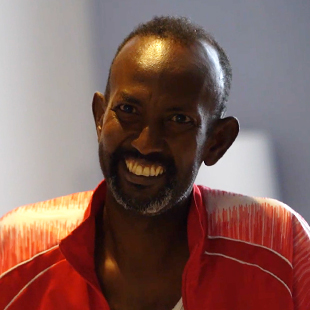
Abdi Ali Osman : Lung Cancer Treatment In Turkey
Abdi Ali Osman
Abdi Ali Osman : Lung Cancer Treatment

A 50 year old patient from Somalia underwent Right Lung Resection surgery at Turkey's prestigious Medicana Camlica Hospital. Read his…

Frequently Asked Questions

The cost of Lung Cancer Treatment procedure starts from USD 20000 in Israel. Lung Cancer Treatment in Israel is available across many hospitals in different states.

Lung Cancer Treatment package cost in Israel has different inclusions and exclusions. There are many hospital that cover the cost of pre-surgical investigations of the patient in the treatment package. The Lung Cancer Treatment cost in Israel includes the cost of anesthesia, medicines, hospitalization and the surgeon's fee. Stay outside the package duration, post-operative complications and diagnosis of a new condition may further increase the Lung Cancer Treatment cost in Israel.

There are several best hospitals for Lung Cancer Treatment in Israel. Some of the best hospitals for Lung Cancer Treatment in Israel include the following:

  1. Rabin Medical Center
  2. Sheba Medical Center
  3. Kaplan Medical Centre
  4. Assuta Hospital
  5. Herzliya Medical Center
  6. Tel Aviv Sourasky Medical Center (Ichilov Medical Center)

While the speed of recovery may vary from patient to patient, they are still required to stay for about 45 days after discharge. This is important to ensure that the surgery was successful. During this time, control and follow-up tests take place to check for medical fitness.

Apart from the Lung Cancer Treatment cost, the patient may have to pay for additional daily expenses such as for guest house after discharge and meals. The per day cost in this case may start from USD 50 per person.

Some of the cpopular cities in Israel that offer Lung Cancer Treatment include the following:

  • Tel-Aviv
  • Tel Hashomer
  • Rehovot
  • Herzliya
  • Petah Tikva

The patient is supposed to stay at the hospital for about 5 days after Lung Cancer Treatment for monitoring and care. The patient is subjected to several biochemistry and radiological scans to see that everything is okay and the recovery is on track. After making sure that patient is clinically stable, discharge is planned.

There are more than 6 hospitals that offer Lung Cancer Treatment in Israel. Such clinics have the required infrastructure and a dedicated unit where patients can be treated. Such hospitals follow all legal protocols and guidelines as specified by the local medical affairs body when it comes to the treatment of international patients.

Some of the most sought after doctors for Lung Cancer Treatment in Israel are:

  1. Dr. Eyal Fenig
  2. Dr. Jacob Korach
  3. Dr. Jacob Ramon
  4. Dr. Alexander Greenstein
  5. Dr. Jack Beniel
  6. Dr. Guy Lahat

Not Sure About Your Treatment Plan? Get a Free Second Opinion

Have your reports reviewed by independent oncology experts to help you make a confident treatment decision, all online within 48 hours.

Upload Your Reports
Free second opinion on your CAR-T plan