Your Notifications
All done, no notifications

Spinal Cord Stimulation Cost in India

Costs starts from USD15000 to USD25000
Filters

How Much Should a Spinal Cord Stimulation Cost in India?

The average cost of Spinal Cord Stimulation in India usually ranges between USD 15000 - USD 25000. This estimate typically includes a consultation with a neurosurgeon or pain specialist, imaging tests such as an MRI or CT scan, necessary pre-surgical evaluations, the trial phase of spinal cord stimulation, the actual implantation procedure, hospital stay, and standard post-operative care.

However, the exact price can vary depending on several factors, such as the type of spinal cord stimulator used, whether advanced surgical technologies like real-time imaging or intraoperative monitoring are involved, and the hospital’s overall reputation.

The experience level of the specialist performing the procedure can also influence the cost. If any complications occur that require intensive care or an extended hospital stay, the total expense may increase accordingly.

Factors Influencing the Cost of a Spinal Cord Stimulation in India

Factors Influencing the Cost of a Spinal Cord Stimulation in India

Cost of Spinal Cord Stimulation in Major cities of India

CityMinimum Cost (USD)Minimum Cost (INR)Maximum Cost (USD)Maximum Cost (INR)
AhmedabadUSD 135001156140USD 225001926900
BangaloreUSD 150001284600USD 250002141000
ChennaiUSD 150001284600USD 250002141000
DelhiUSD 150001284600USD 250002141000
FaridabadUSD 150001284600USD 250002141000
GhaziabadUSD 150001284600USD 250002141000
GurgaonUSD 150001284600USD 250002141000
GurugramUSD 150001284600USD 250002141000
HyderabadUSD 150001284600USD 250002141000
KochiUSD 150001284600USD 250002141000
KolkataUSD 150001284600USD 250002141000
MohaliUSD 135001156140USD 225001926900
MumbaiUSD 150001284600USD 250002141000
NoidaUSD 150001284600USD 250002141000
PanjimUSD 135001156140USD 225001926900
PuneUSD 135001156140USD 225001926900

Spinal Cord Stimulation Cost : A Global Comparison

CountryMinimum CostMinimum Local CurrencyMaximum CostMaximum Local Currency
HungaryUSD 25000HUF 8927000USD 40000HUF 14283200
IndiaUSD 15000INR 1284600USD 25000INR 2141000
IsraelUSD 32000ILS 113280USD 50000ILS 177000
JordanUSD 20000JOD 14200USD 32000JOD 22720
LithuaniaUSD 25000LTL 85518USD 40000LTL 136828
MalaysiaUSD 20000MYR 84800USD 30000MYR 127200
PolandUSD 20000PLN 75200USD 30000PLN 112800
Saudi ArabiaUSD 25000SAR 93750USD 42000SAR 157500
SingaporeUSD 35000SGD 45150USD 60000SGD 77400
South AfricaUSD 22000ZAR 395340USD 35000ZAR 628950
South KoreaUSD 28000KRW 38527440USD 45000KRW 61919100
SpainUSD 25000ESP 3675997USD 42000ESP 6175676
SwitzerlandUSD 45000CHF 37350USD 75000CHF 62250
ThailandUSD 20000THB 654200USD 35000THB 1144850
TunisiaUSD 15000TND 44700USD 28000TND 83440
TurkeyUSD 15000TRY 585900USD 28000TRY 1093680
United Arab EmiratesUSD 28000AED 102760USD 48000AED 176160
United KingdomUSD 30000GBP 22200USD 50000GBP 37000
VietnamUSD 14000VND 365798860USD 25000VND 653212250

Need Help Planning Your Treatment Abroad?

Your 24/7 AI Health Assistant

Spinal Cord Stimulation is a minimally invasive procedure used to manage chronic nerve-related pain that does not respond to medications or conventional treatments. It involves implanting a small device under the skin that sends mild electrical signals to the spinal cord, blocking pain messages before they reach the brain. The procedure typically begins with a trial phase, during which temporary electrodes are placed to assess the patient’s response.

If pain relief is significant, a permanent spinal cord stimulator is implanted. This device features a pulse generator, leads, and a remote control, enabling patients to adjust stimulation settings as needed. The procedure is typically performed under local anaesthesia with sedation or general anaesthesia, depending on the patient’s condition.

Spinal Cord Stimulation is commonly used to treat conditions like failed back surgery syndrome, complex regional pain syndrome, and neuropathic leg or arm pain. While results vary, many patients experience long-term relief, reduced need for pain medications, and improved quality of life.

Spinal cord stimulation (SCS) is a procedure used to manage chronic, treatment-resistant nerve pain, especially in the back, legs, or arms. It involves implanting a device that sends mild electrical impulses to the spinal cord, which help block or modify pain signals before they reach the brain. SCS is commonly used to treat conditions such as failed back surgery syndrome (FBSS), complex regional pain syndrome (CRPS), peripheral neuropathy, and chronic leg or back pain unresponsive to other treatments. The goal is to relieve pain, reduce the need for medications, and improve function and quality of life.

You should consult a pain specialist or spine surgeon if you experience:
  • Chronic neuropathic pain that persists for more than 6 months
  • Pain that doesn’t improve with medications, physical therapy, or injections
  • Pain after spinal surgery (FBSS)
  • Intolerance to pain medications due to side effects
  • Consideration of long-term pain management alternatives
SCS is typically recommended after conservative treatments fail and diagnostic nerve blocks confirm nerve involvement.

Preparation for spinal cord stimulation includes:
  • Comprehensive pain assessment and imaging (MRI or CT)
  • Psychological evaluation to ensure readiness for implant therapy
  • A trial stimulation, where temporary electrodes are placed to test effectiveness
  • If the trial is successful, a permanent device is scheduled for implantation
  • Review of medications, especially blood thinners
  • Fasting for 6–8 hours before surgery
  • Detailed discussion of risks, benefits, and lifestyle adjustments with your physician

SCS is usually performed in two stages:Trial Phase:
  • Temporary electrodes are inserted into the epidural space via a needle
  • A small external stimulator delivers electrical pulses
  • Patients test the system for 3 to 7 days to assess pain relief
Permanent Implantation (if the trial is successful):
  • Electrodes are permanently placed near the spinal cord
  • A small pulse generator (battery pack) is implanted under the skin, usually in the buttock or abdomen
  • The system is programmed and adjusted externally with a handheld controller
The procedure is minimally invasive and typically done under local anaesthesia with sedation.

The trial procedure takes about 30 to 60 minutes. The permanent implantation usually takes 1 to 2 hours. Most patients go home the same day or after an overnight stay, depending on the case.

While SCS is generally safe, potential risks include:
  • Infection at the implant site
  • Bleeding or hematoma
  • Device malfunction or lead migration
  • Pain at the implant site
  • Spinal fluid leak
  • Allergic reaction to implant materials
  • Need for device revision or replacement
Complications are rare and often manageable with prompt medical attention.

  • Significant and long-term pain relief
  • Reduced reliance on opioids and pain medications
  • Minimally invasive, with reversible treatment
  • Adjustable stimulation levels to suit daily needs
  • Improved physical activity, sleep, and overall well-being
  • Beneficial for multiple chronic pain conditions, especially when surgery is not an option
Most patients report 50–70% pain relief with proper programming and follow-up.

Recovery from permanent implantation is generally quick. Patients are advised to avoid bending, twisting, or lifting heavy objects for a few weeks. Mild discomfort at the implant site is common and managed with medication. Light activities may resume in 1–2 weeks, with full recovery over 4–6 weeks. The device is programmed and adjusted during follow-up visits to maximise effectiveness.

Spinal cord stimulation has a success rate of 60–80% for reducing chronic nerve pain. Success is higher when patients are carefully selected and respond well to the trial phase. Long-term satisfaction is high, and the device can be reprogrammed or upgraded as needed.

Would you like some help? We are available.

Get Help
Explore Hospitals ( 69 )
Spinal Cord Stimulation in Metro Hospital: Costs, Top Doctors, and Reviews

Noida, India

  • National Accreditation Board for Testing and Calibration Laboratories (NABL)
  • National Accreditation Board for Hospitals & Healthcare Providers (NABH)

Metro Hospital located in Noida, India is accredited by ISO, NABH, NABL. Also listed below are some of the most prominent infrastructural details:

  • Metro Hospital is a 317 bedded state-of-the-art super speciality hospital, which is functioning as two units- 110 beds capacity in Metro Heart Institute and 207 beds capacity in Metro Multispeciality Hospital
  • 45 beds in Intensive Coronary Care and High Dependency Unit
  • 24/7 Blood Bank
  • 24/7 Pharmacy
  • 24/7 Cardiac Ambulance
  • 24/7 Emergency unit
  • Different types of patients in-patient rooms are available for patients convenience- Super Deluxe rooms (8), Deluxe Rooms (2), Private Rooms (6), Semi-private rooms (14), Triple bedded rooms (6), Four bedded rooms (8), Five bedded rooms (5) and Six bedded rooms (12)
  • Cafeteria/Restaurant
Spinal Cord Stimulation in Sharda Hospital: Costs, Top Doctors, and Reviews

Noida, India

  • National Accreditation Board for Hospitals & Healthcare Providers (NABH)

Sharda Hospital located in Greater Noida, India is accredited by ISO, NABH. Also listed below are some of the most prominent infrastructural details:

  • The hospital is equipped with the best of technologically advanced equipment.
  • Sharda Hospital, Delhi has a bed capacity of 900.
  • There are as many as 90 beds in the critical care section.
  • The critical care facilities are present for general medicine, Pulmonology, Surgery, Paediatrics, Neonatology, Cardiology, Cardiothoracic surgery and Neurosciences.
  • There are Centers of Excellence such as Institute of Child Care, Institute of Dental Sciences, Institute of Orthopedic & Spine,Institute of Neuro Sciences, Institute of Minimal Access Surgery etc.
  • Virtual consultations in the form of Telemedicine and Teleradiology are a reality at an advanced hospital such as Sharda Hospital.
  • There is also a Tele ICU facility that ensures that a virtual ICU is a functioning system. It is aided with audio visual communication systems, latest computers, a team which is networking and a physically present ICU team.
  • 24/7 Emergency care available aided with buses as well as ambulances.
  • Exceptional International patient care coordination is available throughout the system helping patients with transfer, travel, treatments.
Spinal Cord Stimulation in Fortis Hospital: Costs, Top Doctors, and Reviews

Mohali, India

  • Joint Commission International, or JCI
  • National Accreditation Board for Hospitals & Healthcare Providers (NABH)

Fortis Hospital, Mohali, is a leading 400+ bed tertiary care hospital across 8.22 acres, accredited by JCI, NABH, and NABL, offering 42 specialties. The hospital excels in Cardiac Sciences, Oncology, Neurosciences, Orthopaedics, Robotic Surgery, and Transplants. Fortis Cancer Institute provides advanced cancer care with robotic surgery, LINAC, PET-CT, and a multidisciplinary Tumor Board. The Cardiac Centre features 3 high-end cath labs, heart transplants, and expert cardiologists. Neurosciences and Orthopaedics Centres offer advanced brain, spine, joint, and trauma care. Fortis Paalna ensures world-class maternity and neonatal services, including high-risk pregnancy management and stem cell collection, making it a top healthcare destination in North India.

Spinal Cord Stimulation in Medeor Hospital: Costs, Top Doctors, and Reviews

Delhi, India

  • National Accreditation Board for Hospitals & Healthcare Providers (NABH)
  • National Accreditation Board for Testing and Calibration Laboratories (NABL)

Supported by the first class staff, Medeor Hospital is dedicated to providing the latest in medical advances. The hospital’s professional expertise is regarded as one of the finest in India. The centre provides acute specialist services and aims at delivering top-quality medical and patient care.

Infrastructure & Facilities:

  • 24x7 Emergency, Diagnostics and Pharmacy services
  • State of the art instruments
  • Hi-tech ICUs
  • Modular OTs
  • High-end Medical Diagnostic Laboratories
  • Highly Experienced Physicians & Surgeons
  • Zero Bacteria Operation Theaters
  • Modern Infrastructure Equipped with Advanced Facilities
  • Radiology department equipped with advanced diagnostic imaging technologies like 1.5 tesla MRI, high-tech 160 CT Scan and dual detector X – ray
  • Cardiac Catheterization Lab having Hybrid Operating Room
  • Linear Accelerator, Brachytherapy Suite, Wide Bore CT Simulator
  • Slice CT Scan, CT Simulation
  • Slice PET CT, Dual Head 6 Slice SPECT CT
  • Facilitation counter at International Airport, New Delhi
  • Translator of different languages
  • Assistance in lodging, boarding and ticketing
  • Wi-Fi and local SIM cards
  • Tele-medicine, e-consultation and post discharge follow up
  • Foreign exchange services
  • Prayer and meditation rooms
Spinal Cord Stimulation in Asian Institute of Medical Sciences: Costs, Top Doctors, and Reviews

Faridabad, India

  • National Accreditation Board for Testing and Calibration Laboratories (NABL)
  • National Accreditation Board for Hospitals & Healthcare Providers (NABH)

Asian Institute of Medical Sciences located in Faridabad, India is accredited by NABH, NABL. Also listed below are some of the most prominent infrastructural details:

  • 425 bed capacity
  • Preventive and diagnostic sevices of the hospital are its strength.
  • It is also well recognised for the therapeutic and rehabilitative services.
  • For patients who need end process care for advanced healthcare conditions, the palliative services that the hospital provides are a boon.
  • The healthcare delivery of AIMS, Delhi/NCR is focused on patient care.
  • Research focused organisation
  • International Patient care center is present to liason with medical travellers
  • Focus on Academics, various healthcare educational programmes
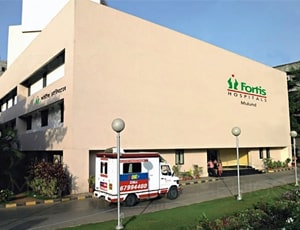
Spinal Cord Stimulation in Fortis Hospital, Mulund: Costs, Top Doctors, and Reviews

Mumbai, India

  • Joint Commission International, or JCI
  • National Accreditation Board for Hospitals & Healthcare Providers (NABH)

Fortis Hospital Mulund, located in Mulund West, Mumbai, is a premier healthcare facility providing excellence in multi-speciality healthcare for over 20 years. The global leader in advancing medical technology and clinical expertise, the hospital offers specialities including Cardiology, Neurosciences, Oncology, Transplants, and Orthopaedics. The hospital is well-known for being the largest transplant center in Maharashtra and offers advanced treatment options, including Transcatheter Aortic Valve Implantation (TAVI) and stereotactic precision radiotherapy for cancer. Fortis Mulund is equipped with a 24/7 Emergency Department and International Patient Unit to provide world-class patient-centric care.

Spinal Cord Stimulation in Max Super Speciality Hospital, Saket: Costs, Top Doctors, and Reviews

Delhi, India

  • Joint Commission International, or JCI
  • National Accreditation Board for Hospitals & Healthcare Providers (NABH)

Max Smart Super Speciality Hospital, Saket, is a 250-bed tertiary care hospital awarded NABH accreditation, which provides advanced medical care in various specialities such as Cardiac Sciences, Orthopaedics, Neurology, Urology, Kidney Transplant, Paediatrics, and Obstetrics & Gynaecology. The hospital provides quality, safe, integrated, and patient-centric medical care using modular OTs, ICUs, Cath Labs, CT, MRI and Dialysis units.

Spinal Cord Stimulation in Manipal Hospital, Hebbal: Costs, Top Doctors, and Reviews

Bangalore, India

  • National Accreditation Board for Testing and Calibration Laboratories (NABL)
  • National Accreditation Board for Hospitals & Healthcare Providers (NABH)

Manipal Hospitals, a group of Manipal Education Medical Group, is India’s leading multi-speciality network, comprising over 650 beds. Dedicated to clinical excellence, patient-centric care and ethical practices, it provides sophisticated diagnostics, surgery and home care services to both domestic and international patients, while also improving access to affordable healthcare for underprivileged communities.

Spinal Cord Stimulation in Clear Medi Hospital, Karkardooma: Costs, Top Doctors, and Reviews

Delhi, India

  • National Accreditation Board for Hospitals & Healthcare Providers (NABH)
  • National Accreditation Board for Testing and Calibration Laboratories (NABL)

Clear Medi Hospital, Karkardooma located in New Delhi, India is accredited by ISO. Also listed below are some of the most prominent infrastructural details:

  • There are 12 Linear Accelerators in all hospitals of Clear Medi Hospital, Delhi, India and more in the development stage.
  • Over 25 surgical and medical specialties across all Clear Medi Hospitals
  • Care Medi is one of the biggest Oncology care organisations in India.
  • Hospital management solutions provided to over 15 partner healthcare organisations managing more than 300 beds.
  • The organisation consists of offerings such as clinical manpower management and equipment management.
  • Advanced radiology and nuclear medicine centres
  • Professionally managed international patient care
  • Clear Medi Hospital, Delhi has a capacity of 100 beds.
  • Clear Medi is a multispecialty hospital.
  • It is a NABH (National Accreditation Board for Hospitals & Healthcare providers) certified hospital.
  • It has Oncology and Cardiac departments with an Intensive Care Unit.
  • It also has fully equipped Operation Theatres.
  • Clear Medi Hospital ensures coordination with patients and International Patient assistance
  • It has an online Tumor Board with a number of Medical, Surgical and Radiation Oncologists.
Spinal Cord Stimulation in Bai Jerbai Wadia Hospital for Children: Costs, Top Doctors, and Reviews

Mumbai, India

Bai Jerbai Wadia Hospital for Children located in Mumbai, India is accredited by AAAHC. Also listed below are some of the most prominent infrastructural details:

  • There are two parts of the hospital, one is focused on women's care and the other is focused on child care.
  • Bai Jerbai Wadia hospital for Children
    • 300 bed capacity
    • 60 Pediatricians
    • 10,000 in-patients (annual)
    • 100,000 outpatients (annual)
    • Biggest Neonatal ICU (West zone)
  • Nowrosjee Wadia Maternity Hospital
    • Obstetrics and Gynecological disciplines (several)
    • 20 specialists
    • 305 bed capacity
    • It is also a referral centre for women who are rehabilitating as well as their families.

Need Some Advice From Our Experts?

Request a Call Back Now!

Our team of healthcare experts would be happy to assist you

trusted Patientstrusted Patients+99
Trusted by 50000+ Patients
Required | alphabets and spaces
Required | A valid, working email address
Required | A valid contact

Process Involved for Spinal Cord Stimulation in India

  • Diagnosis and Evaluation: Scans such as CT, MRI, or angiography are performed to locate the aneurysm and determine if clipping is the most suitable treatment option.
  • Preoperative Preparation: The patient undergoes health checks, stops certain medications if needed, and receives counselling about the surgery and recovery.
  • Anaesthesia and Positioning: The patient is administered general anaesthesia, and the head is positioned to provide optimal access to the aneurysm.
  • Craniotomy: A small portion of the skull is carefully removed to reach the aneurysm site.
  • Clipping the Aneurysm: A tiny metal clip is gently placed at the base of the aneurysm to stop blood flow and prevent the aneurysm from rupturing.
  • Closing the Skull and Wound: The skull bone is replaced and secured, and then the scalp is stitched or stapled to close the wound.
  • Immediate Recovery Monitoring: The patient is moved to the ICU, where brain activity and vital signs are closely monitored to detect any early complications.
  • Postoperative Care and Rehabilitation: Once stable, the patient begins recovery with medications, rest, and physiotherapy. Regular follow-ups and lifestyle changes support long-term healing.
  • Failed Back Surgery Syndrome: Pain that continues or returns after undergoing spinal surgery.
  • Complex Regional Pain Syndrome: A nerve-related pain disorder that affects a limb following injury or surgery.
  • ChronicBackPain: Long-term pain in the back that doesn’t respond well to conventional therapies.
  • Chronic Leg Pain: Ongoing leg discomfort caused by nerve compression or spinal issues.
  • Peripheral Neuropathy: A condition where peripheral nerves are damaged, resulting in discomfort such as burning, tingling, or numbness, often in the extremities like the hands or feet.
  • Arachnoiditis: Inflammation of the spinal nerve linings that leads to severe, burning-type pain.
  • Spinal Stenosis: Narrowing within the spinal column that can compress nerves and lead to pain.
  • Disc Herniation: When a spinal disc bulges or ruptures, pressing on nearby nerves and causing symptoms.
  • Nerve Injury: Persistent pain and sensory changes resulting from damaged nerves.
  • Ischemic Pain: Pain that arises due to limited blood flow, often affecting the lower limbs.
  • Initial Evaluation: The doctor reviews the patient’s medical history, pain symptoms, and previous treatments to determine if SCS is appropriate.
  • Psychological Assessment: A mental health evaluation is conducted to ensure the patient is emotionally and psychologically prepared for the implant.
  • Imaging tests, such as MRI, CT scans, or X-rays, are used to examine spinal structures and guide the placement of leads.
  • Trial Stimulation: A temporary stimulator is implanted to test how well it manages the patient’s pain over a few days.
  • Permanent Implantation: If the trial is successful, permanent leads and a pulse generator are surgically implanted.
  • Device Programming: The stimulation settings are adjusted using an external device to personalise pain relief.
  • Follow-up care: Regular check-ups are scheduled to monitor recovery, adjust settings as needed, and manage any potential complications that may arise.
  • Laminectomy
  • Discectomy
  • Foraminotomy
  • Epidurogram
  • TrialStimulation
  • LeadPlacement
  • GeneratorImplantation
  • Neuroablation
  • SpinalFusion
  • NerveBlock
  • PainRelief – Helps reduce chronic pain by disrupting pain signals before they reach the brain.
  • Medication Reduction – Lowers the need for long-term pain medications, especially opioids.
  • Improved Mobility – Enhances movement and physical function by managing pain more effectively.
  • Reversible – The system can be turned off or removed if it doesn’t provide relief.
  • Customisable – Stimulation settings can be adjusted to match individual pain patterns.
  • Minimally Invasive – The procedure involves small incisions, resulting in a shorter recovery time compared to traditional surgeries.
  • BetterSleep – Reducing pain often leads to improved sleep quality.
  • Enhanced Quality of Life – Overall well-being and daily functioning improve with sustained pain control.
False

Instantly Connect with our Spinal Cord Stimulation Specialists

Doctor 1
Doctor 2
Doctor 3
Doctor 4
Doctor 5
Doctor 6
Doctor 7
Doctor 8
Our Services to Better your Experience

Opinion & Option

We submit the most accurate opinion and options from one or more countries for your review

Consult Privately

Consult with a certified specialist privately on our telemedicine platform even before you decide to travel

Logistics

We handle flights, visas, transfers, and accommodation—so you can focus on your health.

Recovery

Our In-house rehabilitation service packages to better your recovery and treatment outcome

Other Popular Countries for Spinal Cord Stimulation

Our network connects you with the leading medical tourism destinations globally, offering a wide range of cities, top doctors, and flexible pricing options.

Turkey
Egypt
Spain
Malaysia

Frequently Asked Questions

Factors that raise the risk of Spinal Cord Stimulation in India include: -

  • Uncontrolled Diabetes may delay wound healing and increase infection risk.
  • Poo Hygiene: Increases the chance of post-surgical infections.
  • Limited Follow-Up: Inconsistent access to specialised care can affect long-term outcomes.
  • Smoking: Slows healing and increases the risk of implant-related complications.

Spinal cord stimulation shows a success rate of 70–80% in reputed multispecialty hospitals with experienced neurosurgeons.

Fortis Hospital and Artemis Hospital are renowned for performing laminectomies with a focus on precision, combining expert neurosurgeons, advanced imaging, and personalised rehabilitation programs.

The following are the precautions to take after a Spinal Cord Stimulation in India:

  • Avoid bending, twisting, or lifting heavy objects for at least 6 weeks
  • Keep the incision area clean and dry to prevent infection.
  • Follow-up visits are essential for reprogramming and wound checks.

Author

Alvina Hasan
Alvina Hasan

M.Pharm

2 Year of Experience

Alvina Hasan is a dedicated medical researcher and scientific writer with a strong foundation in pharmaceutical sciences. She holds a B.Pharm from Jamia Hamdard University and an M.Pharm in Quality Assurance from DIPSAR University.

With deep medical expertise and a strong interest in healthcare communication, she focuses on transforming complex clinical and scientific information into clear, engaging, and easy-to-understand narratives. She develops insightful healthcare articles and research-driven content designed to support both medical professionals and patients, helping bridge the gap between advanced medical knowledge and practical understanding.

Readers can explore her published research and articles here:

https://carcinogenesis.com/index.php/JOC/article/view/868

https://carcinogenesis.com/index.php/JOC/article/view/870

. View More

Reviewer

⁠Dr Rakesh Kumar Dua

Spine & Neurosurgeon

25 Years of Experience

Dr. Rakesh Dua has more than 25+ years of clinical experience in spine surgeries. He is currently providing his services as Director, Neuro & Spine Surgery at Fortis Hospital, Shalimar Bagh. Before joining Fortis Hospital, he was associated with Max super-specialist Hospital, Shalimar Bagh as Director Neurosurgery & Head Neuro Spine, and with UCMS & GTB hospital as head of the neurosurgery department. View More

Last Reviewed - January 2026