Your Notifications
All done, no notifications

Pars Repair surgery Cost in India

Costs starts from USD6500 to USD10000
Filters

How Much Should a Pars Repair Surgery Cost in India?

The cost of Pars Repair surgery in India generally ranges from USD 6500 - USD 10000, depending on the hospital’s location, medical team, and the complexity of the patient’s condition. This price typically includes consultation with the neurosurgeon, diagnostic imaging such as MRI or CT scans, preoperative tests, the surgery itself, hospital admission, and initial follow-up care.

Still, the final cost may differ depending on a few critical elements. These may include the severity and location of the compressed nerve, the use of advanced surgical tools such as neuronavigation systems or minimally invasive techniques, and the hospital’s infrastructure and quality of care.

Additionally, expenses may increase if the neurosurgeon is highly specialised, or if the patient experiences any complications after the procedure that require extended hospital stay or intensive care support. These clinical and logistical details contribute to the total treatment cost.

Factors Influencing the Cost of a Pars Repair Surgery in India

Factors Influencing the Cost of a Pars Repair Surgery in India

Cost of Pars Repair surgery in Major cities of India

CityMinimum Cost (USD)Minimum Cost (INR)Maximum Cost (USD)Maximum Cost (INR)
AhmedabadUSD 5850500994USD 9000770760
BangaloreUSD 6500556660USD 10000856400
ChennaiUSD 6500556660USD 10000856400
DelhiUSD 6500556660USD 10000856400
FaridabadUSD 6500556660USD 10000856400
GhaziabadUSD 6500556660USD 10000856400
GurgaonUSD 6500556660USD 10000856400
GurugramUSD 6500556660USD 10000856400
HyderabadUSD 6500556660USD 10000856400
KochiUSD 6500556660USD 10000856400
KolkataUSD 6500556660USD 10000856400
MohaliUSD 5850500994USD 9000770760
MumbaiUSD 6500556660USD 10000856400
NoidaUSD 6500556660USD 10000856400
PanjimUSD 5850500994USD 9000770760

Pars Repair surgery Cost : A Global Comparison

CountryMinimum CostMinimum Local CurrencyMaximum CostMaximum Local Currency
HungaryUSD 10000HUF 3570800USD 16000HUF 5713280
IndiaUSD 6500INR 556660USD 10000INR 856400
IsraelUSD 16000ILS 56640USD 25000ILS 88500
JordanUSD 9500JOD 6745USD 15000JOD 10650
LithuaniaUSD 11000LTL 37628USD 17000LTL 58152
MalaysiaUSD 9000MYR 38160USD 16000MYR 67840
PolandUSD 8000PLN 30080USD 14000PLN 52640
Saudi ArabiaUSD 11000SAR 41250USD 20000SAR 75000
SingaporeUSD 16000SGD 20640USD 30000SGD 38700
South AfricaUSD 9000ZAR 161730USD 16000ZAR 287520
South KoreaUSD 12000KRW 16511760USD 22000KRW 30271560
SpainUSD 11000ESP 1617439USD 20000ESP 2940798
SwitzerlandUSD 22000CHF 18260USD 40000CHF 33200
ThailandUSD 9000THB 294390USD 16000THB 523360
TunisiaUSD 7000TND 20860USD 13000TND 38740
TurkeyUSD 6500TRY 253890USD 12000TRY 468720
United Arab EmiratesUSD 12000AED 44040USD 22000AED 80740
United KingdomUSD 13000GBP 9620USD 24000GBP 17760
VietnamUSD 6000VND 156770940USD 11000VND 287413390

Need Help Planning Your Treatment Abroad?

Your 24/7 AI Health Assistant

Pars Repair Surgery is a specialised spinal procedure aimed at treating defects or fractures in the pars interarticularis, a small segment of bone that connects the upper and lower joints of the vertebrae. This surgery is commonly recommended for patients with spondylolysis or chronic lower back pain that hasn’t improved with non-surgical treatments.

During the procedure, the damaged area is stabilized using screws, bone grafts, or fixation devices to promote healing and restore spinal function. The goal is to relieve pain, improve mobility, and prevent further spinal instability while preserving the natural movement of the spine.

Pars repair surgery is performed to treat a condition called spondylolysis, which is a stress fracture or defect in the pars interarticularis, a small segment of bone connecting the upper and lower facets of a vertebra. It is most common in adolescents and young adults, especially athletes involved in activities that involve repetitive spine extension (e.g., gymnastics, football). The goal of the surgery is to repair the fractured bone, restore spinal stability, relieve chronic lower back pain, and allow the patient to return to regular activity without limiting motion.

Consult a spine specialist if you experience:
  • Persistent lower back pain, especially during activity
  • Pain that worsens with bending backwards or twisting
  • Limited mobility or stiffness in the lower back
  • Symptoms that do not improve with rest, physical therapy, or medications
  • X-rays, MRI, or CT scans confirming a pars defect or non-healing fracture
Surgery is usually recommended when conservative treatments fail after several months or when the condition leads to spinal instability.

Preparation for the pars repair surgery includes:
  • Detailed imaging (CT or MRI) to confirm the defect and assess spinal health
  • Physical examination and review of symptoms
  • Discussion of your activity level, lifestyle, and goals for surgery
  • Medication review, especially if taking anti-inflammatory drugs or blood thinners
  • Fasting for 6–8 hours before surgery
  • Discussion of surgical risks, recovery expectations, and post-operative care
You should also plan for limited activity during early recovery and arrange for assistance at home.

Pars repair surgery is typically performed under general anaesthesia. The steps include:
  • A small incision is made in the lower back to expose the affected vertebra
  • The surgeon removes scar tissue and prepares the bone edges of the fracture site
  • A bone graft (from the patient or donor) is placed in the gap
  • The fracture is stabilised using screws, wires, or hooks to hold the bone in place while it heals.
The goal is to preserve motion at the affected spinal level and avoid spinal fusion if possible, especially in younger patients.

Pars repair surgery typically takes between 1.5 and 3 hours, depending on the number of levels involved. Most patients stay in the hospital for 1 to 2 days, and in some cases, the procedure can be performed as a day surgery.

Potential risks include:
  • Infection
  • Bleeding
  • Nerve injury
  • Failure of the bone graft to heal (nonunion)
  • Hardware-related discomfort
  • Persistent or recurrent back pain
  • Need for revision surgery or spinal fusion
Risks are minimised with proper patient selection and experienced surgical care.

  • Pain relief from stabilised vertebra
  • Preservation of natural spinal motion, especially in young patients
  • Avoidance of spinal fusion and long-term stiffness
  • Improved function and return to sports or regular activity
  • High success rate in appropriately selected patients

Patients are encouraged to walk as soon as possible after surgery. A back brace may be worn for a few weeks. Light activities can resume in 2–4 weeks, while a full return to sports or heavy lifting may take 3–6 months, depending on the rate of healing. Physical therapy supports core strength and flexibility. Follow-up X-rays or CT scans are used to assess bone healing and implant position.

Pars repair surgery has a high success rate, particularly in younger, active patients with isolated pars defects. Studies report 80–90% of patients achieving significant pain relief and return to normal function, especially when the bone heals fully and the spine remains stable.

Would you like some help? We are available.

Get Help
Explore Hospitals ( 49 )
Pars Repair surgery in Asian Institute of Medical Sciences: Costs, Top Doctors, and Reviews

Faridabad, India

  • National Accreditation Board for Testing and Calibration Laboratories (NABL)
  • National Accreditation Board for Hospitals & Healthcare Providers (NABH)

Asian Institute of Medical Sciences located in Faridabad, India is accredited by NABH, NABL. Also listed below are some of the most prominent infrastructural details:

  • 425 bed capacity
  • Preventive and diagnostic sevices of the hospital are its strength.
  • It is also well recognised for the therapeutic and rehabilitative services.
  • For patients who need end process care for advanced healthcare conditions, the palliative services that the hospital provides are a boon.
  • The healthcare delivery of AIMS, Delhi/NCR is focused on patient care.
  • Research focused organisation
  • International Patient care center is present to liason with medical travellers
  • Focus on Academics, various healthcare educational programmes
Pars Repair surgery in Fortis Hospital, Mulund: Costs, Top Doctors, and Reviews

Mumbai, India

  • Joint Commission International, or JCI
  • National Accreditation Board for Hospitals & Healthcare Providers (NABH)

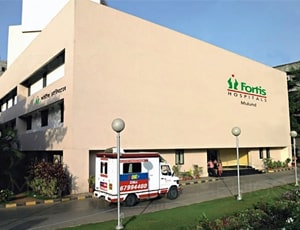
Fortis Hospital Mulund, located in Mulund West, Mumbai, is a premier healthcare facility providing excellence in multi-speciality healthcare for over 20 years. The global leader in advancing medical technology and clinical expertise, the hospital offers specialities including Cardiology, Neurosciences, Oncology, Transplants, and Orthopaedics. The hospital is well-known for being the largest transplant center in Maharashtra and offers advanced treatment options, including Transcatheter Aortic Valve Implantation (TAVI) and stereotactic precision radiotherapy for cancer. Fortis Mulund is equipped with a 24/7 Emergency Department and International Patient Unit to provide world-class patient-centric care.

Pars Repair surgery in Manipal Hospital, Hebbal: Costs, Top Doctors, and Reviews

Bangalore, India

  • National Accreditation Board for Testing and Calibration Laboratories (NABL)
  • National Accreditation Board for Hospitals & Healthcare Providers (NABH)

Manipal Hospitals, a group of Manipal Education Medical Group, is India’s leading multi-speciality network, comprising over 650 beds. Dedicated to clinical excellence, patient-centric care and ethical practices, it provides sophisticated diagnostics, surgery and home care services to both domestic and international patients, while also improving access to affordable healthcare for underprivileged communities.

Pars Repair surgery in Clear Medi Hospital, Karkardooma: Costs, Top Doctors, and Reviews

Delhi, India

  • National Accreditation Board for Hospitals & Healthcare Providers (NABH)
  • National Accreditation Board for Testing and Calibration Laboratories (NABL)

Clear Medi Hospital, Karkardooma located in New Delhi, India is accredited by ISO. Also listed below are some of the most prominent infrastructural details:

  • There are 12 Linear Accelerators in all hospitals of Clear Medi Hospital, Delhi, India and more in the development stage.
  • Over 25 surgical and medical specialties across all Clear Medi Hospitals
  • Care Medi is one of the biggest Oncology care organisations in India.
  • Hospital management solutions provided to over 15 partner healthcare organisations managing more than 300 beds.
  • The organisation consists of offerings such as clinical manpower management and equipment management.
  • Advanced radiology and nuclear medicine centres
  • Professionally managed international patient care
  • Clear Medi Hospital, Delhi has a capacity of 100 beds.
  • Clear Medi is a multispecialty hospital.
  • It is a NABH (National Accreditation Board for Hospitals & Healthcare providers) certified hospital.
  • It has Oncology and Cardiac departments with an Intensive Care Unit.
  • It also has fully equipped Operation Theatres.
  • Clear Medi Hospital ensures coordination with patients and International Patient assistance
  • It has an online Tumor Board with a number of Medical, Surgical and Radiation Oncologists.
Pars Repair surgery in Bai Jerbai Wadia Hospital for Children: Costs, Top Doctors, and Reviews

Mumbai, India

Bai Jerbai Wadia Hospital for Children located in Mumbai, India is accredited by AAAHC. Also listed below are some of the most prominent infrastructural details:

  • There are two parts of the hospital, one is focused on women's care and the other is focused on child care.
  • Bai Jerbai Wadia hospital for Children
    • 300 bed capacity
    • 60 Pediatricians
    • 10,000 in-patients (annual)
    • 100,000 outpatients (annual)
    • Biggest Neonatal ICU (West zone)
  • Nowrosjee Wadia Maternity Hospital
    • Obstetrics and Gynecological disciplines (several)
    • 20 specialists
    • 305 bed capacity
    • It is also a referral centre for women who are rehabilitating as well as their families.
Pars Repair surgery in VPS Rockland Hospital: Costs, Top Doctors, and Reviews

Gurgaon, India

  • National Accreditation Board for Hospitals & Healthcare Providers (NABH)
  • National Accreditation Board for Testing and Calibration Laboratories (NABL)

VPS Rockland Hospital located in Gurugram, India is accredited by NABH, NABL. Also listed below are some of the most prominent infrastructural details:

  • Well-designed compact 103-bed hospital expanding over120,000 square feet
  • Well equipped modular operation theatres, intensive care unit, interventional Cath lab, and in-patient rooms ranging from economy to luxury
  • Offers a bouquet of services like Internal Medicine, Obstetrics & Gynaecology, Surgery, Pediatrics
  • High-end diagnostic services like 1.5 T MRI and 128 slice CT Scan
  • Advanced non-invasive assessment with echo & TMT machines
  • State of the art cardiac Cath-Lab
  • Appointment Scheduling
  • Treatment packages
  • Accommodation arrangement for the accompanying attendant
  • Customized diet for patient and attendant
  • Laundry services
  • Prayer room
  • Visa assistance
  • Pick and drop facility from/to the Airport
  • Foreign exchange facility
  • Registration with the Foreigners Regional Registration Office
  • Dedicated Neuro-Intensive care unit managed by expert intensivists
  • Accommodation arrangements post discharge
  • Highly advanced instruments for deep brain stimulation, stereotaxy, micro-neurosurgery, pediatric neurosurgery & neurophysiology
  • Most advanced dialysis machines and advanced diagnostic and therapeutic facilities
  • Renal replacement therapy for hemo-dynamically unstable patient
  • Technologically advanced endoscopy suite
  • Wi-Fi/internet service in the room
  • Travel arrangement for patient & attendant post discharge
  • Tele-consults post discharge
  • Dialysis beds
  • 24x7 ‘Trauma & Emergency Center
  • Dedicated blood bank
  • 24x7 comprehensive patient care.
  • Deployed high-end technologies & smart digital system
  • Robust Hospital Information Systems to meet complex medical needs of patients
  • Robotic-assisted surgeries
  • International Patients Lounge
Pars Repair surgery in The Madras Institute of Orthopedics and Traumatology: Costs, Top Doctors, and Reviews

Chennai, India

  • National Accreditation Board for Hospitals & Healthcare Providers (NABH)
  • Joint Commission International, or JCI

MIOT started its journey with only 70 beds and focusing on Orthopedics and Trauma care. However, we grew into a multi-specialty hospital with time. MIOT is now a 1000-bedded hospital and can offer an extensive range of services across 63 specialties. The state of art laboratory of our hospital is ranked 8th internationally. We have 21 super-specialty operation theaters equipped with cutting-edge technology to help our doctors with complex procedures.

We take great care to make our patient rooms comfortable enough. The patient rooms get plenty of fresh air as well as natural light. The soothing views from the rooms do not let the patients feel cut off from the outside world. We use separate entrances for emergency patients, out-patients, in-patients, and their attendants. We put our patients’ safety first which is why we use a superior air system to ensure a near-zero infection healthy environment.

Apart from that, MIOT’s 24 hours blood bank provides all kinds of blood work related services which include blood collection to component separation. This state-of-art blood bank alone handles more than 30,000 units of blood over the course of a year. Every month around 600 blood transfusions are managed by this blood bank.

MIOT’s SIGNA Pioneer 3T MRI machine is made with noise reduction technology. This silent MRI machine can deliver superior quality neuroimages without wasting any time. The department of Radiology and Imaging Sciences can give tough competition to any international hospital with its advanced technology and accuracy.

The PET CT service at MIOT International is the first of its kind in South India enabling better and more accurate diagnosis than earlier. The superior diagnosis is also possible for the two digital cath labs at MIOT Heart Revive center.

We also have a physiotherapy team where a team of highly efficient physiotherapists deals with the mobility and functional disability issues of our patients. They listen to the patients carefully to identify the root of the pain and use therapeutic exercises to reduce their pain.

The CCU of MIOT is something to be proud of. The specially-trained staff of this unit is dedicated to ensuring top-quality medical support to serious patients. This unit along with the MIOT International Laboratory is the backbone of our facility.

Furthermore, what makes MIOT unique is our Telemedicine service. In the new normal, we are trying everything to reach our patients. Our one of its kind Telemedicine service connects our patients to our 250 full-time doctors over email, phone, chat and video consultations.

Pars Repair surgery in Sanar International Hospital: Costs, Top Doctors, and Reviews

Gurugram, India

  • National Accreditation Board for Hospitals & Healthcare Providers (NABH)
  • Joint Commission International, or JCI

Sanar International Hospital is a multispeciality hospital based on Golf Course Road in Gurugram, a part of Delhi NCR. It was founded in 2018 and houses one of the most comprehensive and advanced surgical care specialties. This 150-bedded facility is committed to providing the best patient experiences and healthcare services is the core of the hospital’s mission. Staffed by a group of visionary and competent medical professionals who are well-versed in their fields and eminent for their empathy and understanding, Sanar International Hospital provides optimal care to its patients, making it a popular

Specialties in the Hospital such as Heart, Bone, and Joint neurosciences, Cancer, Kidney and Liver Transplant, and other successful procedures along with experienced medical professionals have made a mark for themselves among domestic patients and international patients who come to India to have the finest healthcare services. It follows strict international practices and believes that the centricity of the patient is essential for providing high-quality care through world-class infrastructure and state-of-the-art facilities. The technologies offered by the Hospital include Digital X-rays, MRI, CT, Ultrasound, transfusion medicine, pharmacy, laboratory services, 24 hrs emergency and ambulance services.

It offers more than 20 plus specialties such as General Medicine, Anesthesiology, Cardiac Sciences, Ophthalmology, Gastroenterology, Hematology, Orthopedics, General Surgery & Surgical, Cardiothoracic Surgery, Hepato Biliary Surgery, Pediatrics, Liver Transplantation, and Critical Care Medicine. The Hospital has a highly skilled medical staff of neuro-anesthetists, neurologists, specialized neurocritical care experts, neurosurgeons neuropsychologists, and neuropsychiatrists. There are specific centers for the treatment of epilepsy, stroke, brain tumors, movement disorders, spinal problems, and headaches.

Pars Repair surgery in Manipal Hospital, Ghaziabad: Costs, Top Doctors, and Reviews

Ghaziabad, India

  • National Accreditation Board for Hospitals & Healthcare Providers (NABH)
  • National Accreditation Board for Testing and Calibration Laboratories (NABL)

Founded in 2010, Manipal Hospital-Ghaziabad (formerly Columbia Asia Hospital) is a well-known multispecialty hospital accredited by the National Accreditation Board for Hospitals and Healthcare Providers (NABH). With 100 beds, the hospital is committed to providing effective and reasonably priced healthcare in a clean and safe setting. The hospital has several departments that are known for their expertise, including Orthopaedics, Internal Medicine, Gastroenterology, Plastic Surgery, Obstetrics and Gynecology, ENT, and more. Due to this recognition, the hospital is now regarded as one of the best medical establishments in the Ghaziabad area.

Pars Repair surgery in Apollo Multispecialty Hospitals: Costs, Top Doctors, and Reviews

Kolkata, India

  • Joint Commission International, or JCI
  • ISO 9001

Apollo Multispecialty Hospitals located in Kolkata, India is accredited by JCI, NABH. Also listed below are some of the most prominent infrastructural details:

  • International patient Center
  • Focus on research and innovation
  • Different amenities: Transport, Security, Travel Desk, Places of Worship, Telecommunication Service, Special Nurse, Food & Dietary Services
  • Several kinds of rooms: General ward, Semi Private Rooms, Private Rooms, Deluxe, Super Deluxe, Suite, Maharaja Suite, HDU, Gastro ICU, Emergency, Neonatal ICU, Level 1, Level 2 & Level 3
  • Health Insurance coverage available
  • Here is a comprehensive list of the various kinds of key medical procedures performed through the latest technology.
  • Arthroscopy
  • Bone Marrow Transplant
  • Cosmetic Surgery
  • Da Vinci Robotic Surgical System
  • Fractional Flow Reserve (FFR)
  • Hand Microsurgery
  • Hip Arthroscopy
  • Minimally Invasive Cardiac Surgery
  • Minimally Invasive Subvastus Total Knee Replacement
  • Oral & Maxillofacial Surgery
  • 128 Slice PET CT
  • Bioresorbable Vascular Scaffold (BVS)
  • ECMO
  • OCT Technique - Optical Coherence Tomography
  • Single Port Endoscopic technique of Carpal Tunnel Release (ECTR)

Need Some Advice From Our Experts?

Request a Call Back Now!

Our team of healthcare experts would be happy to assist you

trusted Patientstrusted Patients+99
Trusted by 50000+ Patients
Required | alphabets and spaces
Required | A valid, working email address
Required | A valid contact

Process Involved for Pars Repair surgery in India

  • Diagnosis: A detailed physical examination, along with imaging tests such as X-rays, MRIs, or CT scans, is performed to confirm a pars defect.
  • Preoperative Preparation: This includes blood tests, anaesthesia clearance, medication review, and patient counselling regarding the surgery and recovery.
  • Surgical Procedure: The surgeon repairs the fractured pars interarticularis using screws, bone grafts, or fixation devices under general anaesthesia.
  • Post-operative Care: The patient is monitored for pain, wound healing, and neurological function, and is advised on limited movement and incision care.
  • Rehabilitation: Includes physiotherapy and strengthening exercises to restore mobility, reduce stiffness, and support long-term spinal stability.
  • Follow-up and Recovery Monitoring: Regular follow-up visits with imaging (X-ray/CT) to assess healing, ensure bone fusion, and prevent complications.
  • Spondylolysis: A stress fracture in the pars interarticularis that causes localised lower back pain, especially in young athletes.
  • Lumbar spine stress fractures: Tiny cracks in the lower back bones due to repetitive stress or overuse, often requiring surgical repair when conservative treatments fail.
  • Pars interarticularis defect: A break or defect in the bony bridge between vertebrae, which can lead to spinal instability and pain.
  • Chronic lower back pain due to a pars defect: Persistent back pain linked to an undiagnosed or unhealed defect in the pars region.
  • Instability of the vertebral arch: When the spinal bones fail to stay properly aligned due to a weakened or broken pars, causing pain and reduced mobility.
  • Non-healing stress fractures in young athletes: Stress fractures that don’t heal with rest or bracing and require surgical intervention to restore spine stability.
  • Progressive spinal slippage (early-stage spondylolisthesis): A condition where one vertebra starts to slide forward due to a pars defect, needing surgical repair before it worsens.
  • Recurrent back pain not responding to conservative treatment: Ongoing lower back pain that doesn’t improve with physiotherapy, medication, or bracing, often linked to an underlying pars defect.
  • Patient Evaluation: A thorough clinical assessment and imaging (X-ray, MRI, or CT scan) are conducted to confirm the presence and severity of the pars defect.
  • Anaesthesia Administration: The patient is given general anaesthesia to ensure they are wholly unconscious and pain-free during the procedure.
  • Surgical Incision: A small incision is made in the lower back to access the affected vertebra and the fractured pars interarticularis.
  • Exposure of the Defect: The surrounding muscles and soft tissues are carefully retracted to fully reveal the pars defect, while ensuring that nearby nerves remain undisturbed.
  • Defect Preparation: The site is cleaned, and any scar tissue or damaged bone is removed to prepare for repair.
  • Bone Grafting (if needed): A bone graft, either from the patient (autograft) or donor (allograft), is placed in the defect to support healing.
  • Fixation: Specialized screws or wires (e.g., Buck’s screw or Scott wiring technique) are used to stabilize the pars and hold the bone in place.
  • Closure: The incision is carefully sutured layer by layer, and a sterile dressing is applied to the wound.
  • Recovery and Monitoring: The patient is taken to a recovery room for observation and initial pain management before starting the rehabilitation process.
  • Laminectomy / Laminotomy
  • Foraminotomy
  • Discectomy
  • Bracing
  • Endoscopy
  • Improves spinal stability
  • Reduces lower back pain
  • Restores normal movement and flexibility
  • Enhances physical activity and mobility
  • Promotes natural bone healing
  • Helps maintain proper posture and alignment
  • Strengthens surrounding muscles and ligaments
  • Speeds up return to daily activities
  • Prevents progression of spinal damage
  • Improves overall quality of life
False
  • Please complete the form to provide us with relevant information about your condition.
  • Consult with Our Healthcare Expert: One of our qualified specialists will contact you for a consultation.
  • Receive a Detailed Treatment Plan: After examining your situation, we will provide you with a detailed treatment plan that includes expert opinions and a cost breakdown for various options.
  • Select your preferred option: Choose the therapy option that best suits your needs.
  • Seamless Organisation: We will manage all the details, including visas, flights, accommodations, and transfers, for a stress-free journey.

Instantly Connect with our Pars Repair surgery Specialists

Doctor 1
Doctor 2
Doctor 3
Doctor 4
Doctor 5
Doctor 6
Doctor 7
Doctor 8
Our Services to Better your Experience

Opinion & Option

We submit the most accurate opinion and options from one or more countries for your review

Consult Privately

Consult with a certified specialist privately on our telemedicine platform even before you decide to travel

Logistics

We handle flights, visas, transfers, and accommodation—so you can focus on your health.

Recovery

Our In-house rehabilitation service packages to better your recovery and treatment outcome

Other Popular Countries for Pars Repair surgery

Our network connects you with the leading medical tourism destinations globally, offering a wide range of cities, top doctors, and flexible pricing options.

Malaysia
Spain
Thailand
Singapore

Frequently Asked Questions

Factors that raise the risk of Pars Repair surgery in India include: -

  • Delayed diagnosis due to limited access to MRI/CT in rural areas.
  • Nutritional deficiencies, particularly in calcium and vitamin D, can affect bone healing.
  • Out-of-pocket expenses are causing delays in surgery and post-operative care.
  • A preference for traditional remedies (such as Ayurvedic or home-based) before seeking surgery.
  • Increased spinal stress in youth due to cricket, gymnastics, and weightlifting.

The success rate ranges from 80% to 90%, depending on the accuracy of early diagnosis and the quality of care.

Fortis Hospital and Artemis Hospital are renowned for performing Pars Repair surgery, focusing on precision through the combination of expert neurosurgeons, advanced imaging, and personalised rehabilitation programs.

The following are the precautions to take after a Pars Repair surgery in India:

  • Avoid bending, lifting, or twisting for at least 6 to 8 weeks.
  • Use a lumbar brace if recommended due to long travel or sitting conditions.
  • Prioritise follow-up physiotherapy, especially in urban centres.
  • Maintain adequate intake of calcium and vitamin D due to common deficiencies.
  • Limit home remedies and massages that may interfere with surgical recovery.

Author

Alvina Hasan
Alvina Hasan

M.Pharm

2 Year of Experience

Alvina Hasan is a dedicated medical researcher and scientific writer with a strong foundation in pharmaceutical sciences. She holds a B.Pharm from Jamia Hamdard University and an M.Pharm in Quality Assurance from DIPSAR University.

With deep medical expertise and a strong interest in healthcare communication, she focuses on transforming complex clinical and scientific information into clear, engaging, and easy-to-understand narratives. She develops insightful healthcare articles and research-driven content designed to support both medical professionals and patients, helping bridge the gap between advanced medical knowledge and practical understanding.

Readers can explore her published research and articles here:

https://carcinogenesis.com/index.php/JOC/article/view/868

https://carcinogenesis.com/index.php/JOC/article/view/870

. View More

Reviewer

⁠Dr Rakesh Kumar Dua

Spine & Neurosurgeon

25 Years of Experience

Dr. Rakesh Dua has more than 25+ years of clinical experience in spine surgeries. He is currently providing his services as Director, Neuro & Spine Surgery at Fortis Hospital, Shalimar Bagh. Before joining Fortis Hospital, he was associated with Max super-specialist Hospital, Shalimar Bagh as Director Neurosurgery & Head Neuro Spine, and with UCMS & GTB hospital as head of the neurosurgery department. View More

Last Reviewed - January 2026