Your Notifications
All done, no notifications

Microvascular Decompression (MVD) Cost in India

Costs starts from USD11000 to USD17000
Filters

How Much Should a Microvascular Decompression (MVD) Cost in India?

The cost of Microvascular Decompression (MVD) in India generally ranges from USD 11000 - USD 17000, depending on the hospital’s location, medical team, and the complexity of the patient’s condition. This price typically includes consultation with the neurosurgeon, diagnostic imaging such as MRI or CT scans, preoperative tests, the surgery itself, hospital admission, and initial follow-up care.

Still, the final cost may differ depending on a few critical elements. These may include the severity and location of the compressed nerve, the use of advanced surgical tools such as neuronavigation systems or minimally invasive techniques, and the hospital’s infrastructure and quality of care.

Additionally, expenses may increase if the neurosurgeon is highly specialised, or if the patient experiences any complications after the procedure that require extended hospital stay or intensive care support. These clinical and logistical details contribute to the total treatment cost.

Factors Influencing the Cost of a Microvascular Decompression (MVD) in India

Factors Influencing the Cost of a Microvascular Decompression (MVD) in India

Cost of Microvascular Decompression (MVD) in Major cities of India

CityMinimum Cost (USD)Minimum Cost (INR)Maximum Cost (USD)Maximum Cost (INR)
AhmedabadUSD 9900847836USD 153001310292
BangaloreUSD 11000942040USD 170001455880
ChennaiUSD 11000942040USD 170001455880
DelhiUSD 11000942040USD 170001455880
FaridabadUSD 11000942040USD 170001455880
GhaziabadUSD 11000942040USD 170001455880
GurgaonUSD 11000942040USD 170001455880
GurugramUSD 11000942040USD 170001455880
HyderabadUSD 11000942040USD 170001455880
KochiUSD 11000942040USD 170001455880
KolkataUSD 11000942040USD 170001455880
MohaliUSD 9900847836USD 153001310292
MumbaiUSD 11000942040USD 170001455880
NoidaUSD 11000942040USD 170001455880
PanjimUSD 9900847836USD 153001310292
PuneUSD 9900847836USD 153001310292

Microvascular Decompression (MVD) Cost : A Global Comparison

CountryMinimum CostMinimum Local CurrencyMaximum CostMaximum Local Currency
HungaryUSD 25000HUF 8927000USD 40000HUF 14283200
IndiaUSD 11000INR 942040USD 17000INR 1455880
IsraelUSD 32000ILS 113280USD 48000ILS 169920
JordanUSD 16000JOD 11360USD 25000JOD 17750
LithuaniaUSD 22000LTL 75255USD 35000LTL 119724
MalaysiaUSD 15000MYR 63600USD 30000MYR 127200
PolandUSD 14000PLN 52640USD 25000PLN 94000
Saudi ArabiaUSD 20000SAR 75000USD 35000SAR 131250
SingaporeUSD 30000SGD 38700USD 55000SGD 70950
South AfricaUSD 16000ZAR 287520USD 28000ZAR 503160
South KoreaUSD 22000KRW 30271560USD 40000KRW 55039200
SpainUSD 20000ESP 2940798USD 36000ESP 5293436
SwitzerlandUSD 40000CHF 33200USD 70000CHF 58100
ThailandUSD 15000THB 490650USD 28000THB 915880
TunisiaUSD 12000TND 35760USD 22000TND 65560
TurkeyUSD 12000TRY 468720USD 22000TRY 859320
United Arab EmiratesUSD 22000AED 80740USD 40000AED 146800
United KingdomUSD 25000GBP 18500USD 45000GBP 33300
VietnamUSD 11000VND 287413390USD 20000VND 522569800

Need Help Planning Your Treatment Abroad?

Your 24/7 AI Health Assistant

Microvascular Decompression (MVD) is a surgical procedure used to relieve pressure on a nerve when a nearby blood vessel compresses it. This pressure can cause intense facial pain or muscle spasms. The surgery is often used to treat conditions such as trigeminal neuralgia and hemifacial spasm.

To perform the surgery, the doctor creates a small opening behind the ear. Through this opening, the surgeon carefully moves the blood vessel away from the nerve. A soft, tiny cushion is placed in between so the two don’t touch anymore.

The primary goal is to alleviate pain without damaging the nerve. The nerve usually continues to function after surgery. This procedure is done while the patient is asleep under general anaesthesia. After surgery, most people stay in the hospital for a few days and gradually return to their routine over the following weeks.

Microvascular decompression (MVD) is a surgical procedure used to relieve abnormal compression of a cranial nerve by a blood vessel. It is most commonly performed for conditions such as trigeminal neuralgia, hemifacial spasm, and glossopharyngeal neuralgia. These conditions cause severe, often debilitating, nerve pain or muscle spasms. MVD works by relieving pressure on the affected nerve, thereby reducing or eliminating pain and restoring normal nerve function without damaging the nerve.

Consult a neurologist or neurosurgeon if you experience:
  • Sharp, electric shock-like facial pain (trigeminal neuralgia)
  • Involuntary facial muscle spasms (hemifacial spasm)
  • Severe throat or ear pain (glossopharyngeal neuralgia)
  • Symptoms that are not responsive to medications
  • Progressive worsening of nerve-related symptoms
MVD may be considered when conservative treatments fail or side effects from medications are intolerable.

Preparation for MVD includes:
  • Neurological evaluation and medical history
  • Imaging tests, such as MRI with contrast, to identify the compressing vessel
  • Review of medications, especially blood thinners
  • Fasting for 6–8 hours before surgery
  • Pre-surgical clearance from your physician or anesthesiologist
  • Discussion with your neurosurgeon regarding risks, benefits, and expected recovery
Arrange for post-operative support and plan time off work or adjust to your daily responsibilities.

Performed under general anaesthesia, MVD involves:
  • A small craniotomy (opening in the skull) behind the ear
  • The surgeon gently moves the blood vessel away from the nerve
  • A small Teflon pad is placed between the nerve and vessel to prevent future contact
  • The bone is replaced, and the incisionis closed
The procedure preserves the nerve, aiming to relieve pain without causing numbness or nerve damage.

Microvascular decompression surgery typically takes 2 to 3 hours. Hospital stays usually last 2 to 5 days, depending on recovery and individual condition.

Though generally safe, potential risks include:
  • Infection
  • Bleeding
  • Hearing loss
  • Facial weakness or numbness
  • Cerebrospinal fluid leak
  • Stroke (rare)
  • Reaction to anaesthesia
Complications are uncommon, especially in the hands of experienced surgeons.

  • Significant or complete relief from nerve pain or spasms
  • Preservation of nerve function without permanent numbness
  • Long-lasting results, often eliminating the need for medication
  • Improved quality of life and functional ability
MVD offers a curative approach in many cases, unlike medications that only manage symptoms.

Patients are monitored in a neuro unit after surgery. Some may experience mild headaches or dizziness. Most patients are discharged within a few days and can resume light activity in 2–4 weeks. Complete recovery usually occurs over 4–8 weeks. Follow-up appointments and imaging help ensure successful decompression and healing.

MVD has a high success rate, with over 80–90% of patients experiencing lasting relief from symptoms, especially for trigeminal neuralgia. Results are typically better when surgery is performed early and by experienced neurosurgeons.

Would you like some help? We are available.

Get Help
Explore Hospitals ( 68 )
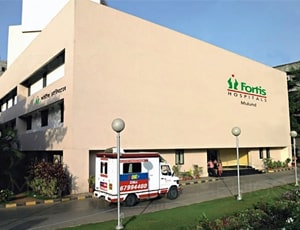
Microvascular Decompression (MVD) in Fortis Hospital, Mulund: Costs, Top Doctors, and Reviews

Mumbai, India

  • Joint Commission International, or JCI
  • National Accreditation Board for Hospitals & Healthcare Providers (NABH)

Fortis Hospital Mulund, located in Mulund West, Mumbai, is a premier healthcare facility providing excellence in multi-speciality healthcare for over 20 years. The global leader in advancing medical technology and clinical expertise, the hospital offers specialities including Cardiology, Neurosciences, Oncology, Transplants, and Orthopaedics. The hospital is well-known for being the largest transplant center in Maharashtra and offers advanced treatment options, including Transcatheter Aortic Valve Implantation (TAVI) and stereotactic precision radiotherapy for cancer. Fortis Mulund is equipped with a 24/7 Emergency Department and International Patient Unit to provide world-class patient-centric care.

Microvascular Decompression (MVD) in Max Super Speciality Hospital, Saket: Costs, Top Doctors, and Reviews

Delhi, India

  • Joint Commission International, or JCI
  • National Accreditation Board for Hospitals & Healthcare Providers (NABH)

Max Smart Super Speciality Hospital, Saket, is a 250-bed tertiary care hospital awarded NABH accreditation, which provides advanced medical care in various specialities such as Cardiac Sciences, Orthopaedics, Neurology, Urology, Kidney Transplant, Paediatrics, and Obstetrics & Gynaecology. The hospital provides quality, safe, integrated, and patient-centric medical care using modular OTs, ICUs, Cath Labs, CT, MRI and Dialysis units.

Microvascular Decompression (MVD) in Manipal Hospital, Hebbal: Costs, Top Doctors, and Reviews

Bangalore, India

  • National Accreditation Board for Testing and Calibration Laboratories (NABL)
  • National Accreditation Board for Hospitals & Healthcare Providers (NABH)

Manipal Hospitals, a group of Manipal Education Medical Group, is India’s leading multi-speciality network, comprising over 650 beds. Dedicated to clinical excellence, patient-centric care and ethical practices, it provides sophisticated diagnostics, surgery and home care services to both domestic and international patients, while also improving access to affordable healthcare for underprivileged communities.

Microvascular Decompression (MVD) in Clear Medi Hospital, Karkardooma: Costs, Top Doctors, and Reviews

Delhi, India

  • National Accreditation Board for Hospitals & Healthcare Providers (NABH)
  • National Accreditation Board for Testing and Calibration Laboratories (NABL)

Clear Medi Hospital, Karkardooma located in New Delhi, India is accredited by ISO. Also listed below are some of the most prominent infrastructural details:

  • There are 12 Linear Accelerators in all hospitals of Clear Medi Hospital, Delhi, India and more in the development stage.
  • Over 25 surgical and medical specialties across all Clear Medi Hospitals
  • Care Medi is one of the biggest Oncology care organisations in India.
  • Hospital management solutions provided to over 15 partner healthcare organisations managing more than 300 beds.
  • The organisation consists of offerings such as clinical manpower management and equipment management.
  • Advanced radiology and nuclear medicine centres
  • Professionally managed international patient care
  • Clear Medi Hospital, Delhi has a capacity of 100 beds.
  • Clear Medi is a multispecialty hospital.
  • It is a NABH (National Accreditation Board for Hospitals & Healthcare providers) certified hospital.
  • It has Oncology and Cardiac departments with an Intensive Care Unit.
  • It also has fully equipped Operation Theatres.
  • Clear Medi Hospital ensures coordination with patients and International Patient assistance
  • It has an online Tumor Board with a number of Medical, Surgical and Radiation Oncologists.
Microvascular Decompression (MVD) in Bai Jerbai Wadia Hospital for Children: Costs, Top Doctors, and Reviews

Mumbai, India

Bai Jerbai Wadia Hospital for Children located in Mumbai, India is accredited by AAAHC. Also listed below are some of the most prominent infrastructural details:

  • There are two parts of the hospital, one is focused on women's care and the other is focused on child care.
  • Bai Jerbai Wadia hospital for Children
    • 300 bed capacity
    • 60 Pediatricians
    • 10,000 in-patients (annual)
    • 100,000 outpatients (annual)
    • Biggest Neonatal ICU (West zone)
  • Nowrosjee Wadia Maternity Hospital
    • Obstetrics and Gynecological disciplines (several)
    • 20 specialists
    • 305 bed capacity
    • It is also a referral centre for women who are rehabilitating as well as their families.
Microvascular Decompression (MVD) in VPS Rockland Hospital: Costs, Top Doctors, and Reviews

Gurgaon, India

  • National Accreditation Board for Hospitals & Healthcare Providers (NABH)
  • National Accreditation Board for Testing and Calibration Laboratories (NABL)

VPS Rockland Hospital located in Gurugram, India is accredited by NABH, NABL. Also listed below are some of the most prominent infrastructural details:

  • Well-designed compact 103-bed hospital expanding over120,000 square feet
  • Well equipped modular operation theatres, intensive care unit, interventional Cath lab, and in-patient rooms ranging from economy to luxury
  • Offers a bouquet of services like Internal Medicine, Obstetrics & Gynaecology, Surgery, Pediatrics
  • High-end diagnostic services like 1.5 T MRI and 128 slice CT Scan
  • Advanced non-invasive assessment with echo & TMT machines
  • State of the art cardiac Cath-Lab
  • Appointment Scheduling
  • Treatment packages
  • Accommodation arrangement for the accompanying attendant
  • Customized diet for patient and attendant
  • Laundry services
  • Prayer room
  • Visa assistance
  • Pick and drop facility from/to the Airport
  • Foreign exchange facility
  • Registration with the Foreigners Regional Registration Office
  • Dedicated Neuro-Intensive care unit managed by expert intensivists
  • Accommodation arrangements post discharge
  • Highly advanced instruments for deep brain stimulation, stereotaxy, micro-neurosurgery, pediatric neurosurgery & neurophysiology
  • Most advanced dialysis machines and advanced diagnostic and therapeutic facilities
  • Renal replacement therapy for hemo-dynamically unstable patient
  • Technologically advanced endoscopy suite
  • Wi-Fi/internet service in the room
  • Travel arrangement for patient & attendant post discharge
  • Tele-consults post discharge
  • Dialysis beds
  • 24x7 ‘Trauma & Emergency Center
  • Dedicated blood bank
  • 24x7 comprehensive patient care.
  • Deployed high-end technologies & smart digital system
  • Robust Hospital Information Systems to meet complex medical needs of patients
  • Robotic-assisted surgeries
  • International Patients Lounge
Microvascular Decompression (MVD) in Sanar International Hospital: Costs, Top Doctors, and Reviews

Gurugram, India

  • National Accreditation Board for Hospitals & Healthcare Providers (NABH)
  • Joint Commission International, or JCI

Sanar International Hospital is a multispeciality hospital based on Golf Course Road in Gurugram, a part of Delhi NCR. It was founded in 2018 and houses one of the most comprehensive and advanced surgical care specialties. This 150-bedded facility is committed to providing the best patient experiences and healthcare services is the core of the hospital’s mission. Staffed by a group of visionary and competent medical professionals who are well-versed in their fields and eminent for their empathy and understanding, Sanar International Hospital provides optimal care to its patients, making it a popular

Specialties in the Hospital such as Heart, Bone, and Joint neurosciences, Cancer, Kidney and Liver Transplant, and other successful procedures along with experienced medical professionals have made a mark for themselves among domestic patients and international patients who come to India to have the finest healthcare services. It follows strict international practices and believes that the centricity of the patient is essential for providing high-quality care through world-class infrastructure and state-of-the-art facilities. The technologies offered by the Hospital include Digital X-rays, MRI, CT, Ultrasound, transfusion medicine, pharmacy, laboratory services, 24 hrs emergency and ambulance services.

It offers more than 20 plus specialties such as General Medicine, Anesthesiology, Cardiac Sciences, Ophthalmology, Gastroenterology, Hematology, Orthopedics, General Surgery & Surgical, Cardiothoracic Surgery, Hepato Biliary Surgery, Pediatrics, Liver Transplantation, and Critical Care Medicine. The Hospital has a highly skilled medical staff of neuro-anesthetists, neurologists, specialized neurocritical care experts, neurosurgeons neuropsychologists, and neuropsychiatrists. There are specific centers for the treatment of epilepsy, stroke, brain tumors, movement disorders, spinal problems, and headaches.

Microvascular Decompression (MVD) in Manipal Hospital, Ghaziabad: Costs, Top Doctors, and Reviews

Ghaziabad, India

  • National Accreditation Board for Hospitals & Healthcare Providers (NABH)
  • National Accreditation Board for Testing and Calibration Laboratories (NABL)

Founded in 2010, Manipal Hospital-Ghaziabad (formerly Columbia Asia Hospital) is a well-known multispecialty hospital accredited by the National Accreditation Board for Hospitals and Healthcare Providers (NABH). With 100 beds, the hospital is committed to providing effective and reasonably priced healthcare in a clean and safe setting. The hospital has several departments that are known for their expertise, including Orthopaedics, Internal Medicine, Gastroenterology, Plastic Surgery, Obstetrics and Gynecology, ENT, and more. Due to this recognition, the hospital is now regarded as one of the best medical establishments in the Ghaziabad area.

Microvascular Decompression (MVD) in Apollo Hospital International Limited: Costs, Top Doctors, and Reviews

Ahmedabad, India

  • National Accreditation Board for Hospitals & Healthcare Providers (NABH)
  • Joint Commission International, or JCI

Apollo Hospital International Limited located in Ahmedabad, India is accredited by JCI, NABH. Also listed below are some of the most prominent infrastructural details:

  • Hospital with 234 bed capacity
  • Credit for doing the autologous stem cell transplant when a patient has acute myeloid Leukemia
  • Regular transplants of cell and bone marrow
  • A 1.5 Tesla MRI scan is available, only healthcare organisation in Gujarat with this option
  • Success percentage of 90 when critical oncology procedures are done
  • Diagnostics such as Blood Tests, X-Ray, Echo and Cardiac related tests
  • International Patient Care related facilities: Accommodation, Airport Transfer, Meals per choice, Interpreter, SIM, TV inside room
  • Excellent line up of doctors, surgeons and healthcare professionals such as nurses, technicians
Microvascular Decompression (MVD) in Manipal Hospital, Gurugram: Costs, Top Doctors, and Reviews

Gurgaon, India

  • National Accreditation Board for Testing and Calibration Laboratories (NABL)
  • National Accreditation Board for Hospitals & Healthcare Providers (NABH)

Manipal Hospital, Gurgaon, which used to be Columbia Asia Hospital, is a 100-bed, multispecialty facility that was established in 2008. It is recognized by NABH, and offers complete care in six specialties: neurology, cardiology, oncology, gynecology, orthopedics, and psychiatry. By bringing together modern infrastructure, sophisticated technology, and a team of qualified medical and nursing staff as a part of its value system, the hospital emphasizes ethics and high-quality, affordable healthcare. The hospital maintains an integrated and collaborative framework, and is able to provide 24/7 emergency services and critical care, to achieve the best possible outcomes, with patient satisfaction and treatment as a whole being a fundamental feature of the service.

Need Some Advice From Our Experts?

Request a Call Back Now!

Our team of healthcare experts would be happy to assist you

trusted Patientstrusted Patients+99
Trusted by 50000+ Patients
Required | alphabets and spaces
Required | A valid, working email address
Required | A valid contact

Process Involved for Microvascular Decompression (MVD) in India

  • Diagnosis and Evaluation: The doctor reviews the patient’s symptoms, performs a physical examination, and orders scans, such as an MRI, to confirm nerve compression.
  • Pre-Surgical Preparation: The patient is given instructions regarding fasting, medications, and tests such as blood work or an ECG before surgery.
  • Surgery (MVD Procedure): Under general anaesthesia, the surgeon makes a small opening behind the ear, moves the blood vessel off the nerve, and places a soft pad between them.
  • Immediate Recovery: After surgery, the patient is closely monitored in a recovery room or ICU for any complications or changes in nerve function.
  • Hospital Stay: Most patients remain in the hospital for 3 to 5 days to rest and recover under medical supervision.
  • Home Recovery: After discharge, the patient continues to recover at home, with activity restrictions and follow-up appointments scheduled.
  • Long-Term Follow-Up: The doctor monitors the patient’s recovery progress, symptom relief, and nerve function through regular follow-ups or, as needed, imaging.
  • Trigeminal Neuralgia: A condition causing sudden, severe facial pain due to irritation of the trigeminal nerve, often triggered by touch, chewing, or speaking.
  • Hemifacial Spasm: Involuntary twitching or spasms on one side of the face caused by pressure on the facial nerve.
  • Glossopharyngeal Neuralgia: A sudden, intense pain felt in the throat, back of the tongue, or near the tonsils, often caused by pressure on the glossopharyngeal nerve.
  • Geniculate Neuralgia: A rare nerve disorder causing ear pain, often linked to the nervus intermedius, which lies near the facial nerve.
  • Tinnitus: A ringing or buzzing sound in the ear, sometimes caused by nerve compression in the brain.
  • Vertigo: A spinning or dizzy sensation that can occur when nerves controlling balance are affected.
  • Occipital Neuralgia: Piercing pain at the back of the head and neck caused by irritation of the occipital nerves
  • Sleep Medicine: The patient is put under general anaesthesia to remain fully asleep and pain-free throughout the surgery.
  • Head Positioned for Surgery: The head is gently placed in the correct position, and the skin behind the ear is cleaned.
  • Small Cut and Bone Opening: A small cut is made behind the ear, and a tiny piece of the skull is carefully removed to reach the brain area where the nerve is located.
  • Finding the Nerve and Blood Vessel: With the help of a microscope, the surgeon sees the nerve that’s being squeezed by a nearby blood vessel.
  • Fixing the Pressure: The surgeon gently moves the blood vessel away and places a soft cushion between the boat and the nerve.
  • Closing the Area: The bone is replaced or covered, and the skin is stitched or closed in an appropriate manner.
  • Rest and Recovery: After surgery, the patient is moved to a recovery room, where doctors closely monitor their progress as they begin to heal.
  • Craniotomy
  • MRI
  • Angiography
  • Neuroendoscopy
  • Electrophysiology
  • Neuromonitoring
  • Lumbarpuncture
  • CTscan
  • Endoscopy
  • Myelography
  • Long-Term Pain Relief: Effectively reduces or eliminates nerve-related facial pain, particularly in cases of trigeminal neuralgia.
  • Preserves Nerve Function: Unlike other treatments, MVD relieves pressure without damaging the affected nerve.
  • Minimally Invasive Option: In experienced hands, MVD is a safe microsurgical procedure with minimal impact on surrounding tissues.
  • Low Recurrence Rates: Most patients experience lasting relief with a low likelihood of symptoms returning.
  • Improved Quality of Life: Relief from chronic nerve pain often leads to better sleep, mood, and daily functioning.
  • Medication-Free Outcome: Many patients can reduce or stop pain medications after successful surgery.
False
  • Please complete the form to provide us with relevant information about your condition.
  • Consult with Our Healthcare Expert: One of our qualified specialists will contact you for a consultation.
  • Receive a Detailed Treatment Plan: After examining your situation, we will provide you with a detailed treatment plan that includes expert opinions and a cost breakdown for various options.
  • Select your preferred option: Choose the therapy option that best suits your needs.
  • Seamless Organisation: We will manage all the details, including visas, flights, accommodations, and transfers, for a stress-free journey.

Instantly Connect with our Microvascular Decompression (MVD) Specialists

Doctor 1
Doctor 2
Doctor 3
Doctor 4
Doctor 5
Doctor 6
Doctor 7
Doctor 8
Our Services to Better your Experience

Opinion & Option

We submit the most accurate opinion and options from one or more countries for your review

Consult Privately

Consult with a certified specialist privately on our telemedicine platform even before you decide to travel

Logistics

We handle flights, visas, transfers, and accommodation—so you can focus on your health.

Recovery

Our In-house rehabilitation service packages to better your recovery and treatment outcome

Other Popular Countries for Microvascular Decompression (MVD)

Our network connects you with the leading medical tourism destinations globally, offering a wide range of cities, top doctors, and flexible pricing options.

Singapore
United Arab Emirates
United Kingdom
Vietnam

Frequently Asked Questions

Factors that raise the risk of Microvascular Decompression (MVD) in India include: -

  • Delayed diagnosis or advanced-stage nerve compression increases the risk of complications.
  • Limited access to experienced neurosurgeons in rural areas may affect outcomes.
  • Pre-existing conditions like diabetes, hypertension, or TB exposure can raise surgical risks.
  • Inadequate post-op follow-up due to travel constraints may lead to unnoticed complications.

MVD success rates range from 85% to 99%, with long-term relief reported in top-tier hospitals.

Fortis Hospital and Artemis Hospital are renowned for performing Microvascular Decompression (MVD) with a focus on precision, combining expert neurosurgeons, advanced imaging, and personalised rehabilitation programs.

The following are the precautions to take after a Microvascular Decompression (MVD) in India:

  • Rest for 2–4 weeks and avoid public places to minimise the risk of infection.
  • Avoid vigorous neck movement and use support pillows while sleeping.
  • Adhere strictly to prescribed medications and wound care regimen.
  • Follow up regularly with your neurosurgeon and monitor for the recurrence of nerve pain.

Author

Dr. Abdullah Rahil

MPT (Neuro)

5 Years of Experience

Dr. Abdullah Rahil, M.P.T. (Neurology), is a dedicated physiotherapy professional specializing in orthopedic, neurological, and musculoskeletal rehabilitation. With strong clinical expertise, he focuses on improving patient mobility, reducing pain, and restoring functional independence through evidence-based rehabilitation techniques. He is skilled in advanced therapeutic approaches that support effective rehabilitation and recovery for a wide range of musculoskeletal and neurological conditions, focusing on improving mobility, reducing pain, and restoring functional independence. Dr. Rahil has extensive experience managing diverse rehabilitation cases. His patient-centered approach emphasizes personalized treatment plans, continuous assessment, and comprehensive rehabilitation to achieve optimal recovery outcomes. . View More

Reviewer

⁠Dr Rakesh Kumar Dua

Spine & Neurosurgeon

25 Years of Experience

Dr. Rakesh Dua has more than 25+ years of clinical experience in spine surgeries. He is currently providing his services as Director, Neuro & Spine Surgery at Fortis Hospital, Shalimar Bagh. Before joining Fortis Hospital, he was associated with Max super-specialist Hospital, Shalimar Bagh as Director Neurosurgery & Head Neuro Spine, and with UCMS & GTB hospital as head of the neurosurgery department. View More