Your Notifications
All done, no notifications

Microvascular Decompression (MVD) Cost in Thailand

USD 15000 - USD 28000

Affordable World-class Treatment - Accredited Hospitals - Free Treatment Plan in 24 Hrs

3
Days in Hospital
2-4 hrs
Procedure Time
85 - 95%
Success Rate
Microvascular Decompression (MVD)
JCI/ISO 100,000+ Patients 24X7 Coordinator Visa & Travel handled
Your all-in-one medical travel platform for treatment, recovery & care.

Get Your Personalised Treatment Plan in Just 24 Hours.

Share your details to receive a personalised treatment plan, estimated costs, hospital recommendations, and expert guidance, “completely free.”

Required | alphabets and spaces
Required | A valid, working email address
Required | A valid contact
Connect with an Expert

Your information is protected with HIPAA-compliant security standards. We only share your details with hospitals after your consent.

Estimated Treatment Cost
USD 15000 - USD 28000
All-inclusive • Hospital + Medications + Recovery Assistance + Dedicated Care Coordinator

International Quality. Affordable Care.

How Much Should a Microvascular Decompression (MVD) Cost in Thailand?

The cost of Microvascular Decompression (MVD) in Thailand generally ranges from USD 15000 - USD 28000, depending on the hospital’s location, medical team, and the complexity of the patient’s condition. This price typically includes consultation with the neurosurgeon, diagnostic imaging such as MRI or CT scans, preoperative tests, the surgery itself, hospital admission, and initial follow-up care.

Still, the final cost may differ depending on a few critical elements. These may include the severity and location of the compressed nerve, the use of advanced surgical tools such as neuronavigation systems or minimally invasive techniques, and the hospital’s infrastructure and quality of care.

Additionally, expenses may increase if the neurosurgeon is highly specialised, or if the patient experiences any complications after the procedure that require extended hospital stay or intensive care support. These clinical and logistical details contribute to the total treatment cost.

Factors Influencing the Cost of a Microvascular Decompression (MVD) in Thailand

Factors Influencing the Cost of a Microvascular Decompression (MVD) in Thailand

  • Hospital type and location: Costs are often higher at private or internationally accredited hospitals in major cities compared to smaller, government-run facilities.
  • Complexity of the condition: If the nerve compression is severe or located in a sensitive area, the surgery may take longer and carry a higher risk, which can increase the associated costs.
  • Advanced surgical technology: The use of tools such as neuronavigation, intraoperative neuro-monitoring, or minimally invasive techniques can increase the overall expense.
  • Surgeon’s experience and expertise: Highly skilled or internationally trained neurosurgeons may charge more for their services, reflecting their advanced capabilities.
  • Duration of hospital stay: Patients who stay longer due to recovery needs, post-operative care, or complications will likely face higher bills.
  • ICU or special care needs: If intensive care or additional monitoring is required after surgery, this will significantly increase the total cost.
  • Additional services and support: Pre-surgical evaluations, diagnostic imaging, medications, physiotherapy, or extended follow-ups may also add to the overall charges.

What's included in your Microvascular Decompression (MVD) quote?

Comprehensive tests and imaging
MRI Brain, MR Angiography (MRA), CT scan, routine blood tests
Spine specialist team
Pre-operative evaluation, surgery, post-operative neurological care
Hospital stay + ICU as needed
ICU monitoring, pain management, neurological observation
Country stay monitoring
Neurological assessment, wound care, medication review, rehabilitation guidance
Visa & medical-visa invite letter
Airport pickup & transfers

Cost of Microvascular Decompression (MVD) in Major Cities of Thailand

City Cost (USD)
Bangkok $15,000 – $28,000 Explore More
Krabi $13,500 – $25,200 Explore More

Microvascular Decompression Mvd - Thailand Vs the World

$11k - $17k
$11k - $20k
$12k - $22k
$15k - $30k
$15k - $28k
$20k - $35k
$20k - $36k
$22k - $40k
$25k - $45k
$30k - $55k
$32k - $48k

Find the Right Destination for Your Microvascular Decompression (MVD) Journey

Dr. Abdullah Rahil
Author

MPT (Neuro)

7 Years of Experience

Last Reviewed - June 2026

Dr. Abdullah Rahil, M.P.T. (Neurology), is a dedicated physiotherapy professional specializing in orthopedic, neurological, and musculoskeletal rehabilitation. With strong clinical expertise, he focuses on improving patient mobility, reducing pain, and restoring functional independence through evidence-based rehabilitation techniques. He is skilled in advanced therapeutic approaches that support effective rehabilitation and recovery for a wide range of musculoskeletal and neurological conditions, focusing on improving mobility, reducing pain, and restoring functional independence. Dr. Rahil has extensive experience managing diverse rehabilitation cases. His patient-centered approach emphasizes personalized treatment plans, continuous assessment, and comprehensive rehabilitation to achieve optimal recovery outcomes.
View More
⁠Dr Rakesh Kumar Dua
Reviewer

Spine & Neurosurgeon

25 Years of Experience

Last Reviewed - June 2026

Dr. Rakesh Dua has more than 25+ years of clinical experience in spine surgeries. He is currently providing his services as Director, Neuro & Spine Surgery at Fortis Hospital, Shalimar Bagh. Before joining Fortis Hospital, he was associated with Max super-specialist Hospital, Shalimar Bagh as Director Neurosurgery & Head Neuro Spine, and with UCMS & GTB hospital as head of the neurosurgery department.
View More

Need Help Choosing the Right Treatment? Talk to a Medical Advisor

Our dedicated Medical Patient Advisors are here to answer your questions, help you compare treatment options, estimate costs, and guide you through every step of your healthcare journey.

15 min
Average response time

Serving Patients Worldwide in Multiple Languages.

Microvascular Decompression (MVD) is a surgical procedure used to relieve pressure on a nerve when a nearby blood vessel compresses it. This pressure can cause intense facial pain or muscle spasms. The surgery is often used to treat conditions such as trigeminal neuralgia and hemifacial spasm.

To perform the surgery, the doctor creates a small opening behind the ear. Through this opening, the surgeon carefully moves the blood vessel away from the nerve. A soft, tiny cushion is placed in between so the two don’t touch anymore.

The primary goal is to alleviate pain without damaging the nerve. The nerve usually continues to function after surgery. This procedure is done while the patient is asleep under general anaesthesia. After surgery, most people stay in the hospital for a few days and gradually return to their routine over the following weeks.

Microvascular decompression (MVD) is a surgical procedure used to relieve abnormal compression of a cranial nerve by a blood vessel. It is most commonly performed for conditions such as trigeminal neuralgia, hemifacial spasm, and glossopharyngeal neuralgia. These conditions cause severe, often debilitating, nerve pain or muscle spasms. MVD works by relieving pressure on the affected nerve, thereby reducing or eliminating pain and restoring normal nerve function without damaging the nerve.

Consult a neurologist or neurosurgeon if you experience:

  • Sharp, electric shock-like facial pain (trigeminal neuralgia)
  • Involuntary facial muscle spasms (hemifacial spasm)
  • Severe throat or ear pain (glossopharyngeal neuralgia)
  • Symptoms that are not responsive to medications
  • Progressive worsening of nerve-related symptoms

MVD may be considered when conservative treatments fail or side effects from medications are intolerable.

Preparation for MVD includes:

  • Neurological evaluation and medical history
  • Imaging tests, such as MRI with contrast, to identify the compressing vessel
  • Review of medications, especially blood thinners
  • Fasting for 6\u20138 hours before surgery
  • Pre-surgical clearance from your physician or anesthesiologist
  • Discussion with your neurosurgeon regarding risks, benefits, and expected recovery

Arrange for post-operative support and plan time off work or adjust to your daily responsibilities.

Performed under general anaesthesia, MVD involves:

  • A small craniotomy (opening in the skull) behind the ear
  • The surgeon gently moves the blood vessel away from the nerve
  • A small Teflon pad is placed between the nerve and vessel to prevent future contact
  • The bone is replaced, and the incisionis closed

The procedure preserves the nerve, aiming to relieve pain without causing numbness or nerve damage.

Microvascular decompression surgery typically takes 2 to 3 hours. Hospital stays usually last 2 to 5 days, depending on recovery and individual condition.

Though generally safe, potential risks include:

  • Infection
  • Bleeding
  • Hearing loss
  • Facial weakness or numbness
  • Cerebrospinal fluid leak
  • Stroke (rare)
  • Reaction to anaesthesia

Complications are uncommon, especially in the hands of experienced surgeons.

  • Significant or complete relief from nerve pain or spasms
  • Preservation of nerve function without permanent numbness
  • Long-lasting results, often eliminating the need for medication
  • Improved quality of life and functional ability

MVD offers a curative approach in many cases, unlike medications that only manage symptoms.

Patients are monitored in a neuro unit after surgery. Some may experience mild headaches or dizziness. Most patients are discharged within a few days and can resume light activity in 2\u20134 weeks. Complete recovery usually occurs over 4\u20138 weeks. Follow-up appointments and imaging help ensure successful decompression and healing.

MVD has a high success rate, with over 80\u201390% of patients experiencing lasting relief from symptoms, especially for trigeminal neuralgia. Results are typically better when surgery is performed early and by experienced neurosurgeons.

85-95%

Relief of leg pain and nerve compression symptoms

3-5 days

Typical recovery period before resuming normal daily activities

1-2 months

Typical recovery to normal daily activities
Explore Hospitals ( 10 )

Bangkok, Thailand

580+ Beds · 255+ Procedures
JCI

Bangkok, Thailand

263+ Beds · 229+ Procedures
JCI

Bangkok, Thailand

300+ Beds · 287+ Procedures
JCI GHA

Bangkok, Thailand

550+ Beds · 238+ Procedures
JCI

Krabi, Thailand

150+ Beds · 132+ Procedures
JCI

Bangkok, Thailand

400+ Beds · 162+ Procedures
ISO JCI

Bangkok, Thailand

354+ Beds · 198+ Procedures
JCI

Bangkok, Thailand

120+ Beds · 171+ Procedures
JCI

Bangkok, Thailand

150+ Beds · 171+ Procedures
JCI ISO

Bangkok, Thailand

100+ Beds · 137+ Procedures
NABH JCI CBAHI AACI

Get Your Microvascular Decompression (MVD)
Plan in 24 hrs.

Our experienced Medical Patient Advisors have supported 100,000+ patients across 120+ countries with personalised treatment plans, hospital recommendations, cost estimates, and travel assistance, all free.

HIPAA-Compliant Data SecurityShared Only with Your Consent

Free Consultation No Obligation Personalized Treatment Plan Response Within 24 Hours

Required | alphabets and spaces
Required | A valid, working email address
Required | A valid contact

Your medical info is kept HIPAA-style confidential. We never share with hospitals without your consent.

Process Involved for Microvascular Decompression (MVD) in Thailand

  • Diagnosis and Evaluation: The doctor reviews the patient’s symptoms, performs a physical examination, and orders scans, such as an MRI, to confirm nerve compression.
  • Pre-Surgical Preparation: The patient is given instructions regarding fasting, medications, and tests such as blood work or an ECG before surgery.
  • Surgery (MVD Procedure): Under general anaesthesia, the surgeon makes a small opening behind the ear, moves the blood vessel off the nerve, and places a soft pad between them.
  • Immediate Recovery: After surgery, the patient is closely monitored in a recovery room or ICU for any complications or changes in nerve function.
  • Hospital Stay: Most patients remain in the hospital for 3 to 5 days to rest and recover under medical supervision.
  • Home Recovery: After discharge, the patient continues to recover at home, with activity restrictions and follow-up appointments scheduled.
  • Long-Term Follow-Up: The doctor monitors the patient’s recovery progress, symptom relief, and nerve function through regular follow-ups or, as needed, imaging.
  • Trigeminal Neuralgia: A condition causing sudden, severe facial pain due to irritation of the trigeminal nerve, often triggered by touch, chewing, or speaking.
  • Hemifacial Spasm: Involuntary twitching or spasms on one side of the face caused by pressure on the facial nerve.
  • Glossopharyngeal Neuralgia: A sudden, intense pain felt in the throat, back of the tongue, or near the tonsils, often caused by pressure on the glossopharyngeal nerve.
  • Geniculate Neuralgia: A rare nerve disorder causing ear pain, often linked to the nervus intermedius, which lies near the facial nerve.
  • Tinnitus: A ringing or buzzing sound in the ear, sometimes caused by nerve compression in the brain.
  • Vertigo: A spinning or dizzy sensation that can occur when nerves controlling balance are affected.
  • Occipital Neuralgia: Piercing pain at the back of the head and neck caused by irritation of the occipital nerves
  • Sleep Medicine: The patient is put under general anaesthesia to remain fully asleep and pain-free throughout the surgery.
  • Head Positioned for Surgery: The head is gently placed in the correct position, and the skin behind the ear is cleaned.
  • Small Cut and Bone Opening: A small cut is made behind the ear, and a tiny piece of the skull is carefully removed to reach the brain area where the nerve is located.
  • Finding the Nerve and Blood Vessel: With the help of a microscope, the surgeon sees the nerve that’s being squeezed by a nearby blood vessel.
  • Fixing the Pressure: The surgeon gently moves the blood vessel away and places a soft cushion between the boat and the nerve.
  • Closing the Area: The bone is replaced or covered, and the skin is stitched or closed in an appropriate manner.
  • Rest and Recovery: After surgery, the patient is moved to a recovery room, where doctors closely monitor their progress as they begin to heal.
  • Craniotomy
  • MRI
  • Angiography
  • Neuroendoscopy
  • Electrophysiology
  • Neuromonitoring
  • Lumbarpuncture
  • CTscan
  • Endoscopy
  • Myelography
  • Long-Term Pain Relief: Effectively reduces or eliminates nerve-related facial pain, particularly in cases of trigeminal neuralgia.
  • Preserves Nerve Function: Unlike other treatments, MVD relieves pressure without damaging the affected nerve.
  • Minimally Invasive Option: In experienced hands, MVD is a safe microsurgical procedure with minimal impact on surrounding tissues.
  • Low Recurrence Rates: Most patients experience lasting relief with a low likelihood of symptoms returning.
  • Improved Quality of Life: Relief from chronic nerve pain often leads to better sleep, mood, and daily functioning.
  • Medication-Free Outcome: Many patients can reduce or stop pain medications after successful surgery.
  • Please complete the form to provide us with relevant information about your condition.
  • Consult with Our Healthcare Expert: One of our qualified specialists will contact you for a consultation.
  • Receive a Detailed Treatment Plan: After examining your situation, we will provide you with a detailed treatment plan that includes expert opinions and a cost breakdown for various options.
  • Select your preferred option: Choose the therapy option that best suits your needs.
  • Seamless Organisation: We will manage all the details, including visas, flights, accommodations, and transfers, for a stress-free journey.
Jenny Wilson
Your Dedicated Medical Patient Advisor
Treatment planning • Hospital coordination • Multilingual support • Response within 15 minutes.
Our Services to Better your Experience

Opinion & Option

We submit the most accurate opinion and options from one or more countries for your review

Consult Privately

Consult with a certified specialist privately on our telemedicine platform even before you decide to travel

Logistics

We handle flights, visas, transfers, and accommodation—so you can focus on your health.

Recovery

Our In-house rehabilitation service packages to better your recovery and treatment outcome

Patient Stories

Ms Patience: Cosmetic Surgery
Ms Patience
Ms Patience: Cosmetic Surgery

Ms Patience from Uganda travelled to India for cosmetic surgery in May 2017. She got her treatment done in Asian…

Patient Testimonial: Lobna from Sudan for Successful Open Craniotomy Surgery in India
Mrs. Lobna Salah Hassan
Mrs. Lobna Hasan from Sudan for Open Craniotomy Surgery in India

Lobna (from Sudan) was diagnosed with meningioma, a form of non-cancerous brain tumor. Her family members decided to take her…

Frequently Asked Questions

Factors that raise the risk of Microvascular Decompression (MVD) in Thailand include

  • Risk is higher in patients travelling from rural provinces where diagnostic delays occur.
  • CSF leaks and facial numbness are among the most reported post-MVD complications.
  • Patients with high BMI or poor nutritional status face slower recovery.
  • Language or communication gaps with international patients may affect informed consent.

Thailand reports an 85–90% success rate for MVD, supported by high-quality neurosurgical infrastructure.

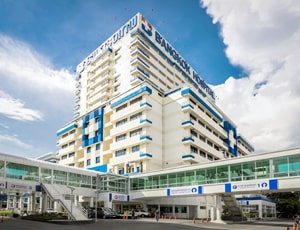
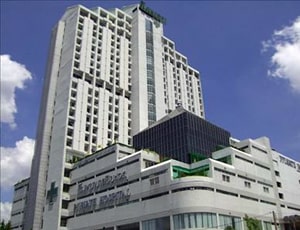
Hospitals such as Bangkok Hospital, MALI Interdisciplinary Hospital, and Bangpakok 9 International Hospital perform Microvascular Decompression (MVD) using minimally invasive tools, experienced neurosurgery teams, and structured postoperative care tailored to each patient.

The following are the precautions to take after a Microvascular Decompression (MVD) in Thailand :

  • Avoid engaging in swimming, sauna use, or soaking baths for 3–4 weeks.
  • Avoid head shaking or bending down to reduce intracranial pressure.
  • Ensure daily cleaning of the surgical site with a sterile dressing.
  • Attend physical therapy if prescribed for neck stiffness or postural rehab.

Not Sure About Your Treatment Plan? Get a Free Second Opinion

Have your reports reviewed by independent oncology experts to help you make a confident treatment decision, all online within 48 hours.

Upload Your Reports
Free second opinion on your CAR-T plan