Your Notifications
All done, no notifications

Microvascular Decompression (MVD): Symptoms, Classification, Diagnosis & Recovery

Microvascular Decompression (MVD) is a surgical procedure used to relieve pressure on a nerve when a nearby blood vessel compresses it. This pressure can cause intense facial pain or muscle spasms. The surgery is often used to treat conditions such as trigeminal neuralgia and hemifacial spasm.

To perform the surgery, the doctor creates a small opening behind the ear. Through this opening, the surgeon carefully moves the blood vessel away from the nerve. A soft, tiny cushion is placed in between so the two don’t touch anymore.

The primary goal is to alleviate pain without damaging the nerve. The nerve usually continues to function after surgery. This procedure is done while the patient is asleep under general anaesthesia. After surgery, most people stay in the hospital for a few days and gradually return to their routine over the following weeks.

Here are the signs and symptoms of a Microvascular Decompression (MVD),

  • Headache
  • Dizziness
  • Nausea
  • Fatigue
  • Weakness
  • Numbness
  • Tingling
  • Stiffness
  • Pain
  • Swelling
  • Infection
  • Imbalance
  • Blurredvision
  • Vomiting
  • Drowsiness
  • Sensitivity
  • Irritation
  • Fever
  • Tinnitus
  • Vertigo

Most people stay in the hospital for around 3 to 5 days after Microvascular Decompression (MVD). During this time, doctors closely check for any signs of swelling, infection, or side effects.

Once at home, recovery usually takes about 4 to 6 weeks. Some people may feel better sooner, while others may take a little longer, depending on their overall health and the rate at which their body heals. Light activities can often be resumed within a few weeks, but heavy lifting and strenuous work should be avoided until the doctor approves.

Regular follow-up visits are essential to ensure the nerve is healing correctly and that the symptoms have improved. Most patients experience significant relief from pain or twitching within the first few weeks after surgery.

Please Enquire

Required | alphabets and spaces
Required | A valid, working email address
Required | A valid contact

NOTE: With this information, I as a user, give MediGence the permission to access my healthcare related data and information to help me get the expert opinion. Read our Privacy Policy for more information.

Best Microvascular Decompression (MVD) Hospitals
Situated in Istanbul, Turkey & largest city, the International Hospital is a multi-specialty med...more

FACILITIES

Post-Surgery Care Services

special dietery food Choice of Meals

Private Rooms

Foreign Currency Exchange

Joint Commission International, or JCI
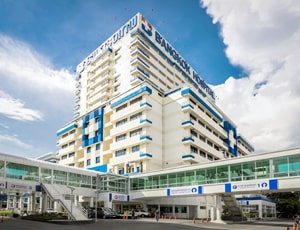
Bangkok Hospital

Bangkok Hospital

Bangkok, Thailand

One of the most renowned and honoured hospital networks in Asia- Pacific is Bangkok Dusit Medical Se...more

FACILITIES

Phone in Room

Foreign Currency Exchange

Rehabilitation

Free Wifi

Joint Commission International, or JCI
Mount Elizabeth Hospital

Mount Elizabeth Hospital

Singapore, Singapore

Mount Elizabeth Hospital is a multispecialty healthcare facility operated by Parkway Health. The hos...more

FACILITIES

phone in the room SIM

Free Wifi

Translator

Health Insurance Coordination

Joint Commission International, or JCI

Consult Online with World’s Best Microvascular Decompression (MVD)

View All Doctors

Explore Top Hospitals Worldwide for Microvascular Decompression (MVD)

Explore Top Hospitals for Microvascular Decompression (MVD)

Author

Dr. Abdullah Rahil

MPT (Neuro)

5 Years of Experience

Dr. Abdullah Rahil, M.P.T. (Neurology), is a dedicated physiotherapy professional specializing in orthopedic, neurological, and musculoskeletal rehabilitation. With strong clinical expertise, he focuses on improving patient mobility, reducing pain, and restoring functional independence through evidence-based rehabilitation techniques. He is skilled in advanced therapeutic approaches that support effective rehabilitation and recovery for a wide range of musculoskeletal and neurological conditions, focusing on improving mobility, reducing pain, and restoring functional independence. Dr. Rahil has extensive experience managing diverse rehabilitation cases. His patient-centered approach emphasizes personalized treatment plans, continuous assessment, and comprehensive rehabilitation to achieve optimal recovery outcomes. . View More

Reviewer

⁠Dr Rakesh Kumar Dua

Spine & Neurosurgeon

25 Years of Experience

Dr. Rakesh Dua has more than 25+ years of clinical experience in spine surgeries. He is currently providing his services as Director, Neuro & Spine Surgery at Fortis Hospital, Shalimar Bagh. Before joining Fortis Hospital, he was associated with Max super-specialist Hospital, Shalimar Bagh as Director Neurosurgery & Head Neuro Spine, and with UCMS & GTB hospital as head of the neurosurgery department. View More