Your Notifications
All done, no notifications

VSD Closure / Repair (Adult) Cost in Tunisia

Get a Quote

Affordable World-class Treatment - Accredited Hospitals - Free Treatment Plan in 24 Hrs

3
Days in Hospital
2-4 hrs
Procedure Time
90 - 95%
Success Rate
VSD Closure / Repair (Adult)
JCI/ISO 100,000+ Patients 24X7 Coordinator Visa & Travel handled
Your all-in-one medical travel platform for treatment, recovery & care.

Get Your Personalised Treatment Plan in Just 24 Hours.

Share your details to receive a personalised treatment plan, estimated costs, hospital recommendations, and expert guidance, “completely free.”

Required | alphabets and spaces
Required | A valid, working email address
Required | A valid contact
Connect with an Expert

Your information is protected with HIPAA-compliant security standards. We only share your details with hospitals after your consent.

Estimated Treatment Cost
All-inclusive • Hospital + Medications + Recovery Assistance + Dedicated Care Coordinator

International Quality. Affordable Care.

How Much Does VSD Closure / Repair (Adult) Cost in Tunisia?

The cost of VSD Closure / Repair (Adult) in Tunisia is available on request

However, this cost can vary depending on several factors, including the type and severity of the condition, treatment techniques chosen, the healthcare facility's location and reputation, the treating professionals' experience and specialisation, and the patient's overall health status.

Factors Influencing the Cost of VSD Closure/Repair

  • Type of Treatment: The treatment approach (surgical repair or catheter-based closure) significantly influences the overall cost
  • Hospital and Location: Healthcare costs vary by location. Hospitals in urban areas or those with higher operating expenses may charge more than rural hospitals.
  • Pre-Treatment Tests: Diagnostic evaluations such as echocardiography, electrocardiogram (ECG), chest X-ray, CT scan, blood tests, and cardiac catheterisation (if required) contribute to the overall cost.
  • Post-Treatment Care: Medications, follow-up consultations, rehabilitation services, and monitoring after the procedure can increase the total expense.
  • Length of Hospital Stay: Hospital stays may become more expensive due to complicated surgeries or complications.

Ventricular septal defect (VSD) is the most common congenital (present at birth) heart defect and frequently occurs in conjunction with other heart defects or problems. A small VSD is typically mild and has few or no symptoms, but a larger hole may require repair to prevent permanent damage and complications.

What's included in your VSD Closure / Repair (Adult) quote?

VSD Closure / Repair (Adult)
Surgical or catheter-based closure of a ventricular septal defect to restore normal heart function
Cardiac surgeon consultation
Pre-procedure evaluation, treatment planning, and follow-up consultations
Hospital stay & supportive care
Procedure, anaesthesia, ICU/ward care, nursing support, and recovery monitoring
Follow-up monitoring
Value: Echocardiography, ECG, and routine cardiac follow-up visits
Visa & medical-visa invite letter
Airport pickup & transfers

Cost of VSD Closure / Repair (Adult) in Major Cities of Tunisia

CityCost (USD)
Ez Zahra $13,500 – $25,200 Explore More
Monastir $13,500 – $25,200 Explore More
Tunis $15,000 – $28,000 Explore More

Vsd Closure Repair Adult - Tunisia Vs the World

$0 - $0
$4k - $6k
$5k - $10k
$10k - $12k
$10k - $15k
$10k - $20k
$10k - $13k
$18k - $32k
$20k - $28k
$20k - $40k
$25k - $45k
Nimra Haseeb
Author

MSc Biochemistry

4 Years of Experience

Miss Nimra Haseeb is a medical researcher and a scientific content writer. She holds a Bachelor’s degree in Biotechnology and a Master’s in Biochemistry from Integral University, Lucknow. With strong experience in healthcare research, she specializes in secondary research, clinical data analysis, and evidence-based medical writing. Her work focuses on transforming complex scientific and medical information into clear, accurate, and reliable healthcare content for patients and healthcare audiences. She is also experienced in interpreting medical studies and healthcare trends to deliver well-researched and informative content that supports better health awareness and decision-making.
View More
Dr. Naresh Kumar Goyal
Reviewer

Cardiologist

21 Years of Experience

Last Reviewed - June 2026

Dr. Naresh Kumar Goyal is highly trained as a cardiologist with exposure in virtually all aspects of cardiology. He qualified with an MD in internal medicine in 1999 from SMS Medical College, Jaipur, and served in the Cardiology Department as an honorary resident. From this stage, he also started with training in the temporary pacing of the pacemaker as well as interventional services.
View More

Need Help Choosing the Right Treatment? Talk to a Medical Advisor

Our dedicated Medical Patient Advisors are here to answer your questions, help you compare treatment options, estimate costs, and guide you through every step of your healthcare journey.

15 min
Average response time

Serving Patients Worldwide in Multiple Languages.

A ventricular septal defect, or VSD, is a condition where there is a hole in the wall between the two lower chambers of the heart, present from birth. It's the most common congenital heart defect and can occur alongside other heart issues. A small hole usually causes minor or no symptoms, but a larger one may require repair to prevent lasting damage and complications.

Ventricular septal defects (VSD) occur in around one-third of 1% of newborns, but it's less likely for adults to be diagnosed since the defect often closes naturally during childhood in 90% of cases. VSDs linked to heart attacks are exceptionally rare nowadays, with less than 1% of all heart attacks being associated with them, thanks to modern treatment methods.

The exact cause of ventricular septal defects (VSD) at birth remains unknown. However, it can be associated with other heart defects, heart conditions, or genetic disorders. The use of specific anti-seizure medications (sodium valproate and phenytoin) or alcohol consumption during pregnancy may potentially elevate the risk of a child developing VSD, although further research is needed to establish these as definite causes.

A rare known cause of VSD is its occurrence as a side effect of a heart attack.

Ventricular septal defects (VSD) come in four main types, each differing in location and hole structure:
  • Membranous: This is the most common, constituting about 80% of cases. It occurs in the upper part of the ventricular wall.
  • Muscular: Found in approximately 20% of VSD cases in infants, this type often involves multiple holes in the heart wall.
  • Inlet: Positioned just below the tricuspid valve in the right ventricle and the mitral valve in the left ventricle, blood passing through the ventricles must navigate this type of VSD.
  • Outlet (conoventricular): Creating a hole just before the pulmonary valve in the right ventricle and before the aortic valve in the left ventricle, this type connects the two chambers, requiring blood to pass through the VSD on its way through both valves.

Closure of VSD improves general heart function, reduces complications such as heart failure or pulmonary hypertension, decreases abnormal blood flow between the heart's ventricles, and facilitates normal child development and growth.

If your child or you have symptoms such as fatigue, poor growth or feeding, shortness of breath, frequent respiratory infections, or a heart murmur on physical exam, visit a doctor. Early identification and treatment improve results and reduce complications.

Physical exam, echocardiogram, chest X-ray, ECG, and possibly cardiac MRI or catheterisation are all components of the preparation process. Risks of anaesthesia, fasting orders, and current medications need to be addressed with patients (or parents). Preoperative counselling is provided, especially in children.

  • Surgical Closure: After open-heart surgery performed under general anaesthesia, a suture or patch is employed to close the defect.
  • Catheter-Based Closure: A minimally invasive procedure where a device is inserted into a blood vessel via a catheter.
  • Medical Management: Medication can be employed to manage symptoms in minor faults until they resolve spontaneously or further intervention is needed.

Surgical closure of a VSD usually takes 3\u20135 hours. The hospital stay is five to ten days. The hospital stay for catheter-based procedures is shorter, at one to two days.

  • Bleeding
  • Infection
  • Abnormal heartbeat
  • Insufficient closure, or residual shunt
  • Blockage of the heart

Closures of VSD allow children to grow normally, enhance the heart's efficiency, relieve symptoms, prevent heart and lung damage later in life, and reduce the necessity of lifelong medical treatment.

Rest, activity restrictions, echocardiogram, and, as needed, antibiotics or antiarrhythmics form the course of recovery. Children generally get back to their usual activities within several months.

Minimal recurrence occurs, and surgical and catheter-based closure is successful. Outcomes are excellent in the long term, particularly in patients who are managed early before they develop complications.

Surgical success was 91.4%, and success with the VSD closure device was 92.3%. 14.3% of patients died in the hospital.

95–99%

Success rate for complete VSD closure in suitable adult patients

3–7 days

Typical hospital stay

key : 4–8 weeks

Return to normal daily activities depending on recovery
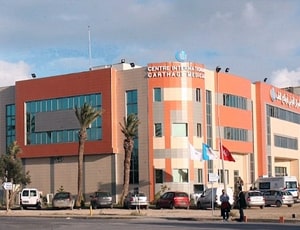
Explore Hospitals ( 4 )

Monastir, Tunisia

120+ Beds · 117+ Procedures
JCI

Tunis, Tunisia

180+ Beds · 161+ Procedures
ISO

Ez Zahra, Tunisia

110+ Beds · 45+ Procedures
NABH

Tunis, Tunisia

120+ Beds · 134+ Procedures

Get Your VSD Closure / Repair (Adult)
Plan in 24 hrs.

Our experienced Medical Patient Advisors have supported 100,000+ patients across 120+ countries with personalised treatment plans, hospital recommendations, cost estimates, and travel assistance, all free.

HIPAA-Compliant Data SecurityShared Only with Your Consent

Free Consultation No Obligation Personalized Treatment Plan Response Within 24 Hours

Required | alphabets and spaces
Required | A valid, working email address
Required | A valid contact

Your medical info is kept HIPAA-style confidential. We never share with hospitals without your consent.

Process Involved for VSD Closure / Repair (Adult) in Tunisia

  • Evaluation & Preparatory Stage: It includes access to detailed history, diagnostic tests and cardiac hypertension evaluation, followed by pre-surgery preparation.
  • Procedure Stage: Catheter-based closure and surgical repair
  • Postoperative Stage: Intensive monitoring and pain & infection management
  • Rehabilitation & Follow-Up Care
  • Significant Left-to-Right Shunting
  • Heart Failure Symptoms
  • Pulmonary Hypertension
  • Endocarditis Risk
  • Progressive Heart Enlargement (LV Dilatation)
  • Patients with Symptoms of Heart Failure or Pulmonary Overload
  • Pulmonary Hypertension
  • Infective Endocarditis
  • Left Ventricular Enlargement
  • Mechanical Valves are composed of durable materials like Carbon and Titanium.
  • Biological Valves are composed of animal tissues like cow and pig.
  • Pulmonary Hypertension Management
  • Valve Repair or Replacement
  • Aneurysm Repair
  • Pacemaker Implantation
  • Coronary Artery Bypass Grafting (CABG)
  • Improves Heart Efficiency
  • Prevents Heart Failure
  • Reduces Pulmonary Hypertension Risk
  • Lowers Endocarditis Risk
  • Enhances Quality of Life & Longevity
  • Cardiac Surgeon
  • Interventional Cardiologist
  • Perfusionist
  • Cardiologist
  • Physiotherapist
  • Rehabilitation Specialists
  • Fill out the inquiry form: Fill out the form to provide us with the relevant information about your condition.
  • Consult with Our Healthcare Expert: One of our qualified specialists will contact you for a consultation.
  • Receive a Detailed Treatment Plan: After examining your situation, we will provide you with a detailed treatment plan that includes expert views and cost breakdowns for various choices.
  • Choose your preferred option: Choose the treatment option that suits you the best.
Jenny Wilson
Your Dedicated Medical Patient Advisor
Treatment planning • Hospital coordination • Multilingual support • Response within 15 minutes.
Our Services to Better your Experience

Opinion & Option

We submit the most accurate opinion and options from one or more countries for your review

Consult Privately

Consult with a certified specialist privately on our telemedicine platform even before you decide to travel

Logistics

We handle flights, visas, transfers, and accommodation—so you can focus on your health.

Recovery

Our In-house rehabilitation service packages to better your recovery and treatment outcome

Patient Stories

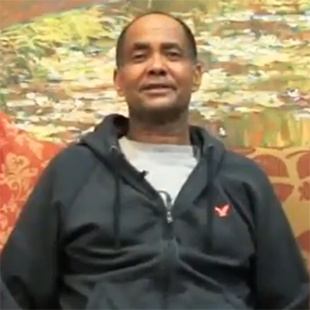
Mr Hailu Kassa : CABG Surgery
Mr Hailu Kassa
Mr Hailu Kassa : CABG Surgery

Mr. Hailu Kassa underwent Coronary Artery Bypass Surgery in Vejthani Hospital, Thailand under the supervision of Dr. Piya, Cardio-Thoracic Surgeon

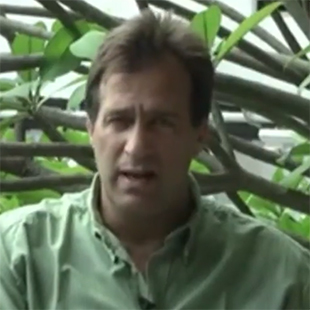
Rod Schaubroeck
Rod Schaubroeck
Rod Schaubroeck : Double Valve Replacement

Patient Testimonial: Rod Schaubroeck from United States (U.S.A) underwent heart valve replacement at Fortis Hospital, India

Frequently Asked Questions

The cost of VSD Closure/Repair in adults in Tunisia is USD 15000 - 28000, depending on the size and location of the ventricular septal defect, whether the defect can be closed through a catheter or requires open-heart surgery, hospital facilities, surgeon expertise, diagnostic tests, ICU stay, and the patient's overall health. The final cost is usually confirmed after echocardiography and specialist evaluation.

Choose an experienced adult congenital heart disease specialist, interventional cardiologist, or cardiothoracic surgeon, depending on the planned treatment. Consider the doctor's experience with adult VSDs, catheter-based closure and/or surgical repair, hospital facilities, multidisciplinary cardiac support, and experience managing pulmonary hypertension or other associated heart conditions.

VSD closure in appropriately selected adults generally has a high success rate of defect closure, such as 91%. Outcomes depend on the VSD type and size, pulmonary artery pressure, heart function, associated heart abnormalities, and the selected treatment method. Your cardiac team can provide an individualised prognosis after reviewing your echocardiogram and other investigations.

Yes. Transcatheter device closure can be performed for selected VSDs that have suitable anatomy. A catheter is inserted through a blood vessel, and a closure device is positioned across the defect. Not every VSD is suitable for this approach.

Surgical repair may be recommended for large or complex defects, significant left-to-right shunting, defects associated with other cardiac abnormalities, or VSDs that are unsuitable for device closure. The decision is based on detailed cardiac imaging and specialist assessment.

Echocardiography is the primary imaging test used to identify and characterise a VSD. ECG, chest imaging, cardiac CT or MRI, and cardiac catheterisation may be performed when additional information about heart structure, pressures, or blood flow is required.

Yes. A significant untreated VSD can allow excessive blood flow through the lungs, potentially causing pulmonary hypertension over time. Adults with suspected pulmonary hypertension require careful specialist assessment before VSD closure because closure may not be appropriate in every advanced case.

Yes. Long-term cardiac follow-up is recommended after both device and surgical closure. Follow-up may include clinical examinations and echocardiograms to check heart function, residual shunting, valve function, rhythm abnormalities, and the position and performance of a closure device when one has been implanted.

Treatment may involve transcatheter device closure or surgical VSD repair. Advanced echocardiography, including transthoracic and transesophageal echocardiography, is used to assess the defect and guide treatment in Tunisia. Catheter-based closure may be suitable for selected defects, while surgical repair may be recommended for large, complex, or anatomically unsuitable defects.

Potential complications include bleeding, infection, abnormal heart rhythms, residual or recurrent shunting, heart-valve injury, blood-vessel complications, blood clots, stroke, and reactions to anaesthesia or contrast agents. Rarely, conduction problems such as heart block may occur. Risk depends on the defect's anatomy, treatment method, and the patient's overall health.

Before travelling, complete the cardiac investigations recommended by your specialist. Carry recent echocardiograms, ECGs, cardiac imaging, catheterisation reports if available, blood-test results, previous treatment records, and a complete medication list. Discuss existing heart conditions and medications with your doctor and obtain medical clearance for travel when required.

Yes. International patients can generally arrange an online consultation with a cardiac specialist before travelling to Tunisia. Echocardiography reports, ECGs, cardiac imaging, medical history, and previous treatment records can be shared for review. The specialist can assess whether catheter-based closure or surgical repair may be appropriate and advise which additional tests are needed.

Patients should bring their passport and travel documents, along with recent echocardiograms, ECGs, cardiac CT or MRI reports (when applicable), cardiac catheterisation or angiography reports, blood test results, previous hospital records, medication lists, allergy information, and details of previous cardiac procedures. Digital copies of imaging studies are also useful.

The duration depends on whether the VSD is closed using a catheter or open-heart surgery. After transcatheter closure, some patients may be discharged within a few days. Surgical repair generally requires a longer hospital stay. International patients should usually plan for several weeks in Tunisia to accommodate treatment, recovery, follow-up, and medical clearance before travelling home.

Recovery depends on the treatment approach. Patients undergoing catheter-based closure may resume many routine activities within days to a few weeks, while recovery after open-heart surgery may take approximately 6-12 weeks. Follow-up echocardiography is important to assess the closure device or surgical repair and monitor heart function.

Complications occurring during hospitalisation can be assessed and treated immediately by the cardiac team. After returning home, patients should maintain follow-up with both the treating hospital and a local cardiologist. Chest pain, severe breathlessness, fainting, persistent fever, significant bleeding, or new neurological symptoms require urgent medical evaluation.

International patients can begin by submitting their cardiac reports for specialist evaluation through the MediGence platform. The hospital can then recommend the appropriate treatment, expected hospital stay, investigations, and estimated cost. Once the treatment plan is confirmed, the admission date and other international-patient arrangements can be coordinated.

Tunisia may be considered by international patients seeking specialised cardiac care, experienced congenital-heart specialists, advanced cardiac imaging, catheterisation laboratories, modern cardiac surgery facilities, and structured postoperative care. The choice of hospital should primarily be based on expertise in adult congenital heart disease and VSD closure, rather than cost alone.

Treatment depends on the VSD's location, size, symptoms, pulmonary pressures, and associated cardiac abnormalities. Options include transcatheter device closure, surgical patch closure, or observation with regular cardiac monitoring for selected small defects that do not require intervention in Tunisia. In patients with complications such as pulmonary hypertension or valve abnormalities, additional medical or surgical treatment may be required.

Not Sure About Your Treatment Plan? Get a Free Second Opinion

Have your reports reviewed by independent oncology experts to help you make a confident treatment decision, all online within 48 hours.

Upload Your Reports
Free second opinion on your CAR-T plan