Your Notifications
All done, no notifications

TOF Repair Cost in India

USD 5000 - USD 7500

Affordable World-class Treatment - Accredited Hospitals - Free Treatment Plan in 24 Hrs

7
Days in Hospital
4-6 hrs
Procedure Time
95 - 98%
Success Rate
TOF Repair Surgery
JCI/ISO 100,000+ Patients 24X7 Coordinator Visa & Travel handled
Your all-in-one medical travel platform for treatment, recovery & care.

Get Your Personalised Treatment Plan in Just 24 Hours.

Share your details to receive a personalised treatment plan, estimated costs, hospital recommendations, and expert guidance, “completely free.”

Required | alphabets and spaces
Required | A valid, working email address
Required | A valid contact
Connect with an Expert

Your information is protected with HIPAA-compliant security standards. We only share your details with hospitals after your consent.

Estimated Treatment Cost
USD 5000 - USD 7500
All-inclusive • Hospital + Medications + Recovery Assistance + Dedicated Care Coordinator

International Quality. Affordable Care.

How Much Does TOF Repair Cost in India?

The cost of TOF Repair in India typically ranges between USD 5000 - USD 7500.

However, this cost can vary depending on several factors, including the type and severity of the condition, treatment techniques chosen, the healthcare facility's location and reputation, the treating professionals' experience and specialisation, and the patient's overall health status.

Additionally, factors like the duration of treatment, the need for follow-up care, and the use of advanced technologies or specialised treatments can further influence the overall cost.

Factors Influencing the Cost of TOF Repair:

  • Complexity of the case: Cost may vary depending on the severity of the condition.
  • Hospital and Location: Healthcare costs vary by location. Hospitals in urban areas or those with higher operating expenses may charge more than rural hospitals.
  • Pre-Treatment Tests: Diagnostic imaging such as x-rays, echocardiograms, and electrocardiograms can add to the cost.
  • Post-Treatment Care: Rehabilitation, medications, and follow-up consultations also impact the expenses.
  • Length of Hospital Stay: Hospital stays may become more expensive due to complicated surgeries or complications.

Tetralogy of Fallot is a congenital heart condition that exists from birth. Four connected cardiac abnormalities alter the way blood travels through the heart and to the lungs in the tetralogy of Fallot (TOF).

Open cardiac surgery is used to repair TOF shortly after birth or later in infancy. Some babies require many cardiac surgeries. Most babies who receive treatment recover rather well but require many follow-up appointments with a cardiac expert.

What's included in your TOF Repair quote?

TOF repair surgery
surgeon fee, operating room charges
Cardiac surgery consultations
Value: Evaluation, surgery and follow-up
Key: 7–10-day hospital stay
ICU care, cardiac monitoring, and recovery management
10–14-day in-country follow-up
Echocardiogram, wound check, and cardiologist consultation
Visa & medical-visa invite letter
Airport pickup & transfers

Cost of TOF Repair in Major Cities of India

City Cost (USD)
Bangalore $5,000 – $7,500 Explore More
Chennai $5,000 – $7,500 Explore More
Delhi $5,000 – $7,500 Explore More
Faridabad $5,000 – $7,500 Explore More
Ghaziabad $5,000 – $7,500 Explore More
Gurgaon $5,000 – $7,500 Explore More
Hyderabad $5,000 – $7,500 Explore More
Kochi $5,000 – $7,500 Explore More
Mumbai $5,000 – $7,500 Explore More

Tof Repair - India Vs the World

$5k - $8k
$5k - $25k
$8k - $15k
$19k - $28k
$19k - $23k
$25k - $50k
$25k - $40k
$30k - $60k

Find the Right Destination for Your TOF Repair Journey

Dr. Vihan Gautam
Author

BPT, MS in Healthcare Mgmt

4 Years of Experience

Last Reviewed - June 2026

Dr. Vihan Gautam is a distinguished Rehabilitation Specialist and Healthcare Management Professional, holding a Bachelor of Physiotherapy (BPT) from Rajiv Gandhi University of Health Sciences and a Master of Science in Healthcare Management (MSc) from the prestigious University of London, United Kingdom. With specialized clinical experience and his advanced medical knowledge in neuro-rehabilitation, musculoskeletal disorders, and evidence-based physiotherapy practices, enables him to develop patient-centered rehabilitation protocols and AI-driven care models that deliver measurable functional recovery outcomes. His diverse contributions across international rehabilitation programs, multidisciplinary care, and AI-driven healthcare initiatives uniquely position him as an emerging leader in neuro-rehabilitative care globally.
View More
Dr. Naresh Kumar Goyal
Reviewer

Cardiologist

21 Years of Experience

Last Reviewed - June 2026

Dr. Naresh Kumar Goyal is highly trained as a cardiologist with exposure in virtually all aspects of cardiology. He qualified with an MD in internal medicine in 1999 from SMS Medical College, Jaipur, and served in the Cardiology Department as an honorary resident. From this stage, he also started with training in the temporary pacing of the pacemaker as well as interventional services.
View More

Need Help Choosing the Right Treatment? Talk to a Medical Advisor

Our dedicated Medical Patient Advisors are here to answer your questions, help you compare treatment options, estimate costs, and guide you through every step of your healthcare journey.

15 min
Average response time

Serving Patients Worldwide in Multiple Languages.

A very rare, complex congenital heart disease, tetralogy of Fallot affects approximately 5 out of every 10,000 babies. It involves four different heart issues. It usually presents with ventricular septal defect, pulmonary stenosis, right ventricular hypertrophy, and overriding aorta, affecting how blood flows through the heart and to the rest of the body. Babies with this condition may have Cyanosis and appear blue or gray due to low oxygen levels. Doctors usually identify it during pregnancy or shortly after birth. In some cases, if symptoms are mild, they may remain unnoticed until adulthood. Treatment involves surgery, and lifelong checkups are necessary for those diagnosed with this condition.

The specific cause of tetralogy of Fallot is uncertain, but certain factors may heighten the chances of a baby being born with it. These risk factors include
  • A family history
  • Exposure to viruses like rubella (German measles) during pregnancy
  • Alcohol consumption
  • Poor nutrition
  • Smoking during pregnancy
  • Mother's age above 35
  • Presence of Down syndrome or DiGeorge syndrome in the baby.

TOF (Tetralogy of Fallot) repair is done to fix a birth defect associated with four heart problems. The objectives are to enhance blood flow to the lungs, fix oxygen content, avoid problems such as cyanosis (bluish colour), enhance quality of life, and enhance survival.

Consult a physician if a child or infant exhibits signs of cyanosis (blue color of the lips or skin), breathing trouble, poor feeding, slow growth, fainting, or heart murmurs. Early consultation with a pediatric cardiologist is important for diagnosis and planning treatment.

Preparation includes careful cardiac imaging (echocardiogram, cardiac MRI, or CT), electrocardiogram (ECG), oxygen level testing, and occasionally cardiac catheterization. Blood test and complete medical evaluation are performed. Parents might see a cardiac surgeon and anesthesiologist, and parents might be instructed to abstain from food and fluids prior to surgery.

TOF repair is an open chest surgery under general anesthesia. Methods may involve:

  • Patch closure of the ventricular septal defect (VSD).
  • Enlargement of the pulmonary valve and pulmonary artery to enhance pulmonary blood flow.
  • Resection of obstructive muscle beneath the pulmonary valve.
  • A transannular patch or conduit may be inserted sometimes to expand the right ventricular outflow tract.

Typically, the operation lasts four to six hours. Hospitalisation usually lasts five to ten days, depending on complications and the patient's recovery rate.

  • Bleeding
  • Infection
  • Heartbeat irregularities, or arrhythmias
  • Leakage in the pulmonary valve
  • Future interventions are necessary for residual defects.
  • Rare instances of heart failure

  • Corrects irregular heart shape
  • Increased oxygen in the blood

Early recovery is done in a pediatric intensive care unit (PICU). Complete recovery can take a few weeks. Patients usually require frequent follow-up with a pediatric cardiologist, echocardiograms, and occasionally lifelong observation. Some can require future surgery or valve replacements.

TOF repair has an extremely high success rate, particularly if done early (in many instances). Survival is more than 90\u201395% in most situations, with children being active and healthy into adult life.

90–95%

Successful heart defect repair

7–10 days

Typical hospital stay

6–12 weeks

Typical recovery period
Explore Hospitals ( 28 )

Mumbai, India

315+ Beds · 258+ Procedures
JCI NABH

Delhi, India

539+ Beds · 305+ Procedures
JCI NABH

Chennai, India

1000+ Beds · 215+ Procedures
JCI NABH

Ghaziabad, India

9500+ Beds · 199+ Procedures
NABH NABL

Kochi, India

350+ Beds · 275+ Procedures
NABH ISO

Delhi, India

380+ Beds · 313+ Procedures
NABH
Starting
USD 6000

Chennai, India

450+ Beds · 227+ Procedures
NABH NABL

Faridabad, India

4.9 - 4 reviews · 500+ Beds · 224+ Procedures
NABH NABL

Bangalore, India

5.0 - 1 review · 375+ Beds · 248+ Procedures
NABH NABL JCI

Delhi, India

110+ Beds · 160+ Procedures
NABH

Get Your TOF Repair
Plan in 24 hrs.

Our experienced Medical Patient Advisors have supported 100,000+ patients across 120+ countries with personalised treatment plans, hospital recommendations, cost estimates, and travel assistance, all free.

HIPAA-Compliant Data SecurityShared Only with Your Consent

Free Consultation No Obligation Personalized Treatment Plan Response Within 24 Hours

Required | alphabets and spaces
Required | A valid, working email address
Required | A valid contact

Your medical info is kept HIPAA-style confidential. We never share with hospitals without your consent.

Process Involved for TOF Repair in India

  • Pre-Surgical Evaluation: The diagnosis is verified by imaging and tests; medication is administered to regulate blood flow before surgery if necessary.
  • Complete TOF Repair
  • Post-Surgical Recovery & Monitoring: ICU treatment following surgery involves pain management, oxygen support, breathing, and ongoing monitoring of cardiac problems and function.
  • Long-Term Follow-Up & Care
  • Congenital heart defect
  • Pulmonary Stenosis
  • Ventricular Septal Defect (VSD)
  • Right Ventricular Hypertrophy
  • Overriding Aorta
  • Symptomatic Infants and Children
  • Newborns with Severe Cyanosis
  • Stable Older Infants and Children
  • Adults with Untreated or Incomplete TOF Repair
  • Shunt placement in newborns
  • Surgical widening of narrowed valve
  • Widening of the obstructed pathway
  • Pulmonary Valve Replacement
  • Transannular Patch Repair
  • Improves Oxygenation
  • Enhanced Heart Function
  • Increased Life Expectancy
  • Better Physical Growth & Development of newborn
  • Reduced Risk of Complications
  • Pediatric Cardiologist
  • Perfusionist
  • Pediatric Interventional Cardiologist
  • Cardiac Surgeon
  • Fill out the inquiry form: Fill out the form to provide us with the relevant information about your condition.
  • Consult with Our Healthcare Expert: One of our qualified specialists will contact you for a consultation.
  • Receive a Detailed Treatment Plan: After examining your situation, we will provide you with a detailed treatment plan that includes expert views and cost breakdowns for various choices.
  • Choose your preferred option: Choose the treatment option that suits you the best.
Jenny Wilson
Your Dedicated Medical Patient Advisor
Treatment planning • Hospital coordination • Multilingual support • Response within 15 minutes.
Our Services to Better your Experience

Opinion & Option

We submit the most accurate opinion and options from one or more countries for your review

Consult Privately

Consult with a certified specialist privately on our telemedicine platform even before you decide to travel

Logistics

We handle flights, visas, transfers, and accommodation—so you can focus on your health.

Recovery

Our In-house rehabilitation service packages to better your recovery and treatment outcome

Patient Stories

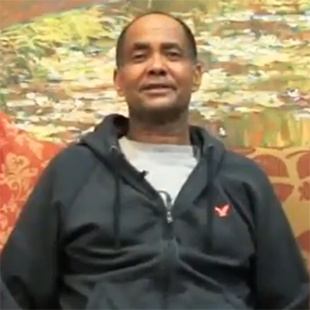
Mr Hailu Kassa : CABG Surgery
Mr Hailu Kassa
Mr Hailu Kassa : CABG Surgery

Mr. Hailu Kassa underwent Coronary Artery Bypass Surgery in Vejthani Hospital, Thailand under the supervision of Dr. Piya, Cardio-Thoracic Surgeon

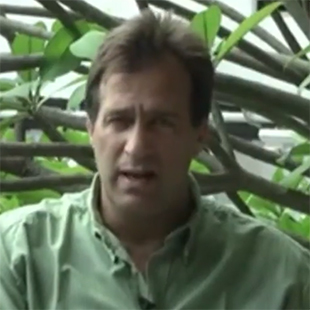
Rod Schaubroeck
Rod Schaubroeck
Rod Schaubroeck : Double Valve Replacement

Patient Testimonial: Rod Schaubroeck from United States (U.S.A) underwent heart valve replacement at Fortis Hospital, India

Conditions treated by TOF Repair

Frequently Asked Questions

A. The cost of TOF Repair in India starts from $6000. Many multispecialty hospitals that are NABH, and JCI certified are approved to operate a TOF Repair in India

The TOF Repair package cost in India varies from one hospital to another and may offer different benefits. Some of the best hospitals for TOF Repair offer a comprehensive package that covers the end-to-end expenses related to investigations and treatment of the patient. The TOF Repair cost in India includes the cost of anesthesia, medicines, hospitalization, and the surgeon's fee. Extended hospital stay, complications after the surgery, or new diagnosis may affect the overall cost of TOF Repair in India.

A. Tetralogy of Fallot is a congenital cardiac abnormality, meaning it exists from birth. The blood flow to and through the heart is altered in tetralogy of Fallot (TOF), a condition caused by four linked cardiac abnormalities.

Open cardiac surgery is used to repair TOF soon after birth or later in infancy. A baby may require multiple cardiac surgeries. Most treated newborns recover well, although they require frequent follow-up appointments with a cardiac expert.

Within a few hours after the baby's birth, or later in infancy, depending on the severity of the defects and symptoms, doctors can repair tetralogy of Fallot with open heart surgery.

A. Tetralogy of Fallot (ToF) is a congenital cardiac condition consisting of four distinct cardiac anomalies. Signs and symptoms might differ, but frequently consist of:

  • Heart murmur: An irregular heartbeat sound that is frequently picked up by a stethoscope.
  • Loss of consciousness or fainting: This is commonly brought on by hunger, weeping, or physical strain and is caused by decreased blood flow to the brain.
  • Tetralogy Spells: Often called "Tet spells," these are brief bouts of anger or lethargy, fast breathing, and deep blue skin. They may go away on their own or need assistance, and they are frequently caused by crying or feeding.
  • Clubbing of the Fingers and Toes: This is a gradual broadening and rounding of the tips of the fingers and toes.
  • Cyanosis: A low oxygen level in the blood that causes the skin, lips, and nails to appear bluish. This is frequently apparent in the first few months of life or at birth.
  • Challenges Breathing: Fast or laborious breathing, particularly when exercising or feeding a baby.
  • Fatigue: Feeling overly exhausted when working or even just relaxing.

A. To determine whether a newborn has tetralogy of Fallot and to learn more about the baby's heart and blood vessels, doctors may do several tests, such as:

  1. A pulse oximeter is a tiny sensor that can be attached to the finger, toe, or ear to gauge blood oxygen levels. Before leaving a newborn nursery, all babies are tested with a pulse oximeter to ensure that their oxygen levels are within normal range.
  2. Electrocardiogram (EKG): an examination that captures the heart's electrical activity
  3. An echocardiogram (echo) is a cardiac ultrasound image. It can measure the direction and speed of blood flow and record how the blood moves through the heart.
  4. Cardiac catheterization: information about the heart, blood pressure, and blood oxygen levels are all provided by a thin, flexible tube called a catheter that is put into the heart, typically through a vein in the arm or leg. Through the cardiac catheter, a device may occasionally be introduced into the heart or blood arteries.
  5. A chest X-ray helps determine the size and form of the heart, whether any fluid is present in the lungs or surrounding the heart, and how well the thoracic structures are generally doing.
  6. Computed tomography, or CT scan: Offers finely detailed cross-sectional images of the chest, showing the major arteries and the heart. helpful in helping you visualize the architecture and physiology of the heart, blood arteries, and lungs.
  7. Without the use of ionizing radiation, magnetic resonance imaging, or MRI, produces finely detailed, high-resolution images of the heart and blood vessels. Excellent for evaluating blood flow, heart function, and complex physiological parts.

A. ToF can be repaired surgically using a variety of techniques, depending on the particular anatomy of the patient and the surgeon's discretion. Among the most common kinds of ToF repair procedures are:

  • VSD, or Ventricular Septal Defect Closure: The VSD, which is a hole between the ventricles, is sealed using a patch.
  • Repair or Replacement of the Pulmonary Valve: If the pulmonary valve is seriously damaged, it can be fixed or replaced with a conduit, which is a construction that resembles a tube and connects the pulmonary artery to the right ventricle.
  • Reconstruction of the Right Ventricular Outflow Tract (RVOT) includes clearing or lessening the blockage in the RVOT, frequently by enlarging the region and enhancing blood flow to the lungs through a patch or conduit.
  • Whole Repair: This type of repair is carried out at a later time, usually when the child is older and more capable of handling a more involved surgical procedure.
  • Palliative Surgery: To increase lung blood flow and lessen discomfort, a first treatment may be carried out. The Blalock-Taussig shunt, which temporarily joins the pulmonary artery to the arm artery, is a common palliative operation.
  • Hybrid Approaches: To meet a patient's unique demands, a variety of treatments may be applied. This could involve a mix of palliative care techniques and more permanent repair methods.

A. Tetralogy of Fallot (ToF) repair post-operative care requires a multimodal strategy to guarantee the best possible outcome and manage any problems. The following provides a thorough summary of the essential post-operative care needs:

  1. Cardiac monitoring is the ongoing observation of blood pressure, heart rate, and rhythm to promptly identify any problems, such as hypotension or arrhythmias.
  2. Monitoring respiratory function and offering assistance, including mechanical breathing at first if necessary, is known as respiratory monitoring.
  3. Assessment: Monitoring pain levels regularly and modifying medication dosages as necessary to maintain comfort.
  4. Incision monitoring is the process of routinely checking a surgical incision for infection, sufficient healing, and appropriate closure.
  5. Gradual Increase in Activity: Following the healthcare team's recommendations, gradually up your physical activity levels.
  6. Feeding Assistance: Assisting with feeding and keeping an eye out for any issues or intolerance in young children or infants.
  7. Imaging studies: Regular CT scans, MRIs, or echocardiograms to evaluate the anatomy and physiology of the heart.
  8. Healthy Lifestyle: To promote long-term health, a balanced diet and general healthy lifestyle are encouraged.

A. The majority of Tetralogy of Fallot (ToF) repair surgeries are successful and can significantly enhance the quality of life, although there are several possible dangers and problems. These fall into two categories: long-term problems and immediate post-operative risks.

  • Pneumonia, wound infections, and infections from central lines or catheters are all considered infections.
  • Heart failure: May be brought on by unrepaired flaws, insufficient heart pumping capacity, or post-operative problems.
  • Arrhythmias: These comprise bradycardia, ventricular tachycardia, and atrial fibrillation.
  • Bleeding: external (such as at the location of the incision) or internal (such as within the chest cavity).
  • Renal complications include renal failure or malfunction brought on by reduced blood supply or other causes.
  • Pleural effusion and pericardial effusion are examples of fluid accumulation.
  • Aortic or pulmonary valve dysfunction caused by scarring or other alterations is known as heart valve dysfunction.
  • Infective endocarditis: Less frequently occurring infection of the heart's valves or lining.

A. In India, the success rate for Tetralogy of Fallot (TOF) surgery peaks in the first year following birth and then declines until the patient reaches the age of 25. In India, the success rate for Tetralogy of Fallot (TOF) Surgery reaches its peak at 98.6% within the first year of life and then drops to 94.5% by the time a patient reaches the age of 25.

A. Following Tetralogy of Fallot (TOF) repair surgery, your child should be closely monitored for any complications, have regular follow-up appointments with a pediatric cardiologist to monitor their progress, and manage their pain with prescribed medication, proper wound care, and gradually increase their activity level as directed by the doctor.

A. The majority of tetralogy of Fallot (TOF) symptomatic adults need surgery of some kind, the most frequent being replacement of the pulmonary valve (typically done under cardiopulmonary bypass). Elective surgery is typically used to treat tetralogy of Fallot in adult patients.

A. TOF Repair in India is offered by multiple hospitals across the country. Some of the best hospitals for TOF Repair in India include the following:

  1. Max Super Speciality Hospital, Patparganj
  2. Max Super Specialty Hospital, Vaishali
  3. Manipal Hospital Dwarka

A. Upon discharge from the hospital after TOF Repair in India, the patients are advised to stay for about 25 days for recovery. This time frame is important to ensure that the surgery was successful and the patient is fit to fly back.

A. Apart from the cost of TOF Repair, the patient is also required to pay additionally for daily meals and guest house accommodation. These charges start from USD 50 per person.

A. Many cities offer TOF Repair in India, including the following:

  • New Delhi
  • Mumbai
  • Hyderabad
  • Gurugram
  • Bangalore
  • Noida
  • Chennai

A. Patients can opt for video telemedicine consultation before they come for TOF Repair in India. Some of the surgeons offering this service include the following

DoctorCostSchedule Your Appointment
Dr. Bikram K MohantyUSD 35Schedule Now
Dr. Ashish ChauhanUSD 14Schedule Now
Dr. Sumit NarangUSD 14Schedule Now

A. After the TOF Repair takes place, the average duration of stay at the hospital is about 5 days. The patient is subjected to several biochemistry and radiological scans to see that everything is okay and the recovery is on track. After making sure that the patient is clinically stable, discharge is planned.

A. The average rating for TOF Repair hospitals in India is 3.9. This rating is automatically calculated based on several parameters such as the infrastructure of the hospital, quality of services, nursing support, and other services.

A. There are more than 3 hospitals that offer TOF Repair in India. The above-listed clinics are approved to perform the surgery and have the proper infrastructure to handle TOF Repair patients. These hospitals comply with all the rules and regulations as dictated by the regulatory bodies and medical associations in India

A. Some of the top doctors for TOF Repair in India are:

  1. Dr. Ganesh Kumar Mani
  2. Dr. Ashok Seth
  3. Dr. Devi Prasad Shetty

Not Sure About Your Treatment Plan? Get a Free Second Opinion

Have your reports reviewed by independent oncology experts to help you make a confident treatment decision, all online within 48 hours.

Upload Your Reports
Free second opinion on your CAR-T plan

Get Insight with our Blogs

Keiyann Pillay Underwent BT Shunt Surgery at Fortis Mulund, Mumbai, India
Patient Stories

Keiyann Pillay Underwent BT Shunt Surgery at Fortis Mulund, Mumbai, India

Keiyann Pillay, a baby of 2 months, had trouble breathing and was physically weak. The kid's parents brought him to an Indian hospital for a checkup.

Published: 17 Oct, 2023
Updated: 06 Mar, 2026