Browse verified doctors or let our care team help you find the doctor best suited to your condition, treatment goals, and budget.
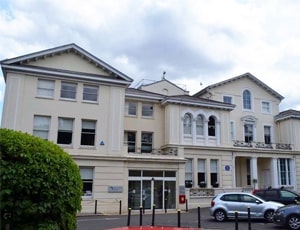
Sharjah, United Arab Emirates
The Cancer Care Center at Zulekha Hospital is a specialised facility that provides Medical Oncology in addition to traditional cancer treatment options such as surgery, chemotherapy, and palliative care. The facility provides stereotactic body radiation therapy, low- and high-dose brachytherapy, external beam radiation therapy, and intensity-modulated radiation therapy (IMRT) (SBRT). Radiation therapy for colorectal cancer at the hospital includes both curative and palliative treatments.
Colorectal cancer that has spread to other organs can be treated with chemotherapy, radiation therapy, and/or surgery. The oncology team may use a combination of chemotherapy, targeted therapy, biological therapy, HIPEC (Hyperthermic Intraperitoneal Chemotherapy), and radiation therapy to assess and treat patients. The hospital has received the "Dubai Quality Award." Zulekha Hospital's team of specialists has years of on-the-job training and experience. The hospital provides excellent care to both local and international patients. Dr. Rham Zaki Ahmed Mohamed, Dr. Sameh Mohammed Ahmed Aboamer, and Dr. Roshan Koshy Jacob are some of the cancer experts at the hospital.
Anadolu Medical Center has state-of-art medical technologies and screening methods to detect colorectal cancer and tumors. After proper staging and diagnosis, a multidisciplinary team of specialists comes up with a treatment plan for the patients. Anadolu Medical Center stays at the forefront of technological and scientific advancements, offering state-of-the-art treatment options such as Cyberknife, da Vinci, Truebeam, and PET-CT. At the Surgical Oncology Department of Anadolu Medical Center, minimally invasive surgical procedures are available.
The hospital offers a variety of diagnostic procedures for the detection of colorectal cancer, including colonoscopy, biopsy, tumor biomarker testing, blood tests, computed tomography (CT or CAT) scan, magnetic resonance imaging (MRI), ultrasound, and chest x-ray. With the help of these diagnostic tests, skilled experts can identify the stage of colorectal cancer in the patient. After considering the patient's age, comorbidities, cancer stage, and other factors, a treatment plan is created specifically for them. Surgery (removing a small or large portion of the colon or rectum), cryosurgery, radiofrequency ablation, chemotherapy, targeted therapy, and immunotherapy are some of the frequent treatments offered at the hospital. Among the known oncology specialists at Memorial Atasehir Hospital are Assoc. Prof. İbrahim Akmaz, MD, Surgeon Mehmet Taner ?zdemir, and Prof. Metin ?akmakçı.
Best doctors for Colorectal Cancer ( Colon Cancer ) Treatment at Anadolu Medical Center:
Burjeel Hospital in Abu Dhabi has an oncology department that is equipped with latest medical technology and world-class clinical expertise to provide comprehensive colorectal cancer care. Oncologists and a multidisciplinary team of specialists treat cancer patients from diagnosis to remission, from outpatient chemotherapy to inpatient care. Chemotherapy (including biologically targeted therapy), hormone therapy, immunotherapy, or a combination of these treatments are available at the hospital for colorectal cancer.
Expert oncologists with a focus on colorectal diseases, including cancer, are available at Burjeel Hospital in Abu Dhabi. The center has HD equipment, sophisticated CT scans, Mri, and other diagnostic tools. The hospital has a staff of skilled oncologists who specialize in this illness and offers the most efficient therapy for colorectal cancer. They use state-of-the-art tools and technology to get the greatest outcomes.
| Speciality | Oncology |
| Procedure | Colorectal Cancer ( Colon Cancer ) Treatment |
| Success Rate | Varies as per stage, grade, type and location of cancer |
| Recovery Time | Few weeks to several months |
| Treatment Time | several hours |
| Chances of Recurrence | Varies as per stage, grade, type and location of cancer |
Colorectal cancer treatment includes a combination of surgery, radiation therapy, chemotherapy, targeted therapy, and immunotherapy to eliminate cancerous growths in the colon or rectum. The specific approach depends on factors such as the stage of cancer, tumor location, and individual patient factors.
Colorectal cancer treatment is primarily aimed at addressing colorectal tumors, including adenocarcinoma, which is the most common type. Other conditions that can be treated through colorectal cancer treatment include rectal cancer, colon polyps, and certain types of hereditary colorectal cancer syndromes.
The recovery process after colorectal cancer treatment varies depending on the individual and the treatment received. Following surgery, there is a healing period, and patients may need to make temporary or permanent lifestyle modifications related to diet and bowel function. Chemotherapy and radiation therapy may have side effects that require supportive care. Regular follow-up visits are important for long-term recovery and to detect any potential recurrence or new developments in the colorectal area.

Colon cancer, or colorectal cancer, typically begins silently, with symptoms that can be easily overlooked or diagnosed as something less serious. However, being present with your body and noting early warning signs can give you time to get diagnosed and treated.