10 Hospitals

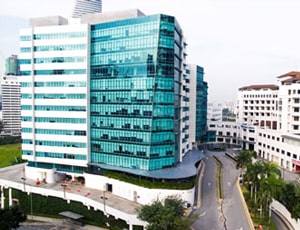
Prince Court Medical Centre
Kuala Lumpur, Malaysia
Number of Beds: 277
Year of Establishment: 2007
The Department of Cardiac Sciences at Prince Court Medical Centre in Malaysia offers diagnoses, treatments, and prevention of heart and vascular diseases. It includes interventional cardiology, cardiothoracic surgery, electrophysiology, and cardiac rehabilitation. Common conditions treated include coronary artery disease, heart failure, arrhythmias, valvular heart disease, and congenital heart defects. Diagnostic tools like ECG, echocardiography, cardiac MRI, and angiography help accurately assess.
Cardiac surgeries and treatments range from lifestyle and medication management to advanced procedures like angioplasty, pacemaker implantation, and bypass surgery (CABG). Pediatric cardiology handles congenital defects in children. The cardiology department in Malaysia operates cath labs for minimally invasive interventions and hybrid operating rooms for complex surgeries.
- Accreditation

Please Enquire
- Excellence in Healthcare Services in 2019 - Awarded by APAC Insider for Parkway Pantai's exceptional healthcare services and high patient satisfaction.
- Best Healthcare Brand in 2018 - Awarded by Influential Brands for Parkway Pantai's contribution to the healthcare industry and patient care.
- Best Hospital Group in 2017 - Awarded by HR Asia for Parkway Pantai's commitment to employee welfare and development, which ultimately benefits the patients.
- Best Private Healthcare Provider in Asia-Pacific in 2016 - Awarded by Global Health and Travel for Parkway Pantai's exceptional healthcare services and facilities.
- Best Healthcare Provider in Southeast Asia in 2015 - Awarded by MIMS for Parkway Pantai's exceptional medical services, innovative technology, and patient care
- Accreditation


Sunway Medical Centre
Kuala Lumpur, Malaysia
Number of Beds: 724
Year of Establishment: 1999
Kuala Lumpur's Sunway Medical Centre provides complete cardiac care, including heart surgery, electrophysiology, interventional cardiology, and diagnostic services.
The centre is outfitted with cutting-edge technologies to provide accurate diagnosis and treatment, including the Siemens Somatom Force Dual Source CT scanner and Radixact-X9 Tomotherapy. Cardiologists, cardiac surgeons, radiologists, and rehabilitation specialists work together as a multidisciplinary team to provide individualised care tailored to each patient's needs.
Sunway Medical Centre maintains the highest standards of patient care and safety. It is accredited by the Joint Commission International (JCI), the Malaysian Society for Quality in Health (MSQH), and the Australian Council on Healthcare Standards (ACHS). Its competence in various medical areas has also earned it recognition in Newsweek's Asia's Top Private Hospitals 2025 ranking.
- Accreditation


Parkcity Medical Centre in Kuala Lumpur offers comprehensive cardiovascular care through its Heart, Vascular, and Thoracic Department. The department provides advanced diagnostics such as echocardiography and ECGs, as well as treatments for various heart conditions, including pacemaker implantation, angioplasty, and coronary artery bypass grafting (CABG). Specialised procedures like electrophysiology studies, radiofrequency ablation, and interventional cardiology are also available. Parkcity Medical Centre’s experienced team of cardiologists and surgeons delivers patient-centred care with a strong emphasis on education and support.
ParkCity Medical Centre in Kuala Lumpur has been JCI-accredited. It also holds MSQH accreditation, maintains high standards of care and offers treatment for vascular and thoracic conditions, ensuring quality outcomes and patient satisfaction.
- Accreditation

Subang Jaya Medical Centre
Kuala Lumpur, Malaysia
Number of Beds: 442
Year of Establishment: 1985
Subang Jaya Medical Centre (SJMC) in Kuala Lumpur offers comprehensive cardiovascular care through its Heart, Vascular, and Thoracic Department. The department offers advanced diagnostics, including echocardiography and ECGs, as well as treatments for various heart conditions, such as pacemaker implantation, angioplasty, and coronary artery bypass grafting (CABG). Specialised procedures like electrophysiology studies, radiofrequency ablation, and interventional cardiology are also available. SJMC’s experienced team of cardiologists and surgeons delivers patient-centred care with a strong emphasis on education and support. As a JCI-accredited hospital, SJMC maintains high standards of care and offers treatment for vascular and thoracic conditions, ensuring quality outcomes and patient satisfaction.
Subang Jaya Medical Centre (SJMC) in Kuala Lumpur is accredited by Joint Commission International (JCI) and ISO, reflecting its commitment to global healthcare standards.
- Accreditation
Please Enquire

The Department of Cardiac Sciences at Ara Damansara Medical Centre in Malaysia offers diagnoses, treatments, and prevention of heart and vascular diseases. It includes interventional cardiology, cardiothoracic surgery, electrophysiology, and cardiac rehabilitation. Common conditions treated include coronary artery disease, heart failure, arrhythmias, valvular heart disease, and congenital heart defects. Diagnostic tools like ECG, echocardiography, cardiac MRI, and angiography help accurately assess.
Cardiac surgeries and treatments range from lifestyle and medication management to advanced procedures like angioplasty, pacemaker implantation, and bypass surgery (CABG). Pediatric cardiology handles congenital defects in children. The cardiology department in Malaysia operates cath labs for minimally invasive interventions and hybrid operating rooms for complex surgeries.
- Accreditation

- Consumer Choice Award in 2021 - Awarded by the American Academy of Cosmetic Surgery (AACS) for the medical group's commitment to providing exceptional patient care in the field of cosmetic surgery.
- Best Aesthetic Clinic in Malaysia in 2020 - Awarded by the Global Health and Travel Awards for the medical group's excellence in providing aesthetic treatments.
- Outstanding Plastic Surgery Service Award in 2019 - Awarded by the Golden Globe Tigers for the medical group's outstanding service in the field of plastic surgery.
- Best Medical Spa in 2018 - Awarded by the Luxury Lifestyle Awards for the medical group's exceptional medical spa services and innovative treatments.
- Best Aesthetic Practice in 2017 - Awarded by the MyFaceMyBody Awards for the medical group's excellence in the field of aesthetic treatments and cosmetic surgery.
- Accreditation


Bukit Tinggi Medical Centre
Kuala Lumpur, Malaysia
Number of Beds: 171
Year of Establishment: 2016
Bukit Tinggi Medical Centre in Kuala Lumpur offers comprehensive cardiovascular care through its Heart, Vascular, and Thoracic Department. The department provides advanced diagnostics such as echocardiography and ECGs and treatments for various heart conditions, including pacemaker implantation, angioplasty, and coronary artery bypass grafting (CABG). Specialised procedures like electrophysiology studies, radiofrequency ablation, and interventional cardiology are also available. Bukit Tinggi Medical Centre’s experienced team of cardiologists and surgeons delivers patient-centred care with a strong emphasis on education and support.
Bukit Tinggi Medical Centre (BTMC) is accredited by the Malaysian Society for Quality in Health (MSQH), reflecting adherence to national healthcare standards.
- Accreditation

- Healthcare Asia: Employee Engagement of the Year (2019)
- Paediatric Service Provider of the Year in Asia-Pacific (2021)
- Obstetrics and Gynaecology Service Provider of the Year in Asia-Pacific (2024)
- Women and Children Specialist Provider of the Year in Asia-Pacific (2024)
- Advanced Paediatric Service Provider of the Year in Asia-Pacific (2024)
- Gold Class 1 Award for excellence and organisational performance.
Please Enquire

Damansara Specialist Hospital 2 (DSH2), Kuala Lumpur
Kuala Lumpur, Malaysia
Number of Beds: 132
Ask your healthcare adviser for the best multiple options and choose the one that meets your expectations
Request for an Expert Opinion

When choosing a Cardiac Sciences hospital in Malaysia, you gain access to world-class facilities and experienced doctors. The hospitals offer cutting-edge treatments for conditions like heart attacks, heart failure, arrhythmias, and valve disorders. Procedures such as Coronary Artery Bypass Grafting (CABG), Angioplasty, and Pacemaker Implantation are performed with advanced technology and expertise, ensuring patients receive the highest level of care.
Malaysia is a top choice for cardiac treatment because of its affordable prices and high healthcare standards. With modern hospitals, well-trained cardiologists, and shorter waiting times, patients can get the care they need quickly. The country's excellent patient support services, including language assistance and travel coordination, make the experience smoother, ensuring you receive the best care without stress.
Why Choose a Cardiac Sciences Hospital in Malaysia?
Here are some simple reasons why you should go to a Cardiac Sciences hospital in Malaysia:
- World-Class Doctors: Malaysia has highly trained doctors who specialise in heart health and can provide expert care.
- Advanced Technology: The hospitals utilise the latest heart care technology, providing the most effective treatments.
- Affordable Prices: Treatment costs in Malaysia are generally lower compared to those in many other countries.
- Short Waiting Times: You don’t have to wait long to see a doctor or receive treatment, making the process faster and easier.
- Support for International Patients: Malaysia provides additional support for international patients, including translation services and travel assistance.
Common Cardiac Sciences Treatments
- Closed Heart Surgery
- Heart Port Surgery
- Atherectomy
- Balloon Atrial Septostomy
- Norwood Surgery
- Asd Closure Repair Adult
- Angiography Including Non Ionic Contrast
- Balloon Angioplasty
- Bentall
- Cabg Redo
- Avr Mvr
- Cabg
- Device Closure Of Asd Amplatzer Septal Occluder
- Fontan Procedure
- Double Valve Replacement
- Norwood Procedure
- Pacemaker Implant Single Chamber
- Pda Closure
- Tapvc
- Tof Repair
- Vsd Closure Repair Adult
- Angioplasty
- Eps Rfa
- Icd Combo Device
- Impella
- Cardiac Ablation
- Intra Aortic Balloon Pump Iabp
- Left Ventricular Assist Device Lvad
- Ross Procedure
- Pediatric Cardiomyopathy Treatment
- Ballon Valvuloplasty
- Crt D
- Glenn Procedure
- Trans Aortic Valve Replacement Tavr Surgery
- Dual Chamber Pacemaker
- Crt P
- Pulmonary Valve Replacement
- Arterial Switch Surgery
- Lv Restoration Surgery
- Balloon Mitral Valvotomy
International Patient Support for Cardiac Sciences in Malaysia
Leading Cardiac Sciences Hospitals in Malaysia give special care to international patients, making the journey smooth and stress-free. These services include:
- Travel Assistance: Help book flights, arrange airport transfers, and find nearby accommodations.
- Language Support: Hospitals offer translation services to facilitate easy communication between patients and their doctors.
- Visa Assistance: Guidance in obtaining medical visas and other necessary documents for treatment.
- Personalised Care: Dedicated coordinators to assist with all medical needs and ensure a seamless hospital experience.
- Post-Treatment Care: Guidance and support for recovery and follow-up treatments, even after returning home.
- Affordable Packages: Special treatment packages for international patients that include all medical services at an affordable price.
Patient Stories
More Related Information
Some of the top rated docotrs are:
Top rated hospitals in other destinations are:
- Singapore
- Gleneagles Hospital, Napier Road
- Mount Elizabeth Hospital, Mount Elizabeth
- Mount Elizabeth Novena Hospital, Novena
- Farrer Park Hospital, Connexion
- Parkway East Hospital, Joo Chiat Pl
- Switzerland
- India
- Aakash Healthcare Super Speciality Hospital, Delhi
- Indian Spinal Injuries Centre, Delhi
- Artemis Health Institute , Delhi / NCR
- Fortis Hospital, Kolkata
- VPS Lakeshore Hospital, Kochi
- Lithuania
- Morocco
Related Treatment Cost in Malaysia
| Procedure Name | Cost | Length of Hospital Stay |
|---|---|---|
| ASD Repair | USD 21000 | 1 Day |
| Double Valve Replacement | USD 9200 | 1 Day |
| Angioplasty | USD 9500 | 2 Days |
| Heart Bypass Surgery | USD 18000 | 1 Day |
| PDA Closure | Price on Request | 2 Days |
| VSD Repair | Price on Request | 1 Day |
| Bentall Procedure | Price on Request | 1 Day |
| Norwood Procedure | Price on Request | 1 Day |
| Closed Heart Surgery | Price on Request | Not Required |
| Pacemaker Implantation | USD 7500 | 1 Day |
FAQ's Related to Malaysia
The popular hospital groups in Malaysia are Beverly Wilshire Medical Group, Kuala Lumpur; Parkway Pantai, Kuala Lumpur; Gleneagles Hospital, Kuala Lumpur; and KPJ Ampang Puteri Specialist Hospital, Ampang. With a two-tier healthcare system in Malaysia, the hospitals are highly advanced because of extensive support from the Malaysian government through investment in medical infrastructure. These hospitals are more focused on providing quality treatment and are supported by the latest medical technologies and excellent infrastructure. Supported by excellent facilities and well-trained staff, the hospitals in Malaysia have witnessed tremendous growth and are on par with well-developed countries.
The process of receiving healthcare accreditation in Malaysia is very stringent and the hospitals are strictly evaluated on quality parameters. Malaysian Society for Quality in Health (MSQH) and JCI are the two main healthcare accrediting bodies in Malaysia. MSQH has recently partnered with Malaysia’s Ministry of Health, Association of Private Hospitals Malaysia and the Malaysian Medical Association, to work together on raising the standards of healthcare in Malaysia. Around 12 hospitals in Malaysia have received JCI certification and all of them follow the global standards.
With world-class hospitals across Asia and beyond, Malaysia has reported high success rates in cardiology and fertility treatments. Malaysia is also popular among medical tourists because of its food, cultural diversity, and heritage spots. One of the leading medical tourism destinations in the world, Malaysia boasts of having a strong healthcare system supported by public-private healthcare collaboration and governmental participation. Malaysia has received worldwide recognition for its excellent healthcare system mainly attributed to advanced technology, modern infrastructure, and highly trained medical professionals.
Although the doctors in Malaysia have expertise in performing a wide range of procedures, they have delivered excellent results in IVF and cardiology. Malaysia produces one of the finest doctors in the world because it has a strict evaluation process for offering medical degrees, and also the doctors need to serve in the public sector for at least 3 years, making them attain a high level of professionalism. The well-qualified doctors in Malaysia have been educated and trained at premier institutes and many of them have global exposure. The high-quality doctors in Malaysia have global exposure which makes them efficient in treating various conditions.
eVISA can be availed through online platforms and is valid for 3 months. You need to provide the following things to obtain an eVisa:
- Medical certificate issued by the registered medical practitioner
- Two recent passport size photographs
- Valid passport
- Details of the person travelling
- Two blank pages on the passport
- Travelling and accommodation details
- Civil status certificate Medical tourists can apply for eVisa for traveling to Malaysia to get medical treatment and reside there for a period of 30 days under the Malaysian Healthcare Travellers Program (MHTP). Two attendants can accompany the patient to Malaysia under Medical Attendant Visa.
Malaysia makes advances in effective cancer treatment using gene therapy, ensuring shorter treatment time, reduced treatment costs, and minimal adverse effects of current chemo-drugs. The popular procedures available in Malaysia are cosmetic surgery, vitiligo treatment, cancer care, dental work, discectomy, prostate surgery. With recent advancements in orthopedic technologies, Malaysia offers some effective procedures such as hip replacement, shoulder replacement, knee replacement surgery. Fertility hospitals and clinics have reported high success rates in IFV due to a number of reasons like the use of the latest technology, trained experts, adherence to strict protocols and safety standards, and a holistic treatment approach.
These cities have world-class hospitals with superior infrastructure and highly trained hospitals, all these contributing to an amazing patient experience. Malaysia has some top cities having world-class hospitals, such as Kuala Lumpur, Ampang, Penang, Malacca, and Kota Kinabalu. Kuala Lumpur and Penang are the most popular destinations for medical tourism in Malaysia as these cities have an amazing public transportation system, a number of cheap hotels, and connectivity through airlines. A large number of hospitals, scenic value, rich culture, availability of translators, and safety of tourists also contribute to the popularity of these cities in medical tourism.
Before a trip to Malaysia, you can get pre-exposure vaccination against rabies. Children are more vulnerable. Yes, you need to get below vaccines before traveling to Malaysia:
- Hepatitis A,
- Covid
- Hepatitis B,
- Typhoid
- Yellow fever
- Japanese encephalitis
- Rabies
- Meningitis
- Polio
- Measles