Your Notifications
All done, no notifications

Left ventricular assist device (LVAD) Cost in Malaysia

Costs starts from USD100000
Filters

How Much Does Left Ventricular Assist Device (LVAD) Cost in Malaysia?

The cost of a Left Ventricular Assist Device typically ranges between USD 100000 depending on the patient's condition. This procedure is often used for diagnosing or treating heart conditions, such as irregular heartbeats or blocked arteries.

Additionally, factors like the duration of treatment, the need for follow-up care, and the use of advanced technologies or specialised treatments can further influence the overall cost.

Factors Influencing the Cost of Left Ventricular Assist Device in Malaysia

Cost of Left ventricular assist device (LVAD) in Major Cities of Malaysia

CityCost (USD)Cost (MYR)
Kuala LumpurUSD 100000424000

Left ventricular assist device (LVAD) Cost : A Global Comparison

CountryMinimum CostMinimum Local CurrencyMaximum CostMaximum Local Currency
Czechiaget request
IndiaUSD 40000INR 3425600USD 60000INR 5138400
Israelget request
Lithuaniaget request
Malaysia - - USD 100000MYR 424000
Polandget request
Saudi Arabiaget request
SingaporeUSD 100000SGD 129000USD 200000SGD 258000
South Africaget request
South KoreaUSD 150000KRW 206397000USD 300000KRW 412794000
SpainUSD 80000ESP 11763192USD 170000ESP 24996783
Switzerlandget request
ThailandUSD 80000THB 2616800USD 105000THB 3434550
TurkeyUSD 100000TRY 3906000USD 170000TRY 6640200
United Arab EmiratesUSD 100000AED 367000USD 200000AED 734000
United Kingdomget request

Need Help Planning Your Treatment Abroad?

Your 24/7 AI Health Assistant

Ventricular assist devices (VADs) are pumps that help pump blood from the lower chambers of the heart to the rest of the body's organs. It's a therapy for heart failure or a failing heart. While further therapies, like such a heart transplant, are not yet a reality, a VAD can be used to sustain the heart. A VAD can be used to help the heart pump forever.

A long-term mechanical circulatory support device (VAD) is another term for all of these devices.

A VAD is most commonly placed in the left ventricle, which is the lower chamber of the heart. A left ventricular assist device (LVAD) is its name when it is placed inside the left ventricle. LVADs are what this article discusses.

An LVAD is used to support patients with severe left-sided heart failure when the heart can't pump enough blood. It can be used as a destination therapy for non-transplant candidates, a bridge to recovery in reversible disorders, or a bridge to transplant.

See a cardiologist if your heart failure symptoms—such as shortness of breath, edema, excessive exhaustion, or repeated hospitalisations despite the best medical treatment- get worse. If you are waiting for a heart transplant or if traditional treatments don't work, you can be recommended for an LVAD examination. Seek immediate medical attention if you experience fever, device alerts, bleeding, or infection symptoms after implantation.

Comprehensive medical assessments, device care education, and collaboration with a multidisciplinary care team are all part of being ready for an LVAD. In addition to receiving social and emotional support, patients might need to modify their lifestyle prior to surgery.

  • Anaesthesia: The patient is put under general anaesthesia.
  • Incision: Usually, a median sternotomy (chest opening) is carried out.
  • Pump Location: After the LVAD is surgically installed, the outflow cannula is attached to the aorta and the inflow cannula is inserted into the left ventricle.
  • Controller & Power Source: The patient's external controller and battery pack are coupled to a driveline cable inserted through the abdomen.
  • Heart-Lung Machine: During surgery, the patient can be hooked up to a heart-lung bypass machine.
  • Closure: Sutures and staples close the chest after the device is in position and operating.

LVAD implantation typically takes 4 to 6 hours, depending on the patient's condition and the complexity of the case.

Potential risks of LVAD implantation include:
  • Infection
  • Strokes and thrombosis
  • Bleeding
  • Failure of the right heart
  • Kidney damage
  • Failure of the left ventricular assist device

Vital organs, including the kidneys, liver, and brain, work better when blood flow is increased throughout the body by a left ventricular assist device (LVAD). It improves strength and the capacity to engage in previously challenging tasks, including cardiac rehabilitation, by reducing symptoms like exhaustion, dyspnea, and edema. Furthermore, patients can frequently leave the hospital and continue their recovery at home with the help of an LVAD.

Recovery following LVAD surgery requires a hospital stay of two to four weeks, including intensive care unit time. Patients and caregivers are trained on how to use devices, charge batteries, and change dressings. Regular follow-ups and cardiac rehabilitation are important. It could take several months to recover fully, requiring constant medication and lifestyle changes.

LVADS have a 1-year survival rate of over 80% and a 2-year survival rate of 70%. Usually, both functional status and quality of life improve. Because of their superior results and increased longevity, continuous-flow LVADS are in the lead.

Top Selling Packages for Left ventricular assist device (LVAD)

LVAD
LVAD

Amrita Hospital, Faridabad, India

USD 125000 USD 135000

LVAD (Left ventricular Aortic Device) Domestic cost

Manipal Hospital, Dwarka, Delhi, India

USD 105000 USD 106000

LVAD
LVAD

Fortis Hospital, Shalimar Bagh, Delhi, India

USD 180000 USD 180500

Would you like some help? We are available.

Get Help
Explore Hospitals ( 7 )
Left ventricular assist device (LVAD) in Prince Court Medical Centre: Costs, Top Doctors, and Reviews

Kuala Lumpur, Malaysia

Prince Court is a private medical facility in the center of Kuala Lumpur that has 277 individual beds. Our dedication is to provide you with the best treatment possible from the time you arrive until you depart, healthier and happier. We are well-known for our top-notch facilities, cutting-edge technology, and friendly customer service.

Left ventricular assist device (LVAD) in Parkway Pantai: Costs, Top Doctors, and Reviews

Kuala Lumpur, Malaysia

  • Joint Commission International, or JCI

Parkway Pantai located in Kuala Lumpur, Malaysia is accredited by JCI. Also listed below are some of the most prominent infrastructural details:

  • Capacity of 335 beds
  • 200+ specialist Doctors
  • Critical Care Unit
  • Neonatal Intensive Care Unit
  • Operating Theatre
  • International Patient Care Center
  • Types of rooms available- Premier Suite, Supreme Suite, Deluxe Single Room, 2-bedded room, 4-bedded room, Deluxe Suite, Premier Single room, and Supreme Single room
Left ventricular assist device (LVAD) in Sunway Medical Centre: Costs, Top Doctors, and Reviews

Kuala Lumpur, Malaysia

  • The Australian Council on Healthcare Standards (ACHS)

Sunway Medical Centre has initiated a comprehensive expansion plan close to its current hospital facility to enhance its ability to provide services to the global market. The new Cancer Radiosurgery Center and Nuclear Medicine Center, which will also house additional Centers of Excellence like the Digestive Health Center and Dialysis Center, marked the completion of Tower C's first phase in October 2016.

Left ventricular assist device (LVAD) in ParkCity Medical Centre: Costs, Top Doctors, and Reviews

Kuala Lumpur, Malaysia

  • Joint Commission International, or JCI

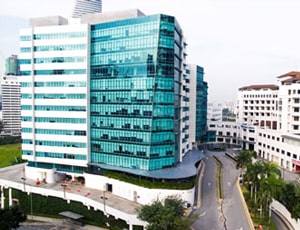
In Kuala Lumpur, Malaysia, ParkCity Medical Centre is a 300-bed, cutting-edge, interdisciplinary private hospital that provides award-winning private healthcare in an environment of lush vegetation.

Left ventricular assist device (LVAD) in Subang Jaya Medical Centre: Costs, Top Doctors, and Reviews

Kuala Lumpur, Malaysia

  • Joint Commission International, or JCI

Subang Jaya Medical Center is renowned for pioneering radiation oncology treatments and infrastructure in Malaysia. The hospital also has a state-of-the-art Cancer Radiosurgery Centre (CRC), which is fully furnished with the latest medical technology for cancer detection, monitoring, and treatment.

Left ventricular assist device (LVAD) in Ara Damansara Medical Centre: Costs, Top Doctors, and Reviews

Kuala Lumpur, Malaysia

  • Joint Commission International, or JCI

Situated at the junction of Petaling Jaya and Shah Alam, close to the Oasis Ara, Ara Damansara Medical Centre boasts a serene, luxurious ambiance.

The Centre has been awarded several prestigious awards such as the Global Health Asia Pacific Awards 2023, Newsweek Best Specialized Hospital APAC 2023, Healthcare Asia Awards 2023, and Malaysian Healthcare Wellness Excellence.

Left ventricular assist device (LVAD) in Bukit Tinggi Medical Centre: Costs, Top Doctors, and Reviews

Kuala Lumpur, Malaysia

As a tertiary care hospital, Bukit Tinggi Medical Centre (BTMC) is committed to providing high-quality, reasonably priced healthcare.

With a focus on patient care and a team of committed medical professionals and personnel, we want to realize our ambition of becoming Klang's go-to healthcare provider. Orthopedics, neurosurgery, cardiac surgery, obstetrics and gynecology, pediatrics and rehabilitation, aesthetic surgery, and other specialties are all part of our multidisciplinary team approach. Additionally, BTMC has a Health Screening Center that provides a range of health packages to meet the requirements of diverse patient types.

Need Some Advice From Our Experts?

Request a Call Back Now!

Our team of healthcare experts would be happy to assist you

trusted Patientstrusted Patients+99
Trusted by 50000+ Patients
Required | alphabets and spaces
Required | A valid, working email address
Required | A valid contact

Process Involved for Left ventricular assist device (LVAD) in Malaysia

  • Consultation and Assessment by Cardiologist: The patient is subjected to a comprehensive medical assessment, such as blood work, imaging tests (echocardiograms, angiograms), and a physical exam to determine their general health and heart function. Patients and their families are informed about the LVAD device, how it works, and what to anticipate during and after the procedure.
  • Surgical Procedure: The chest is incised by the surgeon to reach the heart following general anaesthesia. LVAD pump is connected to the left ventricle and aorta. The driveline transfers power to the pump from the power source and external controller and is routed through the skin.
  • Post-Procedure Care: The patient is admitted to the ICU for continued care and observation.
  • Cardiogenic Shock
  • Cardiomyopathy
  • Myocardial Infarction (Heart Attack)
  • Bridge to Transplant
  • Advanced Heart Failure
  • Destination Therapy
  • Non-Transplant Candidates: Patients who are not eligible for a heart transplant may receive an LVAD as a long-term solution (destination therapy).
  • Heart Transplant Candidates: Patients awaiting a heart transplant may receive an LVAD as a bridge to transplant.
  • Advanced Heart Failure: Patients with end-stage heart failure who have not responded to other treatments.
  • Severe Symptoms: Patients experiencing significant discomfort or inability to perform daily tasks due to heart failure.
  • Endomyocardial Biopsy
  • Valve Repair or Replacement
  • Atrial Septal Defect (ASD) or Patent Foramen Ovale (PFO) Closure
  • Pacemaker or Implantable Cardioverter-Defibrillator (ICD) Placement
  • Coronary Artery Bypass Grafting (CABG)
  • Symptom Improvement: LVADs can relieve the acute heart failure symptoms of shortness of breath, chest discomfort, and edema, enhancing patients' quality of life.
  • Bridge to Heart Transplant: In patients waiting for a heart transplant, an LVAD can be used as a bridge to sustain heart function and health until a donor heart becomes available.
  • Enhanced Blood Circulation: Enhanced overall circulation and the proper delivery of oxygen and nutrients to vital organs.
  • Improved Quality of Life: Patients tend to significantly improve daily functioning and decrease fatigue.
  • Long-Term Solution: In case of non-eligibility of the patient for a heart transplant, an LVAD can serve as a long-term solution (destination therapy). It alleviates the symptoms of heart failure and increases life expectancy, enabling patients to live more efficiently,.
  • Psychological Benefits: The improved physical health and ability to engage in daily activities can also lead to positive psychological outcomes, including reduced anxiety and depression.
  • Cardiothoracic Surgeons
  • Cardiac Surgeon
  • Fill out the inquiry form: Fill out the form to provide us with the relevant information about your condition.
  • Consult with Our Healthcare Expert: One of our qualified specialists will contact you for a consultation.
  • Receive a Detailed Treatment Plan: After examining your situation, we will provide you with a detailed treatment plan that includes expert views and cost breakdowns for various choices.
  • Choose your preferred option: Choose the therapy option that best suits you.
  • Seamless Organization: We will manage all the details, including visas, flights, accommodations, and transfers, for a stress-free journey.

Instantly Connect with our Left ventricular assist device (LVAD) Specialists

Doctor 1
Doctor 2
Doctor 3
Doctor 4
Doctor 5
Doctor 6
Doctor 7
Doctor 8
Our Services to Better your Experience

Opinion & Option

We submit the most accurate opinion and options from one or more countries for your review

Consult Privately

Consult with a certified specialist privately on our telemedicine platform even before you decide to travel

Logistics

We handle flights, visas, transfers, and accommodation—so you can focus on your health.

Recovery

Our In-house rehabilitation service packages to better your recovery and treatment outcome

Other Popular Countries for Left ventricular assist device (LVAD)

Our network connects you with the leading medical tourism destinations globally, offering a wide range of cities, top doctors, and flexible pricing options.

Turkey
India
Thailand
Vietnam

Author

Alvina Hasan

M.Pharm

1 Year of Experience

Alvina Hasan is a dedicated medical researcher and scientific writer with a strong foundation in the pharmaceutical sciences. She holds a B.Pharm from Jamia Hamdard University and an M.Pharm in Quality Assurance from DIPSAR University. With deep medical expertise and a strong interest in healthcare communication, she focuses on transforming complex clinical and scientific information into clear, engaging, and easy-to-understand narratives. She develops insightful healthcare articles and research-driven pieces designed to support both medical professionals and patients, helping bridge the gap between advanced medical knowledge and practical understanding. . View More

Reviewer

Dr. Naresh Kumar Goyal

Cardiologist

21 Years of Experience

Dr. Naresh Kumar Goyal is highly trained as a cardiologist with exposure in virtually all aspects of cardiology. He qualified with an MD in internal medicine in 1999 from SMS Medical College, Jaipur, and served in the Cardiology Department as an honorary resident. From this stage, he also started with training in the temporary pacing of the pacemaker as well as interventional services. View More