Affordable World-class Treatment - Accredited Hospitals - Free Treatment Plan in 24 Hrs

Share your details to receive a personalised treatment plan, estimated costs, hospital recommendations, and expert guidance, “completely free.”
Your information is protected with HIPAA-compliant security standards. We only share your details with hospitals after your consent.
The cost of CABG - Redo in Malaysia is USD 12000 - USD 20000
Additionally, factors like the duration of treatment, the need for follow-up care, and the use of advanced technologies or specialized treatments can further influence the overall cost.
A redo CABG is the second operation that is done on a patient who has initially undergone CABG and who develops new lesions or in whom the previous grafts have failed. This procedure is often performed on patients who continue to have angina or any other disease related to the heart after the first bypass surgery. It entails employing the correct blood vessels, particularly from the leg, chest, or arm then using them to obliterate blocked coronary arteries and consequently feed blood to the heart muscles.
Redoing CABG is more difficult than the initial operation because the veins are scarred, and previous grafts make the path to the heart less clear. The procedure has more dangers, such as bleeding, infection, stroke, or another heart attack, and it also means a longer stay in the hospital. However, it intends to enhance the heart performance as well as a symptomatic benefit for the patient’s lifestyle.
| City | Cost (USD) | |
|---|---|---|
| Kuala Lumpur | $12,000 – $20,000 | Explore More |


Our dedicated Medical Patient Advisors are here to answer your questions, help you compare treatment options, estimate costs, and guide you through every step of your healthcare journey.
Coronary artery bypass graft surgery (CABG) is performed to address coronary artery disease (CAD), which occurs when the coronary arteries become narrowed due to the accumulation of fatty material within their walls. These arteries are responsible for supplying oxygen and nutrients to the heart muscle. As CAD progresses, it restricts the flow of oxygen-rich blood to the heart, potentially leading to various heart-related complications.
Traditionally, to bypass a blocked coronary artery, surgeons would make a large incision in the chest and temporarily stop the heart. The breastbone (sternum) is then split lengthwise and spread apart to access the heart. Tubes are inserted into the heart to allow blood to be pumped through a heart-lung bypass machine, which maintains circulation while the heart is stopped.
While this traditional open-heart procedure is still commonly performed and may be preferred in many cases, less invasive methods have been developed. Off-pump procedures, introduced in the 1990s, eliminate the need to stop the heart. Additionally, minimally invasive techniques like keyhole surgery (using small incisions) and robotic-assisted procedures (utilizing a mechanical device) offer alternative approaches for bypassing blocked coronary arteries.
it is necessary to address blockages or narrowing in one or more coronary arteries. When nonsurgical treatments are not viable options, CABG becomes essential to restore proper blood flow to the heart muscle.
Redo CABG is done when previously grafted bypass vessels fail or when new blockages appear in the coronary arteries. In general, the procedure will have to be undertaken if the patient relapses with chest pain and could be at risk of a heart attack or worsening heart disease.
Patients diagnosed with chest pains, breathlessness, fatigue, or any suspected cardiac symptoms after having undergone a previous bypass operation should urgently see a cardiologist; early evaluation will prevent possible complications from occurring.
You may be required to undergo some special medical tests, discontinue some medications, and control other health conditions such as diabetes or hypertension. You are usually advised to fast before surgery and to look for support to help you after the procedure.
CABG procedures are done with the patient under general anesthesia. The surgeon may choose to reopen the old chest incision combined with sternotomy, or any other method deemed suitable. New grafts are put down to bypass the blocked arteries, possibly while the patient is on the heart-lung machine.
Under usual circumstances, the time lies between 4 and 6 hours.
Studies have suggested that redo CABG may benefit patients by improving blood flow, reducing symptoms, and enhancing the quality of life. Additionally, in many cases, it could lower one's chance of having a heart attack.
Generally, the patient remains in the ICU for 1 to 2 days and in the hospital for about a week. There is a 6- to 12-week period when full recovery occurs, during which cardiac rehab will help build endurance and strength.
The success rate is between 70% and 90%, depending on individual health factors.
Our experienced Medical Patient Advisors have supported 100,000+ patients across 120+ countries with personalised treatment plans, hospital recommendations, cost estimates, and travel assistance, all free.
✓ Free Consultation ✓ No Obligation ✓ Personalized Treatment Plan ✓ Response Within 24 Hours
Your medical info has is HIPAA-style confidential. We never share with hospitals without your consent.

Opinion & Option
We submit the most accurate opinion and options from one or more countries for your review
Consult Privately
Consult with a certified specialist privately on our telemedicine platform even before you decide to travel
Logistics
We handle flights, visas, transfers, and accommodation—so you can focus on your health.
Recovery
Our In-house rehabilitation service packages to better your recovery and treatment outcome

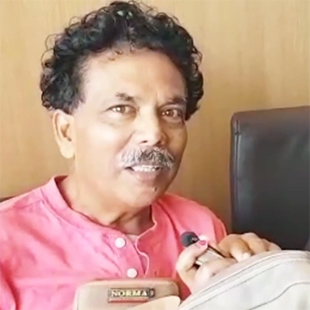
This is the testimonial of Mr. Prithiviraj Bhurtun, a heart patient from Mauritius. He had already undergone a Heart Bypass…
The CABG - Redo package cost in Malaysia varies from one hospital to another and may offer different benefits. There are many hospital that cover the cost of pre-surgical investigations of the patient in the treatment package. The comprehensive CABG - Redo package cost includes the cost of investigations, surgery, medicines and consumables. There are many things that may increase the cost of CABG - Redo in Malaysia, including prolonged hospital stay and complications after the procedure.
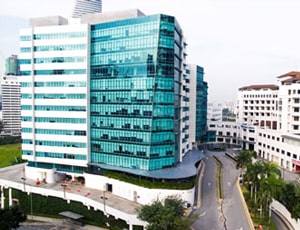
There are many hospitals across the country that offer CABG - Redo to international patients. Some of the most renowned hospitals for CABG - Redo in Malaysia include the following:
The recovery of the patient many vary, depending on several factors. However, on an average, patient is supposed to stay for about 28 days in the country after discharge. This is important to ensure that the surgery was successful. During this time, control and follow-up tests take place to check for medical fitness.
Apart from the CABG - Redo cost, the patient may have to pay for additional daily expenses such as for guest house after discharge and meals. The per day extra expenses in Malaysia per person are about USD 50 per person.
The following are some of the best cities for CABG - Redo in Malaysia:
The patient is supposed to stay at the hospital for about 7 days after CABG - Redo for monitoring and care. During the recovery, the patient is carefully monitored and control tests are performed to see that everything is okay. If required, physiotherapy sessions are also planned during recovery in hospital.
There are more than 1 hospitals that offer CABG - Redo in Malaysia. These clinics have proper infrastructure for the treatment of patients who require kidney transplant. Also, these hospitals follow the necessary guidelines as required by the medical associations for the treatment of CABG - Redo patients.
Some of the best doctors for CABG - Redo in Malaysia are:
Have your reports reviewed by independent oncology experts to help you make a confident treatment decision, all online within 48 hours.
Upload Your Reports