Your Notifications
All done, no notifications

Brain Cancer Treatment Cost in Malaysia

Costs starts from USD20000 to USD60000
Filters

How Much Does Brain Cancer Treatment Cost in Malaysia?

The cost of Brain Cancer Treatment in Malaysia is USD 20000 - USD 60000

Additionally, factors like the duration of treatment, the need for follow-up care, and the use of advanced technologies or specialized treatments can further influence the overall cost.

Factors Influencing the Cost of Brain Cancer Treatment:

Treatment of brain cancer depends on the type, location, extent of the tumor, and the general health of the patient. Other therapy may involve surgery, radiotherapy, chemotherapy, targeted therapy, and/or immunotherapy which may be used singly or together.

The therapeutic management is very much tailored to the tumor type and stage, as well as the specific situation of the individual client. Such a treatment plan requires cooperation with a neurosurgeon, oncologist, radiologist, and other specialists, and a great amount of time.

Cost of Brain Cancer Treatment in Major Cities of Malaysia

CityMinimum Cost (USD)Minimum Cost (MYR)Maximum Cost (USD)Maximum Cost (MYR)
Kuala LumpurUSD 2000084800USD 60000254400

Brain Cancer Treatment Cost : A Global Comparison

CountryMinimum CostMinimum Local CurrencyMaximum CostMaximum Local Currency
IndiaUSD 7500INR 642300USD 12000INR 1027680
IsraelUSD 20000ILS 70800USD 34000ILS 120360
MalaysiaUSD 20000MYR 84800USD 60000MYR 254400
Saudi ArabiaUSD 20000SAR 75000USD 100000SAR 375000
SingaporeUSD 20000SGD 25800USD 100000SGD 129000
South AfricaUSD 10000ZAR 179700USD 50000ZAR 898500
South KoreaUSD 20000KRW 27519600USD 35000KRW 48159300
SpainUSD 30000ESP 4411197USD 100000ESP 14703990
SwitzerlandUSD 50000CHF 41500USD 200000CHF 166000
ThailandUSD 22000THB 719620USD 25000THB 817750
TunisiaUSD 10000TND 29800USD 30000TND 89400
TurkeyUSD 8650TRY 337869USD 29000TRY 1132740
United Arab EmiratesUSD 13000AED 47710USD 28000AED 102760
United KingdomUSD 50000GBP 37000USD 150000GBP 111000

Need Help Planning Your Treatment Abroad?

Your 24/7 AI Health Assistant

The term "brain cancer" describes the abnormal development of brain cells that result in a mass or tumor. It can interfere with normal brain functions such as speech, movement, thoughts, feelings, memory, vision, and hearing. It is a disease of the brain in which abnormal, cancerous cells grow in the brain tissues. Typically, brain cancer is a developed form of a brain tumor. Primary brain cancer or a brain tumor develops from cells within the brain.

However, all brain tumors are not brain cancer. But one thing to note is that even benign tumors can cause serious problems by increasing intracranial pressure or obstructing vascular structures or cerebrospinal fluid flow in the brain.

Different types of cells in the brain such as gliomas, meningiomas, pituitary adenomas, vestibular schwannomas, and primitive neuroectodermal (medulloblastomas) can become cancerous. Gliomas have several subtypes, which include astrocytomas, oligodendrogliomas, ependymomas, and choroid plexus papillomas.

Brain Cancer Causes

The exact brain cancer cause is still unknown. However, its occurrence has been linked to several risk factors, including the following:

  • Exposure to radiation
  • HIV infection
  • Inherited abnormality
  • Smoking
  • Exposure to environmental toxins
  • Exposure to chemical toxins, especially those used in the rubber industry and oil refinery

There are two types of brain cancer, including:

  • Primary brain cancers: Primary brain cancers result when cancer cells develop in the tissues of the brain itself. Primary brain cancer cells may travel short distances within the brain but generally would not travel outside of the brain itself.
  • Secondary brain cancers: Secondary brain cancer is called metastatic brain cancer. It occurs when cancer develops elsewhere in the body and spreads to the brain. Primary cancer tissues can spread via direct extension, or through the lymphatic system or the bloodstream.

Metastatic cancer in the brain is more common than primary brain cancer. They are usually named after the tissue or organ where cancer first develops. Metastatic lung or breast cancer in the brain is the most commonly found brain cancer.

Brain Cancer: Grades

Tumors of the brain are assigned under a grade, depending on how normal or abnormal the cells appear microscopically. Grade measurements will help your doctor plan the most suitable treatment for you.

  • Grade 1: The cells look nearly normal and grow slowly. Long-term survival is likely.
  • Grade 2: In this, the cell looks slightly abnormal and grows slowly. However, the tumor may spread to nearby tissue and can recur later.
  • Grade 3: The malignant tissue has cells that look different from normal cells and these cells are actively growing and have a distinctly abnormal appearance.
  • Grade 4: In this, the cell looks most abnormal and grows and spreads quickly.

Brain cancer treatment involves removing or reducing the tumor burden, easing pressure on the brain, prolonging survival, and improving the quality of life. Depending on the type of cancer, e.g., glioblastoma, meningioma, grade, and location, treatments are meant either to cure the cancer, slow down its progression, or relieve symptoms.

If headaches lasting longer than usual, seizures, changes in vision or hearing, balance problems, changes in personality, or cognitive impairments are experienced, see the doctor immediately. This could be an early manifestation of the occurrence of a brain tumor. Early diagnosis is crucial for appropriate treatment.

Preparation includes neuroimaging (MRI/CT), biopsy if required, baseline neurological assessments, blood tests, and assessments concerning the patient's heart, kidney, and liver functions. Patients may also be asked to discontinue certain pre-operatively while initiating corticosteroids or anti-seizure medications.

The surgical treatment involves craniotomy for the complete removal of the tumor as safely as possible. This may then be followed by additional radiation therapy with or without chemotherapy (the former is stereotactic radiosurgery). Some contemporary approaches include targeted therapies and immunotherapy; patient treatment depends on tumor biology.

The operating room time varies from 3 to 6 hours. The patient stays in the hospital for a few days to a week. Radiation or chemotherapy treatment lasts for several weeks. Recovery and further treatments may extend for months according to the aggressive nature of the tumor and treatment approach.

  • Infection
  • Bleeding
  • Brain swelling
  • Seizures
  • Neurological deficits
  • Cognitive changes
  • Fatigue
  • Hair loss

  • Treatment decreases tumor size, prolongs life, and alleviates symptoms such as pain, seizure, and neurological dysfunction.
  • Surgery is curative for some low-grade tumors. High-level treatments give a chance of a longer survival in aggressive cancer.

After surgery, the patient will require pain control and physical and occupational therapy. Close image monitoring will be needed for some time. Rehabilitation helps compensate for neurological deficits. Follow-up entails routine MRIs, neurological examinations, medication evaluation, and any necessary side effects; emotional support might also be crucial during this time.

The success of the surgery depends on tumor types, locations, and grades. Low-grade tumors have a much higher survival rate, whereas high-grade tumors, such as glioblastoma, have a lower one.

Would you like some help? We are available.

Get Help
Explore Hospitals ( 6 )
Brain Cancer Treatment in Prince Court Medical Centre: Costs, Top Doctors, and Reviews

Kuala Lumpur, Malaysia

Prince Court is a private medical facility in the center of Kuala Lumpur that has 277 individual beds. Our dedication is to provide you with the best treatment possible from the time you arrive until you depart, healthier and happier. We are well-known for our top-notch facilities, cutting-edge technology, and friendly customer service.

Brain Cancer Treatment in Sunway Medical Centre: Costs, Top Doctors, and Reviews

Kuala Lumpur, Malaysia

  • The Australian Council on Healthcare Standards (ACHS)

Sunway Medical Centre has initiated a comprehensive expansion plan close to its current hospital facility to enhance its ability to provide services to the global market. The new Cancer Radiosurgery Center and Nuclear Medicine Center, which will also house additional Centers of Excellence like the Digestive Health Center and Dialysis Center, marked the completion of Tower C's first phase in October 2016.

Brain Cancer Treatment in ParkCity Medical Centre: Costs, Top Doctors, and Reviews

Kuala Lumpur, Malaysia

  • Joint Commission International, or JCI

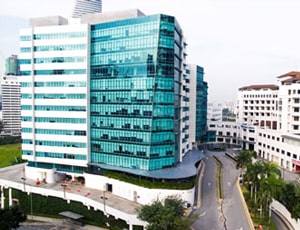
In Kuala Lumpur, Malaysia, ParkCity Medical Centre is a 300-bed, cutting-edge, interdisciplinary private hospital that provides award-winning private healthcare in an environment of lush vegetation.

Brain Cancer Treatment in Subang Jaya Medical Centre: Costs, Top Doctors, and Reviews

Kuala Lumpur, Malaysia

  • Joint Commission International, or JCI

Subang Jaya Medical Center is renowned for pioneering radiation oncology treatments and infrastructure in Malaysia. The hospital also has a state-of-the-art Cancer Radiosurgery Centre (CRC), which is fully furnished with the latest medical technology for cancer detection, monitoring, and treatment.

Brain Cancer Treatment in Ara Damansara Medical Centre: Costs, Top Doctors, and Reviews

Kuala Lumpur, Malaysia

  • Joint Commission International, or JCI

Situated at the junction of Petaling Jaya and Shah Alam, close to the Oasis Ara, Ara Damansara Medical Centre boasts a serene, luxurious ambiance.

The Centre has been awarded several prestigious awards such as the Global Health Asia Pacific Awards 2023, Newsweek Best Specialized Hospital APAC 2023, Healthcare Asia Awards 2023, and Malaysian Healthcare Wellness Excellence.

Brain Cancer Treatment in Bukit Tinggi Medical Centre: Costs, Top Doctors, and Reviews

Kuala Lumpur, Malaysia

As a tertiary care hospital, Bukit Tinggi Medical Centre (BTMC) is committed to providing high-quality, reasonably priced healthcare.

With a focus on patient care and a team of committed medical professionals and personnel, we want to realize our ambition of becoming Klang's go-to healthcare provider. Orthopedics, neurosurgery, cardiac surgery, obstetrics and gynecology, pediatrics and rehabilitation, aesthetic surgery, and other specialties are all part of our multidisciplinary team approach. Additionally, BTMC has a Health Screening Center that provides a range of health packages to meet the requirements of diverse patient types.

Need Some Advice From Our Experts?

Request a Call Back Now!

Our team of healthcare experts would be happy to assist you

trusted Patientstrusted Patients+99
Trusted by 50000+ Patients
Required | alphabets and spaces
Required | A valid, working email address
Required | A valid contact

Process Involved for Brain Cancer Treatment in Malaysia

  • Consultation: Discuss the diagnosis, staging, and treatment with a neurologist, neurosurgeon, or oncologist.
  • Preoperative Evaluation: Imaging studies (like MRI or CT scans) and a neurologic examination are performed to define the location, size, and effect on brain function of the tumor.
  • Discussion with Treatment: The treatment possibilities, such as surgery, radiation, chemotherapy, targeted therapy, or a combination, are discussed based on the tumor type and stage.
  • Surgical Planning: When surgery is being recommended, the procedure, including removal of the tumor or biopsy, and the risk involved is disclosed.
  • Post-Surgery, Follow-up: Routine follow-up examinations and imaging are arranged to track progress, identify recurrence, and address possible side effects or complications.
  • Primary brain tumors (gliomas, glioblastomas and meningiomas)
  • Metastatic brain tumors
  • Brain lymphoma
  • Pituitary tumors
  • Individuals with primary brain tumors or metastatic brain cancer are recommended to undergo treatment.
  • The type, site, size, and grade of the tumor, as well as the patient's overall health and medical history, all influence the patient's suitability for treatment.
  • Surgical resection
  • Chemotherapy
  • Radiation therapy
  • Immunotherapy
  • Targeted therapy
  • It can prevent or control tumor growth, particularly with initial-stage detection and proper treatment.
  • Enhances quality of life and alleviates symptoms such as headache, seizures, or neurological deficits.
  • Prevents recurrence or metastasis of tumors using combination therapies.
  • Neurologist
  • Neurosurgeon
  • Medical Oncologist
  • Radiation Oncologist
  • Fill out the inquiry form: Fill out the form to provide us with the relevant information about your condition.
  • Consult with Our Healthcare Expert:One of our qualified specialists will contact you for a consultation
  • Receive a Detailed Treatment Plan:After examining your situation, we will provide you with a detailed treatment plan that includes expert views and cost breakdowns for various choices.
  • Choose your preferred option: Choose the treatment option that suits you the best.

Instantly Connect with our Brain Cancer Treatment Specialists

Doctor 1
Doctor 2
Doctor 3
Doctor 4
Doctor 5
Doctor 6
Doctor 7
Doctor 8
Our Services to Better your Experience

Opinion & Option

We submit the most accurate opinion and options from one or more countries for your review

Consult Privately

Consult with a certified specialist privately on our telemedicine platform even before you decide to travel

Logistics

We handle flights, visas, transfers, and accommodation—so you can focus on your health.

Recovery

Our In-house rehabilitation service packages to better your recovery and treatment outcome

Other Popular Countries for Brain Cancer Treatment

Our network connects you with the leading medical tourism destinations globally, offering a wide range of cities, top doctors, and flexible pricing options.

Italy
Vietnam
United Kingdom
India

Conditions treated by Brain Cancer Treatment

Frequently Asked Questions

A. The top hospitals for Brain Cancer Treatment in Malaysia include the following:

  1. Parkway Pantai
  2. Subang Jaya Medical Centre
  3. Ara Damansara Medical Centre
  4. ParkCity Medical Centre
  5. Bukit Tinggi Medical Centre
  6. Prince Court Medical Centre
  7. Sunway Medical Centre

After Brain Cancer Treatment in Malaysia, the patient is supposed to stay in a guest house for another 30 days. This duration of stay is recommended to complete all the necessary follow-ups and control tests to ensure that the surgery was successful.

A. Apart from the Brain Cancer Treatment cost, there are a few other daily charges that the patient may have to pay. These are the charges for daily meals and accommodation outside the hospital. The per day extra expenses in Malaysia per person are about USD 100 per person.

A. The patient has to spend about 5 or more days in the hospital after Brain Cancer Treatment for proper recovery and to get clearance for discharge. This phase is important to ensure that the patient is recovering well and is clinically stable. During this time, several tests are performed before the patient is deemed suitable for discharge.

A. There are more than 5 hospitals that offer Brain Cancer Treatment in Malaysia. Such hospitals have the required infrastructure and a dedicated unit where patients can be treated. Such hospitals follow all legal protocols and guidelines as specified by the local medical affairs body when it comes to the treatment of international patients.

A. The signs and signals of brain cancer are diverse and shape themselves from the size, site, or growth rate of a tumor. Common symptoms include:

  • Persistent headaches
  • Seizures
  • Nausea or vomiting
  • Visual impairments include, for instance, fuzzy vision as well as other double vision. symptoms.
  • Cognitive changes such as memory, confusion, and other such symptoms.
  • Weakness or numbness in limbs
  • Inability to conduct coordination or balance properly
  • Speech difficulties
  • Personality or mood changes
  • Fatigue

A. Management practices vary according to the histological type, size, location, and grade of the cancer. Common treatments include:

  • Surgery: In case the tumor is easily reachable, excise it.
  • Radiation therapy: Employed to manage postoperative tumor reduction or kill residual cancer cells.
  • Chemotherapy: Medications are employed to kill cancer cells or to prevent them from multiplying.
  • Targeted therapy: Substances such as drugs that are designed to destroy specific cancer cells without damaging most of the other cells in the human body.
  • Immunotherapy: Aids the body’s immune system in fighting the disease.
  • Steroids: For this purpose, the relief of edema is a common reason for administering steroids.

A. Brain cancer is diagnosed through a combination of the following:

  • Neurological exam: Evaluates neurological reactions, reflexes, muscle power, and balance.
  • Imaging tests: MRI and CT are both employed to help visualize the tumor.
  • Biopsy: A piece of the tumor may be taken to check for cancerous cells if they are needed.
  • Cerebrospinal fluid analysis: Occasionally, a procedure called cerebrospinal fluid test is carried out in which fluid around the brain is checked for cancer cells.

A. Nevertheless, the rate at which different types of brain cancer are treated depends on several factors including the type of cancer, the location of the tumor, and the stage when it was detected.

  • The median survival of low-grade gliomas can be higher, that is, about 70 percent or more at five years.
  • Superiority of glioma (like glioblastoma) has a poor prognosis, but an approximate survival of 5-10% at 5 years depending on treatment and prognosis. Survival rates of patients with this illness depend on the type of brain cancer and individual characteristics.

A. Alkylating agents, antimetabolites, and finally any cancer that is particularly aggressive, such as glioblastoma, is usually treated with chemotherapy. It is used to either eliminate cancer cells or prevent them from growing. Gliomas can be treated with chemotherapy drugs.

Chemotherapy can be used after surgery to get rid of any cancer cells that might still be in the body or it can be used before surgery when surgery cannot be performed. However, in some forms of brain cancer chemotherapy may be of little usefulness since the blood-brain barrier inhibits the ability of drugs to be delivered to the tumor.

A. Brain cancer surgery may last long depending on the size, position, and nature of the tumor. Normally, neurosurgery can take anything from four hours to a dozen hours at most. However, procedures that may take longer include where the tumors are near some of the vital parts of the brain.

A. Brain cancer treatments can have various side effects, including:

  • Surgery: Infectious process, hemorrhagic process, edema, nerve deficits (e.g., power, speech).
  • Radiation therapy: Fatigue, hair loss and skin problems, cognitive facilitation and disinhibition, gastrointestinal disturbances, nausea.
  • Chemotherapy: Nausea/vomiting, hair loss, fatigue, low immunity, bruising, and problems with thinking.
  • Steroid use: Gain in weight can cause an increase in blood sugar, thereby resulting in mood swings and a slow immune system.

A. They also found that radiation therapy can usually manage or minimize growths, particularly where localized surgery has already occurred. It may help to eradicate any cells that could not be surgically excised completely. For some (as with gliomas) radiation has been useful in enhancing the quality of the patients’ lives, increasing their life expectancy, and decreasing their probability of the tumor coming back. It can also affect cognition in the long run, as well as its ability to work is limited by the tumor type and location.

A. The probability of secondary growth depends on the type of brain cancer and the extent of the tumor resection.

  • Glioblastoma is characterized by a high recurrence rate, many patients experience tumor recurrence within 6–12 months after primary treatment.
  • Even though, low-grade gliomas may have less frequent recurrence some of the tumors might recur after many years. The genes of the tumor, the treatment result, and the patient’s general health determine the recurrence probability.

Some of the best cities in Malaysia which offer Brain Cancer Treatment are:

  • Subang Jaya
  • Shah Alam
  • Kuala Lumpur
  • Port Klang

Author

Alvina Hasan

M.Pharm

1 Year of Experience

Alvina Hasan is a dedicated medical researcher and scientific writer with a strong foundation in the pharmaceutical sciences. She holds a B.Pharm from Jamia Hamdard University and an M.Pharm in Quality Assurance from DIPSAR University. With deep medical expertise and a strong interest in healthcare communication, she focuses on transforming complex clinical and scientific information into clear, engaging, and easy-to-understand narratives. She develops insightful healthcare articles and research-driven pieces designed to support both medical professionals and patients, helping bridge the gap between advanced medical knowledge and practical understanding. . View More

Reviewer

Dr Prateek Varshney

Surgical Oncologist

15 Years of Experience

Dr. Prateek Varshney is a renowned Surgical Oncologist. He has experience of more than 15+ years in surgical Oncology. He is currently practicing as a consultant at Metro Mass Hospital and Cancer Institute. He was also previously associated as a consultant with Sir Ganga Ram Hospital and as a professor at Gujarat Cancer Research Institute. View More