Your Notifications
All done, no notifications

Stroke Treatment Cost in Turkey

Costs starts from USD10000 to USD50000
Filters

How Much Does Stroke Treatment Cost in Turkey?

The cost of Stroke Treatment in Turkey is USD 10000 - USD 50000

However, this cost can vary depending on several factors, including the type and severity of the condition, treatment techniques chosen, the healthcare facility's location and reputation, the treating professionals' experience and specialisation, and the patient's overall health status.

Additionally, factors like the duration of treatment, the need for follow-up care, and the use of advanced technologies or specialised treatments can further influence the overall cost.

Factors Influencing the Cost of Stroke Treatment:

A stroke is a serious medical emergency. It's essential to seek medical help immediately. Getting prompt emergency assistance can minimise potential brain damage and complications associated with a stroke.

An ischemic stroke occurs when a portion of the brain's blood supply is cut off or slowed down. This prevents oxygen and nutrients from reaching the brain tissue, and brain cells start dying in just a few minutes. A hemorrhagic stroke is an additional type of stroke. It occurs when a blood vessel in the brain ruptures or leaks, resulting in brain bleeding. The blood destroys and raises the pressure on brain cells.

A stroke is a critical medical situation. It's essential to get medical attention immediately. Quickly seeking emergency medical attention can prevent brain damage and other problems from a stroke.

Cost of Stroke Treatment in Major Cities of Turkey

CityMinimum Cost (USD)Minimum Cost (TRY)Maximum Cost (USD)Maximum Cost (TRY)
AnkaraUSD 10000390600USD 500001953000
AntalyaUSD 10000390600USD 500001953000
IstanbulUSD 10000390600USD 500001953000
KocaeliUSD 10000390600USD 500001953000
SakaryaUSD 10000390600USD 500001953000
SamsunUSD 10000390600USD 500001953000
TokatUSD 9000351540USD 450001757700
TrabzonUSD 9000351540USD 450001757700
UsakUSD 9000351540USD 450001757700
ZonguldakUSD 9000351540USD 450001757700

Stroke Treatment Cost : A Global Comparison

CountryMinimum CostMinimum Local CurrencyMaximum CostMaximum Local Currency
IndiaUSD 3000INR 256920USD 6000INR 513840
IsraelUSD 500ILS 1770USD 2470ILS 8744
LithuaniaUSD 5000LTL 17104USD 20000LTL 68414
MalaysiaUSD 500MYR 2120USD 4500MYR 19080
Moroccoget request
Saudi ArabiaUSD 5000SAR 18750USD 20000SAR 75000
SingaporeUSD 12000SGD 15480USD 30000SGD 38700
SpainUSD 5000ESP 735200USD 30000ESP 4411197
SwitzerlandUSD 20000CHF 16600USD 100000CHF 83000
ThailandUSD 1200THB 39252USD 10000THB 327100
TunisiaUSD 3000TND 8940USD 10000TND 29800
TurkeyUSD 10000TRY 390600USD 50000TRY 1953000
United Arab EmiratesUSD 10000AED 36700USD 50000AED 183500
United Kingdomget request

Need Help Planning Your Treatment Abroad?

Your 24/7 AI Health Assistant

A stroke is a serious medical emergency. It's essential to seek medical help immediately. Getting prompt emergency assistance can minimize potential brain damage and complications associated with a stroke.

It is a loss of neurological function caused by a sudden interruption of continuous blood supply to the brain. Blood flow can be disrupted by a blockage, which causes ischemic stroke, or with bleeding in the brain, which causes hemorrhagic stroke, which is more fatal. Ischemic stroke accounts for the majority of strokes. Strokes frequently strike without warning, and the consequences may be catastrophic. Normal blood flow and oxygen to the brain must be restored as quickly as possible. The afflicted brain cells are either injured or die within minutes of being deprived of oxygen and essential nutrients. When brain cells die, they usually do not recover, causing severe damage that can lead to physical, cognitive, and mental problems.

Strokes can be classified into different types based on their underlying causes. The main classifications of stroke are:

  • Ischemic Stroke: It is caused by a blockage or clot that obstructs blood flow to the brain. This is the most common type, accounting for the majority of stroke cases.
  • Hemorrhagic Stroke: It occurs by bleeding within the brain when a blood vessel ruptures. This type is less common but often more severe.
  • Transient Ischemic Attack (TIA): Often referred to as a "mini-stroke," TIA is a temporary disruption of blood flow to the brain, resulting in temporary symptoms similar to those of a stroke. It doesn't cause permanent damage, but it is a warning sign that should be addressed promptly.
  • Cryptogenic Stroke: When the exact cause of the stroke is unclear despite thorough evaluation. It may be related to undetected heart issues or other sources.
  • Embolic Stroke: This type of stroke is caused by an embolus, which is a blood clot or debris that travels through the bloodstream and blocks a blood vessel in the brain.

Therapy for stroke is designed to restore the flow of blood to the brain (in ischemic stroke), to control bleeding (in hemorrhagic stroke), to reduce brain damage, to prevent recurrent strokes, and to enhance long-term neurological outcome and quality of life.

If you notice any stroke symptoms, even if they appear to come and go or disappear completely, you need to seek medical attention immediately. Remember "FAST" and do the following:
  • Face: Ask the person to smile. Does the face droop on one side?
  • Arms: Have the person raise both arms. Does one arm drop down? Or can't one arm rise?
  • Speak: Ask them to repeat a few words. Is the person's speech strange or slurred?
  • Time: Call or get emergency medical help immediately if you observe any of these symptoms.

Get medical care right away if you experience signs of stroke, including sudden weakness or numbness (especially on one side of the body), confusion, difficulty speaking or understanding speech, difficulty seeing, loss of balance, or a bad headache. Treatment is most effective when given right away. Early treatment can minimise brain damage and improve survival.

Ischemic Stroke (blood clot)
  • Thrombolysis: IV clot-busting medication within 4.5 hours of onset.
  • Mechanical Thrombectomy: The Clot is suctioned out of the brain artery with a catheter.
Hemorrhagic Stroke (bleeding):
  • Surgical Intervention: Fixes vessels or relieves pressure.
  • Endovascular Procedures: Coiling/clipping to prevent or stop bleeding.
Supportive & Rehabilitation Care:
  • Medications: Regulate blood pressure, cholesterol, and prevent clots.
  • Therapies: Physical, speech, and occupational rehabilitation.

Emergency treatment begins as soon as the patient reaches the hospital. Thrombolysis should be given within hours. Thrombectomy procedures last 1–2 hours. Hospitalisation can be days to weeks. Rehabilitation can be months to years, depending on the severity.

  • Brain swelling
  • Infection
  • Bleeding (especially with thrombolytic drugs)
  • Seizures
  • Long-term disability
  • Recurrent stroke

Early treatment can restore blood supply, prevent brain damage, minimise disability, and maximise survival. Long-term treatments restore lost function and improve independence and quality of life.

Recovery varies with stroke severity and location of the affected brain area. Rehabilitation is necessary for most patients to recover motor, speech, and cognitive functions. Recovery may take weeks to months and can incorporate lifestyle changes and continued medical treatment.

It's difficult for professionals to give a stroke survival rate that fits all. Strokes are fatal, and they can result in permanent disability. But no single recovery time or prognosis is correct for everyone.Ischemic strokes typically have more favourable outcomes than hemorrhagic strokes, but that doesn't necessarily mean your recovery will be easier, quicker or better if you experience one or the other.

Top Selling Packages for Stroke Treatment

4 Weeks Stroke Rehab Treatment on an OPD Basis (All inclusive Package)

Marengo Asia Hospitals, Faridabad, Faridabad, India

USD 7000 USD 7500

4 Weeks of Online Rehab Program for Stroke

Marengo Asia Hospitals, Faridabad, Faridabad, India

USD 1000 USD 1200

4 Weeks of Online Rehab Program for Stroke

Marengo Asia Hospitals, Gurugram, Gurgaon, India

USD 1000 USD 1200

Would you like some help? We are available.

Get Help
Explore Hospitals ( 20 )
Stroke Treatment in Medipol Bahçelievler Hospital: Costs, Top Doctors, and Reviews

Istanbul, Turkey

  • Joint Commission International, or JCI

Medipol Bahcelievler Hospital is a medical institution providing a full range of medical and individualized approaches to its patients. Medipol has the ambition to bring high quality and maximum security to people in need by employing state-of-the-art technologies in medicine. They ensure that the health of the patients is improved by fashioning unique physician specialty treatment programs.

Medipol Bahcelievler Hospital provides an exceptional position in the healthcare industry with a policy of clear communication, professionalism, and reliability to patient expectations. Medipol Bahçelievler Hospital is situated in the European Side of Istanbul, dedicated to 24-hour health care for you and your loved ones, equipped with a fully functional operation theatre and ICUs with state-of-the-art equipment, laboratory, emergency, and advanced treatment rooms

Stroke Treatment in Florence Nightingale Hospital: Costs, Top Doctors, and Reviews

Istanbul, Turkey

  • Joint Commission International, or JCI

The first green hospital in Turkey, Istanbul Florence Nightingale Hospital, was inaugurated in 2013. Group The Florence Nightingale hospitals are the first Turkish hospitals to be granted Joint Commission International (JCI) accreditation, and they continue to be associated and work with esteemed healthcare organizations.

The Florence Nightingale Group treats 250,000 outpatients and 70,000 inpatients annually, demonstrating its excellence. The hospitals have a capacity of 804 inpatient beds, 141 ICU beds, and 40 operating rooms, and perform 20,000+ procedures annually, of which 1,000 are cardiac operations for children and 2,000 are for adults. For conducting difficult orthopedic, general surgery, minimally invasive, and other heart treatments, the facility stands out. All operating rooms can be interconnected by audio-visual to a 300-person conference room and global hubs, enabling interactive medical teaching and scientific activity.

Interpreter and translator services for languages such as Turkish, Azerbaijani, Bulgarian, Arabic, English, Persian, Serbian, Russian, Albanian, Macedonian, German, Bosnian, and Romanian are available.

The hospital has specialized departments such as Cardiology and Cardiac Surgery, IVF and Infertility, Nephrology, Oncology and Oncosurgery, Spine Surgery, Neurology and Neurosurgery, Orthopedics, Gynecology, and Obesity or Bariatric Surgery. With an extensively qualified and experienced team of advisors and interpreters, Florence Nightingale Istanbul is committed to providing one-stop service from beginning to end, 24 hours a day, 7 days a week.

Stroke Treatment in NPISTANBUL Brain Hospital: Costs, Top Doctors, and Reviews

Istanbul, Turkey

5.0 ( 1 Reviews )
  • Joint Commission International, or JCI

Types of Stroke Treatment in NPISTANBUL Brain Hospital and its associated cost

Treatment OptionApproximate Cost Range (USD)Approximate Cost Range (TRY)
Stroke Treatment (Overall)3422 - 13507100063 - 415164
Intravenous Thrombolysis2828 - 572985786 - 170677
Mechanical Thrombectomy5570 - 11241169025 - 336121
Carotid Endarterectomy3883 - 8977117625 - 267542
Angioplasty and Stenting4422 - 10218133608 - 303809
Rehabilitation (Per Session)55 - 2431668 - 7519
Medications and Supportive Care1117 - 333034239 - 99717
  • Address: Saray, NPISTANBUL Brain Hospital, Ahmet Tevfik leri Caddesi,
  • Facilities related to NPISTANBUL Brain Hospital: Online Doctor Consultation, Post operative followup, Mobility Accessible Rooms, Rehabilitation, Air Ambulance
Stroke Treatment in Antalya Anadolu Hastanesi: Costs, Top Doctors, and Reviews

Antalya, Turkey

Types of Stroke Treatment in Antalya Anadolu Hastanesi and its associated cost

Treatment OptionApproximate Cost Range (USD)Approximate Cost Range (TRY)
Stroke Treatment (Overall)3351 - 13465101955 - 399904
Intravenous Thrombolysis2797 - 567782886 - 170441
Mechanical Thrombectomy5545 - 11326169782 - 336948
Carotid Endarterectomy3909 - 8819117713 - 275222
Angioplasty and Stenting4495 - 10276138526 - 298425
Rehabilitation (Per Session)56 - 2471724 - 7438
Medications and Supportive Care1134 - 336833159 - 100425
  • Address:
  • Facilities related to Antalya Anadolu Hastanesi: Choice of Meals, Interpreter, TV inside room, Accommodation, Airport Transfer
Stroke Treatment in Medical Park Usak Hospital: Costs, Top Doctors, and Reviews

Usak, Turkey

  • Joint Commission International, or JCI

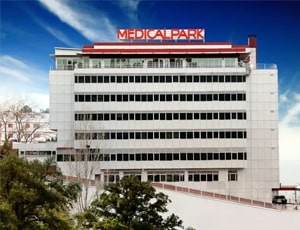
Medical Park is Turkey's largest network of hospitals, with hospitals in 17 cities across the country. The hospitals of Medical Park Group have the latest equipment for accurate diagnosis and effective treatment.

The existence of Medical Park in Uşak, one of the biggest and most reputable healthcare institutions in the nation, is essential to the city's further expansion and transformation into a center of high-quality healthcare. The hospital provides modern medical services, advanced technology, and a staff of highly skilled experts who provide patients in Uşak and the neighboring provinces with compassionate and efficient treatment as part of its dedication to providing high-quality healthcare for everyone.

Stroke Treatment in Medical Park Trabzon Star Hospital: Costs, Top Doctors, and Reviews

Trabzon, Turkey

  • Joint Commission International, or JCI

Types of Stroke Treatment in Medical Park Trabzon Star Hospital and its associated cost

Treatment OptionApproximate Cost Range (USD)Approximate Cost Range (TRY)
Stroke Treatment (Overall)3336 - 13659103413 - 410396
Intravenous Thrombolysis2831 - 573685073 - 169181
Mechanical Thrombectomy5670 - 11025172199 - 338162
Carotid Endarterectomy3870 - 8842119950 - 267437
Angioplasty and Stenting4506 - 10213137855 - 308775
Rehabilitation (Per Session)55 - 2441697 - 7479
Medications and Supportive Care1108 - 335934423 - 102439
  • Address: Pazarkap, Medical Park Trabzon Hastanesi, Devlet Sahil Yolu Caddesi, Ortahisar/Trabzon, Turkey
  • Facilities related to Medical Park Trabzon Star Hospital: Online Doctor Consultation, Post operative followup, Mobility Accessible Rooms, Rehabilitation, Air Ambulance
Stroke Treatment in VM Medical Park Ankara: Costs, Top Doctors, and Reviews

Ankara, Turkey

  • Joint Commission International, or JCI

Types of Stroke Treatment in VM Medical Park Ankara and its associated cost

Treatment OptionApproximate Cost Range (USD)Approximate Cost Range (TRY)
Stroke Treatment (Overall)3364 - 13476102155 - 411365
Intravenous Thrombolysis2855 - 565785321 - 170346
Mechanical Thrombectomy5556 - 11461166146 - 334000
Carotid Endarterectomy4023 - 8929116081 - 272755
Angioplasty and Stenting4474 - 10162135984 - 311121
Rehabilitation (Per Session)56 - 2461701 - 7330
Medications and Supportive Care1142 - 330633155 - 102198
  • Address: Kent Koop Mah., Medical Park Ankara Hastanesi, 1868. Sok., Batkent/Yenimahalle/Yenimahalle/Ankara, Turkey
  • Facilities related to VM Medical Park Ankara: Online Doctor Consultation, Post operative followup, Mobility Accessible Rooms, Rehabilitation, Air Ambulance
Stroke Treatment in Medical Park Tokat Hospital: Costs, Top Doctors, and Reviews

Tokat, Turkey

  • Joint Commission International, or JCI

Types of Stroke Treatment in Medical Park Tokat Hospital and its associated cost

Treatment OptionApproximate Cost Range (USD)Approximate Cost Range (TRY)
Stroke Treatment (Overall)3415 - 13694103497 - 400856
Intravenous Thrombolysis2868 - 553786559 - 170837
Mechanical Thrombectomy5577 - 11471172179 - 337191
Carotid Endarterectomy4011 - 8868120346 - 274811
Angioplasty and Stenting4423 - 10148134378 - 302793
Rehabilitation (Per Session)56 - 2501689 - 7327
Medications and Supportive Care1139 - 336534565 - 103413
  • Address: Yeilrmak, Medical Park Tokat Hastanesi, Vali Zekai G
  • Facilities related to Medical Park Tokat Hospital: Health Insurance Coordination, Mobility Accessible Rooms, Private Rooms, Religious Facilities, Nursery / Nanny Services
Stroke Treatment in VM Medical Park Samsun Hospital: Costs, Top Doctors, and Reviews

Samsun, Turkey

  • Joint Commission International, or JCI

Types of Stroke Treatment in VM Medical Park Samsun Hospital and its associated cost

Treatment OptionApproximate Cost Range (USD)Approximate Cost Range (TRY)
Stroke Treatment (Overall)3430 - 13366101956 - 415030
Intravenous Thrombolysis2841 - 555186191 - 170577
Mechanical Thrombectomy5747 - 11338172946 - 333704
Carotid Endarterectomy4002 - 9178116235 - 269976
Angioplasty and Stenting4537 - 10291137503 - 305634
Rehabilitation (Per Session)57 - 2431712 - 7322
Medications and Supportive Care1114 - 335434307 - 102895
  • Address: Cumhuriyet, Medical Park, 39. Sokak, Atakum/Samsun, Turkey
  • Facilities related to VM Medical Park Samsun Hospital: Online Doctor Consultation, Post operative followup, Mobility Accessible Rooms, Rehabilitation, Air Ambulance
Stroke Treatment in Avcilar Anadolu Hospital: Costs, Top Doctors, and Reviews

Istanbul, Turkey

  • Joint Commission International, or JCI

Types of Stroke Treatment in Avcilar Anadolu Hospital and its associated cost

Treatment OptionApproximate Cost Range (USD)Approximate Cost Range (TRY)
Stroke Treatment (Overall)3357 - 13581101021 - 401239
Intravenous Thrombolysis2768 - 554783731 - 167979
Mechanical Thrombectomy5713 - 11252171342 - 342598
Carotid Endarterectomy3963 - 8891118095 - 272282
Angioplasty and Stenting4497 - 10303138483 - 309720
Rehabilitation (Per Session)56 - 2511729 - 7476
Medications and Supportive Care1111 - 330733913 - 102693
  • Address: Mustafa Kemal Paa,
  • Facilities related to Avcilar Anadolu Hospital: Health Insurance Coordination, Mobility Accessible Rooms, Private Rooms, Religious Facilities, Nursery / Nanny Services

Need Some Advice From Our Experts?

Request a Call Back Now!

Our team of healthcare experts would be happy to assist you

trusted Patientstrusted Patients+99
Trusted by 50000+ Patients
Required | alphabets and spaces
Required | A valid, working email address
Required | A valid contact

Process Involved for Stroke Treatment in Turkey

  • Consultation: Talk to a stroke specialist or neurologist regarding the diagnosis, severity, type, and treatment options.
  • Preoperative Evaluation: Imaging (CT/MRI) and neurologic exams are performed to ascertain the location and extent of a stroke.
  • Discussion with the Treatment: Discuss the risks and benefits of each therapy approach (thrombolysis, thrombectomy, or surgery).
  • After Treatment, Follow-up: Use imaging, rehabilitation therapy, and follow-up tests to monitor healing.
  • Ischemic Stroke
  • Hemorrhagic Stroke
  • Transient Ischemic Attack (TIA) or mini-stroke
  • Stroke diagnosis (hemorrhagic or ischemic)
  • Acute or subacute stroke (within a certain period from the onset of symptoms)
  • General well-being or controllable co-occurring issues
  • stable neurological condition at the first phase of treatment
  • Potential for recovery based on the site and extent of the stroke
  • Blood circulation to the brain is restored
  • Reduction of neurological impairments
  • Improved quality of life due to rehabilitation
  • Early treatment can avert permanent damage.
  • Recovery of speech, intellect, and motor function by therapy
  • Neurologist
  • Neurosurgeon
  • Psychiatrist
  • Fill out the inquiry form: Fill out the form to provide us with the relevant information about your condition.
  • Consult with Our Healthcare Expert: One of our qualified specialists will contact you for a consultation.
  • Receive a Detailed Treatment Plan: After examining your situation, we will provide you with a detailed treatment plan that includes expert views and cost breakdowns for various choices.
  • Choose your preferred option: Choose the treatment option that suits you the best.

Instantly Connect with our Stroke Treatment Specialists

Doctor 1
Doctor 2
Doctor 3
Doctor 4
Doctor 5
Doctor 6
Doctor 7
Doctor 8
Our Services to Better your Experience

Opinion & Option

We submit the most accurate opinion and options from one or more countries for your review

Consult Privately

Consult with a certified specialist privately on our telemedicine platform even before you decide to travel

Logistics

We handle flights, visas, transfers, and accommodation—so you can focus on your health.

Recovery

Our In-house rehabilitation service packages to better your recovery and treatment outcome

Other Popular Countries for Stroke Treatment

Our network connects you with the leading medical tourism destinations globally, offering a wide range of cities, top doctors, and flexible pricing options.

Thailand
Italy
Singapore
United Arab Emirates

Conditions treated by Stroke Treatment

Frequently Asked Questions

A. Depending upon a range of factors, the cost of Stroke Treatment in Turkey is available on request. While there is a wide range of hospitals offering Stroke Treatment, international patients should always seek SAS, JCI, and certified hospitals in Turkey for the best results.

A. The kind of stroke (ischemic or hemorrhagic), its severity, and the urgency at which therapy is given all influence the types of stroke treatments. This is a thorough summary of the various stroke therapy options:

  • Clot busters, or thrombolytics: break apart the thrombus causing the stroke. Most successful when taken a few hours after the commencement of a stroke and administered via an intravenous (IV) line.
  • Antiplatelet agents: Stop the formation of new clots, usually recommended following an ischemic stroke's acute phase.
  • Anticoagulants: These are used to stop blood clots from forming in the future, particularly in people with deep vein thrombosis or atrial fibrillation.
  • Mechanical Thrombectomy: A catheter-assisted process that physically removes the clot from the blood artery. To remove the clot, a catheter is directed into a blood vessel in the groin and inserted to remove the blockage. Effective within 6 to 24 hours of stroke onset.
  • Intra-arterial thrombolysis involves inserting a catheter directly into the clot to deliver a drug that dissolves it. usually applied when tPA is ineffective or inappropriate.
  • Surgery to remove plaque from the carotid artery in the neck to stop strokes in the future is known as a carotid endarterectomy. in individuals suffering from significant narrowing of the carotid arteries.
  • Carotid Artery Angioplasty and Stenting: This procedure involves enlarging the restricted carotid artery with a balloon and inserting a stent to keep it open.
  • Strength, coordination, and motor abilities are all improved with physical therapy.
  • Occupational therapy: Enhances functional independence and helps with daily life activities.
  • Speech therapy: Treats swallowing and communication issues.
  • Psychological Support: Offers therapy for psychological and emotional problems associated with recovering from a stroke.
  • Exercise and diet: Improves general health and lowers risk factors including diabetes and high blood pressure.

A. Since it significantly impacts both the result and the extent of recovery, early treatment is essential for stroke recovery. Here is a thorough summary of the reasons why immediate action is so essential:

  • Restoring Blood Flow: The goal of treatments for ischemic strokes such as mechanical thrombectomy and thrombolytics (clot busters) is to rapidly restore blood flow to the damaged area. This can assist preserve brain tissue that is not yet dead but is in danger of dying.
  • Best Timing: Depending on the particulars and imaging results, mechanical thrombectomy works best when it is done between 6 and 24 hours after the stroke begins.
  • Avoiding Secondary Problems: Prompt therapy aids in avoiding consequences including cerebral edema, elevated intracranial pressure, and recurrent strokes. This lowers the possibility of further harm and difficulties.
  • Improved Functional Results: Patients who receive care as soon as possible are more likely to recover functionally. When it comes to speech, movement, and cognitive capabilities, they might recover more than individuals who receive treatment later.
  • Early Rehabilitation: By assisting patients in regaining their abilities and adjusting to any changes, early intervention can enhance outcomes. Early intervention and therapy help the brain reorganize itself since it is more flexible.

Note: MediGence has its own Stoke Rehab Centers in India, called mediRehab.

A. For stroke patients, post-treatment rehabilitation is crucial to optimizing recovery and enhancing quality of life. The main goals of rehabilitation are to improve a patient's general functioning capacities, help them regain lost skills, and help them adjust to changes. This is a thorough summary of the different stroke sufferers can choose from for rehabilitation:

  • Gait training: Activities to enhance balance and walking ability.
  • Strength training: Activities that increase the limbs' musculature's strength.
  • Activities to improve hand-eye coordination and fine motor abilities are called coordination exercises.
  • Functional Mobility: Learning how to move from a bed to a wheelchair and other daily tasks.
  • Teaching techniques for tasks like grooming, cooking, and clothing is known as self-care training.
  • Using tools and adaptable equipment to help with daily tasks is known as the use of assistive devices.
  • Cognitive rehabilitation refers to methods for enhancing mental abilities including memory and problem-solving.
  • Speech exercises: Increasing fluency, voice control, and articulation.
  • Improving understanding and expressive language abilities through language therapy.
  • Swallowing therapy: Methods for treating dysphagia, or difficulty swallowing, which includes exercises and safe swallowing techniques.
  • Exercises for cognitive rehabilitation aim to enhance executive function, memory, attention, and problem-solving skills.
  • Emotional Support: Therapy and counseling to deal with anxiety, despair, or mood swings.

A. It's critical to act early to identify the signs and symptoms of a stroke to receive medical attention and improve prognoses. Depending on the kind of stroke and the part of the brain injured, different symptoms may appear. Key symptoms and indicators to look out for are as follows:

  • F: Drooping Face-drooping or numb side of the face is possible. Request a smile from the person. An asymmetrical or uneven smile may indicate a stroke.
  • A: Weakness in the Arms- One arm might be numb or weak. Request that they lift both of their arms. One arm that sags or becomes immobile could be a sign of a stroke.
  • S: Difficulty Speaking- Request that the subject repeat a short phrase. Take note of any slurred, jumbled, or hard-to-understand speech.
  • T: Time to call Emergency Services- Give emergency services a call right away if you notice any of these symptoms. In the treatment of stroke, time is crucial.
  • Unexpected Numbness or Weakness: Usually on one side of the body, in the arm, leg, or face.
  • Sudden Confusion or Difficulty understanding: Having trouble comprehending words, having trouble speaking, or feeling confused about basic duties.
  • Sudden visual problems include sudden blurriness or loss of vision in one or both eyes.
  • Abrupt Difficulty When Walking: imbalance, difficulties with coordination, or trouble walking.
  • An abrupt, intense headache: A sudden, severe headache with no apparent explanation that is frequently referred to be the worst headache one has ever had.
  • Unexpected Lightheadedness or Dizziness: Balance or coordination issues, which can result in stumbling or the inability to stand or move.

A. Ischemia and hemorrhage are the two main causes of strokes.

  • Ischemic Stroke: An ischemic stroke occurs when there is insufficient blood flow to the cells, depriving them of oxygen. Usually, something obstructs blood arteries in the brain, preventing blood flow, which is why this occurs. Approximately 80% of all strokes are ischemic strokes, which are the most prevalent type.

An embolism is the result of a piece of a clot that originated elsewhere in your body breaking loose entering your blood vessels and being lodged in your brain. Lacunar stroke, also known as small vessel blockage, is a potentially fatal condition that arises from uncontrolled hypertension, hyperlipidemia, or Type 2 diabetes.

  • Hemorrhagic stroke: Brain hemorrhage is the result of bleeding within or around the brain. Internal bleeding in the brain (intracerebral). This occurs when a cerebral artery bursts or ruptures, resulting in hemorrhaging that compresses the surrounding brain tissue. bleeding into the area between your brain's outer coating and subarachnoid region.

Your brain is surrounded by a thin layer of tissue called the arachnoid membrane, which has a pattern resembling a spiderweb. The subarachnoid space is the area that separates it from your brain.

A. After a stroke, increasing your chances of recovery requires a multifaceted strategy that includes continuing care, lifestyle modifications, rehabilitation, and medical therapy. This is a comprehensive tutorial on optimizing your recuperation:

  • Follow the advice of your healthcare professional about prescription drugs, therapies, and other treatments.
  • Control risk factors: Manage underlying medical issues including diabetes, high blood pressure, and high cholesterol by changing your diet and lifestyle.
  • exercises to improve gait, balance, and walking efficiency.
  • Activities: Practices for strengthening speech, language, and safe swallowing methods.
  • Coping mechanisms, emotional support, and cognitive restoration.
  • Follow your doctor's recommendations for frequent physical activity, such as low-impact workouts like swimming or walking.
  • Frequent Check-Ups: Keep track of your health state and modify your treatment plan as necessary by attending follow-up consultations.
  • Blood Pressure Control: Adopt a healthy lifestyle, modify your food, and use medication to keep your blood pressure in check.
  • Diabetes management: Control blood sugar levels using food, medicine, and routine check-ups.
  • Study Up on Strokes: Make educated decisions about your care by learning about stroke prevention and recovery techniques.
  • Self-Care: Make taking care of yourself a priority by learning stress management techniques, getting enough sleep, and doing things you enjoy.

A. The Stroke Treatment package cost in Turkey varies from one hospital to another and may offer different benefits. The Stroke Treatment package cost usually includes all the expenses related to pre and post-surgery expenses of the patient. The treatment cost usually includes the expenses related to hospitalization, surgery, nursing, medicines, and anesthesia. Extended hospital stay, complications after the surgery, or new diagnosis may affect the overall cost of Stroke Treatment in Turkey.

A. Stroke Treatment in Turkey is offered by multiple hospitals across the country. The top hospitals for Stroke Treatment in Turkey include the following:

A. The recovery of the patient may vary, depending on several factors. However, on average, a patient is supposed to stay for about 14 days in the country after discharge. This period is important to conduct all the follow-up tests to ensure that the surgery was successful and the patient can go back to the home country.

A. Apart from the cost of Stroke Treatment, the patient is also required to pay additionally for daily meals and guest house accommodation. These charges start from USD 50 per person.

Many cities offer Stroke Treatment in Turkey, including the following:

  • Fethiye
  • Istanbul
  • Ankara
  • Antalya

A. Patients who are interested in availing of telemedicine consultation before they travel for Stroke Treatment in Turkey can opt for the same. Many Stroke Treatment surgeons offer video telemedicine consultation, including the following:

A. The average duration of stay at the hospital after Stroke Treatment is about 3 days for proper care and monitoring. During the recovery, the patient is carefully monitored and control tests are performed to see that everything is okay. If required, physiotherapy sessions are also planned during recovery in the hospital.

A. The average rating for Stroke Treatment hospitals in Turkey is 3.6. This rating is automatically calculated based on several parameters such as the infrastructure of the hospital, quality of services, nursing support, and other services.

A. There are more than 15 hospitals that offer Stroke Treatment in Turkey. The above-mentioned clinics have the required infrastructure and a dedicated unit where patients can be treated. Also, these hospitals follow the necessary guidelines as required by the medical associations for the treatment of Stroke Treatment patients.

Author

Nimra Haseeb

MSc Biochemistry

4 Years of Experience

Miss Nimra Haseeb is a medical researcher and a scientific content writer. She holds a Bachelor’s degree in Biotechnology and a Master’s in Biochemistry from Integral University, Lucknow.With strong experience in healthcare research, she specializes in secondary research, clinical data analysis, and evidence-based medical writing. Her work focuses on transforming complex scientific and medical information into clear, accurate, and reliable healthcare content for patients and healthcare audiences. She is also experienced in interpreting medical studies and healthcare trends to deliver well-researched and informative content that supports better health awareness and decision-making.. View More

Reviewer

⁠Dr Rakesh Kumar Dua

Spine & Neurosurgeon

25 Years of Experience

Dr. Rakesh Dua has more than 25+ years of clinical experience in spine surgeries. He is currently providing his services as Director, Neuro & Spine Surgery at Fortis Hospital, Shalimar Bagh. Before joining Fortis Hospital, he was associated with Max super-specialist Hospital, Shalimar Bagh as Director Neurosurgery & Head Neuro Spine, and with UCMS & GTB hospital as head of the neurosurgery department. View More