Your Notifications
All done, no notifications

Stroke Treatment Cost in Malaysia

Costs starts from USD500 to USD4500
Filters

How Much Does Stroke Treatment Cost in Malaysia?

The cost of Stroke Treatment in Malaysia is USD 500 - USD 4500

However, this cost can vary depending on several factors, including the type and severity of the condition, treatment techniques chosen, the healthcare facility's location and reputation, the treating professionals' experience and specialisation, and the patient's overall health status.

Additionally, factors like the duration of treatment, the need for follow-up care, and the use of advanced technologies or specialised treatments can further influence the overall cost.

Factors Influencing the Cost of Stroke Treatment:

A stroke is a serious medical emergency. It's essential to seek medical help immediately. Getting prompt emergency assistance can minimise potential brain damage and complications associated with a stroke.

An ischemic stroke occurs when a portion of the brain's blood supply is cut off or slowed down. This prevents oxygen and nutrients from reaching the brain tissue, and brain cells start dying in just a few minutes. A hemorrhagic stroke is an additional type of stroke. It occurs when a blood vessel in the brain ruptures or leaks, resulting in brain bleeding. The blood destroys and raises the pressure on brain cells.

A stroke is a critical medical situation. It's essential to get medical attention immediately. Quickly seeking emergency medical attention can prevent brain damage and other problems from a stroke.

Cost of Stroke Treatment in Major Cities of Malaysia

CityMinimum Cost (USD)Minimum Cost (MYR)Maximum Cost (USD)Maximum Cost (MYR)
Kuala LumpurUSD 5002120USD 450019080

Stroke Treatment Cost : A Global Comparison

CountryMinimum CostMinimum Local CurrencyMaximum CostMaximum Local Currency
IndiaUSD 3000INR 256920USD 6000INR 513840
IsraelUSD 500ILS 1770USD 2470ILS 8744
LithuaniaUSD 5000LTL 17104USD 20000LTL 68414
MalaysiaUSD 500MYR 2120USD 4500MYR 19080
Moroccoget request
Saudi ArabiaUSD 5000SAR 18750USD 20000SAR 75000
SingaporeUSD 12000SGD 15480USD 30000SGD 38700
SpainUSD 5000ESP 735200USD 30000ESP 4411197
SwitzerlandUSD 20000CHF 16600USD 100000CHF 83000
ThailandUSD 1200THB 39252USD 10000THB 327100
TunisiaUSD 3000TND 8940USD 10000TND 29800
TurkeyUSD 10000TRY 390600USD 50000TRY 1953000
United Arab EmiratesUSD 10000AED 36700USD 50000AED 183500
United Kingdomget request

Need Help Planning Your Treatment Abroad?

Your 24/7 AI Health Assistant

A stroke is a serious medical emergency. It's essential to seek medical help immediately. Getting prompt emergency assistance can minimize potential brain damage and complications associated with a stroke.

It is a loss of neurological function caused by a sudden interruption of continuous blood supply to the brain. Blood flow can be disrupted by a blockage, which causes ischemic stroke, or with bleeding in the brain, which causes hemorrhagic stroke, which is more fatal. Ischemic stroke accounts for the majority of strokes. Strokes frequently strike without warning, and the consequences may be catastrophic. Normal blood flow and oxygen to the brain must be restored as quickly as possible. The afflicted brain cells are either injured or die within minutes of being deprived of oxygen and essential nutrients. When brain cells die, they usually do not recover, causing severe damage that can lead to physical, cognitive, and mental problems.

Strokes can be classified into different types based on their underlying causes. The main classifications of stroke are:

  • Ischemic Stroke: It is caused by a blockage or clot that obstructs blood flow to the brain. This is the most common type, accounting for the majority of stroke cases.
  • Hemorrhagic Stroke: It occurs by bleeding within the brain when a blood vessel ruptures. This type is less common but often more severe.
  • Transient Ischemic Attack (TIA): Often referred to as a "mini-stroke," TIA is a temporary disruption of blood flow to the brain, resulting in temporary symptoms similar to those of a stroke. It doesn't cause permanent damage, but it is a warning sign that should be addressed promptly.
  • Cryptogenic Stroke: When the exact cause of the stroke is unclear despite thorough evaluation. It may be related to undetected heart issues or other sources.
  • Embolic Stroke: This type of stroke is caused by an embolus, which is a blood clot or debris that travels through the bloodstream and blocks a blood vessel in the brain.

Therapy for stroke is designed to restore the flow of blood to the brain (in ischemic stroke), to control bleeding (in hemorrhagic stroke), to reduce brain damage, to prevent recurrent strokes, and to enhance long-term neurological outcome and quality of life.

If you notice any stroke symptoms, even if they appear to come and go or disappear completely, you need to seek medical attention immediately. Remember "FAST" and do the following:
  • Face: Ask the person to smile. Does the face droop on one side?
  • Arms: Have the person raise both arms. Does one arm drop down? Or can't one arm rise?
  • Speak: Ask them to repeat a few words. Is the person's speech strange or slurred?
  • Time: Call or get emergency medical help immediately if you observe any of these symptoms.

Get medical care right away if you experience signs of stroke, including sudden weakness or numbness (especially on one side of the body), confusion, difficulty speaking or understanding speech, difficulty seeing, loss of balance, or a bad headache. Treatment is most effective when given right away. Early treatment can minimise brain damage and improve survival.

Ischemic Stroke (blood clot)
  • Thrombolysis: IV clot-busting medication within 4.5 hours of onset.
  • Mechanical Thrombectomy: The Clot is suctioned out of the brain artery with a catheter.
Hemorrhagic Stroke (bleeding):
  • Surgical Intervention: Fixes vessels or relieves pressure.
  • Endovascular Procedures: Coiling/clipping to prevent or stop bleeding.
Supportive & Rehabilitation Care:
  • Medications: Regulate blood pressure, cholesterol, and prevent clots.
  • Therapies: Physical, speech, and occupational rehabilitation.

Emergency treatment begins as soon as the patient reaches the hospital. Thrombolysis should be given within hours. Thrombectomy procedures last 1–2 hours. Hospitalisation can be days to weeks. Rehabilitation can be months to years, depending on the severity.

  • Brain swelling
  • Infection
  • Bleeding (especially with thrombolytic drugs)
  • Seizures
  • Long-term disability
  • Recurrent stroke

Early treatment can restore blood supply, prevent brain damage, minimise disability, and maximise survival. Long-term treatments restore lost function and improve independence and quality of life.

Recovery varies with stroke severity and location of the affected brain area. Rehabilitation is necessary for most patients to recover motor, speech, and cognitive functions. Recovery may take weeks to months and can incorporate lifestyle changes and continued medical treatment.

It's difficult for professionals to give a stroke survival rate that fits all. Strokes are fatal, and they can result in permanent disability. But no single recovery time or prognosis is correct for everyone.Ischemic strokes typically have more favourable outcomes than hemorrhagic strokes, but that doesn't necessarily mean your recovery will be easier, quicker or better if you experience one or the other.

Top Selling Packages for Stroke Treatment

4 Weeks Stroke Rehab Treatment on an OPD Basis (All inclusive Package)

Marengo Asia Hospitals, Faridabad, Faridabad, India

USD 7000 USD 7500

4 Weeks of Online Rehab Program for Stroke

Marengo Asia Hospitals, Faridabad, Faridabad, India

USD 1000 USD 1200

4 Weeks of Online Rehab Program for Stroke

Marengo Asia Hospitals, Gurugram, Gurgaon, India

USD 1000 USD 1200

Would you like some help? We are available.

Get Help
Explore Hospitals ( 7 )
Stroke Treatment in Prince Court Medical Centre: Costs, Top Doctors, and Reviews

Kuala Lumpur, Malaysia

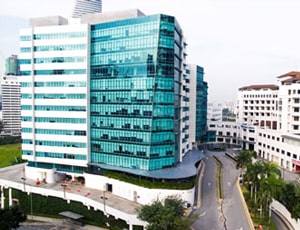
Prince Court is a private medical facility in the center of Kuala Lumpur that has 277 individual beds. Our dedication is to provide you with the best treatment possible from the time you arrive until you depart, healthier and happier. We are well-known for our top-notch facilities, cutting-edge technology, and friendly customer service.

Stroke Treatment in Parkway Pantai: Costs, Top Doctors, and Reviews

Kuala Lumpur, Malaysia

  • Joint Commission International, or JCI

Parkway Pantai located in Kuala Lumpur, Malaysia is accredited by JCI. Also listed below are some of the most prominent infrastructural details:

  • Capacity of 335 beds
  • 200+ specialist Doctors
  • Critical Care Unit
  • Neonatal Intensive Care Unit
  • Operating Theatre
  • International Patient Care Center
  • Types of rooms available- Premier Suite, Supreme Suite, Deluxe Single Room, 2-bedded room, 4-bedded room, Deluxe Suite, Premier Single room, and Supreme Single room
Stroke Treatment in Sunway Medical Centre: Costs, Top Doctors, and Reviews

Kuala Lumpur, Malaysia

  • The Australian Council on Healthcare Standards (ACHS)

Sunway Medical Centre has initiated a comprehensive expansion plan close to its current hospital facility to enhance its ability to provide services to the global market. The new Cancer Radiosurgery Center and Nuclear Medicine Center, which will also house additional Centers of Excellence like the Digestive Health Center and Dialysis Center, marked the completion of Tower C's first phase in October 2016.

Stroke Treatment in ParkCity Medical Centre: Costs, Top Doctors, and Reviews

Kuala Lumpur, Malaysia

  • Joint Commission International, or JCI

In Kuala Lumpur, Malaysia, ParkCity Medical Centre is a 300-bed, cutting-edge, interdisciplinary private hospital that provides award-winning private healthcare in an environment of lush vegetation.

Stroke Treatment in Subang Jaya Medical Centre: Costs, Top Doctors, and Reviews

Kuala Lumpur, Malaysia

  • Joint Commission International, or JCI

Subang Jaya Medical Center is renowned for pioneering radiation oncology treatments and infrastructure in Malaysia. The hospital also has a state-of-the-art Cancer Radiosurgery Centre (CRC), which is fully furnished with the latest medical technology for cancer detection, monitoring, and treatment.

Stroke Treatment in Ara Damansara Medical Centre: Costs, Top Doctors, and Reviews

Kuala Lumpur, Malaysia

  • Joint Commission International, or JCI

Situated at the junction of Petaling Jaya and Shah Alam, close to the Oasis Ara, Ara Damansara Medical Centre boasts a serene, luxurious ambiance.

The Centre has been awarded several prestigious awards such as the Global Health Asia Pacific Awards 2023, Newsweek Best Specialized Hospital APAC 2023, Healthcare Asia Awards 2023, and Malaysian Healthcare Wellness Excellence.

Stroke Treatment in Bukit Tinggi Medical Centre: Costs, Top Doctors, and Reviews

Kuala Lumpur, Malaysia

As a tertiary care hospital, Bukit Tinggi Medical Centre (BTMC) is committed to providing high-quality, reasonably priced healthcare.

With a focus on patient care and a team of committed medical professionals and personnel, we want to realize our ambition of becoming Klang's go-to healthcare provider. Orthopedics, neurosurgery, cardiac surgery, obstetrics and gynecology, pediatrics and rehabilitation, aesthetic surgery, and other specialties are all part of our multidisciplinary team approach. Additionally, BTMC has a Health Screening Center that provides a range of health packages to meet the requirements of diverse patient types.

Need Some Advice From Our Experts?

Request a Call Back Now!

Our team of healthcare experts would be happy to assist you

trusted Patientstrusted Patients+99
Trusted by 50000+ Patients
Required | alphabets and spaces
Required | A valid, working email address
Required | A valid contact

Process Involved for Stroke Treatment in Malaysia

  • Consultation: Talk to a stroke specialist or neurologist regarding the diagnosis, severity, type, and treatment options.
  • Preoperative Evaluation: Imaging (CT/MRI) and neurologic exams are performed to ascertain the location and extent of a stroke.
  • Discussion with the Treatment: Discuss the risks and benefits of each therapy approach (thrombolysis, thrombectomy, or surgery).
  • After Treatment, Follow-up: Use imaging, rehabilitation therapy, and follow-up tests to monitor healing.
  • Ischemic Stroke
  • Hemorrhagic Stroke
  • Transient Ischemic Attack (TIA) or mini-stroke
  • Stroke diagnosis (hemorrhagic or ischemic)
  • Acute or subacute stroke (within a certain period from the onset of symptoms)
  • General well-being or controllable co-occurring issues
  • stable neurological condition at the first phase of treatment
  • Potential for recovery based on the site and extent of the stroke
  • Blood circulation to the brain is restored
  • Reduction of neurological impairments
  • Improved quality of life due to rehabilitation
  • Early treatment can avert permanent damage.
  • Recovery of speech, intellect, and motor function by therapy
  • Neurologist
  • Neurosurgeon
  • Psychiatrist
  • Fill out the inquiry form: Fill out the form to provide us with the relevant information about your condition.
  • Consult with Our Healthcare Expert: One of our qualified specialists will contact you for a consultation.
  • Receive a Detailed Treatment Plan: After examining your situation, we will provide you with a detailed treatment plan that includes expert views and cost breakdowns for various choices.
  • Choose your preferred option: Choose the treatment option that suits you the best.

Instantly Connect with our Stroke Treatment Specialists

Doctor 1
Doctor 2
Doctor 3
Doctor 4
Doctor 5
Doctor 6
Doctor 7
Doctor 8
Our Services to Better your Experience

Opinion & Option

We submit the most accurate opinion and options from one or more countries for your review

Consult Privately

Consult with a certified specialist privately on our telemedicine platform even before you decide to travel

Logistics

We handle flights, visas, transfers, and accommodation—so you can focus on your health.

Recovery

Our In-house rehabilitation service packages to better your recovery and treatment outcome

Other Popular Countries for Stroke Treatment

Our network connects you with the leading medical tourism destinations globally, offering a wide range of cities, top doctors, and flexible pricing options.

India
Singapore
Turkey
Spain

Conditions treated by Stroke Treatment

Frequently Asked Questions

A. Ischemia and haemorrhageare the two primary causes of strokes.

  • Stroke ischemic

It's called ischemia, when cells don't receive enough blood to provide oxygen. This usually happens when something impairs blood vessels in the brain, preventing blood flow. About 80% of all strokes are ischemic strokes, which are the most prevalent type.

Typically, an ischemic stroke occurs in one of the following ways: Thrombosis, or the development of a clot in your brain.

An embolism occurs when a piece of a clot that started somewhere in your body breaks free passes through your blood arteries, and gets stuck in your brain.

  • A hemorrhagic stroke

Bleeding in or around the brain is a symptom of hemorrhagic stroke. There are two ways in which this occurs:

intracerebral bleeding, which occurs inside the brain. This happens when an internal blood vessel in your brain bursts or tears, resulting in bleeding that presses against nearby brain tissue.

bleeding into the area between your brain's outer layer and the subarachnoid region. Your brain is surrounded by a thin layer of tissue called the arachnoid membrane, which has a pattern like a spiderweb. The subarachnoid space is the area between it and your brain; the word "sub" means "under." A subarachnoid hemorrhage, in which blood leaks into the subarachnoid space, may arise from damage to blood arteries that cross the arachnoid membrane, applying pressure to the brain tissue underneath.

A. Some of the facilities below provide world-class stroke rehabilitation:

  • Pantai Hospital Sungai Petani.
  • Ara Damansara Medical Centre,
  • Sunway Medical Centre,
  • Beverly Wilshire Medical Centre,
  • Pantai Hospital Manjung.
  • Pantai Hospital Batu Pahat.
  • Pantai Hospital Klang.

A. A lot of strokes can be avoided through making a healthy lifestyle and working with your medical team to manage illnesses that increase your risk of stroke. Maintaining a healthy lifestyle can help prevent stroke.

A. It is to be given as soon as feasible, preferably within five hours of the onset of stroke symptoms. A clot-busting medication can reverse some of the effects of a stroke and reduce its severity. Not all ischemic stroke patients are eligible for clot-busting medication.

A. The goal of recent developments in stroke care is to reduce long-term damage and enhance rehabilitation. The following are some important developments:

  • Thrombolytic medications, also known as "clot-busting" medication
  • Medications for Neuroprotection
  • Thrombectomy in cases of acute stroke
  • Better Rehabilitation Treatments
  • Virtual Reality Therapy (VR)
  • Rehabilitating Robots
  • AI and Imaging Technologies
  • Stem Cell Treatment

A. According to studies, About 10% of patients achieve a full recovery. Only small impairments are experienced by 25% of patients after they recover. About 40% of patients have moderate-to-severe impairments that need additional care.

A. A stroke can alter your experience of the world, your memories, and your senses of sight, sound, and touch. Your feelings toward your family, friends, and yourself may be impacted by this. Cognitive skills also include thinking and memory.

A. Rehabilitation may involve working with occupational, physical, and speech therapists. People who have trouble speaking or understanding speech can benefit from speech therapy. You can regain movement and coordination skills that you may have lost due to the stroke with the help of physical therapy exercises.

A. Many hospitals in Malaysia perform Stroke Treatment. Some of the most renowned hospitals for Stroke Treatment in Malaysia include the following:

  1. Parkway Pantai
  2. Subang Jaya Medical Centre
  3. Ara Damansara Medical Center
  4. ParkCity Medical Center
  5. Bukit Tinggi Medical Centre
  6. Prince Court Medical Centre

A. After Stroke Treatment in Malaysia, the patient is supposed to stay in a guest house for a few days. This is important to ensure that the surgery is successful. During this time, control and follow-up tests take place to check for medical fitness.

A. Apart from the cost of Stroke Treatment, the patient is also required to pay additionally for daily meals and lodging. The extra charges may start from USD 100 per person.

A. Some of the best cities in Malaysia which offer Stroke Treatment are:

  • Kuala Lumpur
  • Subang Jaya
  • Shah Alam
  • Port Klang

A. After Stroke Treatment, the patient is supposed to stay for about three days in the hospital for recovery and monitoring. During the recovery process, the patient is carefully monitored and control tests are performed to see that everything is okay. If required, physiotherapy sessions are also planned during recovery in the hospital.

A. many hospitals offer Stroke Treatment in Malaysia. The above-mentioned clinics have the required facilities and infrastructure and a dedicated unit where patients can be treated. Additionally, these hospitals are known to comply with international standards as well as local legal requirements for the treatment of patients.

Author

Nimra Haseeb

MSc Biochemistry

4 Years of Experience

Miss Nimra Haseeb is a medical researcher and a scientific content writer. She holds a Bachelor’s degree in Biotechnology and a Master’s in Biochemistry from Integral University, Lucknow.With strong experience in healthcare research, she specializes in secondary research, clinical data analysis, and evidence-based medical writing. Her work focuses on transforming complex scientific and medical information into clear, accurate, and reliable healthcare content for patients and healthcare audiences. She is also experienced in interpreting medical studies and healthcare trends to deliver well-researched and informative content that supports better health awareness and decision-making.. View More

Reviewer

⁠Dr Rakesh Kumar Dua

Spine & Neurosurgeon

25 Years of Experience

Dr. Rakesh Dua has more than 25+ years of clinical experience in spine surgeries. He is currently providing his services as Director, Neuro & Spine Surgery at Fortis Hospital, Shalimar Bagh. Before joining Fortis Hospital, he was associated with Max super-specialist Hospital, Shalimar Bagh as Director Neurosurgery & Head Neuro Spine, and with UCMS & GTB hospital as head of the neurosurgery department. View More