Your Notifications
All done, no notifications

Cost of Chronic Cerebro Spinal Venous Insufficiency (CCSVI) Worldwide

Costs starts from Get a Quote
Filters

Treatment for Chronic Cerebrospinal Venous Insufficiency (CCSVI) typically involves a minimally invasive method called balloon angioplasty, which helps open narrowed veins in the neck or chest to improve blood flow. Sometimes, a stent may be used to maintain the vein's openness. The cost of the procedure can vary based on the hospital's choice, the complexity of the case, and the technology used. Other cost-influencing factors include the surgeon’s expertise, post-treatment care, and whether the procedure is done in a public or private healthcare setting.

Treatment for CCSVI is proposed to improve blood flow from the brain and spinal cord by addressing narrowed or blocked veins, especially in the jugular and azygos veins. It was hypothesized to reduce symptoms in conditions like multiple sclerosis (MS) by relieving venous congestion. The procedure (venous angioplasty) is controversial and not widely accepted as standard therapy.

See a neurologist if you experience MS-related symptoms such as fatigue, cognitive issues, balance problems, or progressive neurological decline. If standard MS therapies are ineffective and CCSVI is suspected based on imaging, further evaluation may be warranted. However, diagnosis and treatment of CCSVI remain experimental in many countries.

Preparation includes Doppler ultrasound, MRV (magnetic resonance venography), or catheter venography to assess venous drainage. Pre-operative blood work and cardiovascular evaluation are conducted to assess risk. Patients should stop anticoagulants if prescribed and fast prior to the procedure, if planned.

If intervention is pursued, venous angioplasty is performed under local anesthesia via a small catheter inserted through the groin. The narrowed veins are dilated using a balloon (percutaneous transluminal angioplasty, PTA), occasionally followed by stent placement. The procedure aims to restore normal blood flow and relieve venous backpressure on the brain.

The angioplasty procedure typically lasts 30–60 minutes. It is done as an outpatient or day-care procedure, with monitoring for a few hours post-op. Patients are generally discharged the same day unless complications occur.

  • Vein rupture or dissection
  • Thrombosis (clot formation)
  • Re-stenosis (re-narrowing of veins)
  • Bleeding or hematoma at the access site
  • No clinical improvement or worsening of symptoms
  • Because CCSVI treatment lacks regulatory approval in many regions, outcomes are inconsistent.

Some patients report temporary relief from fatigue, cognitive fog, and mobility issues. Improved venous outflow may reduce intracranial pressure in certain cases. However, evidence is inconclusive, and benefits are not universally observed or guaranteed.

Most patients resume normal activity within 24–48 hours. Mild groin discomfort or bruising may occur. Follow-up imaging may be advised to monitor vein patency; neurological assessments continue under MS care protocols.

Studies show mixed results — some report symptom improvement in MS, others find no significant benefit. Re-stenosis occurs in up to 50% of cases. CCSVI treatment remains controversial with no consensus on long-term efficacy or inclusion in MS guidelines.

Would you like some help? We are available.

Get Help
Explore Hospitals ( 123 )
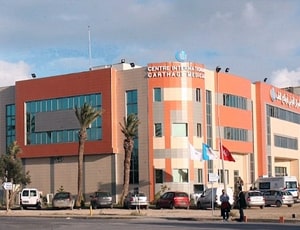
Chronic Cerebro Spinal Venous Insufficiency (CCSVI) in Carthage International Medical Center: Costs, Top Doctors, and Reviews

Monastir, Tunisia

  • Joint Commission International, or JCI

Apart from in-detail treatment procedures available, Carthage International Medical Center located in Monastir, Tunisia has a wide variety of facilities available for International Patients. Some of the facilities which are provided by them are Accommodation, Airport Transfer, Choice of Meals, Interpreter, SIM, TV inside room. Also listed below are some of the most prominent infrastructural details:

  • The Hospital covers an area of about 15,000 sqm with a capacity of about 133 beds
  • Standard Rooms & Suites facility is available in order to give them physical and psychological comfort to the patients
  • Furthermore, the rooms are equipped with plasterboard partitions for optimum sound and thermal comfort, individual bathrooms, a television with satellite reception, and a fire door, etc.
  • Ambulance of the Hospital is fully equipped with all the necessary medical equipment of latest technology ensuring the best medical transportation services of the patients
  • The hospital has a Department for international patients offering interpreter services for various languages
Chronic Cerebro Spinal Venous Insufficiency (CCSVI) in Carolina Medical Center: Costs, Top Doctors, and Reviews

Warsaw, Poland

  • ISO 9001

Apart from in-detail treatment procedures available, Carolina Medical Center located in Warsaw, Poland has a wide variety of facilities available for International Patients. Some of the facilities which are provided by them are Accommodation, Airport Transfer, Choice of Meals, Interpreter, SIM, TV inside room. Also listed below are some of the most prominent infrastructural details:

  • Focus on innovative scientific research based treatments
  • Multidisciplinary healthcare organisation
  • Academic focus on training and education of healthcare workers as well as on therapeutic programmes.
  • They are an undisputed segment of LUX MED Group whe are associated with Polish Olympics Committee. This enables them to take care of Polish athletes.
  • The healthcare requirements of dancers of National Ballet, national team members associated with several sports teams are borne by Carolina Medical Center, Warsaw, Poland.
  • Diagnostics and rehabilitation section of this medical center is top notch.
  • It is also a preferred medical destination for international patients owing to the best of services provided by them to ease the experience of international medical tourists in every aspect.
  • Online consultations and emergency services are also available for patients.
Chronic Cerebro Spinal Venous Insufficiency (CCSVI) in Centro Medico Teknon: Costs, Top Doctors, and Reviews

Barcelona, Spain

  • Joint Commission International, or JCI

Apart from in-detail treatment procedures available, Centro Medico Teknon located in Barcelona, Spain has a wide variety of facilities available for International Patients. Some of the facilities which are provided by them are Accommodation, Airport Transfer, Choice of Meals, Interpreter, SIM, TV inside room. Also listed below are some of the most prominent infrastructural details:

  • 60,000 square meters of area
  • 211 wards
  • International visitors program to manage the patient base
  • Cardiovascular Institute and Oncology Institute as specialised centres
  • Assisted Reproduction availaibility
  • Checkup program
  • Plastic & Reparative surgery capacities

Chronic Cerebro Spinal Venous Insufficiency (CCSVI) in Hospital Quironsalud Barcelona: Costs, Top Doctors, and Reviews

Barcelona, Spain

  • Joint Commission International, or JCI
  • ISO 9001

Apart from in-detail treatment procedures available, Hospital Quironsalud Barcelona located in Barcelona, Spain has a wide variety of facilities available for International Patients. Some of the facilities which are provided by them are Accommodation, Airport Transfer, Choice of Meals, Interpreter, SIM, TV inside room. Also listed below are some of the most prominent infrastructural details:

  • There are more than 50 healthcare specialties in the hospital.
  • It has different kinds of rooms such as over 130 private rooms, 56 suits, and more than 150 consultation rooms.
  • There are more than 14 operation theatres and 1 robotic surgery theatre is also present.
  • Technologically advanced devices are present in the hospital such as 1 linear accelerator, 2 CAT and 3 MRI scanners.
  • Accommodation, flight booking, transfers and interpreters are available.
Chronic Cerebro Spinal Venous Insufficiency (CCSVI) in Farrer Park Hospital: Costs, Top Doctors, and Reviews

Singapore, Singapore

Apart from in-detail treatment procedures available, Farrer Park Hospital located in Connexion, Singapore has a wide variety of facilities available for International Patients. Some of the facilities which are provided by them are Accommodation, Airport Transfer, Choice of Meals, Interpreter, SIM, TV inside room. Also listed below are some of the most prominent infrastructural details:

  • A medical centre is linked to the Farrer Park Hospital Complex, Connexion, Singapore
  • The focus of the hospital is to bring together two essential elements: those of healthcare combined with hospitality.
  • There is a building with 20 different stories which comprises Owen Link, hotel and spa.
  • Personal attention and patient care focus is maintained with a system in place of listening, analysing, evaluating and then implementing a treatment plan.
  • 121 bed capacity
  • Technology and innovations help provide the best of medical and surgical treatment options.
  • Professionally implemented international patient care systems
  • Suites: Cardiovascular, day surgery, endoscopy, major surgery, nuclear medicine, radiation oncology, and inpatient suite
  • Diagnostic imaging and intensive care unit
  • 24 hour emergency clinic and pharmacy
  • Facilities such as dialysis, nutrition services, rehab centre, and teaching clinic
Chronic Cerebro Spinal Venous Insufficiency (CCSVI) in The London Clinic: Costs, Top Doctors, and Reviews

London, United Kingdom

  • Joint Commission International, or JCI

We, The London Clinic family, take pride in our reputation as a multi-disciplined healthcare facility. With skilled nurses and expert consultants, our medical teams are always focused to deliver the best individualized medical care. More than 1,000 nursing, clinical, and support staff are currently working with us to give our patients an extensive range of treatments. We use cutting-edge technologies to ensure a comprehensive range of healthcare services. Not only that, in order to make your stay with us comfortable enough, we equip our patient bedrooms with:

  • Electronic patient-controlled bed
  • En-suite bathroom
  • Air conditioning system
  • Remote-controlled television and radio
  • Telephone with direct dial facility
  • Nurse call system
  • Personal safe
  • Wi-fi

Patients from all over the world fly to us to get their procedures done by our specialist doctors, which is why we also provide our patient's concierge services. Our concierge services include:

  • Booking travel and hotel accommodation
  • Arranging London tour
  • Making theatre and restaurant reservation

The London Clinic has a zero-tolerance policy when it comes to hygiene and cleanliness. Our dedicated housekeeping team cleans every room every day between 8.00 am and 5.00 pm. They are also entitled to supply fresh towels every day and clean the rooms properly between patients.

We also have a day surgery unit based on the third floor at 20 Devonshire Place to make sure a hassle-free surgery as well as post-surgery care for our patients. Our cancer care unit at 22 Devonshire Place is also among our key services.

Chronic Cerebro Spinal Venous Insufficiency (CCSVI) in Burjeel Specialty Hospital, Sharjah: Costs, Top Doctors, and Reviews

Sharjah, United Arab Emirates

  • Joint Commission International, or JCI

Burjeel Specialty Hospital is built on an area of 16,000 square meters. It is a 75-bedded hospital with 24-hours emergency services. It has a 24-hours Laboratory & a unique radiology department. Hospital tries to cover every need of patients and to help them in their need hour with all its available medical services. 

The hospital constitutes many centers such as women’s health center, premium care surgery center, heart care center, Bariatric & weight loss clinic, and many others, in order to conduct proper medical care for the patients.

Chronic Cerebro Spinal Venous Insufficiency (CCSVI) in Woodlands Hospital: Costs, Top Doctors, and Reviews

Darlington, United Kingdom

A 38-bedded hospital, Woodlands Hospital is supported by about 150 experienced doctors. It provides the highest standards of modern medical care and is BUPA accredited for its breast care services. All the staff at the hospital are totally committed to ensuring that patients are confident and comfortable with all aspects of their visit. It has resident medical officers available 24/7.  Woodlands Hospital has an MRI scanner, an endoscopy unit, and a fully equipped gymnasium in addition to the two laminar flow theaters. It treats NHS-funded patients besides self-funding and insured patients. The hospital has access to the latest equipment and offers private facilities to patients in Richmond, Darlington, and Barnard Castle.

Chronic Cerebro Spinal Venous Insufficiency (CCSVI) in Werndale Hospital: Costs, Top Doctors, and Reviews

Carmarthen, United Kingdom

The Circle Werndale Hospital offers patients from Pembrokeshire, Carmarthenshire, and Ceredigion access to private facilities and state-of-the-art equipment. The 27 beds of Circle Werndale Hospital are all private and comfortable, with en suite bathrooms, satellite TV, and phones.

The specialists can perform a variety of operations, from simple investigations to intricate surgeries, thanks to these facilities, the newest equipment, and on-site support services. With committed nursing teams and resident medical officers on duty around the clock, this specialized knowledge is backed by compassionate and skilled medical personnel who offer care in a welcoming and comfortable setting.

Chronic Cerebro Spinal Venous Insufficiency (CCSVI) in Srikara Hospitals, Miyapur: Costs, Top Doctors, and Reviews

Hyderabad, India

  • National Accreditation Board for Hospitals & Healthcare Providers (NABH)


Need Some Advice From Our Experts?

Request a Call Back Now!

Our team of healthcare experts would be happy to assist you

trusted Patientstrusted Patients+99
Trusted by 50000+ Patients
Required | alphabets and spaces
Required | A valid, working email address
Required | A valid contact

Process Involved for Chronic Cerebro Spinal Venous Insufficiency (CCSVI)

Treatment Stages for Chronic Cerebrospinal Venous Insufficiency (CCSVI) are:

  • Initial Consultation and Symptom Review: The treatment begins with a detailed medical consultation, focusing on symptoms like fatigue, cognitive changes, or balance issues. The healthcare provider may also explore any link between CCSVI and conditions such as multiple sclerosis (MS).
  • Diagnostic Imaging and Assessment: Once CCSVI is suspected, diagnostic tests such as Doppler ultrasound, MR venography, or catheter-based venography are performed to detect vein narrowing, reflux, or abnormal blood flow in central nervous system-draining veins.
  • Treatment Planning: A personalised treatment plan is developed based on imaging results and symptom severity. Depending on the individual case, this may involve minimally invasive procedures or conservative management.
  • Endovascular Intervention: A balloon angioplasty may be done to dilate narrowed veins and improve venous return if required. Sometimes, a stent may be placed to keep the vein open, particularly if there’s a high risk of re-narrowing.
  • Post-Procedure Monitoring: Patients are closely monitored after intervention to ensure the veins remain open and the blood flow is stable. Follow-up imaging is often performed to assess the success of the procedure.
  • Rehabilitation and Supportive Care: Patients may benefit from physiotherapy, lifestyle guidance, and medications to support recovery and improve circulation. This stage also includes education on maintaining vascular health and recognising early signs of recurrence.
  • Long-Term Follow-Up: Periodic check-ups are recommended to evaluate vein function, manage symptoms if they persist, and prevent future complications. This ensures sustained treatment benefits and overall well-being.

The following conditions are treated in Chronic Cerebrospinal Venous Insufficiency (CCSVI):

  • Multiple Sclerosis (MS) : Some researchers have explored a potential association between CCSVI and MS. While the connection remains debated, improving venous outflow has been suggested to support symptom management in selected cases.
  • Cognitive Symptoms: Reduced blood drainage from the brain may contribute to difficulties with focus, memory, and overall mental clarity. Addressing venous issues may help relieve such symptoms in some individuals.
  • Frequent Headaches: Persistent or recurring headaches, including migraines, have been reported in individuals with impaired cerebral venous return. Treatments aimed at improving vein flow may provide relief in some instances.
  • Visual Complaints: Blurry vision, double vision, or eye pressure may be linked to poor venous circulation, which can affect the visual pathways in the brain.
  • Impaired Balance and Motor Coordination: Inadequate blood flow from the central nervous system can disrupt coordination and balance, leading to unsteadiness or difficulty with movement.
  • Extreme Fatigue: Chronic tiredness or lack of energy is frequently reported in people with CCSVI and may improve when blood drainage is restored.
  • Muscle Stiffness or Weakness: Changes in venous flow can affect muscle tone and strength, particularly in those with neurological conditions, possibly contributing to spasticity or weakness.
  • Ear-Related Sensations: Some individuals report ringing in the ears (tinnitus) or a sensation of fullness, which may be linked to altered pressure from impaired venous return.

1. Initial Evaluation
The journey begins with thoroughly reviewing symptoms such as fatigue, dizziness, or memory issues. A detailed medical history and neurological exam help determine whether CCSVI may be contributing to these problems.

2. Diagnostic Testing
To confirm CCSVI, doctors use imaging tests that examine blood flow in veins draining the brain and spinal cord. These include:

  • Doppler ultrasound to assess blood flow and detect narrowed or malformed veins.
  • MR Venography for a non-invasive, detailed view of central venous structures.
  • Catheter venography is a more direct method that uses contrast dye and X-ray to visualise the exact location of vein narrowing or blockage.

3. Identification of Venous Abnormalities
The diagnosis focuses on spotting restricted or reversed blood flow in veins like the internal jugular or azygos vein. These blockages may disrupt normal circulation and trigger neurological symptoms.

4. Treatment Approaches
Depending on the severity:

  • Balloon angioplasty may be performed to widen narrowed veins and restore flow.
  • Stent placement is considered if vein collapse is likely to recur.
  • In some cases, medications such as blood thinners or anti-inflammatory drugs reduce risks and improve circulation.

5. Ongoing Monitoring and Recovery
After treatment, patients are regularly monitored to ensure that blood flow remains stable. Follow-up scans help detect any recurrence or complications. Patients may also receive supportive therapies, including physiotherapy or lifestyle guidance, to maintain vein health and manage lingering symptoms.

6. Lifestyle Support
Recommendations may include a healthy diet, staying active, adequate hydration, and avoiding prolonged immobility—each of which supports better venous return and overall well-being..

  • Venography
  • Angioplasty
  • Stenting
  • Ultrasound
  • Phlebography
  • Catheterisation
  • MRV (Magnetic Resonance Venography)
  • Ballooning
  • Imaging
  • Recanalisation

Benefits of Chronic Cerebrospinal Venous Insufficiency (CCSVI) include:

  • Improved Blood Flow: Restoring normal brain and spinal cord venous drainage enhances overall circulation and reduces pressure buildup.
  • Relief from Neurological Symptoms: Some patients report decreased brain fog, better memory, and sharper concentration following treatment.
  • Reduction in Headaches: Treatments aimed at correcting venous narrowing may help reduce the frequency and intensity of headaches.
  • Better Balance and Coordination: Improved circulation may enhance motor function, reducing issues like unsteadiness or poor coordination.
  • Decreased Muscle Spasticity: Addressing venous insufficiency might help ease muscle tightness, especially in individuals with coexisting neurological disorders.
  • Enhanced Visual Clarity: Patients sometimes notice better visual sharpness and reduced eye pressure after successful intervention.
  • Lowered Fatigue Levels: Restoring proper venous return can help ease chronic fatigue, boosting energy and day-to-day functioning.
  • Improved Quality of Life: Collectively, these changes may lead to greater comfort, better physical performance, and enhanced emotional well-being.

The following are the treating team members for Chronic Cerebrospinal Venous Insufficiency (CCSVI):

  • Neurologist
  • Phlebologist
  • Radiologist
  • Angiologist
  • Neurosurgeon
  • Vascularist
  • Interventionist
  • Surgeon
  • Fill out the inquiry form: Please complete the form to provide us with relevant information about your condition.
  • Consult with Our Healthcare Expert: One of our qualified specialists will contact you for a consultation.
  • Receive a Detailed Treatment Plan: After examining your situation, we will provide you with a detailed treatment plan that includes expert views and cost breakdowns for various choices.
  • Choose your preferred option: Choose the therapy option that best suits you.
  • Seamless Organisation: We will manage all the details, including visas, flights, accommodations, and transfers, for a stress-free journey.

Instantly Connect with our Chronic Cerebro Spinal Venous Insufficiency (CCSVI) Specialists

Doctor 1
Doctor 2
Doctor 3
Doctor 4
Doctor 5
Doctor 6
Doctor 7
Doctor 8
Our Services to Better your Experience

Opinion & Option

We submit the most accurate opinion and options from one or more countries for your review

Consult Privately

Consult with a certified specialist privately on our telemedicine platform even before you decide to travel

Logistics

We handle flights, visas, transfers, and accommodation—so you can focus on your health.

Recovery

Our In-house rehabilitation service packages to better your recovery and treatment outcome

Author

Fauzia Zeb Fatima
Fauzia Zeb Fatima

M.Pharm

4 Years of Experience

Fauzia Zeb is a distinguished medical and scientific content writer with a robust academic foundation in pharmaceutical sciences, holding a B.Pharm and M.Pharm degree from prestigious institutions, including MIT and Jamia Hamdard University. Her comprehensive expertise in pharmacology, clinical sciences, and biomedical research enables her to translate complex medical and scientific concepts into precise, evidence-based content tailored for diverse audiences. Specializing in peer-reviewed articles, clinical blog posts, and research-driven publications, she demonstrates a consistent ability to bridge the gap between advanced medical science and accessible, audience-specific communication.. View More

Reviewer

⁠Dr Rakesh Kumar Dua

Spine & Neurosurgeon

25 Years of Experience

Dr. Rakesh Dua has more than 25+ years of clinical experience in spine surgeries. He is currently providing his services as Director, Neuro & Spine Surgery at Fortis Hospital, Shalimar Bagh. Before joining Fortis Hospital, he was associated with Max super-specialist Hospital, Shalimar Bagh as Director Neurosurgery & Head Neuro Spine, and with UCMS & GTB hospital as head of the neurosurgery department. View More

Last Reviewed - January 2026