Your Notifications
All done, no notifications

Brain Tumour Treatment Cost in South Korea

USD 20000 - USD 60000

Affordable World-class Treatment - Accredited Hospitals - Free Treatment Plan in 24 Hrs

5
Days in Hospital
3-6 hrs
Procedure Time
60 - 85%
Success Rate
Brain Tumor Treatment
JCI/ISO 100,000+ Patients 24X7 Coordinator Visa & Travel handled
Your all-in-one medical travel platform for treatment, recovery & care.

Get Your Personalised Treatment Plan in Just 24 Hours.

Share your details to receive a personalised treatment plan, estimated costs, hospital recommendations, and expert guidance, “completely free.”

Required | alphabets and spaces
Required | A valid, working email address
Required | A valid contact
Connect with an Expert

Your information is protected with HIPAA-compliant security standards. We only share your details with hospitals after your consent.

Estimated Treatment Cost
USD 20000 - USD 60000
All-inclusive • Hospital + Medications + Recovery Assistance + Dedicated Care Coordinator

International Quality. Affordable Care.

How Much Does Brain Tumour Treatment Cost in South Korea?

The cost of Brain Tumour Treatment in South Korea is USD 20000 - USD 35000

Total expenditure may vary depending on whether the patient undergoes surgical procedures, uses various treatment options like radiotherapy or chemotherapy, or a combination.

Factors Influencing the Cost of Brain Tumour:

  • Types of treatment: The costs of treatment may depend on whether the patient is receiving brain tumor surgery, radiation therapy, chemotherapy, targeted therapy, immunotherapy, or a combination of these strategies.
  • Hospital and location: Internationally recognised cancer treatment facilities and multi-speciality hospitals located in advanced centres may have higher charges, as they have advanced technical equipment, and various specialists are involved in treatment.
  • The experience of the surgeon: Neurosurgeons, neuro-oncologists, and radiation oncologists skilled at handling complicated conditions often charge more for their services.
  • Evaluation before treatment: Diagnostic imaging techniques including MRI and CT scans, blood tests, neurological examinations, and anesthetic evaluation add to the treatment expenses.
  • Advanced therapy techniques: Techniques like neuronavigation, intraoperative magnetic resonance imaging, Gamma Knife, CyberKnife, and robotic surgery may be seen as responsible for the increase in prices.
  • Length of stay at the medical facility: The length of stay at the hospital, ICU services after surgery, and treatment of complications significantly affect the price of treatment.

What's included in your Brain Tumour Treatment quote?

Brain Tumour Treatment
Personalised treatment including surgery, radiotherapy, chemotherapy, or targeted therapy as recommended
Neuro-oncology consultation
Pre-treatment evaluation, treatment planning, and follow-up consultations
Hospital stay & supportive care
Treatment, nursing care, pain management, and recovery monitoring
Follow-up monitoring
MRI scans, neurological assessment, and routine follow-up visits
Visa & medical-visa invite letter
Airport pickup & transfers

Cost of Brain Tumour Treatment in Major Cities of South Korea

CityCost (USD)
Seoul $20,000 – $35,000 Explore More

Brain Tumour - South Korea Vs the World

$5k - $15k
$8k - $10k
$9k - $29k
$10k - $50k
$15k - $22k
$20k - $35k
$20k - $150k
$22k - $48k
$25k - $60k
$30k - $40k
$32k - $32k
$45k - $75k
Dr. Shagufta Parveen
Author

Doctor of Pharmacy

3 Years of Experience

Dr. Shagufta Parveen is a Clinical researcher and medical writer with expertise in clinical pharmacology and pharmacotherapeutics. She holds a B.Pharm and Doctor of Pharmacy (Post-Baccalaureate) degree from Teerthanker Mahaveer University, Moradabad.

During her clinical stint at BLK-Max Super Speciality Hospital and Indraprastha Apollo Hospital, she gained hands-on experience in the Clinical Pharmacology Department. Combining scientific knowledge with strong medical writing skills, Dr. Shagufta develops evidence-based healthcare content, treatment guides, and patient education resources.

Her work focuses on simplifying complex medical concepts while maintaining scientific accuracy, helping readers better understand healthcare advancements and treatment options.

In addition to her writing expertise, she is actively involved in scientific research and has contributed to peer-reviewed publications.

Her research work is accessible through the following links:

https://scholar.google.com/citations?user=lMVK1eIAAAAJ&hl=en

https://carcinogenesis.com/index.php/JOC/article/view/870

https://carcinogenesis.com/index.php/JOC/article/view/868

https://wjpsronline.com/abstract/0000000760

View More
⁠Dr Rakesh Kumar Dua
Reviewer

Spine & Neurosurgeon

25 Years of Experience

Last Reviewed - June 2026

Dr. Rakesh Dua has more than 25+ years of clinical experience in spine surgeries. He is currently providing his services as Director, Neuro & Spine Surgery at Fortis Hospital, Shalimar Bagh. Before joining Fortis Hospital, he was associated with Max super-specialist Hospital, Shalimar Bagh as Director Neurosurgery & Head Neuro Spine, and with UCMS & GTB hospital as head of the neurosurgery department.
View More

Need Help Choosing the Right Treatment? Talk to a Medical Advisor

Our dedicated Medical Patient Advisors are here to answer your questions, help you compare treatment options, estimate costs, and guide you through every step of your healthcare journey.

15 min
Average response time

Serving Patients Worldwide in Multiple Languages.

A brain tumor is an abnormal growth of cells in the brain which can be cancerous or non-cancerous. This growth can occur in any part of the brain or originate elsewhere in the body and spread to the brain.

It is a fairly common condition that affects millions of people worldwide. An undiagnosed brain tumor can be fatal, making it crucial to undergo specific tests and begin treatment promptly once the diagnosis is confirmed.

The two most common symptoms of a brain tumor are increasingly severe headaches and blurred vision. Additionally, individuals with this condition may experience seizures, confusion, nausea, vertigo, impaired speech, and loss of balance.

Treatment for a brain tumor depends on several factors, including the type, size, and location of the tumor, as well as the overall health of the patient and age. These considerations are taken by the doctor while preparing a brain tumor treatment plan.

Different treatment modalities can be used to treat brain tumor patients and surgery, chemotherapy, and radiation therapy are among them. Usually, a combination of treatment modalities is used to conduct brain tumor treatment.

Brain tumors are of various types, determined by the cells they consist of. Tumor cell testing in the lab helps identify the type of Tumor. Some are noncancerous or benign, while others are cancerous or malignant. Benign tumors typically grow slowly, while malignant tumors tend to overgrow.

Following are the different types of Brain Tumor:

  • Gliomas: It can be the most common type of malignant brain tumor.
  • Pineal tumors: The tumors that grow around the brain’s Pineal gland.
  • Meningiomas: The brain tumors that start in the membranes around the brain and spinal cord.
  • Nerve tumors: The Tumors refer to the growth of abnormal cells around the nerves.
  • Pituitary tumors: This type of tumor grows in the pituitary gland.
  • Pineal tumors: Tumor that originates in or around the pineal gland.

A brain tumour is treated to remove or shrink it, relieve symptoms like headaches or seizures, and prevent further neurological damage. Treatment may be curative, life-prolonging, or palliative depending on the type.

Those who suffer from ongoing headaches, visual distortions, seizures, unexplained nausea, mental and personality changes, or weakness in one or more limbs should consider early consultation, especially if these symptoms continue to worsen or prevent them from participating in daily activities.

The preparations included neurological examination and multiple imaging procedures, such as an MRI or CT scan. A biopsy may need to be done to ascertain the tumour type. Then, the patient will receive instructions, such as withholding medications, fasting before the procedure, and consultations with various specialists, such as neurosurgeons, oncologists, and anesthetists.

In many brain tumours, surgical resection is deemed the primary mode of treatment. It involves a craniotomy, whereby the surgeon removes part of the skull to gain access to the area and obtain the excised tumour. Lesser forms of surgical intervention are also applied, e.g., stereotactic radiosurgery and endoscopic surgery. Depending on the nature of the tumour, postoperative treatment commonly consists of radiotherapy and/or chemotherapy.

Brain tumour surgery can last 2 to 6 hours or more, depending on the size and location of the tumour. Hospitalisation generally involves 3 to 10 days, with longer durations for more complicated cases.

  • Bleeding
  • Infection
  • Swelling
  • Stroke
  • Damage to the surrounding brain tissue
  • Cognitive impairments

Treatment relieves symptoms and kills the tumour wherever possible. In malignant situations, it also increases the survival time. Treatment also improves comfort and the ability to execute day-to-day activities in non-curable cases.

Rest, physiotherapy, and gradual resumption of normal activities constitute post-operative rehabilitation. Depending on the case, speech therapy or occupational therapy might be required. In most cases, further management involves repeated imaging and oncological treatments such as chemotherapy and radiation.

Success varies by type, grade, and location of the tumor. After the surgical procedure, benign conditions have high rates of cure. Treating malignant tumors may be more difficult, but the ultimate purpose is lifespan extension and symptom control.

70–90%

Treatment success rate (depends on tumour type, grade, and stage)

5–10 days

Typical hospital stay (for surgery; varies by treatment)

4–8 weeks

Return to normal daily activities depending on treatment and recovery
Explore Hospitals ( 2 )

Seoul, South Korea

2700+ Beds · 245+ Procedures
ISO
Starting
USD 20000

Seoul, South Korea

808+ Beds · 193+ Procedures
JCI
Starting
USD 36000

Get Your Brain Tumour Treatment
Plan in 24 hrs.

Our experienced Medical Patient Advisors have supported 100,000+ patients across 120+ countries with personalised treatment plans, hospital recommendations, cost estimates, and travel assistance, all free.

HIPAA-Compliant Data SecurityShared Only with Your Consent

Free Consultation No Obligation Personalized Treatment Plan Response Within 24 Hours

Required | alphabets and spaces
Required | A valid, working email address
Required | A valid contact

Your medical info is kept HIPAA-style confidential. We never share with hospitals without your consent.

Process Involved for Brain Tumour Treatment in South Korea

  • Consultation: Discuss the diagnosis, staging, and treatment with a neurologist, neurosurgeon, or oncologist.
  • Preoperative Evaluation: Imaging studies (like MRI or CT scans) and a neurologic examination are performed to define the location, size, and effect on brain function of the tumor.
  • Discussion with Treatment: The treatment possibilities, such as surgery, radiation, chemotherapy, targeted therapy, or a combination, are discussed based on the tumor type and stage.
  • Surgical Planning: When surgery is being recommended, the procedure, including removal of the tumor or biopsy, and the risk involved is disclosed.
  • Post-Surgery, Follow-up: Routine follow-up examinations and imaging are arranged to track progress, identify recurrence, and address possible side effects or complications.
  • Primary brain tumors (gliomas, glioblastomas and meningiomas)
  • Metastatic brain tumors
  • Brain lymphoma
  • Pituitary tumors
  • Individuals with primary brain tumors or metastatic brain cancer are recommended to undergo treatment.
  • The type, site, size, and grade of the tumor, as well as the patient's overall health and medical history, all influence the patient's suitability for treatment.
  • Surgical resection
  • Chemotherapy
  • Radiation therapy
  • Immunotherapy
  • Targeted therapy
  • It can prevent or control tumor growth, particularly with initial-stage detection and proper treatment.
  • Enhances quality of life and alleviates symptoms such as headache, seizures, or neurological deficits.
  • Prevents recurrence or metastasis of tumors using combination therapies.
  • Neurologist
  • Neurosurgeon
  • Medical Oncologist
  • Radiation Oncologist
  • Fill out the inquiry form: Fill out the form to provide us with the relevant information about your condition.
  • Consult with Our Healthcare Expert: One of our qualified specialists will contact you for a consultation.
  • Receive a Detailed Treatment Plan: After examining your situation, we will provide you with a detailed treatment plan that includes expert views and cost breakdowns for various choices.
  • Choose your preferred option: Choose the treatment option that suits you the best.
Jenny Wilson
Your Dedicated Medical Patient Advisor
Treatment planning • Hospital coordination • Multilingual support • Response within 15 minutes.
Our Services to Better your Experience

Opinion & Option

We submit the most accurate opinion and options from one or more countries for your review

Consult Privately

Consult with a certified specialist privately on our telemedicine platform even before you decide to travel

Logistics

We handle flights, visas, transfers, and accommodation—so you can focus on your health.

Recovery

Our In-house rehabilitation service packages to better your recovery and treatment outcome

Patient Stories

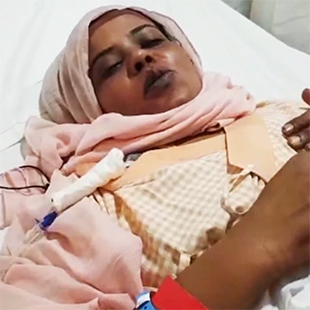
Patient Testimonial: Lobna from Sudan for Successful Open Craniotomy Surgery in India
Mrs. Lobna Salah Hassan
Mrs. Lobna Hasan from Sudan for Open Craniotomy Surgery in India

Lobna (from Sudan) was diagnosed with meningioma, a form of non-cancerous brain tumor. Her family members decided to take her…

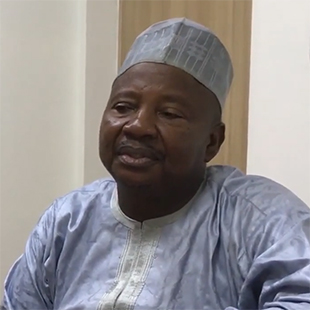
Patient Testimonial: Mohammud Rabiu from Nigeria underwent Brain Tumor Treatment in India
Mr. Mohammud Rabiu
Patient Testimonial: Mohammud Rabiu from Nigeria underwent Brain Tumor Treatment in India

This is the journey of Mohammud Rabia from Nigeria who had to undergo Medical Management for his Brain Stroke which…

Frequently Asked Questions

The cost of brain tumour treatment in South Korea is USD 20000 - 35000 and varies significantly depending on whether the tumour is benign or malignant, its size and location, treatment approach, hospital, surgeon's expertise, diagnostic investigations, and length of hospital stay. Treatment may involve surgery, radiation therapy, chemotherapy, targeted therapy, or a combination of these.

Some of the best hospitals in South Korea for Brain Tumour Treatment include:
  • Asan Medical Centre
  • International St. Mary's Hospital
  • Choose a neurosurgeon, neuro-oncologist, radiation oncologist, or multidisciplinary neuro-oncology team with experience treating the specific type and location of brain tumour. Consider their experience with complex brain tumour surgery, minimally invasive and image-guided techniques, tumour-specific treatment, and access to advanced neuroimaging, radiation therapy, intensive care, and rehabilitation.

    The success of brain tumour treatment, such as , varies widely and cannot be represented by a single percentage. Outcomes depend on the tumour type and grade, molecular characteristics, size and location, whether it can be safely removed, the patient's age and overall health, and response to additional treatment. Your specialist can provide a more meaningful prognosis after reviewing the diagnostic results.

    Some brain tumours can be completely removed, particularly when they are well-defined and located away from critical brain structures. However, for tumours involving areas responsible for speech, movement, vision, or other essential functions, the surgeon may intentionally leave a small portion behind to minimise neurological damage. Additional radiation or other treatment may then be recommended.

    No. Surgery is not required for every brain tumour. Small, slow-growing, asymptomatic tumours may sometimes be monitored with regular MRI scans. Surgery may be recommended when the tumour causes significant symptoms, increases in size, produces pressure on the brain, or requires tissue diagnosis.

    Awake craniotomy is a specialised surgical technique used for selected tumours located close to areas controlling speech, movement, or other important neurological functions. The patient is awake during part of the procedure so the surgical team can test neurological functions while removing as much tumour as safely possible.

    Diagnosis usually involves brain imaging such as MRI or CT, followed by a biopsy or surgical tissue sampling when required. Pathological and molecular testing can identify the tumour type, grade, and important genetic or molecular characteristics, helping specialists select the most appropriate treatment.

    Yes. Some brain tumours can recur even after surgery and additional treatment. The likelihood depends on the tumour type, grade, molecular characteristics, extent of removal, and response to treatment. Regular neurological examinations and follow-up MRI scans are important for detecting recurrence or progression early.

    Treatment may involve microsurgical tumour resection, image-guided or neuronavigation-assisted surgery, intraoperative monitoring, awake craniotomy for selected tumours, stereotactic radiosurgery, stereotactic radiotherapy, conventional radiotherapy, chemotherapy, targeted therapy, and tumour-specific immunotherapy. Advanced MRI, functional imaging, molecular testing, and multidisciplinary tumour-board evaluation may also help guide treatment.

    Potential complications depend on the tumour and treatment method. Surgery may involve bleeding, infection, seizures, brain swelling, cerebrospinal fluid leakage, blood clots, or neurological problems affecting movement, speech, memory, vision, or sensation. Radiation and systemic treatments can cause fatigue, nausea, neurological symptoms, or other treatment-specific side effects. The risks vary considerably according to tumour location and treatment plan.

    Before travelling, obtain a complete review of your diagnosis and collect recent MRI/CT scans, pathology reports, biopsy results, molecular or genetic testing, previous treatment records, blood-test results, and medication lists. If surgery is planned, your medical team may recommend additional imaging or medical clearance. Do not stop steroids, anti-seizure medicines, anticoagulants, or other prescribed medications without medical advice.

    Yes. International patients can generally arrange an online consultation with a neurosurgeon or neuro-oncology specialist before travelling to South Korea. The specialist can review MRI or CT scans, pathology, molecular reports, previous treatment history, and symptoms to help determine the most appropriate treatment approach and whether additional tests are required.

    Patients should bring their passport and travel documents, along with MRI/CT scans and reports, biopsy and pathology reports, molecular testing results, previous treatment summaries, operative reports (if applicable), blood test results, medication lists, allergy information, and details of previous radiation or chemotherapy. Original imaging files or digital copies are particularly important for specialist assessment.

    The required stay depends on the treatment plan. Patients undergoing brain tumour surgery may need several days to a few weeks for hospitalisation, recovery, and initial follow-up. Radiation therapy may require a longer stay when multiple sessions are needed, while systemic treatment schedules vary. International patients should allow additional time for postoperative assessment and medical clearance before returning home.

    Recovery varies considerably depending on the tumour, treatment type, location, and neurological effects. After surgery, initial recovery may take several weeks, while full recovery can take several months in some patients. Patients requiring radiation, chemotherapy, or rehabilitation may have a longer recovery period. Follow-up MRI scans are typically used to monitor treatment response and disease status.

    Complications arising during treatment can be managed by the multidisciplinary medical team at the treating hospital. Management may include medication, intensive monitoring, additional surgery, drainage procedures, rehabilitation, or other interventions depending on the complication. After returning home, patients should remain connected with the treating team and a local specialist. New seizures, severe headache, weakness, confusion, speech problems, or reduced consciousness require urgent medical evaluation.

    International patients can begin by submitting their medical records, imaging, pathology, and previous treatment details for specialist review through the MediGence platform. The treating team can then recommend the appropriate diagnostic and treatment plan, expected hospital stay, and estimated cost. Once the treatment plan is confirmed, the hospital admission and international-patient arrangements can be coordinated.

    South Korea may be considered by international patients seeking specialised neuro-oncology care, experienced neurosurgeons, advanced neuroimaging, modern radiation technology, multidisciplinary tumour boards, and comprehensive postoperative rehabilitation. When choosing a centre, patients should prioritise expertise in treating their specific tumour type and location, advanced treatment facilities, intensive care support, and long-term follow-up.

    Treatment depends on the tumour's type, grade, molecular profile, size, location, symptoms, and overall health. Options may include active surveillance, surgical resection or biopsy, radiation therapy, stereotactic radiosurgery/radiotherapy, chemotherapy, targeted therapy, immunotherapy for selected tumours, and supportive treatment. A combination of treatments may be recommended for malignant or aggressive tumours.

    Not Sure About Your Treatment Plan? Get a Free Second Opinion

    Have your reports reviewed by independent oncology experts to help you make a confident treatment decision, all online within 48 hours.

    Upload Your Reports
    Free second opinion on your CAR-T plan