Your Notifications
All done, no notifications

Cost of Craniotomy Worldwide

Costs starts from Get a Quote
Filters

A craniotomy is a surgical procedure in which a portion of the skull's bone is removed to reveal the brain. The bone flap is a portion of bone that is removed using specialized equipment. After the brain surgery, the bone flap is temporarily removed and then reinstalled.

To precisely target the area of the brain that has to be treated during some craniotomy operations, computers and imaging (computerized tomography [CT] or magnetic resonance imaging [MRI]) may be used as guides. This method necessitates the use of either a frame attached to the skull or a frameless system with markings or landmarks applied superficially to the scalp.

Factors that affect the cost of Craniotomy:

CountryCostLocal_currency
United KingdomUSD 13377 - 6000010568 - 47400
TurkeyUSD 14704 - 30000443179 - 904200
SpainUSD 25042 - 3100023039 - 28520
United StatesUSD 26967 - 6693526967 - 66935
SingaporeUSD 25000 - 5000033500 - 67000

A craniotomy involves surgically removing a portion of the skull to access the brain. During this procedure, specialized instruments are used to extract a section of bone, known as the bone flap. This bone flap is temporarily removed and reattached.

Some craniotomy procedures incorporate computer and imaging technologies, such as magnetic resonance imaging (MRI) or computerized tomography (CT) scans, to accurately target the specific brain area needing treatment. This advanced technique may involve the use of a frame fixed to the skull or a frameless system with surface markers or landmarks on the scalp. When these imaging methods are used in conjunction with the craniotomy, the procedure is referred to as a stereotactic craniotomy.

Types of Craniotomy:

  • Extended Bifrontal Craniotomy: It is a traditional skull base approach involving an incision behind the hairline and removal of forehead and orbital bone to safely access front brain tumors, such as meningiomas, esthesioneuroblastomas, and malignant skull base tumors, without unnecessary brain manipulation. This technique is used when minimally invasive methods are unsuitable.
  • Minimally Invasive Supra-Orbital “Eyebrow” Craniotomy: Supra-orbital craniotomy, also known as "eyebrow" craniotomy, is a method to remove brain tumors via a small incision above the eyebrow, particularly for tumors near the pituitary gland or optic nerves, substituting endonasal endoscopic surgery for large or critical cases.
  • Retro-Sigmoid “Keyhole” Craniotomy: It is also known as "keyhole" craniotomy, is a minimally-invasive procedure for removing brain tumors via a small incision behind the ear, facilitating access to the cerebellum and brainstem, particularly useful for tumors like meningiomas, acoustic neuromas, skull base tumors, and metastatic brain tumors, offering benefits such as reduced postoperative pain, minimal scarring, and quicker recovery compared to open craniotomies.
  • Orbitozygomatic Craniotomy: It is a traditional skull base approach, that involves removing bone around the orbit and cheek to access complex brain tumors and aneurysms, minimizing brain manipulation and enabling deeper surgical reach.

Elective craniotomies are performed to gain brain access for various non-emergency indications, including tumor resection, aneurysm clipping, AVM repair, epilepsy surgery, or DBS. The target is to address neurological pathologies that are not immediately life-threatening but cause progressive malfunctioning or long-term disability potential.

There is a need for neurological evaluation if a patient presents with persistent headache, seizure, focal neurological deficit (weakness, vision changes, or speech difficulties), or cognitive decline. A space-occupying lesion or vascular anomaly on imaging (MRI or CT) usually places the patient under elective neurosurgical consultation.

The preoperative preparation phase includes neuroimaging (MRI, MR angiography, or functional MRI), neuropsychological testing, and medical checkup (electrocardiogram, laboratory tests, and anesthesia evaluation). Under supervision, anticoagulants and antiplatelet agents are stopped. Patient education about what to expect during and after the procedure, informed consent regarding the risks, and the recovery process are also necessary.

The term craniotomy refers to the removal of the skull to access the brain directly. Under general anaesthesia, a tailored skin incision and bone flap are made to locate the lesion. Intraoperative neuronavigation and electrophysiological monitoring can increase the procedure's precision and prevent collateral damage. Finally, the bone flap is fixed, and the skin incision is sutured.

It is widely variable, sometimes highly depending on the indication for surgery or the case's complexity. Removing a simple tumour generally takes 3-4 hours, but it can take 6-8 hours or even more for complex cases such as AVM excision or functional mapping.

  • Hemorrhage
  • Infection (e.g., meningitis)
  • Cerebral edema
  • Seizures
  • Cerebrospinal fluid leak
  • Stroke
  • Neurological deficits (temporary or permanent)

Elective craniotomies performed correctly provide significant opportunities for reducing tumor burden, alleviating neurological symptoms, preventing hemorrhagic events, and improving quality of life. Considerable symptom control and reduced dependency on medications may also be achieved in certain instances of epilepsy surgery and DBS.

Initial postoperative recovery includes ICU monitoring for the first 24 to 48 hours and then transfer to the neurosurgical ward. Most patients are discharged within 5 to 10 days, and complete functional recovery depends on the type of surgery and the patient's preoperative condition. Rehabilitation-physical, occupational, or speech therapies-may be needed. Following this, postoperative imaging is carried out to verify the surgical results.

The success rates depend on the surgical indication but are generally high for elective cases. Removal of tumors can have around 80 to 90% success in relieving symptoms or controlling the disease. Functional operations such as DBS or epilepsy surgery show significant improvement in 60–85% of cases in appropriately selected patients.

Top Selling Packages for Craniotomy

Deep Tumor Craniotomy

Amrita Hospital, Faridabad, India

USD 7500 USD 8000

Would you like some help? We are available.

Get Help
Explore Hospitals ( 198 )
Craniotomy in Acibadem Kadikoy Hospital: Costs, Top Doctors, and Reviews

Istanbul, Turkey

  • Joint Commission International, or JCI

Types of Craniotomy in Acibadem Kadikoy Hospital and its associated cost

Treatment OptionApproximate Cost Range (USD)Approximate Cost Range (TRY)
Overall Craniotomy Surgery14353 - 19327444914 - 577923
Extended Bifrontal Craniotomy8821 - 19317276423 - 574568
Supra-Orbital Craniotomy9610 - 16804293544 - 518037
Retro Sigmoid Craniotomy11060 - 18910333274 - 566470
Orbitozygomatic Craniotomy11319 - 18913346054 - 559071
Translabyrinthine Craniotomy11220 - 17669344016 - 538823
Pterional Craniotomy9970 - 17026310140 - 505473
Suboccipital Craniotomy9984 - 16007310866 - 479997
  • Address: Acbadem Mahallesi, Acbadem Kadk
  • Facilities related to Acibadem Kadikoy Hospital: Choice of Meals, Interpreter, SIM, TV inside room, Accommodation
Craniotomy in Thumbay University Hospital, Ajman: Costs, Top Doctors, and Reviews

Ajman, United Arab Emirates

4.1 ( 1 Reviews )
  • Joint Commission International, or JCI

Types of Craniotomy in Thumbay University Hospital, Ajman and its associated cost

Treatment OptionApproximate Cost Range (USD)Approximate Cost Range (AED)
Overall Craniotomy Surgery15303 - 2808255401 - 105720
Extended Bifrontal Craniotomy10773 - 2763039378 - 101593
Supra-Orbital Craniotomy11339 - 2417143055 - 90638
Retro Sigmoid Craniotomy13709 - 2782549544 - 99889
Orbitozygomatic Craniotomy13602 - 2761749565 - 98260
Translabyrinthine Craniotomy13527 - 2870549858 - 103614
Pterional Craniotomy12132 - 2643046268 - 98568
Suboccipital Craniotomy12350 - 2543245223 - 95148
  • Address: Thumbay University Hospital - Ajman - United Arab Emirates
  • Facilities related to Thumbay University Hospital, Ajman: Online Doctor Consultation, Post operative followup, Mobility Accessible Rooms, Rehabilitation, Air Ambulance
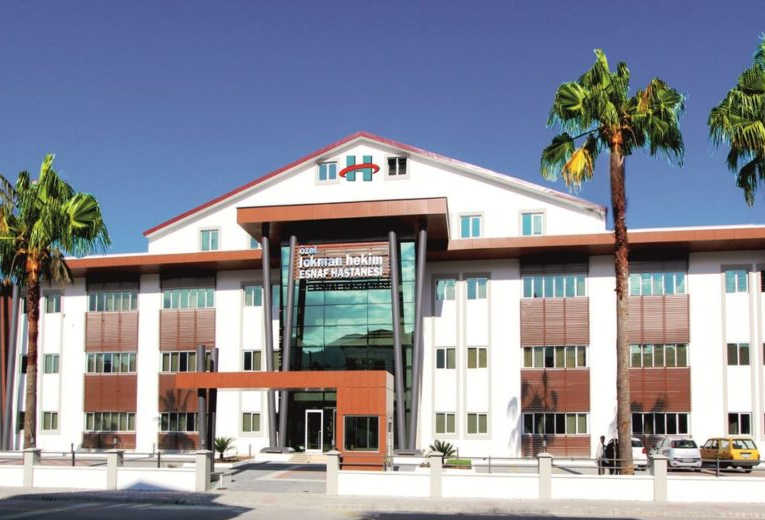
Craniotomy in Lokman Hekim Esnaf Hospital: Costs, Top Doctors, and Reviews

Fethiye, Turkey

  • Joint Commission International, or JCI

Types of Craniotomy in Lokman Hekim Esnaf Hospital and its associated cost

Treatment OptionApproximate Cost Range (USD)Approximate Cost Range (TRY)
Overall Craniotomy Surgery14818 - 19240434439 - 576752
Extended Bifrontal Craniotomy9115 - 19046265782 - 569592
Supra-Orbital Craniotomy9725 - 16605288283 - 497521
Retro Sigmoid Craniotomy11245 - 19447338714 - 571849
Orbitozygomatic Craniotomy11020 - 18205339518 - 564616
Translabyrinthine Craniotomy11004 - 17722344060 - 542216
Pterional Craniotomy9951 - 16588301246 - 515307
Suboccipital Craniotomy10020 - 15649302094 - 476617
  • Address: Tuzla, Private Lokman Hekim Esnaf Hospital, 54. Sokak, Fethiye/Mula, Turkey
  • Facilities related to Lokman Hekim Esnaf Hospital: Choice of Meals, Interpreter, SIM, TV inside room, Accommodation
Craniotomy in Meliva Kardiolita Hospital, Kaunas: Costs, Top Doctors, and Reviews

Kaunas, Lithuania

  • Joint Commission International, or JCI

Apart from in-detail treatment procedures available, Kardiolita Hospital, Kaunas located in Kaunas, Lithuania has a wide variety of facilities available for International Patients. Some of the facilities which are provided by them are Accommodation, Airport Transfer, Choice of Meals. Also listed below are some of the most prominent infrastructural details:

  • An outpatient department, 56-beds for inpatients
  • 13 advanced operation theatres
  • 24-hour intensive care unit
  • Emergency Department
  • Gynecology Center
  • Vascular Center
  • ENT Center
  • Neurology Center
  • General and Abdominal Surgery Center
  • The staff also takes care of your air travel and pick & drop facility
  • Gynecology Center
  • Vascular Center
  • ENT Center
  • Neurology Center
  • General and Abdominal Surgery Center
  • The staff also takes care of your air travel and pick & drop facility
Craniotomy in Sagrat Cor University Hospital: Costs, Top Doctors, and Reviews

Barcelona, Spain

The Hospital is an amalgamation of a group of buildings located in the Eixample Left of Barcelona, ??between Paris, Viladomat, and London streets. It has a capacity of 350 adjustable beds and first-class hotel-like services inpatient rooms. Currently, it has a workforce of about 1100 Healthcare Professionals. 

In order to treat patients with intensive care, the Hospital has 10 beds in its ICU for critically ill patients. 

The Hospital has launched a few more things to improve customers’ services- 4 new Operating Rooms and a New Diagnostic Imaging Service.

Other Services

  • Surgical Block with 13 major surgery operating rooms, 5 operating rooms for Minor Surgeries, 1 for Dermatology Service
  • The Non-Admitted Surgery Unit (UCSI) Major Outpatient Surgery (CMA) has a total of 14 units to care for major surgery patients who do not require admission to hospitalization
  • Rehabilitation Center with treatment boxes and group therapy room, Gym, Medical visit offices, priests rooms, waiting rooms, and others 
  • 7 Examination Cabinets 
  • The pediatric patients waiting room 
  • Emergency Center-12 emergency boxes, 1 double resuscitation box, and 7 rapid visit offices

Types of Room

Double Rooms, Double Rooms for Individual Use, and Single Rooms; equipped with an easy-to-use electrical movement control system and a nursing call/warning system, located at the head of the bed, a sofa-bed for the companion, and a bathroom with a shower. They are also equipped with television and telephone.

A cafeteria/Restaurant is also available for the patients or visitors.

Craniotomy in The Alexandra Hospital: Costs, Top Doctors, and Reviews

Cheadle, United Kingdom

  • National Accreditation Board for Hospitals & Healthcare Providers (NABH)

The Alexandra Hospital has access to modern equipment and private facilities for patients in Manchester, Stockport, and Cheshire. The hospital offers Outpatient Services to children from 0-18 years and day-case inpatient procedures for 3-18 years.

Established in 1981, the hospital is a 128-bedded facility offering treatments in more than 20+ specialties. The hospital has a friendly and caring staff. Equipped with world-class technology, the hospital is known for safe and effective outcomes across a wide range of treatments-from complex cases to minor surgery.

The Alexandra Hospital has dedicated radio imaging and biochemistry departments offering a wide range of tests being performed like X-ray, Ultrasound, CT Scan, MRI, DEXA Scan, etc.

The hospital ensures patient safety and provides an ideal environment with trained and experienced staff and a resident team available for 24 hours.

The hospital has efficient patient care that works hard to make each patient's time as pleasant as possible.

Craniotomy in Max Super Specialty Hospital, Shalimar Bagh: Costs, Top Doctors, and Reviews

Delhi, India

  • National Accreditation Board for Hospitals & Healthcare Providers (NABH)
  • National Accreditation Board for Testing and Calibration Laboratories (NABL)

Types of Craniotomy in Max Super Specialty Hospital, Shalimar Bagh and its associated cost

Treatment OptionApproximate Cost Range (USD)Approximate Cost Range (INR)
Overall Craniotomy Surgery5098 - 10155416514 - 833824
Extended Bifrontal Craniotomy3058 - 8098250867 - 666294
Supra-Orbital Craniotomy3567 - 7632290013 - 625074
Retro Sigmoid Craniotomy4581 - 9145374732 - 750683
Orbitozygomatic Craniotomy4551 - 9666374228 - 793443
Translabyrinthine Craniotomy4573 - 9624373827 - 787550
Pterional Craniotomy4041 - 8632331580 - 710786
Suboccipital Craniotomy4046 - 8629333701 - 706388
  • Address: Max Super Speciality Hospital, Shalimar Bagh, Max Wali Road, C and D Block, Shalimar Place Site, Shalimar Bagh, New Delhi, Delhi, India
  • Facilities related to Max Super Specialty Hospital, Shalimar Bagh: Post operative followup, Mobility Accessible Rooms, Online Doctor Consultation, Air Ambulance, Religious Facilities
Craniotomy in Amrita Hospital: Costs, Top Doctors, and Reviews

Faridabad, India

  • National Accreditation Board for Hospitals & Healthcare Providers (NABH)

Founded in 1998 by Mata Amritanandamayi (Amma), the Amrita Institute of Medical Sciences and Research Centre is one of India’s leading healthcare institutions, accredited by ISO, NABH, and NABL. With 2 branches, 7 medical colleges, and a network of 800+ doctors and 2,600+ beds, it offers comprehensive care across 81 specialties and 12 super-specialty departments, supported by 60+ modern operating theatres and 534 critical care beds. The Faridabad campus, a world-class multispeciality facility, houses advanced centers for oncology, neurosciences, cardiac sciences, gastro-sciences, mother and child care, and trauma care, along with India’s most comprehensive infectious disease unit. Guided by a mission of compassion and innovation, Amrita Hospitals combine cutting-edge medicine with humanitarian service to empower communities and promote holistic well-being.

Craniotomy in Rajagiri Hospital: Costs, Top Doctors, and Reviews

Kochi, India

  • Joint Commission International, or JCI
  • Rajagiri Hospital, Kochi, Kerala, is a leading multi-speciality tertiary care hospital known for providing world-class medical services with advanced technology and compassionate care.
  • Accredited by JCI, NABH, and NABL, the hospital offers comprehensive treatment across specialities like Cardiology, Oncology, Neurology, Gastroenterology, Orthopaedics, Nephrology, Urology, and Paediatrics, making it a trusted healthcare destination in South India.
Craniotomy in Bukit Tinggi Medical Centre: Costs, Top Doctors, and Reviews

Kuala Lumpur, Malaysia

As a tertiary care hospital, Bukit Tinggi Medical Centre (BTMC) is committed to providing high-quality, reasonably priced healthcare.

With a focus on patient care and a team of committed medical professionals and personnel, we want to realize our ambition of becoming Klang's go-to healthcare provider. Orthopedics, neurosurgery, cardiac surgery, obstetrics and gynecology, pediatrics and rehabilitation, aesthetic surgery, and other specialties are all part of our multidisciplinary team approach. Additionally, BTMC has a Health Screening Center that provides a range of health packages to meet the requirements of diverse patient types.

Need Some Advice From Our Experts?

Request a Call Back Now!

Our team of healthcare experts would be happy to assist you

trusted Patientstrusted Patients+99
Trusted by 50000+ Patients
Required | alphabets and spaces
Required | A valid, working email address
Required | A valid contact

Process Involved for Craniotomy

  • Pre-Surgical Preparation: Imaging studies of the brain (CT, MRI, angiogram), blood work, and anesthesia evaluation to assess risk and plan the procedure.
  • Surgery Pathway: A scalp incision is made, the bone flap is removed, and the procedure (tumor removal, aneurysm repair, hemorrhage evacuation) is performed.
  • Post-Surgical Recovery: Monitoring in the ICU, pain management, and rehabilitation (physical/speech therapy) initiate recovery that allows gradual return to activities.

It is recommended for individuals with:

  • Brain tumor
  • Traumatic Brain Injury (TBI)
  • Aneurysms & Arteriovenous Malformations (AVMs)
  • Epilepsy Surgery
  • Hydrocephalus
  • Brain Abscess or Infection
  • Parkinson's Disease or Movement Disorders
  • Stereotactic Brain Surgery
  • Shunt Placement
  • Deep Brain Stimulation (DBS)
  • Endovascular Procedures
  • It treats life-threatening brain conditions, such as tumors, hemorrhages, and aneurysms.
  • It reduces brain pressure and preserves neurological function.
  • Improves seizure control and movement disorders in selected cases.
  • Excellent enhancement of overall brain function and quality of life after successful treatment.
  • Neurosurgeon
  • Neurologist
  • Rehabilitation Specialist
  • Fill out the inquiry form: Fill out the form to provide us with the relevant information about your condition.
  • Consult with Our Healthcare Expert: One of our qualified specialists will contact you for a consultation.
  • Receive a Detailed Treatment Plan: After examining your situation, we will provide you with a detailed treatment plan that includes expert views and cost breakdowns for various choices.
  • Choose your preferred option: Choose the treatment option that suits you the best.

Instantly Connect with our Craniotomy Specialists

Doctor 1
Doctor 2
Doctor 3
Doctor 4
Doctor 5
Doctor 6
Doctor 7
Doctor 8
Our Services to Better your Experience

Opinion & Option

We submit the most accurate opinion and options from one or more countries for your review

Consult Privately

Consult with a certified specialist privately on our telemedicine platform even before you decide to travel

Logistics

We handle flights, visas, transfers, and accommodation—so you can focus on your health.

Recovery

Our In-house rehabilitation service packages to better your recovery and treatment outcome

Get Insight with our Blogs

Life After Craniotomy Treatment: What to Expect in the Long Term
Neurology

Life After Craniotomy Treatment: What to Expect in the Long Term

A craniotomy is a necessary neurosurgical procedure that requires a portion of the skull to be removed temporarily to access the brain for treatment (tumor resection, aneurysm repair,

Published: 17 Feb, 2026
Updated: 21 May, 2026

Author

Fauzia Zeb Fatima
Fauzia Zeb Fatima

M.Pharm

4 Years of Experience

Fauzia Zeb is a distinguished medical and scientific content writer with a robust academic foundation in pharmaceutical sciences, holding a B.Pharm and M.Pharm degree from prestigious institutions, including MIT and Jamia Hamdard University. Her comprehensive expertise in pharmacology, clinical sciences, and biomedical research enables her to translate complex medical and scientific concepts into precise, evidence-based content tailored for diverse audiences. Specializing in peer-reviewed articles, clinical blog posts, and research-driven publications, she demonstrates a consistent ability to bridge the gap between advanced medical science and accessible, audience-specific communication.. View More

Reviewer

⁠Dr Rakesh Kumar Dua

Spine & Neurosurgeon

25 Years of Experience

Dr. Rakesh Dua has more than 25+ years of clinical experience in spine surgeries. He is currently providing his services as Director, Neuro & Spine Surgery at Fortis Hospital, Shalimar Bagh. Before joining Fortis Hospital, he was associated with Max super-specialist Hospital, Shalimar Bagh as Director Neurosurgery & Head Neuro Spine, and with UCMS & GTB hospital as head of the neurosurgery department. View More

Last Reviewed - January 2026