Your Notifications
All done, no notifications

445 Specialists

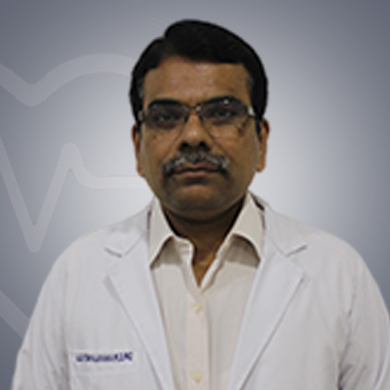
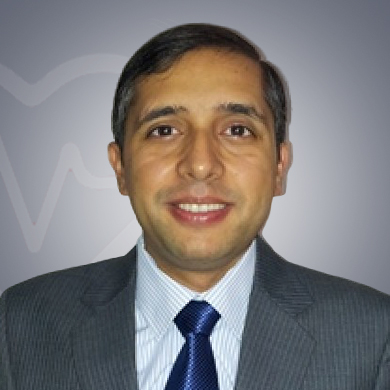
Dr. Vijay Kumar Sinha

Nephrologist

, Noida, India

15 Years of experience

Speaks: Hindi , English


Dr Vijay Kumar Sinha is one of the top Nephrologist in Noida, India. The doctor holds over 15 years of experience and is associated with Jaypee Hospital.

Association and Memberships Dr. Vijay Kumar Sinha is part of:

  • Indian Society of Nephrology
  • Indian Society of Organ transplant
  • Peritoneal Dialysis Society of India
  • National Academy of Medical Sciences

Qualifications :

  • MBBS - Calcutta University
  • MD (Medicine) - Patna University
  • DNB (Nephrology) - Apollo Hospital, New Delhi

Hospital Address :

Jaypee Hospital Parking Lot, Noida-Greater Noida Expy, Goberdhanpur, Sector 128, Noida, Uttar Pradesh, India

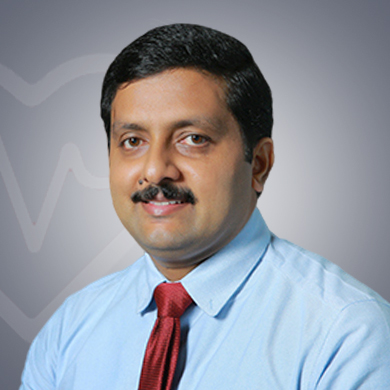
Dr. E Ram Prasad

Nephrologist

, Chennai, India

23 Years of experience

Speaks: Tamil , English


Dr E Ram Prasad is one of the foremost Nephrologist in Chennai, India. The doctor holds over 10 years of experience and is associated with Sri Ramachandra Medical Centre .

Association and Memberships Dr. E Ram Prasad is part of:

  • Association of Physician of India
  • Nephrology association of Tamil Nadu and Pondicherry.

Qualifications :

  • MD (General Medicine)
  • DM (Nephrology)

Hospital Address :

Sri Ramachandra Medical Centre, Sri Ramachandra Nagar, Porur, Chennai, Tamil Nadu, India

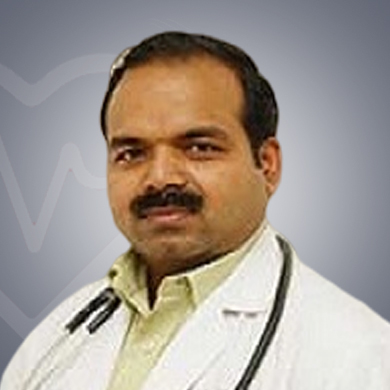
Dr. Alka Bhasin

Nephrologist

, Delhi, India

30 Years of experience

Speaks: Hindi , English


Dr Alka Bhasin is one of the most sought after Nephrologist in New Delhi, India. The medical specialist holds over 27 years of experience and is associated with Max Smart Super Speciality Hospital.

Association and Memberships Dr. Alka Bhasin is part of:

  • Delhi Medical Council
  • Indian Society of Nephrology (ISN)
  • Indian Society of Organ Transplantation (ISOT)
  • Indian Society of Peritoneal Dialysis
  • Indian Society of Hemodialysis

Qualifications :

  • MBBS

Hospital Address :

Max Smart Super Speciality Hospital, PRESS ENCLAVE ROAD, Saket Institutional Area, Saket, New Delhi, Delhi, India

Do you know?

Using MediGence’s Telemedicine Platform, you can book a personalized video consultation with renowned doctors around the world

Explore Telemedicine Platform
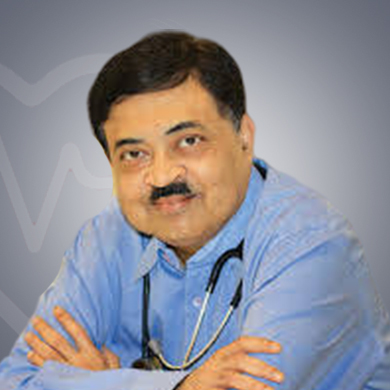
Dr. Amit Sharma

Nephrologist

, Mohali, India

24 Years of experience

Speaks: Hindi , English


Dr Amit Sharma is one of the best Nephrologist in Mohali, India. The medical practitioner holds over 18 years of experience and is associated with Fortis Hospital.

Association and Memberships Dr. Amit Sharma is part of:

  • Punjab Medical Council

Qualifications :

  • MBBS
  • DNB
  • MD

Hospital Address :

Fortis Hospital Mohali, Sector 62, Sahibzada Ajit Singh Nagar, Punjab, India

What is the medical expertise of Dr Amit Sharma?

  • With 18 years of experience, Dr Amit Sharma is a respected nephrologist specializing in kidney transplantation, renal diseases, kidney stones, peritoneal dialysis, and hemodialysis.
  • He was the recipient of the Fellowship of the American Society of Nephrology(FASN) and holds membership in the European Renal Association.
  • He is registered with the Punjab Medical Council.
  • Dr Sharma has published his research in reputed national and international journals. His publications are:
    1. Larkin J, Bea L, Sharma A. A cost-effective complement to managing the vitamin D deficient and anaemic dialysis patient in the bundled world. Nephrol News Issues. 2012 Jul;26(8):22-4, 26.
    2. Sharma A, Vanderhalt K, Ryan KJ, Sclafani J. Refining the approach to IV iron use in hemodialysis patients: a post-DRIVE analysis. Nephrol News Issues. 2010 Apr;24(4):22-6, 29-35.
    3. Sharma A, Gadepally P. Nutritional therapy to attenuate inflammation in HD patients: fact or fiction? Nephrol News Issues. 2010 Jan;24(1):26-9.
Dr. Vinod Kumar K

Nephrologist

, Kochi, India

20 Years of experience

Speaks: Hindi , English


Dr Vinod Kumar K is one of the best Nephrologist in Kochi, India. The medical specialist holds over 15 years of experience and is associated with Aster Medicity.

Association and Memberships Dr. Vinod Kumar K is part of:

  • Royal college of Physicians (UK)

Qualifications :

  • MBBS
  • MD
  • DNB

Hospital Address :

Aster Medcity Hospital, South Chittoor, Kochi, Kerala, India

Dr. Aswini Kumar Panigrahi

Nephrologist

, Hyderabad, India

19 Years of experience

Speaks: Hindi , English


Dr Aswini Kumar Panigrahi is one of the most skillful Nephrologist in Hyderabad, India. The medical specialist holds over 16 years of experience and is associated with Apollo Hospitals.

Association and Memberships Dr. Aswini Kumar Panigrahi is part of:

  • International Society of Nephrology (ISN)

Qualifications :

  • MBBS
  • MD
  • DNB

Hospital Address :

Apollo Hospitals Jubilee Hills, Film Nagar, Hyderabad, Telangana, India

Dr. K Mahesh Prasad

Nephrologist

, Mumbai, India

25 Years of experience

Speaks: Hindi , English


Dr K Mahesh Prasad is one of the leading Nephrologist in Mumbai, India. The medical specialist holds over 19 years of experience and is associated with Sterling Wockhardt Hospital .

Association and Memberships Dr. K Mahesh Prasad is part of:

  • Indian Society of Nephrology

Certifications :

  • Training in Interventional nephrology from Australia

Qualifications :

  • MBBS
  • MD
  • DNB

Hospital Address :

Sterling Wockhardt Hospital, Sion - Panvel Expressway, Sector 7, Vashi, Navi Mumbai, Maharashtra, India

Dr. Vikas Jain

Nephrologist

, Delhi, India

25 Years of experience

Speaks: Hindi , English


Dr. Vikas Jain is one of the most sought-after Renal Transplant Surgeon in New Delhi, India. The doctor holds over 15 years of experience and is associated with Fortis Hospital, Shalimar Bagh

Dr. V Chandrasekaran

Nephrologist

, Chennai, India

31 Years of experience

Speaks: Tamil & English


Dr. V Chandrasekaran is one of the most skillful Nephrologist in Chennai, India. The medical specialist holds over 23 years of experience and was associated with Global Health City.

Association and Memberships Dr. V Chandrasekaran is part of:

  • International Society of Nephrology
  • Association of Physicians of India
  • Indian Medical Association
  • Indian Society of Nephrology

Qualifications :

  • DNB
  • MD
  • MBBS

Medical Expertise of Dr. V Chandrasekaran

  • Expertise in Kidney transplantation, kidney stone removal, nephrotic syndrome, and diabetes.
  • Chronic renal failure, urinary tract infections, and kidney illnesses are among his specialties.
  • Dr. V Chandrasekaran has 29 years of total experience and 19 years as a nephrologist and renal specialist.
  • Member of the International Society of Nephrology (ISN), the Indian Society of Nephrology (ISN), the Association of Physicians of India (API), and the Indian Medical Association (IMA).
  • MBBS, TMC, Thanjavur, MD, MMC, Chennai, DNB in Nephrology, the National Board of Examination, New Delhi, and DM in Nephrology, MMC, Chennai.
Dr. Salil Jain

Nephrologist

, Gurgaon, India

25 Years of experience

Speaks: Hindi , English


Dr Salil Jain is one of the leading Nephrologist in Gurugram, India. The medical practitioner holds over 22 years of experience and is associated with Fortis Memorial Research Institute.

Association and Memberships Dr. Salil Jain is part of:

  • Indian Society of Nephrology (ISN)
  • Indian Society of Organ Transplantation (ISOT)
  • American Society of Transplant
  • European Dialysis and Transplant Association

Qualifications :

  • MBBS
  • MD
  • DNB

Hospital Address :

FMRI, Sector 45, Gurugram, Haryana, India

Dr. Uma Kishore

Nephrologist

, Noida, India

25 Years of experience

Speaks: Hindi , English


Dr Uma Kishore is one of the best Nephrologist in Noida, India. The clinician holds over 18 years of experience and is associated with Metro Hospital.

Association and Memberships Dr. Uma Kishore is part of:

  • Delhi Medical Council

Qualifications :

  • MD
  • MBBS

Hospital Address :

Metro Hospital & Heart Institute, Buddh Vihar, Block X, Sector 12, Noida, Uttar Pradesh, India

Medical Expertise of Dr. Uma Kishore

  • Medical expertise in Nephrology and has performed operations such as plasmapheresis, SCUF, and haemofiltration.
  • He has exceptional training in CAPD and is capable of Implant Peritoneal Catheters of every kind.
  • Dr. Uma Kishore has had extensive training and is capable of running a dialysis unit on his own.
  • Dr. Kishore has implanted over 120 catheters and is also capable of doing a kidney biopsy, treatment of nephritis and nephritic disorders in various forms.
  • The specialist has done his MBBS - JLNMCH , Bhagalpur and MD (Internal Medicine) - RIMS, Ranchi.
  • He is credited with many research articles and papers in international and national journals.
Dr. Ramanjaneyulu Erukulla

Hepatologist

, Hyderabad, India

21 Years of experience

Speaks: Telugu , English


Dr Ramanjaneyulu Erukulla is one of the leading Gastroenterologist in Hyderabad, India. The medical specialist holds over 21 years of experience and is associated with Star Hospitals.

Association and Memberships Dr. Ramanjaneyulu Erukulla is part of:

  • Indian Society of Gastroenterology (ISG)
  • Society of Gastrointestinal Endoscopy on India (SGEI)

Qualifications :

  • MBBS
  • MD

Hospital Address :

Star Hospitals, Banjara Hills, Hyderabad, Telangana, India

Medical Expertise of Dr. Ramanjaneyulu Erukulla

  • Dr. Ramanjaneyulu Erukulla focuses in Gastroenterology & Hepatology
  • Dr. Ramanjaneyulu specializes in treatment of all disorders related to liver, gallbladder, biliary tree, pancreas, stomach and intestines.
  • His expertise lies in Diagnostic and Therapeutic Endoscopy, Colonoscopy and Therapeutic ERCP.
  • Dr. Ramanjaneyulu Erukulla is a well known transplant surgeon from Telangana
    He earned his MBBS from Osmania Medical College, MD from NIMS, and DM in Gastroenterology from Osmania Medical College.
  • He is considered to be the most recommended & experienced Gastroenterologist in the twin cities (Hyderabad and Secundrabad).
  • He earned accreditation from the Indian Society of Gastroenterology, and the Society of Gastrointestinal Endoscopy of India.
  • He has conducted many clinical trials and published papers in national and international journals.
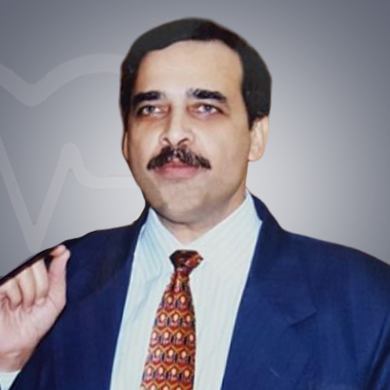
Dr. Dinesh Khullar

Nephrologist

, Delhi, India

30 Years of experience

Speaks: Hindi , English


Dr Dinesh Khullar is one of the foremost Nephrologist in New Delhi, India. The medical specialist holds over 25 years of experience and is associated with Max Super Speciality Hospital, Saket.

Association and Memberships Dr. Dinesh Khullar is part of:

  • International Society of Nephrology

Qualifications :

  • MBBS
  • MD

Hospital Address :

Max Smart Super Speciality Hospital, PRESS ENCLAVE ROAD, Saket Institutional Area, Saket, New Delhi, Delhi, India

Medical Expertise of Dr. Dinesh Khullar

  • Medical expertise comprises the most difficult Kidney transplants.
  • ABO-incompatible recipients, transplants of highly sensitised recipients, and high-risk transplants with substantial co-morbidities.
  • He has over 25 years of expertise as a renal transplant physician.
  • He has been instrumental in over 5000 successful kidney transplants, including over 1200 at Max Hospital in Saket.
  • For the first time in north India, he is credited with establishing an online hemodiafiltration unit for advanced and state-of-the-art dialysis.
  • Dr. Khullar has been involved in a variety of research projects and has served as a national lead investigator in many clinical trials, like the groundbreaking DAPA-CKD and Transform.
  • He is well qualified with an MBBS, M.D. (Medicine) from DMC & Hospital, Ludhiana (Punjab University) and D.M. (Nephrology) from PGIMER Chandigarh.
Dr. Abhay Huprikar

Nephrologist

, Pune, India

34 Years of experience

Speaks: Hindi , English


Dr Abhay Huprikar is one of the most skillful Nephrologist in Pune, India. The clinician holds over 31 years of experience and is associated with Ruby Hall Clinic.

Association and Memberships Dr. Abhay Huprikar is part of:

  • International Society of Nephrology (ISN)
  • Indian Society of Organ Transplantation (ISOT)

Qualifications :

  • MBBS
  • MD
  • DNB

Hospital Address :

Ruby Hall Clinic, Sassoon Road, Sangamvadi, Pune, Maharashtra, India

What is the medical expertise of Dr Abhay Huprikar?

  • Dr Abhay Huprikar is a prominent nephrologist with over 30 years of experience. His areas of expertise include chronic kidney disease treatment ( CKD), hemodialysis, nephrectomy, and peritoneal dialysis.
  • He is registered with the Maharashtra Medical Council and is affiliated with organizations such as the International Society of Nephrology and the Indian Society of Organ Transplantation.
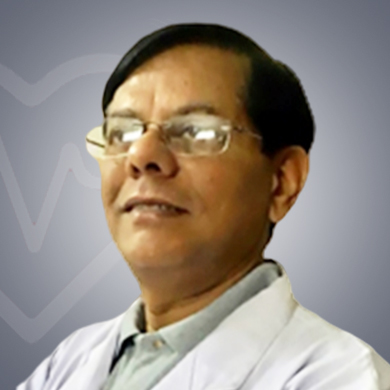
Dr. R K Saxena

Hepatologist

, Noida, India

32 Years of experience

Speaks: Hindi , English


Dr R K Saxena is one of the most sought after Renal Transplant Surgeon in Noida, India. The clinician holds over 32 years of experience and is associated with Metro Hospital.

Association and Memberships Dr. R K Saxena is part of:

  • Association of Surgeons of India
  • Indian Society of Nephrology
  • Indian Society of Organ Transplant

Qualifications :

  • MBBS
  • MS
  • DNB

Hospital Address :

Metro Hospital & Heart Institute, Buddh Vihar, Block X, Sector 12, Noida, Uttar Pradesh, India

Online Appointments with Top Transplant Surgeon

About Transplant Surgeon

A transplant surgeon is a doctor specializing in the transplant surgeries and post-operative care of the patients who need to undergo surgical procedures such as kidney, liver, pancreas or heart. Transplant surgeries are either life saving, for instance liver transplantation or life prolonging as in case of kidney transplantation.

Transplant surgeons first do a general surgical evaluation of the patient to assess the risks and evaluate the benefits of the surgery. They then consult the case with other doctors and healthcare specialists from multiple disciplines such as hepatologists, nephrologists, and diabetologists, immunologists and scientists before making the decision about the surgery and the approach to be followed for the surgery. The surgeon not just examines and assess the patient before the examination but even after the transplant procedure is completed and the patient has been discharged.

Procedures Performed

  • Heart transplant
  • Lung transplant
  • Liver transplant
  • Pancreas transplant
  • Cornea transplant
  • Trachea transplant
  • Kidney transplant
  • Skin transplant
  • Vascular tissues transplant
  • Skin graft
  • Blood vessel graft
  • Bone graft
  • Bone marrow graft

Top Transplant Surgeons

DoctorAssociated Hospital
Dr. Sumant GuptaSarvodaya Hospital and Research Centre, Faridabad
Dr. Vibha VarmaMax Super Specialty Hospital, Vaishali, Ghaziabad
Dr. Ozan OzkayaIstinye University Bahcesehir - LIV Hospital, Istanbul
Dr. Bhaskar NandiSarvodaya Hospital and Research Centre, Faridabad
Dr. Himmet Bora UsluIstinye University Bahcesehir - LIV Hospital, Istanbul
Dr. Shri Ram KabraSarvodaya Hospital and Research Centre, Faridabad
Dr. Nitin SoodMedanta - The Medicity, Gurugram
Dr. Havva EvrengulIstinye University Bahcesehir - LIV Hospital, Istanbul

About Transplant Surgeon

Which are the countries where we can find Transplant Surgeon?

Popular Transplant Surgeon in Top Countries are :

Type of Transplant Surgeon available Worldwide?

Top Speciality Doctors Worldwide:

  • Kidney Transplant Surgeon
  • Hematologist
  • Nephrologist
  • Liver Transplant Surgeon
  • Stem Cells Therapy

Top Rated Hospitals Where We Can Find Transplant Surgeon Worldwide?

List of Top Rated Hospitals where we can find Transplant Surgeon Worldwide are as followed:

Can we get the list of Transplant Surgeon worldwide in any other language?

Yes, we provide the list of Transplant Surgeon worldwide in the following languages:

Get Insight with our Blogs

Frequently Asked Questions
Who are the top Transplant Surgeons in All offering online consultation?

Listed below are some of the top transplant surgeon available for online consultation:

Which are some of the best hospitals Transplant Surgeons are associated with?
Who is a Transplant Surgeon?

A transplant surgeon has special training in transplantation surgery which involves replacing a patient's organ with a donor organ. A transplant surgeon performs transplants of various organs, such as kidneys, livers, hearts, lungs, the pancreas, the intestine, and recently tracheal tissue, faces, and the penis.

A transplant surgeon first does a general surgical evaluation of the patient to assess the possible risks and also evaluate the benefits of transplant surgery. They may consult the case with other doctors from multiple disciplines nephrologists, hepatologists, diabetologists, immunologists, and scientists before making any decision about the surgery and the approach for the surgery. The surgeon not just assesses the patient before the examination but also after the transplant surgery is completed and the patient is discharged.

What are the qualifications of a Transplant Surgeon?

The training and education received by a transplant surgeon are extensive. The education starts with a five-and-a-half-year MBBS course after completion of high school. After gaining this degree, the student then obtains MD or DO degree from an accredited medical school. During this period, the student is trained in basic medical care in both clinical and classroom settings. After completing medical school, the student needs to complete a residency program in general surgery.

Residencies in general surgery typically last five years and consist of a curriculum of clinical rotations in a wide range of surgical disciplines. The physician is trained in the different caveats of surgery including complex general surgical oncology, vascular operations, critical care, trauma management, transplant surgery, hand surgery as well as pediatric surgery. Residents in general surgery also do daily interaction with patients to improve their communication skills.

After completion of the residency program, the doctor must then complete fellowship training in transplant surgery. They are trained as well as educated in all the areas of transplant surgery with a focus on pathology, physiology, immunology, and anatomy specifically related to diagnoses and treatments of the final stages of organ failure and diseases. The surgeon will get specialized training in surgical transplantation of organs, and any related procedures that might be necessary when completing a transplant. Physicians also have exposure to operations like liver and kidney transplants, which are two of the most common in the discipline.

What conditions do Transplant Surgeons treat?

Organ transplantation is used if a patient is suffering from a very critical condition or is facing an organ failure. Such patients are mostly suggested to have a transplant so that their affected organ is replaced with a healthy, functioning organ. Below are some of the common conditions which are treated by an organ transplant surgeon.

  • Congenital renal obstructive disorders
  • Congenital nephrotic syndrome
  • Alport syndrome
  • Nephropathic and juvenile cystinosis
  • Polycystic kidney disease
  • Nail-patella syndrome
  • Glomerulonephritis
  • Berger disease
  • Henoch-schönlein purpura
  • Hemolytic uremic syndrome
  • Wegener granulomatosis
  • Goodpasture syndrome
  • Leukemias
  • Severe aplastic anemia
  • Lymphomas
  • Multiple myeloma
  • Immune deficiency disorders
  • Some solid-tumor cancers
  • Severe cystic fibrosis
  • Pulmonary fibrosis
  • Bronchopulmonary dysplasia or chronic obstructive pulmonary disease (COPD)
  • Sarcoidosis, histiocytosis, and lymphangioleiomyomatosis
  • Congenital heart defect
  • Abnormal heart rhythms
  • Ventricular arrhythmias
  • Heart valve disease
  • Coronary artery disease
  • Cardiomyopathy
  • Liver cancer, hepatitis C, HIV
What diagnostic tests are required by a Transplant Surgeon?

Regardless of the type of transplant you may undergo, special blood tests and other diagnostic tests are performed to know if you are fit for a transplant. Blood tests are also needed to determine the kind of tissue and blood you have. These test results help to match a donor kidney to your body.

  • Blood Type Testing
  • Human leukocyte antigens (tissue typing)
  • MVO2 (exercise stress test)
  • Chest x-ray
  • Pulmonary function tests
  • Echocardiogram
  • Electrocardiogram
  • Heart catheterization
  • Bilateral lower extremity Doppler, carotid Doppler
  • Ultrasound of the abdomen/pelvis
  • Pulmonary Function Tests
  • Radiographic Studies (X-rays)
  • Computerized Tomography (CT Scan)
  • Ventilation Perfusion Scan (V/Q Scan, Lung Scan)
  • Electrocardiogram
  • Echocardiogram
  • Radionuclide Ventriculography
  • Colonoscopy
  • Chest X-ray, PET scan, heart tests, and a bone marrow biopsy
When should you visit a Transplant Surgeon?

There are a number of reasons why you should visit a transplant surgeon.Transplantation is not a common procedure and might be recommended in case of critical conditions or organ failure.Your primary will refer you see a transplant surgeon if you experience the below-listed symptoms:

  • Heart attack (myocardial infarction)
  • Congenital heart defects
  • Irregular heartbeats (arrhythmias)
  • High blood pressure in the lungs
  • Viral infection of the heart muscle
  • High blood pressure
  • Oximeter (O2) measurements of less than 90% at movement
  • Forced Vital Capacity (FVC) of 60% or less
  • Results of your CT scan
  • Jaundice
  • Enlarged liver
  • Cholestasis
  • Heart valve disease
  • Shortness of breath, fatigue
  • Dizziness, fainting,
  • Arterial blood gas of 60mlhg at rest
  • End-stage renal disease
  • Aplastic anemia
  • Leukemia, lymphoma, and multiple myeloma
  • Damaged bone marrow due to chemotherapy
What can you expect from your first visit with a Transplant Surgeon?

A transplant surgeon will evaluate your health condition to know if you are fit for transplant. The doctor will ask you a few questions related to your symptoms to know the severity of the health condition you are suffering from. They will order a few diagnostic tests to do a complete analysis of the consequences of transplant if any. If the transplant surgeon finds that transplant can have a harmful effect on your health, they will recommend alternative treatment options or will tell you to wait for some time so that you become fit for the transplant.

In addition to tests and physical exams, you could get a lot of information at your first appointment. You may need to bring a family member or friend along with you. The person you bring can help ask questions, listen, and take notes.

Which are the most common procedures performed by a Transplant Surgeon?

Some common procedures performed by a transplant surgeon are listed below:

  • Skin transplant
  • Vascular tissues transplant
  • Skin graft
  • Blood vessel graft
  • Bone graft
  • Bone marrow graft
  • Heart transplant
  • Lung transplant
  • Liver transplant
  • Pancreas transplant
  • Cornea transplant
  • Trachea transplant
  • Kidney transplant

FAQs related to

Who is a Transplant Surgeon?

A transplant surgeon has special training in transplantation surgery which involves replacing a patient's organ with a donor organ. A transplant surgeon performs transplants of various organs, such as kidneys, livers, hearts, lungs, the pancreas, the intestine, and recently tracheal tissue, faces, and the penis.

A transplant surgeon first does a general surgical evaluation of the patient to assess the possible risks and also evaluate the benefits of transplant surgery. They may consult the case with other doctors from multiple disciplines nephrologists, hepatologists, diabetologists, immunologists, and scientists before making any decision about the surgery and the approach for the surgery. The surgeon not just assesses the patient before the examination but also after the transplant surgery is completed and the patient is discharged.

What are the qualifications of a Transplant Surgeon?

The training and education received by a transplant surgeon are extensive. The education starts with a five-and-a-half-year MBBS course after completion of high school. After gaining this degree, the student then obtains MD or DO degree from an accredited medical school. During this period, the student is trained in basic medical care in both clinical and classroom settings. After completing medical school, the student needs to complete a residency program in general surgery.

Residencies in general surgery typically last five years and consist of a curriculum of clinical rotations in a wide range of surgical disciplines. The physician is trained in the different caveats of surgery including complex general surgical oncology, vascular operations, critical care, trauma management, transplant surgery, hand surgery as well as pediatric surgery. Residents in general surgery also do daily interaction with patients to improve their communication skills.

After completion of the residency program, the doctor must then complete fellowship training in transplant surgery. They are trained as well as educated in all the areas of transplant surgery with a focus on pathology, physiology, immunology, and anatomy specifically related to diagnoses and treatments of the final stages of organ failure and diseases. The surgeon will get specialized training in surgical transplantation of organs, and any related procedures that might be necessary when completing a transplant. Physicians also have exposure to operations like liver and kidney transplants, which are two of the most common in the discipline.

What conditions do Transplant Surgeons treat?

Organ transplantation is used if a patient is suffering from a very critical condition or is facing an organ failure. Such patients are mostly suggested to have a transplant so that their affected organ is replaced with a healthy, functioning organ. Below are some of the common conditions which are treated by an organ transplant surgeon.

  • Congenital renal obstructive disorders
  • Congenital nephrotic syndrome
  • Alport syndrome
  • Nephropathic and juvenile cystinosis
  • Polycystic kidney disease
  • Nail-patella syndrome
  • Glomerulonephritis
  • Berger disease
  • Henoch-schönlein purpura
  • Hemolytic uremic syndrome
  • Wegener granulomatosis
  • Goodpasture syndrome
  • Leukemias
  • Severe aplastic anemia
  • Lymphomas
  • Multiple myeloma
  • Immune deficiency disorders
  • Some solid-tumor cancers
  • Severe cystic fibrosis
  • Pulmonary fibrosis
  • Bronchopulmonary dysplasia or chronic obstructive pulmonary disease (COPD)
  • Sarcoidosis, histiocytosis, and lymphangioleiomyomatosis
  • Congenital heart defect
  • Abnormal heart rhythms
  • Ventricular arrhythmias
  • Heart valve disease
  • Coronary artery disease
  • Cardiomyopathy
  • Liver cancer, hepatitis C, HIV
What diagnostic tests are required by a Transplant Surgeon?

Regardless of the type of transplant you may undergo, special blood tests and other diagnostic tests are performed to know if you are fit for a transplant. Blood tests are also needed to determine the kind of tissue and blood you have. These test results help to match a donor kidney to your body.

  • Blood Type Testing
  • Human leukocyte antigens (tissue typing)
  • MVO2 (exercise stress test)
  • Chest x-ray
  • Pulmonary function tests
  • Echocardiogram
  • Electrocardiogram
  • Heart catheterization
  • Bilateral lower extremity Doppler, carotid Doppler
  • Ultrasound of the abdomen/pelvis
  • Pulmonary Function Tests
  • Radiographic Studies (X-rays)
  • Computerized Tomography (CT Scan)
  • Ventilation Perfusion Scan (V/Q Scan, Lung Scan)
  • Electrocardiogram
  • Echocardiogram
  • Radionuclide Ventriculography
  • Colonoscopy
  • Chest X-ray, PET scan, heart tests, and a bone marrow biopsy
When should you visit a Transplant Surgeon?

There are a number of reasons why you should visit a transplant surgeon.Transplantation is not a common procedure and might be recommended in case of critical conditions or organ failure.Your primary will refer you see a transplant surgeon if you experience the below-listed symptoms:

  • Heart attack (myocardial infarction)
  • Congenital heart defects
  • Irregular heartbeats (arrhythmias)
  • High blood pressure in the lungs
  • Viral infection of the heart muscle
  • High blood pressure
  • Oximeter (O2) measurements of less than 90% at movement
  • Forced Vital Capacity (FVC) of 60% or less
  • Results of your CT scan
  • Jaundice
  • Enlarged liver
  • Cholestasis
  • Heart valve disease
  • Shortness of breath, fatigue
  • Dizziness, fainting,
  • Arterial blood gas of 60mlhg at rest
  • End-stage renal disease
  • Aplastic anemia
  • Leukemia, lymphoma, and multiple myeloma
  • Damaged bone marrow due to chemotherapy
What can you expect from your first visit with a Transplant Surgeon?

A transplant surgeon will evaluate your health condition to know if you are fit for transplant. The doctor will ask you a few questions related to your symptoms to know the severity of the health condition you are suffering from. They will order a few diagnostic tests to do a complete analysis of the consequences of transplant if any. If the transplant surgeon finds that transplant can have a harmful effect on your health, they will recommend alternative treatment options or will tell you to wait for some time so that you become fit for the transplant.

In addition to tests and physical exams, you could get a lot of information at your first appointment. You may need to bring a family member or friend along with you. The person you bring can help ask questions, listen, and take notes.

Which are the most common procedures performed by a Transplant Surgeon?

Some common procedures performed by a transplant surgeon are listed below:

  • Skin transplant
  • Vascular tissues transplant
  • Skin graft
  • Blood vessel graft
  • Bone graft
  • Bone marrow graft
  • Heart transplant
  • Lung transplant
  • Liver transplant
  • Pancreas transplant
  • Cornea transplant
  • Trachea transplant
  • Kidney transplant