Your Notifications
All done, no notifications

445 Specialists

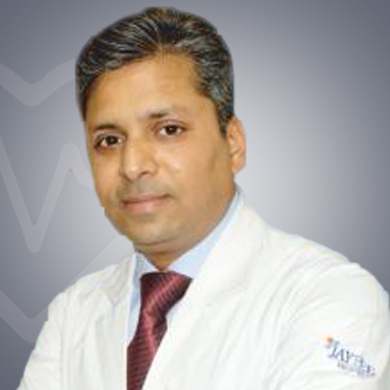
Dr. Ravi Bansal

Nephrologist

, Delhi, India

26 Years of experience

Speaks: Hindi , English


Dr Ravi Bansal is one of the top Nephrologist in New Delhi, India. The medical specialist holds over 23 years of experience and is associated with Pushpawati Singhania Research Institute.

Association and Memberships Dr. Ravi Bansal is part of:

  • Peritoneal Dialysis Society of India (PDSI)
  • Indian Society of Nephrology (ISN)
  • Indian Society of Organ Transplantation (ISOT)
  • Delhi Medical Council

Certifications :

  • Advanced Training in Kidney Transplantation in AZM-Netherland.

Qualifications :

  • MBBS
  • MD
  • DM

Hospital Address :

Pushpawati Singhania Research Institute, Phase II, Sheikh Sarai, New Delhi, Delhi, India

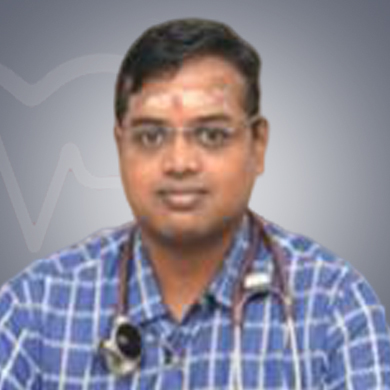
Dr. Divya Bansal

Hematologist

, Delhi, India

21 Years of experience

Speaks: Hindi , English


Dr Divya Bansal is one of the top Hematologist in New Delhi, India. The doctor holds over 10 years of experience and is associated with Manipal Hospital, Dwarka.

Association and Memberships Dr. Divya Bansal is part of:

  • Member of Indian Society of Hematology & Blood Transfusion (ISHBT)
  • Member of American Society of Hematology (ASH)
  • Member of Indian Medical Association (IMA)
  • Member of Delhi Medical Association (DMA)

Certifications :

  • DNB - Pediatrics - Sir Ganga Ram Hospital, New Delhi

Qualifications :

  • MBBS
  • DNB
  • DM

Hospital Address :

Manipal Hospital Dwarka, Palam Vihar, Sector 6 Dwarka, Dwarka, New Delhi, Delhi, India

Medical Expertise of Dr. Divya Bansal

  • Hematopoietic Stem Cell Transplant (BMT), Autologous BMT, and Allogeneic BMT for benign disorders like Thalassemia, Sickle cell anaemia, Aplastic anemia, bone marrow failure syndromes, and Allogeneic BMT for malignant disorders.
  • Hematological disease management, Hemaglobinopathies, Hemophilia & bleeding disorders, Aplastic Anemia & Bone Marrow Failure Syndrome, ITP and Thrombocytopenia’s, Nutritional Anemia, Lymphomas, and Pediatric Hematological Disorders
  • Dr. Divya Bansal has a total experience of 19 Years of which 6 years have been as a specialist.
  • Dr. Bansal is Life Member of ISHBT, Member of ASH, Life Member of IMA, and Life member of DMA.
  • She has been the winner of National Neonatology Quiz.
  • She has also been the Winner of National Pediatric Hematology organization (NPHO) Thalassemia Chelation debate.
  • Dr. Divya Bansal has authored an article explaining each type of cancer and its treatment in the DNA today.
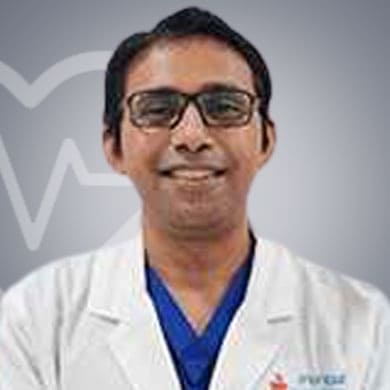
Dr. Shailendra Kumar Singh

Nephrologist

, Delhi, India

14 Years of experience

Speaks: Hindi , English


Dr Shailendra Kumar Singh is one of the top Nephrologist in New Delhi, India. The medical practitioner holds over 12 years of experience and is associated with Manipal Hospital, Dwarka.

Association and Memberships Dr. Shailendra Kumar Singh is part of:

  • Indian Society of Nephrology
  • Indian Society of Organ Transplant
  • Delhi Nephrology Society

Qualifications :

  • MBBS
  • MD
  • DM

Hospital Address :

Manipal Hospital Dwarka, Palam Vihar, Sector 6 Dwarka, Dwarka, New Delhi, Delhi, India

Medical Expertise of Dr. Shailendra Kumar Singh

  • Medical expertise in Hemodialysis, Ureteroscopy (URS), Renal (Kidney) Surgery, Hypertension, Kidney Stones Treatment, and Renal Transplantation.
  • Inherited Kidney Diseases Treatment, Nephritis and Vasculitis Treatment, Polycystic Kidney Disease Treatment, and Chronic Ambulatory Peritoneal Dialysis are other expertise areas.
  • Dr. Shailendra Kumar Singh completed his MBBS (2009), MD (2015), and Doctorate in nephrology (2019).
  • Dr. Shailendra Kumar Singh has 11 years of expertise and is presently associated with Manipal Hospitals Delhi, India.
  • Professional memberships of Indian Society of Nephrology, Indian Society of Organ Transplant, and Delhi Nephrology Society.
  • One research publication that the specialist has contributed in is Gerontolizing nephrology: Spectrum of histopathological findings of kidney biopsy in the elderly [pg. 264].
  • Another one is the Clinicopathological spectrum of newly diagnosed multiple myeloma presenting with severe renal impairment requiring dialysis: A tertiary care centre experience from north India.

Do you know?

Using MediGence’s Telemedicine Platform, you can book a personalized video consultation with renowned doctors around the world

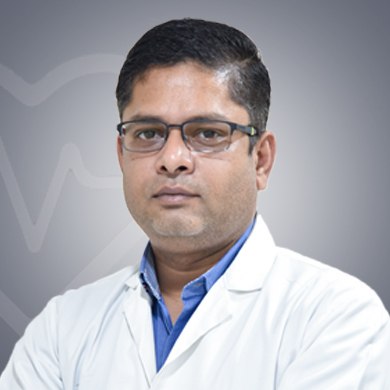
Explore Telemedicine Platform
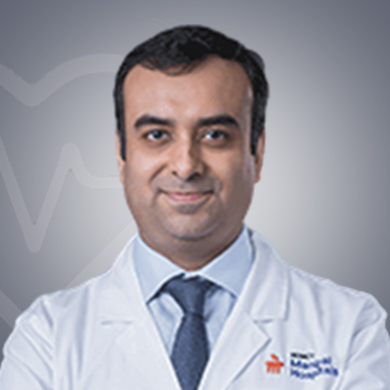
Dr. Peush Bajpai

Radiation oncologist

, Delhi, India

21 Years of experience

Speaks: Hindi , English


Dr Peush Bajpai is one of the foremost Oncologist in New Delhi, India. The doctor holds over 17 years of experience and is associated with Manipal Hospital, Dwarka.

Association and Memberships Dr. Peush Bajpai is part of:

  • European Society of Medical Oncology (ESMO)
  • American Society of Clinical Oncology(ASCO)
  • Indian Society of Medical and Pediatric Oncology (ISMPO)
  • Indian Medical Association (IMA)
  • The Society for Industrial and Organizational Psychology (SIOP)

Certifications :

  • Specialist Accreditation In Medical Oncology
  • DM (Medical Oncology) Cancer Institute, Adyar, Chennai

Qualifications :

  • MBBS
  • MD

Hospital Address :

Manipal Hospital Dwarka, Palam Vihar, Sector 6 Dwarka, Dwarka, New Delhi, Delhi, India

Medical Expertise of Dr. Peush Bajpai

  • Dr. Peush is a cancer specialist with nearly two decades of experience in the fields of gynaecology, breast cancer, and hemato-oncology.
  • Lung cancer, breast cancer, head and neck cancer, gynaecological cancers, GI tract cancers, CNS tumours, haematological malignancies, paediatric oncology, palliative medicine, and bone marrow transplant are among his key clinical interests.
  • Dr. Peush Bajpai is a European Certified Medical Oncologist who specialises in cancer treatment (ECMO).
  • To-date, he has performed more than 150+ procedures in his medical career
  • Dr. Peush has a keen interest in Molecular Oncology, Precision Oncology, Targeted Therapies and Immunotherapies
  • He has six peer-reviewed academic articles to his credit, as well as numerous conference presentations.
  • Dr. Peyush is a member of various professional and scientific organisations, including ASCO, SIOP, IMA, ICON, ESMO, and ISMPO.
Dr. Pawan Kumar Singh

Hematologist

, Noida, India

9 Years of experience

Speaks: Hindi , English


Dr Pawan Kumar Singh is one of the leading Haemato Oncologist in Gurugram, India. The clinician holds over 12 years of experience and was associated with Artemis Health Institute .

Association and Memberships Dr. Pawan Kumar Singh is part of:

  • Indian Journal of Hematology and Blood Transfusion
  • European Hematology Association (EHA)

Qualifications :

  • MBBS
  • MD

Hospital Address :

Artemis Hospitals, Sector 51, Gurugram, Haryana, India

Medical Expertise of Dr. Pawan Kumar Singh

  • Medical expertise includes both BMT and management of adult and paediatric patients.
  • Bone marrow aspiration, PICC line insertion, Hickman line insertion, and lumbar punctures are the popular procedures done by the specialist.
  • Honour of working alongside Dr. Mammen Chandy, who is widely regarded as the "Father of Indian Hematology."
  • Seeing and reporting on peripheral blood smears and bone marrow on his own.
  • The specialist holds memberships of ISHBT and EHA.
  • He has performed over 700 bone marrow transplants (autologous/allogenic-MSD/Haplo/MUD) for both malignant and non-malignant blood diseases such as thalassemia and aplastic anaemia.
  • Running the BMT programme at Artemis Hospital and doing 8-10 transplants each month with great success.
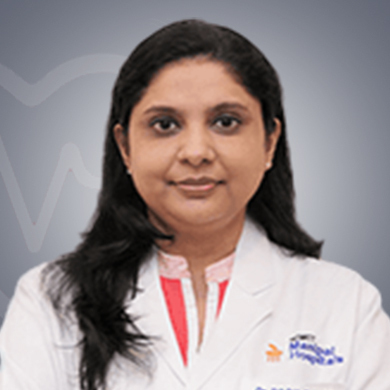
Dr. Sanjay Gogoi

Urologist

, Gurgaon, India

26 Years of experience

Speaks: Hindi , English


Dr Sanjay Gogoi is one of the foremost Urosurgeon in New Delhi, India. The medical specialist holds over 25 years of experience and is associated with Manipal Hospital, Dwarka.

Association and Memberships Dr. Sanjay Gogoi is part of:

  • Urological Society of India
  • American Urological Association
  • Indian Society of Organ Transplantation

Certifications :

  • DNB - Urology/Genito - Urinary Surgery

Qualifications :

  • MBBS
  • MS
  • MCh

Hospital Address :

Manipal Hospital Dwarka, Palam Vihar, Sector 6 Dwarka, Dwarka, New Delhi, Delhi, India

Medical Expertise of Dr. Sanjay Gogoi

  • Dr. Gogoi specialises in minimally invasive transplant techniques such as laparoscopic and robot-assisted transplantation in renal transplantations.
  • Difficult urethral strictures, congenital malformations, neobladders, phalloplasties, neo-vaginas, anti-incontinence treatments, and genito-urinary fistulas.
  • Dr. Gogoi's humanitarian work is well acclaimed, as he has rehabilitated hundreds of war victims with genito-urinary trauma from Sri Lanka and the Middle East.
  • He has conducted over 500 renal transplants and has also been associated as a much sought after specialist at Apollo Hospitals in Colombo, Sri Lanka.
  • The doctor is a member of the Urological Society of India (USI), the American Urological Association (AUA), and the Indian Society of Organ Transplantation (ISOT).
  • He received his training in robotic surgery at Intuitive Surgical's da Vinci Training Center in California.
  • He has over six years of experience doing robotic cancer procedures on the kidney, bladder, prostate, and adrenal glands, among other organs.
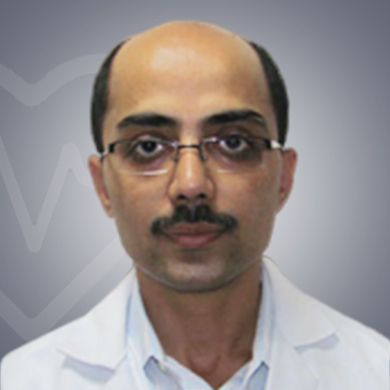
Dr. Mahesh Gopasetty

Hepatologist

, Bangalore, India

18 Years of experience

Speaks: Hindi , English


Dr Mahesh Gopasetty is one of the foremost Liver Transplant Surgeon in Bengaluru, India. The clinician holds over 16 years of experience and is associated with Fortis Hospital.

Association and Memberships Dr. Mahesh Gopasetty is part of:

  • Manipal Academy of Clinical Embryologists (MACE)

Certifications :

  • Fellowship in Multi-Organ Transplantation
  • Fellowship in Paediatric Multi-visceral Transplantation

Qualifications :

  • MS
  • MBBS

Hospital Address :

Fortis Hospital, Sahyadri Layout, Panduranga Nagar, Bangalore, Karnataka, India

Medical Expertise of Dr. Mahesh Gopasetty

  • General, breast, vascular, and colorectal surgery operations are among his specialties.
  • Expertise in Paediatric Liver Transplants, Living Donor and Cadaveric Donor Liver Transplants, Small Intestine Transplants, Portal Hypertension Surgeries, Complex Pancreatic Surgeries, Kidney and Pancreas Transplants.
  • He has performed over 1600 liver transplants and over 100 small intestinal transplants in his career.
  • He specialises in treating patients with chronic liver disease who require an organ transplant due to decompensated liver function.
  • Dr. M. Gopashetty has finished his multi-organ transplantation fellowship, allowing him to gain valuable expertise in the field of transplantation.
  • Registered by the Maharashtra Medical Council, the Gujarat Medical Council, the Medical Council of India, the Medical Board of Australia, and the Royal Australian College of Surgeons.
  • He completed his post-graduate degree at Kettering General Hospital, where he earned his post-graduate MS degree.
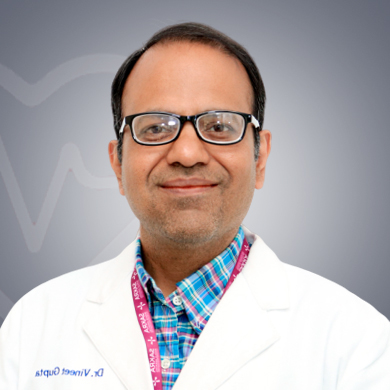
Dr. Vineet Gupta

Radiation oncologist

Bangalore, India

20 Years of experience

Speaks: Hindi , English


Dr Vineet Gupta is one of the foremost Pediatric Haemato Oncology Specialist in Bengaluru, India. The medical practitioner holds over 12 years of experience and is associated with Sakra World Hospital.

Association and Memberships Dr. Vineet Gupta is part of:

  • American Society of Clinical Oncology (ASCO)
  • International School of Senology (ISS)
  • European Society for Medical Oncology (ESMO)
  • International Advisory Broad of the Breast Journal

Certifications :

  • Fellowship in Bone Marrow Transplant.

Qualifications :

  • MBBS
  • DM
  • MD

Hospital Address :

Sakra World Hospital, Devarabisanahalli, Bellandur, Bengaluru, Karnataka, India

Dr. Neema Bhat

Hematologist

, Bangalore, India

10 Years of experience

Speaks: Hindi , English


Dr Neema Bhat is one of the foremost Pediatric Haemato Oncology Specialist in Bengaluru, India. The medical practitioner holds over 10 years of experience and is associated with BGS Gleneagles Global Hospitals.

Association and Memberships Dr. Neema Bhat is part of:

  • Karnataka Medical Council

Certifications :

  • FAAP (Pediatric Hematology Oncology and BMT-USA)

Qualifications :

  • MBBS
  • MD

Hospital Address :

BGS Gleneagles Global Hospitals, Sunkalpalya, Bengaluru, Karnataka, India

Dr. Gopal S T

Hepatologist

, Bangalore, India

29 Years of experience

Speaks: Hindi , English


Dr Gopal S T is one of the foremost Gastroenterologist in Bengaluru, India. The medical specialist holds over 15 years of experience and is associated with Apollo Hospitals Bannerghatta.

Association and Memberships Dr. Gopal S T is part of:

  • Karnataka Medical Council
  • General Medical Council, UK
  • The Royal College of Physicians, UK
  • Indian National Association for the Study of the Liver (INASL)

Certifications :

  • CCST (Gastroenterology)

Qualifications :

  • MBBS
  • MD
  • MRCP (UK)

Hospital Address :

Apollo Hospitals Bannerghatta Road - Best Hospital in bangalore, Krishnaraju Layout, Amalodbhavi Nagar, Panduranga Nagar, Bengaluru, Karnataka, India
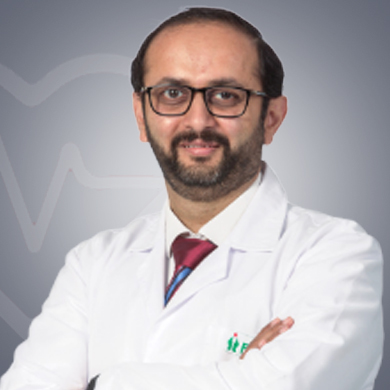
Dr. Anoop P

Top Rated

Hematologist

, Bangalore, India

25 Years of experience

Speaks: English , Kannada ,Hindi, Malayalam , Tamil


Dr Anoop P is one of the best Pediatric Haemato Oncology Specialist in Bengaluru, India. The medical practitioner holds over 16 years of experience and is associated with Apollo Hospitals Bannerghatta.

Association and Memberships Dr. Anoop P is part of:

  • Karnataka Medical Council
  • Indian Academy of Pediatrics (IAP)
  • British Society for Hematology (BSH)
  • Royal College of Pediatrics& Child Health (RCPCH)
  • Royal College of Pathologists (RCPath)
  • European Hematology Association (EHA)

Qualifications :

  • MBBS
  • MD
  • (DCH)

Hospital Address :

Apollo Hospitals Bannerghatta Road - Best Hospital in bangalore, Krishnaraju Layout, Amalodbhavi Nagar, Panduranga Nagar, Bengaluru, Karnataka, India

Dr. Ponni Sivaprakasam

Hematologist

, Chennai, India

16 Years of experience

Speaks: English , Tamil


Dr Ponni Sivaprakasam is one of the foremost Pediatric Haemato Oncology Specialist in Chennai, India. The medical specialist holds over 21 years of experience and is associated with Global Health City.

Certifications :

  • Fellowship in Paediatric Haematology/Oncology The Hospital for Sick Children, Toronto, Canada, Sept 2009

Qualifications :

  • M.B.B.S - Madras Medical College, Chennai, India, January 2002.
  • MRCPCH (London), Dec 2005

Hospital Address :

Global Health City, Perumbakkam, Sholinganallur Main Road, Cheran Nagar, Medavakkam, Chennai, Tamil Nadu, India

What is the medical expertise of Dr Ponni Sivaprakasam?

  • Dr Ponni Sivaprakasam has over 21 years of experience as a pediatric hemato oncologist. Her areas of expertise include lumbar puncture, bone marrow harvest, phlebotomy cannulation, accessing ommaya reservoir, bone marrow aspiration, and administering intrathecal chemotherapy.
  • She is a leading pediatric heamto oncologist and has several high-impact publications to his credit. Some of her research works are:
    1. Mesenchymal stromal cells for the treatment of steroid-resistant acute graft versus host disease: Factors influencing clinical responses-Biol Blood Marrow Transplant.
    2. Incidence of adenovirus infection in hematopoietic stem cell transplant recipients: Findings from the advance study- Biol Blood Marrow Transplant.
  • Dr Ponni is registered with the Tamil Nadu Medical Council and is a respected member of the Medical Council of India.
  • Dr Ponni completed a Fellowship in BMT(pediatric and adult) at the Bristol Royal Hospital for Children and is a member of the Royal College of Pediatrics and Child Health( MRCPCH). The European Blood and Bone marrow transplantation(EBMT) organization has also listed her as a JACIE inspector.
Dr. Monnakarn Kositchaiwat

Nephrologist

, Bangkok, Thailand

7 Years of experience

Speaks: English, Thai


Dr. Monnakarn Kositchaiwat is a specialized Nephrologist in Thailand. And one of the most sought after medical specialists in Bangkok, Thailand. The doctor has over 8 Years of experience and is associated with Bangkok Hospital.

Association and Memberships Dr. Monnakarn Kositchaiwat is part of:

  • Thailand medical Council

Qualifications :

  • Nephrology, Rajavithi Hospital, Thai Medical Council, THAILAND, 2018
  • Nephrology, Rajavithi Hospital, THAILAND, 2018
  • Internal Medicine, Rajavithi Hospital, Thai Medical Council, THAILAND, 2016
  • Doctor of Medicine, Prince of Songkla University, THAILAND, 2010

Hospital Address :

Bangkok Dusit Medical Services, Nong Prue, Bang Phli, Samut Prakan, Thailand
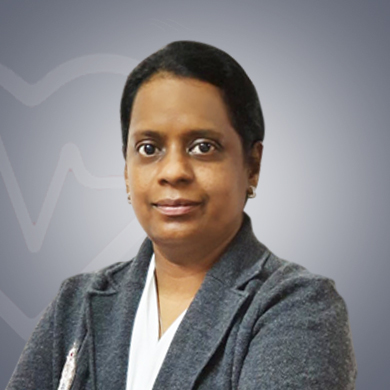
Dr. Chompunut Wongprasert

Hematologist

, Bangkok, Thailand

11 Years of experience

Speaks: English, Thai


Dr. Chompunut Wongprasert is a specialized Hematologist in Thailand. And one of the most sought after medical specialists in Bangkok, Thailand. The doctor has over 8 Years of experience and is associated with Bangkok Hospital.

Association and Memberships Dr. Chompunut Wongprasert is part of:

  • Thai Medical Council

Qualifications :

  • Internal Medicine, Blood Disease , Medical Council , Faculty of Medicine Siriraj Hospital Mahidol University, 2014
  • Doctor of Medicine , Chiang Mai University (Medical degree), 2009

Hospital Address :

Bangkok Dusit Medical Services, Nong Prue, Bang Phli, Samut Prakan, Thailand

Dr. Rattavee Prechaborisutkul

Nephrologist

, Bangkok, Thailand

7 Years of experience

Speaks: English, Thai


Dr.Rattavee Prechaborisutkul is a specialized Transplant Surgeon. And one of the most sought after medical specialists in Thailand. The doctor has 7 of experience and is associated with , one of the best hospitals in Thailand.

Online Appointments with Top Transplant Surgeon

About Transplant Surgeon

A transplant surgeon is a doctor specializing in the transplant surgeries and post-operative care of the patients who need to undergo surgical procedures such as kidney, liver, pancreas or heart. Transplant surgeries are either life saving, for instance liver transplantation or life prolonging as in case of kidney transplantation.

Transplant surgeons first do a general surgical evaluation of the patient to assess the risks and evaluate the benefits of the surgery. They then consult the case with other doctors and healthcare specialists from multiple disciplines such as hepatologists, nephrologists, and diabetologists, immunologists and scientists before making the decision about the surgery and the approach to be followed for the surgery. The surgeon not just examines and assess the patient before the examination but even after the transplant procedure is completed and the patient has been discharged.

Procedures Performed

  • Heart transplant
  • Lung transplant
  • Liver transplant
  • Pancreas transplant
  • Cornea transplant
  • Trachea transplant
  • Kidney transplant
  • Skin transplant
  • Vascular tissues transplant
  • Skin graft
  • Blood vessel graft
  • Bone graft
  • Bone marrow graft

Top Transplant Surgeons

DoctorAssociated Hospital
Dr. Sumant GuptaSarvodaya Hospital and Research Centre, Faridabad
Dr. Vibha VarmaMax Super Specialty Hospital, Vaishali, Ghaziabad
Dr. Ozan OzkayaIstinye University Bahcesehir - LIV Hospital, Istanbul
Dr. Bhaskar NandiSarvodaya Hospital and Research Centre, Faridabad
Dr. Himmet Bora UsluIstinye University Bahcesehir - LIV Hospital, Istanbul
Dr. Shri Ram KabraSarvodaya Hospital and Research Centre, Faridabad
Dr. Nitin SoodMedanta - The Medicity, Gurugram
Dr. Havva EvrengulIstinye University Bahcesehir - LIV Hospital, Istanbul

About Transplant Surgeon

Which are the countries where we can find Transplant Surgeon?

Popular Transplant Surgeon in Top Countries are :

Type of Transplant Surgeon available Worldwide?

Top Speciality Doctors Worldwide:

  • Kidney Transplant Surgeon
  • Hematologist
  • Nephrologist
  • Liver Transplant Surgeon
  • Stem Cells Therapy

Top Rated Hospitals Where We Can Find Transplant Surgeon Worldwide?

List of Top Rated Hospitals where we can find Transplant Surgeon Worldwide are as followed:

Can we get the list of Transplant Surgeon worldwide in any other language?

Yes, we provide the list of Transplant Surgeon worldwide in the following languages:

Get Insight with our Blogs

Frequently Asked Questions
Who are the top Transplant Surgeons in All offering online consultation?

Listed below are some of the top transplant surgeon available for online consultation:

Which are some of the best hospitals Transplant Surgeons are associated with?
Who is a Transplant Surgeon?

A transplant surgeon has special training in transplantation surgery which involves replacing a patient's organ with a donor organ. A transplant surgeon performs transplants of various organs, such as kidneys, livers, hearts, lungs, the pancreas, the intestine, and recently tracheal tissue, faces, and the penis.

A transplant surgeon first does a general surgical evaluation of the patient to assess the possible risks and also evaluate the benefits of transplant surgery. They may consult the case with other doctors from multiple disciplines nephrologists, hepatologists, diabetologists, immunologists, and scientists before making any decision about the surgery and the approach for the surgery. The surgeon not just assesses the patient before the examination but also after the transplant surgery is completed and the patient is discharged.

What are the qualifications of a Transplant Surgeon?

The training and education received by a transplant surgeon are extensive. The education starts with a five-and-a-half-year MBBS course after completion of high school. After gaining this degree, the student then obtains MD or DO degree from an accredited medical school. During this period, the student is trained in basic medical care in both clinical and classroom settings. After completing medical school, the student needs to complete a residency program in general surgery.

Residencies in general surgery typically last five years and consist of a curriculum of clinical rotations in a wide range of surgical disciplines. The physician is trained in the different caveats of surgery including complex general surgical oncology, vascular operations, critical care, trauma management, transplant surgery, hand surgery as well as pediatric surgery. Residents in general surgery also do daily interaction with patients to improve their communication skills.

After completion of the residency program, the doctor must then complete fellowship training in transplant surgery. They are trained as well as educated in all the areas of transplant surgery with a focus on pathology, physiology, immunology, and anatomy specifically related to diagnoses and treatments of the final stages of organ failure and diseases. The surgeon will get specialized training in surgical transplantation of organs, and any related procedures that might be necessary when completing a transplant. Physicians also have exposure to operations like liver and kidney transplants, which are two of the most common in the discipline.

What conditions do Transplant Surgeons treat?

Organ transplantation is used if a patient is suffering from a very critical condition or is facing an organ failure. Such patients are mostly suggested to have a transplant so that their affected organ is replaced with a healthy, functioning organ. Below are some of the common conditions which are treated by an organ transplant surgeon.

  • Congenital renal obstructive disorders
  • Congenital nephrotic syndrome
  • Alport syndrome
  • Nephropathic and juvenile cystinosis
  • Polycystic kidney disease
  • Nail-patella syndrome
  • Glomerulonephritis
  • Berger disease
  • Henoch-schönlein purpura
  • Hemolytic uremic syndrome
  • Wegener granulomatosis
  • Goodpasture syndrome
  • Leukemias
  • Severe aplastic anemia
  • Lymphomas
  • Multiple myeloma
  • Immune deficiency disorders
  • Some solid-tumor cancers
  • Severe cystic fibrosis
  • Pulmonary fibrosis
  • Bronchopulmonary dysplasia or chronic obstructive pulmonary disease (COPD)
  • Sarcoidosis, histiocytosis, and lymphangioleiomyomatosis
  • Congenital heart defect
  • Abnormal heart rhythms
  • Ventricular arrhythmias
  • Heart valve disease
  • Coronary artery disease
  • Cardiomyopathy
  • Liver cancer, hepatitis C, HIV
What diagnostic tests are required by a Transplant Surgeon?

Regardless of the type of transplant you may undergo, special blood tests and other diagnostic tests are performed to know if you are fit for a transplant. Blood tests are also needed to determine the kind of tissue and blood you have. These test results help to match a donor kidney to your body.

  • Blood Type Testing
  • Human leukocyte antigens (tissue typing)
  • MVO2 (exercise stress test)
  • Chest x-ray
  • Pulmonary function tests
  • Echocardiogram
  • Electrocardiogram
  • Heart catheterization
  • Bilateral lower extremity Doppler, carotid Doppler
  • Ultrasound of the abdomen/pelvis
  • Pulmonary Function Tests
  • Radiographic Studies (X-rays)
  • Computerized Tomography (CT Scan)
  • Ventilation Perfusion Scan (V/Q Scan, Lung Scan)
  • Electrocardiogram
  • Echocardiogram
  • Radionuclide Ventriculography
  • Colonoscopy
  • Chest X-ray, PET scan, heart tests, and a bone marrow biopsy
When should you visit a Transplant Surgeon?

There are a number of reasons why you should visit a transplant surgeon.Transplantation is not a common procedure and might be recommended in case of critical conditions or organ failure.Your primary will refer you see a transplant surgeon if you experience the below-listed symptoms:

  • Heart attack (myocardial infarction)
  • Congenital heart defects
  • Irregular heartbeats (arrhythmias)
  • High blood pressure in the lungs
  • Viral infection of the heart muscle
  • High blood pressure
  • Oximeter (O2) measurements of less than 90% at movement
  • Forced Vital Capacity (FVC) of 60% or less
  • Results of your CT scan
  • Jaundice
  • Enlarged liver
  • Cholestasis
  • Heart valve disease
  • Shortness of breath, fatigue
  • Dizziness, fainting,
  • Arterial blood gas of 60mlhg at rest
  • End-stage renal disease
  • Aplastic anemia
  • Leukemia, lymphoma, and multiple myeloma
  • Damaged bone marrow due to chemotherapy
What can you expect from your first visit with a Transplant Surgeon?

A transplant surgeon will evaluate your health condition to know if you are fit for transplant. The doctor will ask you a few questions related to your symptoms to know the severity of the health condition you are suffering from. They will order a few diagnostic tests to do a complete analysis of the consequences of transplant if any. If the transplant surgeon finds that transplant can have a harmful effect on your health, they will recommend alternative treatment options or will tell you to wait for some time so that you become fit for the transplant.

In addition to tests and physical exams, you could get a lot of information at your first appointment. You may need to bring a family member or friend along with you. The person you bring can help ask questions, listen, and take notes.

Which are the most common procedures performed by a Transplant Surgeon?

Some common procedures performed by a transplant surgeon are listed below:

  • Skin transplant
  • Vascular tissues transplant
  • Skin graft
  • Blood vessel graft
  • Bone graft
  • Bone marrow graft
  • Heart transplant
  • Lung transplant
  • Liver transplant
  • Pancreas transplant
  • Cornea transplant
  • Trachea transplant
  • Kidney transplant

FAQs related to

Who is a Transplant Surgeon?

A transplant surgeon has special training in transplantation surgery which involves replacing a patient's organ with a donor organ. A transplant surgeon performs transplants of various organs, such as kidneys, livers, hearts, lungs, the pancreas, the intestine, and recently tracheal tissue, faces, and the penis.

A transplant surgeon first does a general surgical evaluation of the patient to assess the possible risks and also evaluate the benefits of transplant surgery. They may consult the case with other doctors from multiple disciplines nephrologists, hepatologists, diabetologists, immunologists, and scientists before making any decision about the surgery and the approach for the surgery. The surgeon not just assesses the patient before the examination but also after the transplant surgery is completed and the patient is discharged.

What are the qualifications of a Transplant Surgeon?

The training and education received by a transplant surgeon are extensive. The education starts with a five-and-a-half-year MBBS course after completion of high school. After gaining this degree, the student then obtains MD or DO degree from an accredited medical school. During this period, the student is trained in basic medical care in both clinical and classroom settings. After completing medical school, the student needs to complete a residency program in general surgery.

Residencies in general surgery typically last five years and consist of a curriculum of clinical rotations in a wide range of surgical disciplines. The physician is trained in the different caveats of surgery including complex general surgical oncology, vascular operations, critical care, trauma management, transplant surgery, hand surgery as well as pediatric surgery. Residents in general surgery also do daily interaction with patients to improve their communication skills.

After completion of the residency program, the doctor must then complete fellowship training in transplant surgery. They are trained as well as educated in all the areas of transplant surgery with a focus on pathology, physiology, immunology, and anatomy specifically related to diagnoses and treatments of the final stages of organ failure and diseases. The surgeon will get specialized training in surgical transplantation of organs, and any related procedures that might be necessary when completing a transplant. Physicians also have exposure to operations like liver and kidney transplants, which are two of the most common in the discipline.

What conditions do Transplant Surgeons treat?

Organ transplantation is used if a patient is suffering from a very critical condition or is facing an organ failure. Such patients are mostly suggested to have a transplant so that their affected organ is replaced with a healthy, functioning organ. Below are some of the common conditions which are treated by an organ transplant surgeon.

  • Congenital renal obstructive disorders
  • Congenital nephrotic syndrome
  • Alport syndrome
  • Nephropathic and juvenile cystinosis
  • Polycystic kidney disease
  • Nail-patella syndrome
  • Glomerulonephritis
  • Berger disease
  • Henoch-schönlein purpura
  • Hemolytic uremic syndrome
  • Wegener granulomatosis
  • Goodpasture syndrome
  • Leukemias
  • Severe aplastic anemia
  • Lymphomas
  • Multiple myeloma
  • Immune deficiency disorders
  • Some solid-tumor cancers
  • Severe cystic fibrosis
  • Pulmonary fibrosis
  • Bronchopulmonary dysplasia or chronic obstructive pulmonary disease (COPD)
  • Sarcoidosis, histiocytosis, and lymphangioleiomyomatosis
  • Congenital heart defect
  • Abnormal heart rhythms
  • Ventricular arrhythmias
  • Heart valve disease
  • Coronary artery disease
  • Cardiomyopathy
  • Liver cancer, hepatitis C, HIV
What diagnostic tests are required by a Transplant Surgeon?

Regardless of the type of transplant you may undergo, special blood tests and other diagnostic tests are performed to know if you are fit for a transplant. Blood tests are also needed to determine the kind of tissue and blood you have. These test results help to match a donor kidney to your body.

  • Blood Type Testing
  • Human leukocyte antigens (tissue typing)
  • MVO2 (exercise stress test)
  • Chest x-ray
  • Pulmonary function tests
  • Echocardiogram
  • Electrocardiogram
  • Heart catheterization
  • Bilateral lower extremity Doppler, carotid Doppler
  • Ultrasound of the abdomen/pelvis
  • Pulmonary Function Tests
  • Radiographic Studies (X-rays)
  • Computerized Tomography (CT Scan)
  • Ventilation Perfusion Scan (V/Q Scan, Lung Scan)
  • Electrocardiogram
  • Echocardiogram
  • Radionuclide Ventriculography
  • Colonoscopy
  • Chest X-ray, PET scan, heart tests, and a bone marrow biopsy
When should you visit a Transplant Surgeon?

There are a number of reasons why you should visit a transplant surgeon.Transplantation is not a common procedure and might be recommended in case of critical conditions or organ failure.Your primary will refer you see a transplant surgeon if you experience the below-listed symptoms:

  • Heart attack (myocardial infarction)
  • Congenital heart defects
  • Irregular heartbeats (arrhythmias)
  • High blood pressure in the lungs
  • Viral infection of the heart muscle
  • High blood pressure
  • Oximeter (O2) measurements of less than 90% at movement
  • Forced Vital Capacity (FVC) of 60% or less
  • Results of your CT scan
  • Jaundice
  • Enlarged liver
  • Cholestasis
  • Heart valve disease
  • Shortness of breath, fatigue
  • Dizziness, fainting,
  • Arterial blood gas of 60mlhg at rest
  • End-stage renal disease
  • Aplastic anemia
  • Leukemia, lymphoma, and multiple myeloma
  • Damaged bone marrow due to chemotherapy
What can you expect from your first visit with a Transplant Surgeon?

A transplant surgeon will evaluate your health condition to know if you are fit for transplant. The doctor will ask you a few questions related to your symptoms to know the severity of the health condition you are suffering from. They will order a few diagnostic tests to do a complete analysis of the consequences of transplant if any. If the transplant surgeon finds that transplant can have a harmful effect on your health, they will recommend alternative treatment options or will tell you to wait for some time so that you become fit for the transplant.

In addition to tests and physical exams, you could get a lot of information at your first appointment. You may need to bring a family member or friend along with you. The person you bring can help ask questions, listen, and take notes.

Which are the most common procedures performed by a Transplant Surgeon?

Some common procedures performed by a transplant surgeon are listed below:

  • Skin transplant
  • Vascular tissues transplant
  • Skin graft
  • Blood vessel graft
  • Bone graft
  • Bone marrow graft
  • Heart transplant
  • Lung transplant
  • Liver transplant
  • Pancreas transplant
  • Cornea transplant
  • Trachea transplant
  • Kidney transplant