Your Notifications
All done, no notifications

Top Transplant Surgeon in Israel

Explore trusted hospitals and care options, or get personalised support to find a suitable option based on your treatment needs, preferences, and budget.

10
Verified Doctors
USD 2800
Min Consultation Cost
1,00,000+
Global Patients Assisted
Enquire Now
+
JCI/ISO 100,000+ Patients 24X7 Coordinator Visa & Travel handled

Our Platform Features

100,000+
Consultations Completed
HIPAA
Compliant Secure & Encrypted
24-48 Hours
Expert Medical Opinion
End-to-End Support
Dedicated Care Manager
Dr. Professor Amos Toren

, Israel, Ramat Gan

Hematologist • 30 years experience

Hebrew English
Book & Pay - USD 2800

Professor Amos Toren, MBBS, The School of Medicine, Tel-Aviv University , is a Hematologist associated with Sheba Medical Center in Ramat Gan, Israel. The doctor has 30 years of professional experience. Professor Amos Toren areas of expertise include Pediatric Oncology, Hematological Diseases, Immune Deficiencies, Hemato-Oncology, Chronic Blood Disorders. The doctor also offers teleconsultation services at a fee of USD 2800 per consultation.

Work Experiences

  • Director of the Pediatric Hemato-Oncology and BMT Division
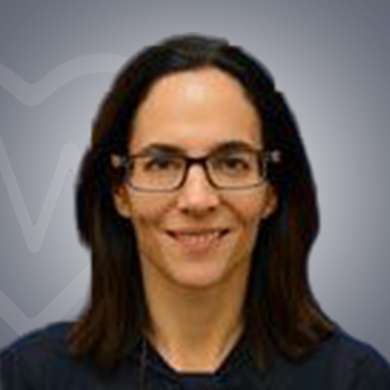
Dr. Hila Soetendorp

, Israel, Tel Aviv

Nephrologist • 8 years experience

Hebrew English
View Telemedicine Doctors

Hila Soetendorp, Medical School The free university of Brussels, is a Nephrologist based in Tel Aviv, Israel. The doctor has 8 years of professional experience. Hila Soetendorp areas of expertise include Glomerulonephritis, Polycystic Kidneys, Chronic Kidney Disease, End-Stage Renal Disease, Kidney Failure.

Work Experiences

  • Senior physician in Tel Aviv Sourasky medical center, Since 2012
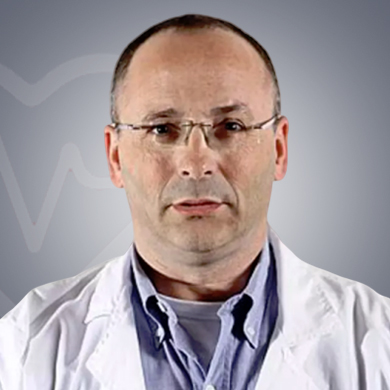
Dr. Moshe Yeshurun

, Israel, Petah Tikva

Hematologist • 25 years experience

Hebrew English
View Telemedicine Doctors

Moshe Yeshurun, M.D. - Tel Aviv University Sackler School of Medicine, 1990 , is a Hematologist based in Petah Tikva, Israel. The doctor has 25 years of professional experience. Moshe Yeshurun areas of expertise include Acute Lymphocytic Leukemia, Multiple Myeloma, Lymphoma, Neuromuscular Disorders, Aplastic Anemia.

Work Experiences

  • Head - Bone Marrow Transplantation Unit - Davidoff Cancer Center, Rabin Medical Center (2014 - 2017)
  • Senior Physician in the Department of Internal, Beilinson
  • Family Physician, General Health Services
  • Senior Doctor at Hmtoaonkology, Beilinson

Do you know?

Using MediGence’s Telemedicine Platform, you can book a personalized video consultation with renowned doctors around the world

Explore Telemedicine Platform

Featured Telemedicine Doctors

Dr. Eviatar Nesher

, Israel, Petah Tikva

Nephrologist • 30 years experience

Hebrew English
View Telemedicine Doctors

Eviatar Nesher, Sackler Faculty of Medicine, Tel-Aviv University, Tel-Aviv, Israel., is a Kidney Transplant Surgeon based in Petah Tikva, Israel. The doctor has 30 years of professional experience. Eviatar Nesher areas of expertise include Kidney Stones, Kidney Failure, Kidney Injury or Trauma, Glomerulonephritis, End-Stage Renal Disease.

Work Experiences

  • Transplantation Medical Centers, Florida, USA

Dr. Orit Kliuk Ben Bassat

, Israel, Tel Aviv

Nephrologist • 10 years experience

Hebrew English
View Telemedicine Doctors

Orit Kliuk Ben Bassat, Tel Aviv University, is a Nephrologist based in Tel Aviv, Israel. The doctor has 10 years of professional experience. Orit Kliuk Ben Bassat areas of expertise include Glomerulonephritis, Polycystic Kidneys, Chronic Kidney Disease, End-Stage Renal Disease, Kidney Failure.

Work Experiences

  • Senior Physician in Tel Aviv Sourasky Medical Center, Since 2015
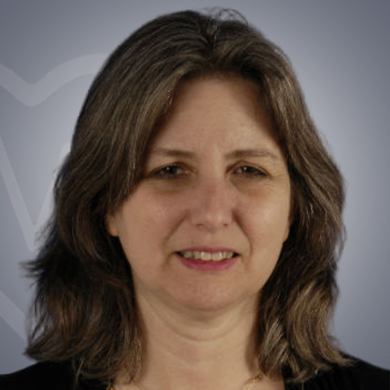
Dr. Pia Raanani

, Israel, Petah Tikva

Hematologist • 25 years experience

Hebrew English
View Telemedicine Doctors

Pia Raanani, B.Sc, M.D. - Hebrew University Jerusalem, 1980 - 1986 , is a Hematologist based in Petah Tikva, Israel. The doctor has 25 years of professional experience. Pia Raanani areas of expertise include Lymphoma, Hematological Disorders, Acute Lymphocytic Leukemia, Various Autoimmune Diseases, Acute Myelogenous Leukemia (AMI).

Work Experiences

  • Resident Internal Medicine - Beilinson Medical Center, Petah-Tikva, Israel
  • Resident Hematology - Sheba Medical Center, Tel-Hashomer, Israel
  • Senior Hematologist, Sheba Medical Center, Tel-Hashomer, Israel;
  • Senior Hematologist, Rabin Medical Center, Campus Beilinson, Israel
  • Head, Leukemia Service, Sheba Medical Center, Tel-Hashomer, Israel
  • Head, Leukemia Unit, Rabin Medical Center, Campus Beilinson, Israel
  • Sackler School of Medicine, Tel-Aviv University, Medical advisor of the Israeli CML advocate group
Dr. Benaya Rozen Zvi

, Israel, Petah Tikva

Nephrologist • 25 years experience

Hebrew English
View Telemedicine Doctors

Benaya Rozen Zvi, Doctor of Medicine (MD)Medicine - Tel Aviv University, is a Kidney Transplant Surgeon based in Petah Tikva, Israel. The doctor has 25 years of professional experience. Benaya Rozen Zvi areas of expertise include Symptomatic Hydronephrosis, Polycystic Kidney Disease, Polycystic Kidneys, Glomerulonephritis, Shrunken Kidney.

Work Experiences

  • Tel Aviv University, TAU, Faculty of Medicine
  • Professor Nephrology and Hypertension Rabin Medical Center, Israel, Mar 2007 - Present
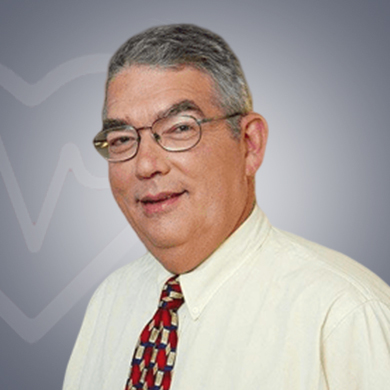
Dr. Professor Arnon Naglar

, Israel, Ramat Gan

Hematologist • 26 years experience

Hebrew English
View Telemedicine Doctors

Professor Arnon Naglar, M.D. certification from the Hebrew University-Hadassah Medical School, Jerusalem , is a Hematologist based in Tel Hashomer, Israel. The doctor has 26 years of professional experience. Professor Arnon Naglar areas of expertise include Thalassemia, Sickle Cell Disease, Spinal Injury, Multiple Myeloma, Orthopedic Conditions.

Work Experiences

  • CoChair Scientific Council of the EBMT –since 2016
  • Active member of the EBMT since 1993
  • Leader of the Alternative donor subcommittee of the ALWP of the EBMT from 2008-2010
  • Leader of the RIC subcommittee of the ALWP of the EBMT –2010-2014
Dr. Ivetta Danylesko

, Israel, Ramat Gan

Hematologist • 20 years experience

Hebrew English Russian
View Telemedicine Doctors

Ivetta Danylesko, Medical education - Georgievsky Crimia State Medical University , is a Hematologist based in Tel Hashomer, Israel. The doctor has 20 years of professional experience. Ivetta Danylesko areas of expertise include Thalassemia, Congenital Neutropenia, Hematological Disorders, Spinal Injury, Orthopedic Conditions.

Work Experiences

  • Lecturer at Sackler Medical School of the Tel Aviv University
Frequently Asked Questions
Who are the top Transplant Surgeons from other countries?
Which are some of the best hospitals in Israel, All are associated with?

Following are some of the best clinics in Israel with whom transplant surgeon are associated with:

Who is a Transplant Surgeon?

A transplant surgeon has special training in transplantation surgery which involves replacing a patient's organ with a donor organ. A transplant surgeon performs transplants of various organs, such as kidneys, livers, hearts, lungs, the pancreas, the intestine, and recently tracheal tissue, faces, and the penis.

A transplant surgeon first does a general surgical evaluation of the patient to assess the possible risks and also evaluate the benefits of transplant surgery. They may consult the case with other doctors from multiple disciplines nephrologists, hepatologists, diabetologists, immunologists, and scientists before making any decision about the surgery and the approach for the surgery. The surgeon not just assesses the patient before the examination but also after the transplant surgery is completed and the patient is discharged.

What are the qualifications of a Transplant Surgeon?

The training and education received by a transplant surgeon are extensive. The education starts with a five-and-a-half-year MBBS course after completion of high school. After gaining this degree, the student then obtains MD or DO degree from an accredited medical school. During this period, the student is trained in basic medical care in both clinical and classroom settings. After completing medical school, the student needs to complete a residency program in general surgery.

Residencies in general surgery typically last five years and consist of a curriculum of clinical rotations in a wide range of surgical disciplines. The physician is trained in the different caveats of surgery including complex general surgical oncology, vascular operations, critical care, trauma management, transplant surgery, hand surgery as well as pediatric surgery. Residents in general surgery also do daily interaction with patients to improve their communication skills.

After completion of the residency program, the doctor must then complete fellowship training in transplant surgery. They are trained as well as educated in all the areas of transplant surgery with a focus on pathology, physiology, immunology, and anatomy specifically related to diagnoses and treatments of the final stages of organ failure and diseases. The surgeon will get specialized training in surgical transplantation of organs, and any related procedures that might be necessary when completing a transplant. Physicians also have exposure to operations like liver and kidney transplants, which are two of the most common in the discipline.

What conditions do Transplant Surgeons treat?

Organ transplantation is used if a patient is suffering from a very critical condition or is facing an organ failure. Such patients are mostly suggested to have a transplant so that their affected organ is replaced with a healthy, functioning organ. Below are some of the common conditions which are treated by an organ transplant surgeon.

  • Congenital renal obstructive disorders
  • Congenital nephrotic syndrome
  • Alport syndrome
  • Nephropathic and juvenile cystinosis
  • Polycystic kidney disease
  • Nail-patella syndrome
  • Glomerulonephritis
  • Berger disease
  • Henoch-schönlein purpura
  • Hemolytic uremic syndrome
  • Wegener granulomatosis
  • Goodpasture syndrome
  • Leukemias
  • Severe aplastic anemia
  • Lymphomas
  • Multiple myeloma
  • Immune deficiency disorders
  • Some solid-tumor cancers
  • Severe cystic fibrosis
  • Pulmonary fibrosis
  • Bronchopulmonary dysplasia or chronic obstructive pulmonary disease (COPD)
  • Sarcoidosis, histiocytosis, and lymphangioleiomyomatosis
  • Congenital heart defect
  • Abnormal heart rhythms
  • Ventricular arrhythmias
  • Heart valve disease
  • Coronary artery disease
  • Cardiomyopathy
  • Liver cancer, hepatitis C, HIV
What diagnostic tests are required by a Transplant Surgeon?

Regardless of the type of transplant you may undergo, special blood tests and other diagnostic tests are performed to know if you are fit for a transplant. Blood tests are also needed to determine the kind of tissue and blood you have. These test results help to match a donor kidney to your body.

  • Blood Type Testing
  • Human leukocyte antigens (tissue typing)
  • MVO2 (exercise stress test)
  • Chest x-ray
  • Pulmonary function tests
  • Echocardiogram
  • Electrocardiogram
  • Heart catheterization
  • Bilateral lower extremity Doppler, carotid Doppler
  • Ultrasound of the abdomen/pelvis
  • Pulmonary Function Tests
  • Radiographic Studies (X-rays)
  • Computerized Tomography (CT Scan)
  • Ventilation Perfusion Scan (V/Q Scan, Lung Scan)
  • Electrocardiogram
  • Echocardiogram
  • Radionuclide Ventriculography
  • Colonoscopy
  • Chest X-ray, PET scan, heart tests, and a bone marrow biopsy
When should you visit a Transplant Surgeon?

There are a number of reasons why you should visit a transplant surgeon.Transplantation is not a common procedure and might be recommended in case of critical conditions or organ failure.Your primary will refer you see a transplant surgeon if you experience the below-listed symptoms:

  • Heart attack (myocardial infarction)
  • Congenital heart defects
  • Irregular heartbeats (arrhythmias)
  • High blood pressure in the lungs
  • Viral infection of the heart muscle
  • High blood pressure
  • Oximeter (O2) measurements of less than 90% at movement
  • Forced Vital Capacity (FVC) of 60% or less
  • Results of your CT scan
  • Jaundice
  • Enlarged liver
  • Cholestasis
  • Heart valve disease
  • Shortness of breath, fatigue
  • Dizziness, fainting,
  • Arterial blood gas of 60mlhg at rest
  • End-stage renal disease
  • Aplastic anemia
  • Leukemia, lymphoma, and multiple myeloma
  • Damaged bone marrow due to chemotherapy
What can you expect from your first visit with a Transplant Surgeon?

A transplant surgeon will evaluate your health condition to know if you are fit for transplant. The doctor will ask you a few questions related to your symptoms to know the severity of the health condition you are suffering from. They will order a few diagnostic tests to do a complete analysis of the consequences of transplant if any. If the transplant surgeon finds that transplant can have a harmful effect on your health, they will recommend alternative treatment options or will tell you to wait for some time so that you become fit for the transplant.

In addition to tests and physical exams, you could get a lot of information at your first appointment. You may need to bring a family member or friend along with you. The person you bring can help ask questions, listen, and take notes.

Which are the most common procedures performed by a Transplant Surgeon?

Some common procedures performed by a transplant surgeon are listed below:

  • Skin transplant
  • Vascular tissues transplant
  • Skin graft
  • Blood vessel graft
  • Bone graft
  • Bone marrow graft
  • Heart transplant
  • Lung transplant
  • Liver transplant
  • Pancreas transplant
  • Cornea transplant
  • Trachea transplant
  • Kidney transplant

FAQs related to Israel

How to avail online consultation with some of the top doctors in Israel?

Telemedicine is a fantastic way for incorporating technology into healthcare. It makes clinical care so simple to adopt and progress with in order to identify better ways to treat patients and return them to excellent health and optimum parameters. It is a system for virtual care consultations for a variety of ailments.

How to access Telemedicine by MediGence?

Exploring & Booking an appointment with the specialist in 3 simple steps-

  • Choose a suitable Doctor based on your symptoms or condition
  • Schedule an appointment with the doctor of your choice

Our Telemedicine offering makes things simple via its user-friendly interface.

  • On-demand Scheduled Appointments
  • Data Security Guaranteed with HIPAA Compliance
  • Video Interaction with Top Medical Experts across borders
  • Video Recording Option for Patient’s convenience
  • Private video consultations can be downloaded within 72 hours
  • Clinical notes & prescriptions
  • Secured & Easy Payment Options- E-receipt is generated & sent automatically to the patient.
How to choose some of the best rated doctors in Israel?

The majority of people believe they do have a broad understanding of what a "good" doctor can accomplish or haven't given it any thought. If you're searching for a new doctor or a specialist, you might have a few extra questions about what to look for in a medical professional. Knowing what makes a good doctor can aid in the diagnosis and get you the care you want without having to worry about anything.

  • Domain Knowledge - A qualified doctor should understand how the entire body works as a unit and what one must do to keep their complete health. They should keep up with all of the newest developments in the industry and share their knowledge in an easy-to-understand manner. Patients will become more likely to follow this advice correctly and trust the doctor when there is an issue if doctors provide a wide range of facts and clearly state why they consider a given style of medical care to be good.
  • Doctor’s Reputation - Doctors are frequently chosen by word of mouth, but when looking for a new doctor, it is crucial to consider your sources. Ask a few different people and watch whose name keeps coming up. You can also get useful information by asking your primary care physician about specialists and others in the region. Several people nowadays look for reviews of new doctors on the internet, but this information might be skewed. To gain a better idea about what a doctor is like, look for consistency in remarks regarding them, both favorable and negative.
  • Credentials of the Doctor - A good school education or other credentials may not guarantee that a doctor will deliver exceptional care, but it is a fine place to begin. If the doctor's credentials or affiliations within the field are lacking, this is a red flag. Check to see if the doctor is board certified and has fulfilled all licensure criteria. Knowing the hospital they are linked with or what qualifications other members of their practice have can give you an idea of the kind of care one will receive if they require extra treatment.
  • Empathy and Sincerity of the Doctor - The doctor's demeanor can put you at ease during the appointments. A patient wishes to feel that their doctor actually cares about them and their family so that one can openly discuss any questions or concerns they may have. It is not a bad idea to switch doctors if one does not feel emotionally connected to their current one. Seek someone who is friendly and attentive, and who encourages their patients to express themselves freely. To make someone comfortable and make it simpler for them to follow treatments effectively, the doctor must explain what they are doing and the reasoning behind it.
  • Good Communication Skills - A physician must be able to communicate effectively with their patients, which entails both listening to them and presenting information in an understandable way. Patients who can communicate effectively with their doctors are more likely to comply with their treatment regimen and reveal any extra health issues they could be facing. This will assist clinicians in identifying potentially harmful trends that the patient might be experiencing and intervening to ensure that therapies are effective.

Reference:

The Lancet

Which are the most common Medical Specialities available in Israel

Top Transplant Surgeon in Israel

About Transplant Surgeon

A transplant surgeon is a doctor specializing in the transplant surgeries and post-operative care of the patients who need to undergo surgical procedures such as kidney, liver, pancreas or heart. Transplant surgeries are either life saving, for instance liver transplantation or life prolonging as in case of kidney transplantation.

Transplant surgeons first do a general surgical evaluation of the patient to assess the risks and evaluate the benefits of the surgery. They then consult the case with other doctors and healthcare specialists from multiple disciplines such as hepatologists, nephrologists, and diabetologists, immunologists and scientists before making the decision about the surgery and the approach to be followed for the surgery. The surgeon not just examines and assess the patient before the examination but even after the transplant procedure is completed and the patient has been discharged.

Procedures Performed

  • Heart transplant
  • Lung transplant
  • Liver transplant
  • Pancreas transplant
  • Cornea transplant
  • Trachea transplant
  • Kidney transplant
  • Skin transplant
  • Vascular tissues transplant
  • Skin graft
  • Blood vessel graft
  • Bone graft
  • Bone marrow graft

Top Transplant Surgeons in Israel

DoctorAssociated Hospital
Dr. Moshe YeshurunRabin Medical Center, Petah Tikva
Dr. Pia RaananiRabin Medical Center, Petah Tikva
Dr. Hila SoetendorpTel Aviv Sourasky Medical Center -Ichilov Hospital, Tel-Aviv
Dr. Professor Arnon NaglarSheba Medical Center, Tel-Hashomer
Dr. Eviatar NesherRabin Medical Center, Petah Tikva
Dr. Benaya Rozen ZviRabin Medical Center, Petah Tikva
Dr. Ivetta DanyleskoSheba Medical Center, Tel-Hashomer
Dr. Orit Kliuk Ben BassatTel Aviv Sourasky Medical Center -Ichilov Hospital, Tel-Aviv

Top Transplants Experts in Israel Hospitals

Which are the countries where we can find Transplant Surgeon?

Popular Transplant Surgeon in Top Countries are :

Type of Transplant Surgeon available in Israel?

Top Speciality Doctors in Israel:

Top Rated Hospitals Where We Can Find Transplant Surgeon in Israel?

List of Top Rated Hospitals where we can find Transplant Surgeon in Israel are as followed:

Can we get the list of Transplant Surgeon in Israel in any other language?

Yes, we provide the list of Transplant Surgeon in Israel in the following languages: