Your Notifications
All done, no notifications

6 Specialists

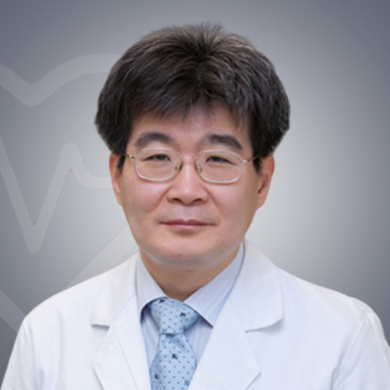
Dr. Hwang Shin

Hepatologist

, Seoul, South Korea

20 Years of experience

Speaks: Korean , English


Dr. Hwang Shin is a specialized Liver Transplant Surgeon in South Korea. And one of the most sought after medical specialists in Seoul, South Korea. The doctor has over 20 Years of experience and is associated with Asan Medical Centre.

Qualifications :

  • Doctor of Medicine: University of Ulsan
  • Bachelor of Medicine: Pusan National University

Hospital Address :

Asan Medical Center, Olympic-ro 43-gil, Pungnap 2(i)-dong, Songpa-gu, Seoul, South Korea

What is the medical expertise of Dr Hwang Shin?

  • Dr Hwang Shin has 20 years of experience in liver transplantation and hepatobiliary surgery. He has expertise in providing treatments for liver cancer, pancreatic and biliary cancer.
  • He completed Fellowship in Liver Transplantation and Hepatobiliary Surgery at UUCM, AMC.
  • Dr Shin is active in clinical research and has many publications in reputed journals. Some of his works include:
    1. Song GW, Ahn CS, Lee SG, Hwang S, Kim KH, Moon DB, Ha TY, et al. Correlation between the risk of hepatitis B virus recurrence and tissue expression of covalently closed circular DNA in living donor liver transplant recipients treated with high-dose hepatitis B immunoglobulin. Transplant Proc. 2014 Dec;46(10):3548-53.
    2. Lee SG, Hwang S, Park KM, Kim KH, et al. Seventeen adult-to-adult living donor liver transplantations using dual grafts. Transplant Proc. 2001 Nov-Dec;33(7-8):3461-3.
    3. Hwang S, Lee SG, Kim KH, Park KM, et al. Correlation of blood-free graft weight and volumetric graft volume by an analysis of blood content in living donor liver grafts. Transplant Proc. 2002 Dec;34(8):3293-4.
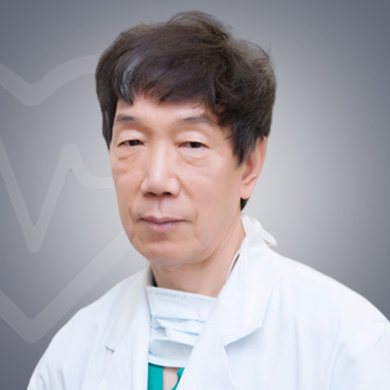
Dr. Lee Sung Gyu

Hepatologist

, Seoul, South Korea

30 Years of experience

Speaks: Korean , English


Dr. Lee Sung Gyu is a specialized Liver Transplant Surgeon in South Korea. And one of the most sought after medical specialists in Seoul, South Korea. The doctor has over 30 Years of experience and is associated with Asan Medical Centre.

Qualifications :

  • Doctor of Medicine: Seoul National University
  • Master of Medicine: Seoul National University
  • Bachelor of Medicine: Seoul National University

Hospital Address :

Asan Medical Center, Olympic-ro 43-gil, Pungnap 2(i)-dong, Songpa-gu, Seoul, South Korea
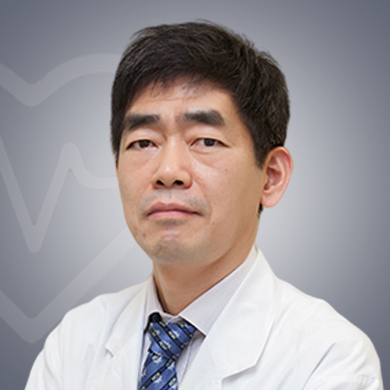
Dr. Yang Won Seok

Nephrologist

, Seoul, South Korea

20 Years of experience

Speaks: Korean , English


Dr. Yang Won Seok is a specialized Kidney Transplant Surgeon in South Korea. And one of the most sought after medical specialists in Seoul, South Korea. The doctor has over 20 Years of experience and is associated with Asan Medical Centre.

Certifications :

  • Clinical Fellowship in Nephrology, University of Cincinnati Medical Center
  • Fellowship in Nephrology, UUCM AMC

Qualifications :

  • Doctor of Medicine: University of Ulsan
  • Master of Medicine: Seoul National University
  • Bachelor of Medicine: Seoul National University

Hospital Address :

Asan Medical Center, Olympic-ro 43-gil, Pungnap 2(i)-dong, Songpa-gu, Seoul, South Korea

What is the medical expertise of Dr Yang Won Seok?

  • Dr Yang Won Seok is a well-known expert in the field of nephrology and kidney transplantation. He is proficient in treating conditions such as chronic kidney disease, glomerulonephritis, hypertension, kidney failure, and polycystic kidney disorder.
  • He completed a Fellowship in Nephrology at UUCM, AMC and a Clinical Fellowship in Nephrology at the University of Cincinnati Medical Center.

Do you know?

Using MediGence’s Telemedicine Platform, you can book a personalized video consultation with renowned doctors around the world

Explore Telemedicine Platform

Featured Telemedicine Doctors

Dr. Kyoo Hyung Lee

Hematologist

, Seoul, South Korea

29 Years of experience

Speaks: Korean , English


Dr. Kyoo Hyung Lee is a specialized Hematologist in South Korea. And one of the most sought after medical specialists in Seoul, South Korea. The doctor has over 22 Years of experience and is associated with Asan Medical Centre.

Qualifications :

  • Doctor of Medicine: Catholic University of Korea
  • Master of Medicine: Catholic University of Korea
  • Bachelor of Medicine: Seoul National University

Hospital Address :

Asan Medical Center, Olympic-ro 43-gil, Pungnap 2(i)-dong, Songpa-gu, Seoul, South Korea

What is the medical expertise of Dr Kyoo Hyung Lee?

  • With over 22 years of experience, Dr Kyoo Hung Lee is a renowned haematologist. He has expertise in Leukemia, blood disorders, and aplastic anaemia. Dr Lee can perform procedures such as bone marrow transplants efficiently.
  • Dr Lee completed a Fellowship in Oncology at the University of Texas, MD Anderson Cancer Center.
  • Dr Lee has published his research work in many notable scientific journals. Some of his research works include:
    1. Lee GW, Lee JH, Kim SB, Yu ES, Lee JL, Ryu MH, Kim E, Choi SJ, Kim WK, Lee JS, Lee KH. Membranous glomerulopathy as a manifestation of chronic graft-versus-host-disease after non-myeloablative stem cell transplantation in a patient with paroxysmal nocturnal hemoglobinuria. J Korean Med Sci. 2003 Dec;18(6):901-4.
    2. Min YJ, Lee JH, Choi SJ, Chi HS, Lee JS, Kim WK, Lee KH. Prognostic significance of Fas (CD95) and TRAIL receptors (DR4/DR5) expression in acute myelogenous leukemia. Leuk Res. 2004 Apr;28(4):359-65.
    3. Lee GW, Lee JH, Choi SJ, Kim S, Seol M, Kim WK, Lee JS, Lee KH. Hemorrhagic cystitis following allogeneic hematopoietic cell transplantation. J Korean Med Sci. 2003 Apr;18(2):191-5.
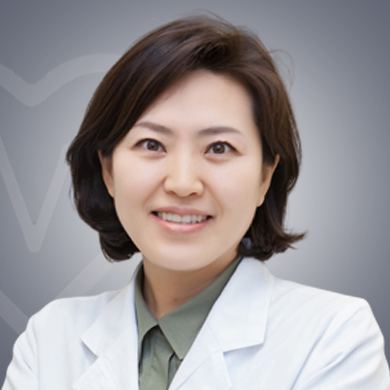
Dr. Jung Hee Lee

Hematologist

, Seoul, South Korea

20 Years of experience

Speaks: Korean , English


Dr. Jung Hee Lee is a specialized Hematologist in South Korea. And one of the most sought after medical specialists in Seoul, South Korea. The doctor has over 20 Years of experience and is associated with Asan Medical Centre.

Certifications :

  • Fellowship, HematoOncology, UUCM AMC

Qualifications :

  • Doctor of Medicine: University of Ulsan
  • Master of Medicine: University of Ulsan
  • Bachelor of Medicine: Chung Ang University

Hospital Address :

Asan Medical Center, Olympic-ro 43-gil, Pungnap 2(i)-dong, Songpa-gu, Seoul, South Korea
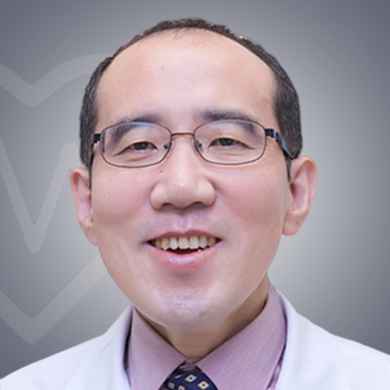
Dr. Kim Soon Bae

Nephrologist

, Seoul, South Korea

29 Years of experience

Speaks: Korean , English


Dr. Kim Soon Bae is a specialized Kidney Transplant Surgeon in South Korea. And one of the most sought after medical specialists in Seoul, South Korea. The doctor has over 18 Years of experience and is associated with Asan Medical Centre.

Certifications :

  • Fellowship in the University of Cincinnati Academic Health Center
  • Fellowship at Seoul National University Hospital

Qualifications :

  • Doctor of Medicine, Seoul National University
  • Master of Medicine, Seoul National University
  • Bachelor of Medicine, Seoul National University

Hospital Address :

Asan Medical Center, Olympic-ro 43-gil, Pungnap 2(i)-dong, Songpa-gu, Seoul, South Korea

Top Transplant Surgeon in South Korea

Top Transplant Surgeons in South Korea

DoctorAssociated Hospital
Dr. Hwang ShinAsan Medical Centre, Seoul
Dr. Kim Soon BaeAsan Medical Centre, Seoul
Dr. Yang Won SeokAsan Medical Centre, Seoul
Dr. Lee Sung GyuAsan Medical Centre, Seoul
Dr. Kyoo Hyung LeeAsan Medical Centre, Seoul
Dr. Jung Hee LeeAsan Medical Centre, Seoul

Top Transplants Experts in South Korea Hospitals

Which are the countries where we can find Transplant Surgeon?

Popular Transplant Surgeon in Top Countries are :

Type of Transplant Surgeon available in South Korea?

Top Speciality Doctors in South Korea:

Top Rated Hospitals Where We Can Find Transplant Surgeon in South Korea?

List of Top Rated Hospitals where we can find Transplant Surgeon in South Korea are as followed:

Can we get the list of Transplant Surgeon in South Korea in any other language?

Yes, we provide the list of Transplant Surgeon in South Korea in the following languages:

Frequently Asked Questions
Who are the top Transplant Surgeons from other countries?

Given below are some of the most sought after transplant surgeon in other countries:

  • Lebanon
    • Dr. Naim Bejjani
    • Dr. Tarek Assi
    • Dr. Mirna El Hajj
    • Dr. Abir El Ahmadie
    • Dr. Georges Chahine
Which are some of the best hospitals in South Korea, All are associated with?

Following are some of the best clinics in South Korea with whom transplant surgeon are associated with:

Who is a Transplant Surgeon?

A transplant surgeon has special training in transplantation surgery which involves replacing a patient's organ with a donor organ. A transplant surgeon performs transplants of various organs, such as kidneys, livers, hearts, lungs, the pancreas, the intestine, and recently tracheal tissue, faces, and the penis.

A transplant surgeon first does a general surgical evaluation of the patient to assess the possible risks and also evaluate the benefits of transplant surgery. They may consult the case with other doctors from multiple disciplines nephrologists, hepatologists, diabetologists, immunologists, and scientists before making any decision about the surgery and the approach for the surgery. The surgeon not just assesses the patient before the examination but also after the transplant surgery is completed and the patient is discharged.

What are the qualifications of a Transplant Surgeon?

The training and education received by a transplant surgeon are extensive. The education starts with a five-and-a-half-year MBBS course after completion of high school. After gaining this degree, the student then obtains MD or DO degree from an accredited medical school. During this period, the student is trained in basic medical care in both clinical and classroom settings. After completing medical school, the student needs to complete a residency program in general surgery.

Residencies in general surgery typically last five years and consist of a curriculum of clinical rotations in a wide range of surgical disciplines. The physician is trained in the different caveats of surgery including complex general surgical oncology, vascular operations, critical care, trauma management, transplant surgery, hand surgery as well as pediatric surgery. Residents in general surgery also do daily interaction with patients to improve their communication skills.

After completion of the residency program, the doctor must then complete fellowship training in transplant surgery. They are trained as well as educated in all the areas of transplant surgery with a focus on pathology, physiology, immunology, and anatomy specifically related to diagnoses and treatments of the final stages of organ failure and diseases. The surgeon will get specialized training in surgical transplantation of organs, and any related procedures that might be necessary when completing a transplant. Physicians also have exposure to operations like liver and kidney transplants, which are two of the most common in the discipline.

What conditions do Transplant Surgeons treat?

Organ transplantation is used if a patient is suffering from a very critical condition or is facing an organ failure. Such patients are mostly suggested to have a transplant so that their affected organ is replaced with a healthy, functioning organ. Below are some of the common conditions which are treated by an organ transplant surgeon.

  • Congenital renal obstructive disorders
  • Congenital nephrotic syndrome
  • Alport syndrome
  • Nephropathic and juvenile cystinosis
  • Polycystic kidney disease
  • Nail-patella syndrome
  • Glomerulonephritis
  • Berger disease
  • Henoch-schönlein purpura
  • Hemolytic uremic syndrome
  • Wegener granulomatosis
  • Goodpasture syndrome
  • Leukemias
  • Severe aplastic anemia
  • Lymphomas
  • Multiple myeloma
  • Immune deficiency disorders
  • Some solid-tumor cancers
  • Severe cystic fibrosis
  • Pulmonary fibrosis
  • Bronchopulmonary dysplasia or chronic obstructive pulmonary disease (COPD)
  • Sarcoidosis, histiocytosis, and lymphangioleiomyomatosis
  • Congenital heart defect
  • Abnormal heart rhythms
  • Ventricular arrhythmias
  • Heart valve disease
  • Coronary artery disease
  • Cardiomyopathy
  • Liver cancer, hepatitis C, HIV
What diagnostic tests are required by a Transplant Surgeon?

Regardless of the type of transplant you may undergo, special blood tests and other diagnostic tests are performed to know if you are fit for a transplant. Blood tests are also needed to determine the kind of tissue and blood you have. These test results help to match a donor kidney to your body.

  • Blood Type Testing
  • Human leukocyte antigens (tissue typing)
  • MVO2 (exercise stress test)
  • Chest x-ray
  • Pulmonary function tests
  • Echocardiogram
  • Electrocardiogram
  • Heart catheterization
  • Bilateral lower extremity Doppler, carotid Doppler
  • Ultrasound of the abdomen/pelvis
  • Pulmonary Function Tests
  • Radiographic Studies (X-rays)
  • Computerized Tomography (CT Scan)
  • Ventilation Perfusion Scan (V/Q Scan, Lung Scan)
  • Electrocardiogram
  • Echocardiogram
  • Radionuclide Ventriculography
  • Colonoscopy
  • Chest X-ray, PET scan, heart tests, and a bone marrow biopsy
When should you visit a Transplant Surgeon?

There are a number of reasons why you should visit a transplant surgeon.Transplantation is not a common procedure and might be recommended in case of critical conditions or organ failure.Your primary will refer you see a transplant surgeon if you experience the below-listed symptoms:

  • Heart attack (myocardial infarction)
  • Congenital heart defects
  • Irregular heartbeats (arrhythmias)
  • High blood pressure in the lungs
  • Viral infection of the heart muscle
  • High blood pressure
  • Oximeter (O2) measurements of less than 90% at movement
  • Forced Vital Capacity (FVC) of 60% or less
  • Results of your CT scan
  • Jaundice
  • Enlarged liver
  • Cholestasis
  • Heart valve disease
  • Shortness of breath, fatigue
  • Dizziness, fainting,
  • Arterial blood gas of 60mlhg at rest
  • End-stage renal disease
  • Aplastic anemia
  • Leukemia, lymphoma, and multiple myeloma
  • Damaged bone marrow due to chemotherapy
What can you expect from your first visit with a Transplant Surgeon?

A transplant surgeon will evaluate your health condition to know if you are fit for transplant. The doctor will ask you a few questions related to your symptoms to know the severity of the health condition you are suffering from. They will order a few diagnostic tests to do a complete analysis of the consequences of transplant if any. If the transplant surgeon finds that transplant can have a harmful effect on your health, they will recommend alternative treatment options or will tell you to wait for some time so that you become fit for the transplant.

In addition to tests and physical exams, you could get a lot of information at your first appointment. You may need to bring a family member or friend along with you. The person you bring can help ask questions, listen, and take notes.

Which are the most common procedures performed by a Transplant Surgeon?

Some common procedures performed by a transplant surgeon are listed below:

  • Skin transplant
  • Vascular tissues transplant
  • Skin graft
  • Blood vessel graft
  • Bone graft
  • Bone marrow graft
  • Heart transplant
  • Lung transplant
  • Liver transplant
  • Pancreas transplant
  • Cornea transplant
  • Trachea transplant
  • Kidney transplant

FAQs related to South Korea

How to avail online consultation with some of the top doctors in South Korea?

Telemedicine by MediGence makes virtual care for critical conditions easily accessible for you. You can talk to a specialist on a video call from your distant location, real-time screening of reports will be done and you will get the diagnosis, right then and there. You can also record the conversation to use later. We value your privacy, hence all the Healthcare records and teleconsultation are stored securely on HIPAA compliant servers on Cloud.

Follow the simple steps at our Telemedicine platform to book an appointment with a doctor

  • Simply search for the Doctor by a specialty/name
  • Select the best-suited Doctor for you
  • Choose your day for consultation
  • Fill in the details- Name, Mail id, Contact, Describe your symptoms, upload your reports
  • At last, Pay online via Paypal to Book an Appointment for a video consultation with the top renowned doctors/specialists in Thailand

Benefits of Telemedicine :

  • Patient Engagement Increases
  • Reduced Admission Rates and Better Mental Health
  • Cost and Time Saving
  • Optimizing Medications Intake and Reducing Outpatient Visits
  • Keeping medical records and reports up to date
How to choose some of the best rated doctors in South Korea?

Once you have consulted people in your network and researched through various sources the credentials of the doctors, their reviews and referrals, the next step is to zero in further on the basis of their specific skills. The best rated and reviewed doctors in South Korea can be chosen based on the below mentioned and outlined criteria via MediGence.com.

  • Communication skills - A doctor's communication skills are crucial in a variety of situations, including patient contact, staff collaboration, and talking with family members. They must be able to explain what is happening to their patients in a clear and simple manner, ensuring that they comprehend what is going on while staying professional and pleasant. They will also be part of a multi-disciplinary team, and it is vital that they communicate accurately with the other team members.
  • Capable of working in a team - There is no doctor who works on their own. Interdisciplinary teams are common in medical environments, and they will have to collaborate with other doctors, nurses, healthcare assistants, physiotherapists, social workers, and a variety of other professionals. They will be dealing with these employees on a daily basis, therefore it is critical that they are able to interact effectively with others in order to provide the greatest care for their patients. This necessitates them contributing ideas and assisting when possible, as well as delegating any tasks they require and according to any orders given.
  • Work ethics and compassion - A doctor's scientific brilliance may enable them to cure their patients, but without compassion, they will not be the greatest doctor they can be. They must be concerned about their patients' well-being. A doctor helps other people, and they can't do it regularly if they don't care about their patients' well-being. A strong work ethic is also important, but compassion is the attribute that will motivate a doctor to move out of bed at 2 a.m. when they are on call to assist someone who is in need.
  • Organizational Skills - As a doctor, you must juggle a large number of patients, sometimes across numerous wards and even at opposite ends of a hospital. It's easy to become overloaded with patient contact, paperwork, as well as meetings. This is where having good organizational abilities comes in handy. Knowing which activities are critical and which can wait will make one's job much easier, ensuring that patients receive the best possible care while also meeting their specific deadlines.
  • Professionalism - Even as it is a noble profession, being a doctor is a job, and as such, professionalism is essential. This entails remaining courteous, attentive, and well-dressed. One can receive complaints and be disciplined for being disrespectful to both various staff members and patients, just like in any other employment, so it's critical that one maintains a good standard of conduct while at work.

References:

Which are the most common Medical Specialities available in South Korea