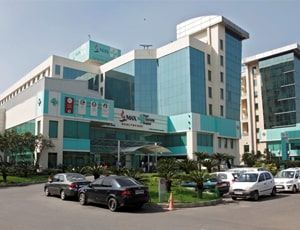
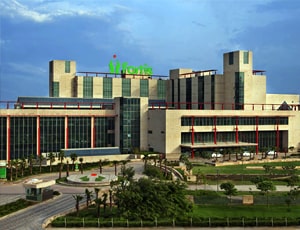
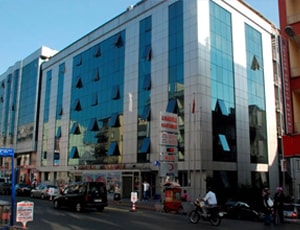
Ergeli Anadolu Hospital is a renowned hospital in Turkey with 209 employees and 30 well-trained doctors. The hospital provides treatments across 23 specialities and has 87 beds. There are also more than 31 intensive care beds and 29 polyclinics to deliver quality healthcare services to patients. It is noteworthy that all the doctors at the hospital are board-certified and well-trained. Additionally, the hospital is technologically advanced with facilities like CT, MRI, Ultrasound and well-furnished suite/ standard rooms for patients.
The Brain and Nerve Surgery Department is reputed for providing exceptional healthcare to neurological patients. Stroke treatment is also offered by competent neurosurgeons and neurologists at the hospital. Besides stroke treatment, rehabilitation services can also be availed at the hospital to overcome the after-effects of stroke. Most patients choose to obtain rehab to mitigate the impact of stroke on their overall well-being. Some of the stroke experts at the hospital are Dr Aytekin Ceviz and Dr Sabri Karakor.


Baskent University Istanbul Hospital is an ISO-certified facility with a vision to impart advanced treatments to patients from around the world. The hospital has a patient-oriented approach and employs evidence-based treatments to obtain successful results. Baskent University Hospital has a capacity of 126 beds and 5 operation theatres. On average, the hospital attends to 4000 surgical patients annually. The hospital has a dedicated Stroke Center that offers treatments such as mechanical thrombectomy. Stroke patients are often referred to the centre so that they can receive appropriate treatment promptly. Angiographic removal of the blood clot is commonly performed within 24 hours of a stroke. Prof. Dr. Omer Kozan M.D. is one of the stroke specialists at the hospital who is trained in all stroke treatments.
The Physical therapy and rehabilitation unit plays a critical role in helping stroke patients with movement issues and improving their ability to carry out daily tasks. Rehabilitation therapies help stroke patients return to daily living and restore various crucial functions.


Ghaziabad, India
Number of Beds: 9500
Year of Establishment: 2010

Ask your healthcare adviser for the best multiple options and choose the one that meets your expectations

| Speciality | Neurology |
| Procedure | Stroke Treatment |
| Success Rate | Varies by condition |
| Recovery Time | Varies by condition |
| Treatment Time | Varies by condition |
| Chances of Recurrence | Varies by condition |
Stroke treatment involves a combination of various interventions to minimize damage to the brain. The treatment approach depends on the type of stroke, whether it is ischemic (caused by a blood clot) or hemorrhagic (caused by bleeding in the brain). Ischemic stroke treatment may involve medications to dissolve or remove the clot, while hemorrhagic stroke treatment focuses on stopping bleeding and relieving pressure on the brain.
Stroke treatment can address a range of medical conditions, including ischemic stroke, hemorrhagic stroke, transient ischemic attacks (TIAs), and certain underlying risk factors that contribute to stroke, such as high blood pressure, atrial fibrillation, and carotid artery disease. The goal is to prevent further damage to the brain, restore blood flow, and manage risk factors to reduce the likelihood of future strokes.
The recovery process after a stroke depends on the severity of the stroke and individual factors. The recovery process includes rehabilitation programs like physical therapy, occupational therapy, speech therapy, and other specialized therapies. The focus is on improving motor skills, restoring speech and language abilities, and regaining independence in daily activities. Recovery is gradual and may take months or even years. Doctors may suggest lifestyle modifications and prescribe certain medications to prevent future strokes.

Patients are those who went to sleep healthy and woke up with stroke symptoms, or a stroke occurs during sleep; this is known as a wake-up stroke.