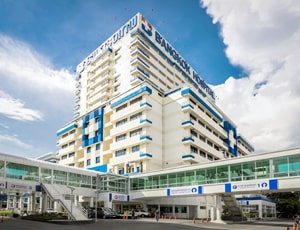
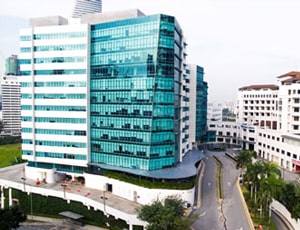
Kuala Lumpur, Malaysia
Number of Beds: 277
Year of Establishment: 2007
Medical Tourism Hospital of the Year 2024
Clinical Service Initiative of the Year 2024
Best in Community Involvement of the Year 2023
Brand of the Year in Healthcare of the Year 2023
Orthopaedic Service Provider of the Year 2023
Clinical Service Initiative of the Year 2023
Medical Tourism Hospital of the Year of the Year 2023
Top Children’s Hospital of the Year 2022
MRO Service Star of the Year 2022


Awarded by: Confederation of Indian Industry (CII)
Awarded by: Quality Council of India, in association with the Ministry of Health & Family Welfare
Awarded by: Federation of Indian Chambers of Commerce & Industry (FICCI)
Awarded by: Indian Excellence Awards
Awarded by: World Health Organization (WHO)


Istanbul, Turkey
Number of Beds: 441
Year of Establishment: 2022

Ask your healthcare adviser for the best multiple options and choose the one that meets your expectations

| Speciality | Cardiac Sciences |
| Procedure | ICD Combo Device (Only Surgery) |
| Success Rate | 95-98% |
| Recovery Time | 2-4 weeks |
| Treatment Time | 2-3 hours |
| Chances of Recurrence | 2% |
An ICD Combo Device is also known as an Implantable Cardioverter Defibrillator Combo Device. It is a specialized cardiac device used to treat life-threatening arrhythmias in the heart. ICD combo, as the name suggests, is a combination of two devices: an implantable cardioverter-defibrillator (ICD) and a cardiac resynchronization therapy (CRT) device. The ICD component monitors the heart's rhythm and delivers an electrical shock to restore normal heart rhythm in case a dangerous arrhythmia is detected. The CRT part of the device is responsible for synchronizing the heart's pumping action in patients with heart failure.
The ICD Combo Device is primarily used to treat conditions such as ventricular tachycardia and ventricular fibrillation, both types of life-threatening arrhythmias that can cause sudden cardiac arrest.
Recovery after the ICD Combo Device implantation typically involves a hospital stay of a few days. Patients usually experience some soreness and discomfort at the site of the incision, which improves gradually. During the recovery period, patients are recommended to avoid heavy lifting and strenuous activities to allow the incision site to heal properly. Regular follow-up visits with the cardiologist are necessary to monitor the device's function and make any necessary adjustments to its settings.