Affordable World-class Treatment - Accredited Hospitals - Free Treatment Plan in 24 Hrs

Share your details to receive a personalised treatment plan, estimated costs, hospital recommendations, and expert guidance, “completely free.”
Your information is protected with HIPAA-compliant security standards. We only share your details with hospitals after your consent.
| City | Minimum Cost (USD) | Minimum Cost (TRY) | Maximum Cost (USD) | Maximum Cost (TRY) |
|---|---|---|---|---|
| Ankara | USD 2000 | 78120 | USD 36000 | 1406160 |
| Antalya | USD 2000 | 78120 | USD 36000 | 1406160 |
| Istanbul | USD 2000 | 78120 | USD 36000 | 1406160 |
| Izmir | USD 2000 | 78120 | USD 36000 | 1406160 |
| Kocaeli | USD 2000 | 78120 | USD 36000 | 1406160 |
| Sakarya | USD 2000 | 78120 | USD 36000 | 1406160 |
| Samsun | USD 2000 | 78120 | USD 36000 | 1406160 |
| Tokat | USD 1800 | 70308 | USD 32400 | 1265544 |
| Trabzon | USD 1800 | 70308 | USD 32400 | 1265544 |
| Usak | USD 1800 | 70308 | USD 32400 | 1265544 |
| Zonguldak | USD 1800 | 70308 | USD 32400 | 1265544 |
| City | Cost (USD) | |
|---|---|---|
| Ankara | $2,000 – $36,000 | Explore More |
| Antalya | $2,000 – $36,000 | Explore More |
| Canakkale | $1,800 – $32,400 | Explore More |
| Istanbul | $2,000 – $36,000 | Explore More |
| Izmir | $2,000 – $36,000 | Explore More |
| Kocaeli | $2,000 – $36,000 | Explore More |
| Sakarya | $2,000 – $36,000 | Explore More |
| Samsun | $2,000 – $36,000 | Explore More |
| Tokat | $1,800 – $32,400 | Explore More |
| Trabzon | $1,800 – $32,400 | Explore More |
| Usak | $1,800 – $32,400 | Explore More |
| Zonguldak | $1,800 – $32,400 | Explore More |


Our dedicated Medical Patient Advisors are here to answer your questions, help you compare treatment options, estimate costs, and guide you through every step of your healthcare journey.
Epilepsy is a neurological problem characterized by repeated seizures. There are numerous varieties of epilepsy, some of which have been linked to causes and others that remain unknown.
According to the Centers for Disease Control and Prevention, epilepsy is a prevalent disorder that affects roughly 1.2% of the US population. It affects people of all sexes, races, ethnicities, and ages.
Seizure symptoms differ greatly across people. Some people may lose consciousness during a seizure, while others may not. Some people may experience brief periods of blank staring, while others may have convulsions that involve recurrent shaking of the limbs or legs.
It is crucial to realize that having one seizure doesn't mean you have epilepsy. Epilepsy is diagnosed when a person experiences at least two unprovoked seizures occurring at least 24 hours apart. Unprovoked seizures are those that do not have a clear immediate cause.
There are four main types of Epilepsy according to the revised classification:
Approximately half of individuals with epilepsy have no identifiable cause for their condition. For the other half, epilepsy can be related to many factors, such as:
The primary aims of treating epilepsy are to prevent harm, reduce the frequency and severity of seizures, suppress or abolish them completely, and improve the patient's overall quality of life. Reducing drug side effects and enabling healthy physical, mental, and social development are also long-term care goals.
If you notice any of the following during a seizure, seek medical care immediately: The seizure lasts longer than five minutes. Even after anti-seizure medication, you continue to have seizures, a second seizure occurs immediately, and your breathing or consciousness does not return when the seizure stops. Seek medical attention if it is your initial seizure.
A neurological examination, an electroencephalogram (EEG), MRI or CT brain scans, and a detailed medical and seizure history are all included in the diagnosis and treatment planning. Patients may need blood tests before they start or change treatment, keep a seizure diary, and provide a list of all their current medications.
It may take weeks or months to adapt to new drug regimens. Surgery usually lasts three to six hours, and hospitalisation lasts three to seven days. Placement of a VNS, RNS, or DBS typically requires one to three hours. Drug monitoring and follow-up over the long term are ongoing.
For the majority of patients, therapy significantly reduces or eliminates seizures, helping restore safety, independence, and daily functioning. With continuous treatment or surgery, individuals might stop having seizures.
Recovery from surgery involves rest, care of the wound, and a gradual return to normal activities. Medication and device changes may be required for months. Patients require frequent neurological checks, blood work, and monitoring of seizures for ongoing care.
Approximately 60\u201370% of patients experience good seizure control with medication. Surgery may yield seizure freedom in 50\u201380% of appropriate patients. Non-medication treatments provide uncertain success and are generally reserved for medication-resistant epilepsy.
70–90%
Effective seizure control3–7 days
Typical hospital stay4–8 weeks
Treatment recovery and stabilizationOur experienced Medical Patient Advisors have supported 100,000+ patients across 120+ countries with personalised treatment plans, hospital recommendations, cost estimates, and travel assistance, all free.
✓ Free Consultation ✓ No Obligation ✓ Personalized Treatment Plan ✓ Response Within 24 Hours
Your medical info is kept HIPAA-style confidential. We never share with hospitals without your consent.

Opinion & Option
We submit the most accurate opinion and options from one or more countries for your review
Consult Privately
Consult with a certified specialist privately on our telemedicine platform even before you decide to travel
Logistics
We handle flights, visas, transfers, and accommodation—so you can focus on your health.
Recovery
Our In-house rehabilitation service packages to better your recovery and treatment outcome

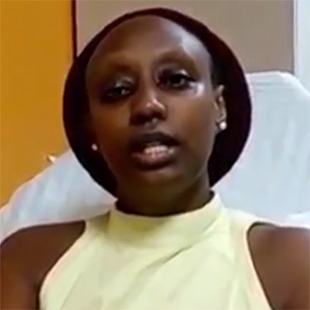
Ms Patience from Uganda travelled to India for cosmetic surgery in May 2017. She got her treatment done in Asian…

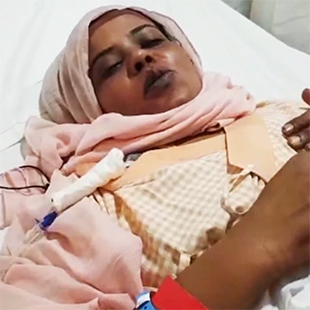
Lobna (from Sudan) was diagnosed with meningioma, a form of non-cancerous brain tumor. Her family members decided to take her…
Epilepsy Treatment package cost in Istanbul has different inclusions and exclusions. The Epilepsy Treatment package cost usually includes all the expenses related to pre and post surgery expenses of the patient. The treatment cost usually includes the expenses related to hospitalization, surgery, nursing, medicines, and anesthesia. Stay outside the package duration, port-operative complications and diagnosis of a new condition may further increase the Epilepsy Treatment cost in Istanbul.
Epilepsy Treatment in Istanbul is offered by multiple hospitals across the country. Some of the most renowned hospitals for Epilepsy Treatment in Istanbul include the following:
Upon discharge from the hospital after Epilepsy Treatment in Istanbul, the patients are advised to stay for about 18 days for recovery. This is important to ensure that the surgery was successful. During this time, control and follow-up tests take place to check for medical fitness.
Apart from the cost of Epilepsy Treatment, the patient is also required to pay additionally for daily meals and guest house accommodation. The per day extra expenses in Istanbul per person are about 40 USD.
There are several doctors who are available for telemedicine consultation for patients requiring Epilepsy Treatment in Istanbul. There are many kidney transpant surgeons who offer video telemedicine consultation, including the following:
Some of the most sought after doctors available for online video consultation for Epilepsy Treatment in Istanbul are:
| Doctor Name | Cost | Book Appointment |
|---|---|---|
| Dr. Baran Yilmaz | 290 | Book Now |
| Dr. Celal Salcini | 165 | Book Now |
| Dr. Baris Metin | 275 | Book Now |
| Dr. Professor Mustafa Bozbuga | 290 | Book Now |
| Dr. Akin Akakin | 208 | Book Now |
The patient has to spend about 3 Days in the hospital after Epilepsy Treatment for proper recovery and to get clearance for discharge. This time frame is important for the patient to recover properly and feel comfortable after the surgery. With the help of several tests, it is determined that the patient is doing fine after the surgery and is okay to be discharged.
Hospitals offering Epilepsy Treatment in Istanbul are rated 4.3 on an average. This rating is automatically calculated on the basis of several parameters such as the infrastructure of the hospital, quality of services, nursing support, and other services.
There are around 5 Hospitals hospitals in Istanbul that offer Epilepsy Treatment to international patients. These hospitals have proper infrastructure for the treatment of patients who require Epilepsy Treatment. Also, these hospitals follow the necessary guidelines as required by the medical associations for the treatment of Epilepsy Treatment patients.
Some of the most sought after doctors for Epilepsy Treatment in Istanbul are:
Have your reports reviewed by independent oncology experts to help you make a confident treatment decision, all online within 48 hours.
Upload Your Reports