Your Notifications
All done, no notifications

Microdiscectomy Cost in India

USD 4500 - USD 6000

Affordable World-class Treatment - Accredited Hospitals - Free Treatment Plan in 24 Hrs

1
Days in Hospital
1-2 hrs
Procedure Time
90 - 95%
Success Rate
Microdiscectomy: Cost, Procedure and Clinics | MediGence
JCI/ISO 100,000+ Patients 24X7 Coordinator Visa & Travel handled
Your all-in-one medical travel platform for treatment, recovery & care.

Get Your Personalised Treatment Plan in Just 24 Hours.

Share your details to receive a personalised treatment plan, estimated costs, hospital recommendations, and expert guidance, “completely free.”

Required | alphabets and spaces
Required | A valid, working email address
Required | A valid contact
Connect with an Expert

Your information is protected with HIPAA-compliant security standards. We only share your details with hospitals after your consent.

Estimated Treatment Cost
USD 4500 - USD 6000
All-inclusive • Hospital + Medications + Recovery Assistance + Dedicated Care Coordinator

International Quality. Affordable Care.

How Much Does Microdiscectomy Cost in India?

The cost of Microdiscectomy in India typically ranges between USD 4500 - USD 6000.

However, this cost can vary depending on several factors, including the type and severity of the condition, treatment techniques chosen, the healthcare facility's location and reputation, the treating professionals' experience and specialisation, and the patient's overall health status.

Additionally, factors like the duration of treatment, the need for follow-up care, and the use of advanced technologies or specialized treatments can further influence the overall cost.

Factors Influencing the Cost of Microdiscectomy:

  • Type of Procedure: The cost of the procedure can be affected by its complexity, including whether it is a single-level or multi-level microdiscectomy; multi-level surgeries are often more costly.
  • Hospital and Location: Hospitals in urban areas or those with higher operating expenses may charge more than rural hospitals.
  • Pre-Treatment Tests: The cost may increase if diagnostic imaging is used to assess the herniated disc and plan the operation, such as MRIs, CT scans, or X-rays.
  • Post-Treatment Care: Physical therapy, pain treatment, follow-up visits, and any post-operative drug costs may all add to the overall cost.
  • Length of Hospital Stay: Hospital stays may become more expensive due to complicated surgeries or complications.

A minimally invasive surgical technique called microdiscectomy is performed to treat a herniated disc in the spine, usually in the lower back. A tiny piece of the disc pushing on a nerve root and causing discomfort, numbness, or paralysis in the back or legs is removed during surgery.

Under general anaesthesia, a microdiscectomy involves making a tiny incision, often less than an inch long, through which surgical tools or a tiny microscope are inserted to reach the damaged spine. Compared to open surgery, this method enables doctors to precisely remove the injured disc material while causing the least harm to the surrounding tissues, resulting in a quicker recovery period and a lower chance of problems.

What's included in your Microdiscectomy quote?

Microdiscectomy
Minimally invasive spine surgery to remove part of a herniated disc and relieve nerve compression
Spine surgeon consultation
Pre-surgery evaluation, treatment planning, and post-operative follow-up consultations
Hospital stay & supportive care
Surgery, anaesthesia, nursing care, and recovery monitoring
Follow-up monitoring
Wound assessment, physiotherapy guidance, and routine follow-up visits
Visa & medical-visa invite letter
Airport pickup & transfers

Cost of Microdiscectomy in Major Cities of India

City Cost (USD)
Ahmedabad $4,050 – $5,400 Explore More
Bangalore $4,500 – $6,000 Explore More
Calicut $3,600 – $4,800 Explore More
Chennai $4,500 – $6,000 Explore More
Delhi $4,500 – $6,000 Explore More
Faridabad $4,500 – $6,000 Explore More
Ghaziabad $4,500 – $6,000 Explore More
Gurgaon $4,500 – $6,000 Explore More
Gurugram $4,500 – $6,000 Explore More
Hyderabad $4,500 – $6,000 Explore More
Kochi $4,500 – $6,000 Explore More
Kolkata $4,500 – $6,000 Explore More
Mohali $4,050 – $5,400 Explore More
Mumbai $4,500 – $6,000 Explore More
Noida $4,500 – $6,000 Explore More
Panjim $4,050 – $5,400 Explore More
Pune $4,050 – $5,400 Explore More

Microdiscectomy - India Vs the World

$0 - $0
$3k - $6k
$4k - $6k
$5k - $6k
$5k - $15k
$5k - $12k
$6k - $7k
$8k - $12k
$8k - $16k
$9k - $16k
$10k - $50k
$15k - $35k
$18k - $22k

Find the Right Destination for Your Microdiscectomy Journey

Dr. Abdullah Rahil
Author

MPT (Neuro)

7 Years of Experience

Last Reviewed - June 2026

Dr. Abdullah Rahil, M.P.T. (Neurology), is a dedicated physiotherapy professional specializing in orthopedic, neurological, and musculoskeletal rehabilitation. With strong clinical expertise, he focuses on improving patient mobility, reducing pain, and restoring functional independence through evidence-based rehabilitation techniques. He is skilled in advanced therapeutic approaches that support effective rehabilitation and recovery for a wide range of musculoskeletal and neurological conditions, focusing on improving mobility, reducing pain, and restoring functional independence. Dr. Rahil has extensive experience managing diverse rehabilitation cases. His patient-centered approach emphasizes personalized treatment plans, continuous assessment, and comprehensive rehabilitation to achieve optimal recovery outcomes.
View More
⁠Dr Rakesh Kumar Dua
Reviewer

Spine & Neurosurgeon

25 Years of Experience

Last Reviewed - June 2026

Dr. Rakesh Dua has more than 25+ years of clinical experience in spine surgeries. He is currently providing his services as Director, Neuro & Spine Surgery at Fortis Hospital, Shalimar Bagh. Before joining Fortis Hospital, he was associated with Max super-specialist Hospital, Shalimar Bagh as Director Neurosurgery & Head Neuro Spine, and with UCMS & GTB hospital as head of the neurosurgery department.
View More

Need Help Choosing the Right Treatment? Talk to a Medical Advisor

Our dedicated Medical Patient Advisors are here to answer your questions, help you compare treatment options, estimate costs, and guide you through every step of your healthcare journey.

15 min
Average response time

Serving Patients Worldwide in Multiple Languages.

Microdiscectomy, also known as microdecompression or cervical microdiscectomy, is one of the most commonly performed spine surgeries. This procedure is particularly preferred for patients with a lumbar herniated disc. The primary goal of a microdiscectomy is to relieve pressure on a spinal nerve root by removing the material causing the pain.

Traditionally, this was achieved through an open technique called lumbardiscectomy surgery, which involved making a large incision and cutting some of the back muscles, leading to a slow and painful recovery. However, modern advancements have led to the development of microdiscectomy, which achieves the same goal with a smaller incision and minimal injury to the back muscles. Consequently, recovery is quicker and less painful.

During a microdiscectomy, a special microscope is used to view the disc and nerves. This magnified view allows the surgeon to make a smaller incision, causing less damage to the surrounding tissues.

Microdiscectomy is done to reduce pressure on a spinal nerve from a herniated disc in the lower back. It's usually prescribed when nonoperative treatments such as physical therapy, rest, or medication do not improve leg pain (sciatica), numbness, or weakness resulting from compression of a nerve.

A doctor should evaluate you if you have ongoing leg pain, numbness, or weakness that doesn't improve after a few weeks of treatment without surgery. Loss of bladder or bowel control is an emergency and needs to be evaluated right away.

You might have an MRI or CT scan to establish the diagnosis before surgery. You'll be required to discontinue some medications, such as blood thinners, not eat or drink for a specified time before the procedure, and make arrangements for assistance after surgery. Pre-op clearance may involve blood work and a physical examination.

The doctor performs a small cut in the lower back and employs a microscope or surgical loupes for magnification. Some herniated disc material compressing the nerve is excised using special tools, taking pressure off. Surrounding structures, such as bone or ligament, can be trimmed if necessary.

The procedure typically lasts 1 to 2 hours. It's commonly an outpatient procedure, but some patients will require an overnight hospital stay.

  • Infection
  • Bleeding
  • Nerve injury
  • Spinal fluid leak
  • Re-herniation of the disc

Microdiscectomy quickly relieves leg pain in most patients and restores function and mobility. It facilitates an earlier return to everyday activities than more complex spinal procedures.

Most individuals return to light activity within a few weeks. Full recovery, including return to exercise or work, can take 4\u20136 weeks, depending on your occupation and general health. Physical therapy can be suggested to build strength in your back and avoid recurrence.

The success rate is 85\u201395% for relieving leg pain due to a herniated disc. Results are improved in patients with single disc herniation and no severe spinal degeneration.

90–95%

Success rate for relief of leg pain and improved nerve function

1–2 days

Typical hospital stay

2–6 weeks

Return to normal daily activities depending on recovery and rehabilitation
Explore Hospitals ( 78 )

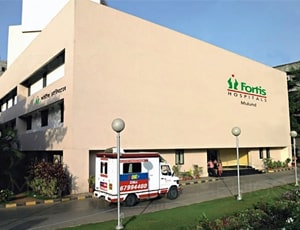
Gurgaon, India

3.5 - 3 reviews · 311+ Beds · 274+ Procedures
JCI NABH NABL
Starting
USD 5480

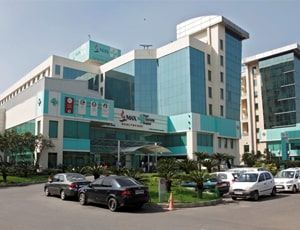
Delhi, India

539+ Beds · 305+ Procedures
JCI NABH
Starting
USD 5400

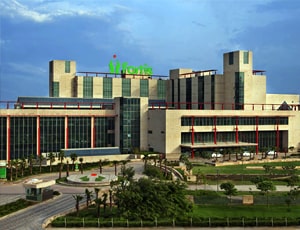
Bangalore, India

280+ Beds · 271+ Procedures
NABL NABH
Starting
USD 5130

Delhi, India

100+ Beds · 168+ Procedures
NABH NABL
Starting
USD 5190

Gurgaon, India

345+ Beds · 164+ Procedures
NABH NABL

Chennai, India

1000+ Beds · 215+ Procedures
JCI NABH
Starting
USD 5330

Gurugram, India

150+ Beds · 225+ Procedures
NABH JCI AACI

Ghaziabad, India

9500+ Beds · 199+ Procedures
NABH NABL

Mumbai, India

350+ Beds · 183+ Procedures
NABH
Starting
USD 5090

Chennai, India

550+ Beds · 269+ Procedures
JCI
Starting
USD 5240

Get Your Microdiscectomy
Plan in 24 hrs.

Our experienced Medical Patient Advisors have supported 100,000+ patients across 120+ countries with personalised treatment plans, hospital recommendations, cost estimates, and travel assistance, all free.

HIPAA-Compliant Data SecurityShared Only with Your Consent

Free Consultation No Obligation Personalized Treatment Plan Response Within 24 Hours

Required | alphabets and spaces
Required | A valid, working email address
Required | A valid contact

Your medical info is kept HIPAA-style confidential. We never share with hospitals without your consent.

Process Involved for Microdiscectomy in India

  • Consultation: Consult with a neurosurgeon or spine expert for assessment.
  • Pre-surgical examination: Discuss medical history and symptoms and have imaging tests performed.
  • Discussion of Treatment: Determine if microdiscectomy is suitable or if further therapies are required.
  • Surgical Planning: Learn about the process, possible risks, and recovery after surgery.
  • Post-Surgery Follow-up: Regular consultations to assess pain management and recovery.
  • Lumbar Herniated Disc
  • Sciatica.
  • Radiculopathy
  • Spinal Stenosis
  • Degenerative Disc Disease
  • Severe or persistent numbness from a herniated disc, limb discomfort, or back pain.
  • Non-surgical treatments have failed.
  • An MRI or CT scan clearly shows a herniated disc.
  • Symptoms of nerve compression include sciatica, weakened muscles, or impaired reflexes.
  • Significant pain relief, especially from sciatica and leg pain.
  • It is a minimally invasive procedure with less muscle disruption.
  • Faster recovery time compared to traditional surgeries.
  • Improved functionality and reduced symptoms such as weakness or numbness.
  • Orthopedic Spine Surgeon
  • Neurosurgeon
  • Fill out the inquiry form: Fill out the form to provide us with the relevant information about your condition.
  • Consult with Our Healthcare Expert: One of our qualified specialists will contact you for a consultation.
  • Receive a Detailed Treatment Plan: After examining your situation, we will provide you with a detailed treatment plan that includes expert views and cost breakdowns for various choices.
  • Choose your preferred option: Choose the treatment option that suits you the best.
Jenny Wilson
Your Dedicated Medical Patient Advisor
Treatment planning • Hospital coordination • Multilingual support • Response within 15 minutes.
Our Services to Better your Experience

Opinion & Option

We submit the most accurate opinion and options from one or more countries for your review

Consult Privately

Consult with a certified specialist privately on our telemedicine platform even before you decide to travel

Logistics

We handle flights, visas, transfers, and accommodation—so you can focus on your health.

Recovery

Our In-house rehabilitation service packages to better your recovery and treatment outcome

Patient Stories

Mr. James Evans Underwent Microdiscectomy Surgery at LIV Hospital in Turkey
Mr. James Evans
Mr. James Evans - Microdiscectomy in Turkey

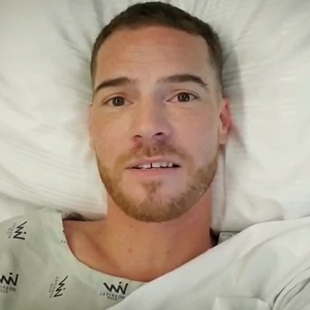
A USA resident, Mr James Evans 40Y/M, suffered from serious back pain. His doctor assisted him to get the spinal…

Robinson Trey
Robinson Trey
Successful Microdiscectomy in Turkey

Robinson Trey hails from Georgia, Atlanta, in the US. He experienced extreme pain in the lower back, which extended down…

Conditions treated by Microdiscectomy

Frequently Asked Questions

A. The minimum cost of Microdiscectomy in India is about USD$ 3000. Microdiscectomy in India is available across many hospitals in different states.

A. The cost of Microdiscectomy in India may differ from one medical facility to the other. The cost quoted by some of the best hospitals for microdiscectomy generally covers the pre-surgery investigations of the patient. The Microdiscectomy package in India includes the fees of the surgeon, hospitalization, and anesthesia as well. Extended hospital stay, complications after the surgery, or new diagnosis may affect the overall cost of Microdiscectomy in India.

A microdiscectomy is a surgical operation used to relieve pain and other symptoms caused by pressure on a nearby nerve root by a herniated disc in the spine. Throughout the procedure, the physician extracts tiny pieces of bone, ligament, and disc to release the nerve.

As microdiscectomy only involves a small incision and the use of surgical loupes or a microscope to magnify the damaged site, it is also referred to as minimally invasive spine surgery. Additionally, the surgeon makes use of smaller instruments and tools to operate in the limited space of the spine.

A. Microdiscectomy in India is offered by multiple hospitals across the country. For quick reference, the following are some of the leading hospitals for Microdiscectomy in India:

  1. Apollo Hospitals
  2. Manipal Hospitals Goa, Dona Paula
  3. Fortis Memorial Research Institute
  4. Apollo Multispecialty Hospitals
  5. Sarvodaya Hospital and Research Centre
  6. Asian Institute of Medical Sciences
  7. BGS Gleneagles Global Hospitals
  8. Aster Medicity
  9. Apollo Hospital
  10. Primus Super Speciality Hospital

A. After the Microdiscectomy in India, the patient is supposed to stay in a guest house for another 14 days. This duration of stay is recommended to complete all the necessary follow-ups and control tests to ensure that the surgery was successful.

A. India is one of the most popular countries for Microdiscectomy in the world. The country offers the best treatment for Microdiscectomy, the best doctors, and advanced hospital infrastructure. Some of the other top destinations for Microdiscectomy include the following:

  • Switzerland
  • Hungary
  • the United Arab Emirates
  • Czechia
  • South Korea
  • Singapore
  • Lithuania
  • Tunisia
  • Malaysia
  • Thailand

Apart from the Microdiscectomy cost, the patient may have to pay for additional daily expenses such as for a guest house after discharge and meals. The per day extra expenses in India per person is about USD 25.

A. Microdiscectomy in India is offered in almost all metropolitan cities, including the following:

  1. New Delhi
  2. Bengaluru
  3. Mumbai
  4. Ghaziabad

A. After the Microdiscectomy, the patient is supposed to stay for about 1 day in the hospital for recovery and monitoring. The doctor's team reviews the patient's recovery during this time with the help of blood tests and imaging scans. Once they feel that everything is on track, the patient is discharged.

A. Microdiscectomy hospitals in India have an overall rating of about 4.9. This rating is calculated based on different parameters such as the attitude of the nurses, cleanliness, quality of food, and the pricing policy.

A. There are about 64 hospitals in India that offer Microdiscectomy to international patients. Apart from good services, the hospitals are known to follow all standard and legal guidelines as dictated by the local medical affairs body or organization.

A. Microdiscectomy Surgery in India has developed as one of the most effective surgeries. In India, the complete solutions for the best microdiscectomy surgeries are accessible across the country. The rebuilding and maintenance of spine function by dealing with disorders of the spine with both non-operative and difficult surgical treatment modalities, microdiscectomy is a truly distinctive subspecialty of orthopedic or neurological surgery. India has guaranteed this service to avail with all the up-to-date technologies in various hospitals for the comfort of human beings.

After its wide-ranging attendance in the worldwide medical arena, microdiscectomy in India is methodically concentrated on how to make sure its patients benefit from their spinal disorders or conditions easily. Well-equipped with innovative medical technologies such as Computerized Tomography, Neuro-Navigation, advanced computerized image guidance system, Magnetic Resonance Imaging, and many more, India is making sure to progress with its outstanding built-in-class spinal surgeries and treatments.

A few of the newest medical equipment in Indian hospitals are CT scans, MRI scans, EEG, EMG, 2D Echo, digital X-ray, USG, PET- MR, C-Arm, BrainLab Navigation System, PET-CT, NovalisTx, Portable CT Scanner, DSA Lab, Tilting MRI, Cobalt-based HDR Brachytherapy, Hyperbaric Chamber, Endosonography, Fibroscan, 128 Slice CT scanner, 3 Tesla MRI, Gamma Camera, AEC (Automatic Exposure Control) and Da Vinci Robotic Surgery.

The best spine surgery treatment in India arises from the modern infrastructure of hospitals with more than 100 beds and luxury suites, operation theatres, over one advanced laboratory, ICUs, patient interpreters, and an advanced intensive therapy unit. The operation theatres are fortified with a catheterization laboratory and a laminar air flow system. The hospitals also have digital imaging facilities and computerized diagnostic laboratories. For the suitability of the patient, the spine hospitals also have emergency medical services, blood banks, Wi-Fi on the campuses, ambulance services, and multi-cuisine cafeterias.

A. List of best doctors in microdiscectomy in India:

  • Dr. Sandeep Vaishya, Fortis Hospital, Gurgaon
  • Dr. Sudhir Dubey, Medanta - The Medicity, Gurgaon
  • Dr. Madhusudan HV, BGS Gleneagles Global Hospital, Bangalore
  • Dr. Ashok Hande, Fortis Hiranandani Hospital, Mumbai
  • Dr. Harjinder S Bhatoe, Fortis Hospital, Noida
  • Dr. Arun Saroha, Max Hospital, Gurgaon
  • Dr. S.K. Sogani, Indraprastha Apollo Hospital, New Delhi
  • Dr. V.K. Jain, Max Super Specialty Hospital, Delhi

A. Some of the best cities to get Lumbar Microdiscectomy treatment in India done include Hyderabad, Mumbai, Delhi, Bangalore, Pune, Chennai, Ahmedabad, and Kolkata.

These metropolitan cities have highly skilled and acclaimed doctors, cost-effective treatment procedures, and world-class medical facilities. These hospitals provide many services including a private chef, supporting staff, translators, and private rooms with phone and Wi-Fi connections. They offer quality health services at reasonable costs alongside the finest treatment with positive results.

Q. Is LL Surgery in India Effective?

A. The success rate of L4-L5 surgery differs from 85%-95%. In recent years, India has emerged to be more successful in treating patients all over the globe with their expert doctors and high-end application of robotics with laser technology decreasing stitches and cuts.

A. The surgical technique of spine surgery is effective in giving about 80-90% relief from pain, especially in the buttocks and legs. A patient feels instant relief from pain but in some specific cases, it can take 5-7 weeks to heal the nerve. The success rate is rarely 100% when a nerve has been pinched for an extensive period. The success rate is as seldom in this case as there is usually mild pain, tingling, or fairly tolerable weakness.

A. The list of world-class Spine hospitals in India is as follows

  1. Apollo Hospitals, Chennai
  2. Indraprastha Apollo Hospital, Delhi
  3. Wockhardt Hospital, Bangalore
  4. Fortis Hospital, Delhi
  5. Cygnus Hospital, Delhi
  6. Sarvodaya Hospital, Faridabad
  7. Primus Hospital, Delhi
  8. Artemis Hospital, Gurgaon
  9. Max Super Specialty Hospital, Delhi
  10. BGS Global Hospital, Hyderabad
  11. Sakra World Hospital, Bangalore

Being one of the best healthcare destinations in the world, India provides all kinds of Spine Surgeries to patients. However, the most popular types of Spine Surgeries in India are –

  • Discectomy: Due to a hernia, the discs of the spine are pushed outwards which also affects the nerves surrounding the area. To treat the same, the procedure of Discectomy takes place in which a section of the disc gets removed.
  • Laminectomy: A roof-like covering called Lamina has the feature of basically protecting the spinal cord. In case the nerves inside the Lamina get compressed, it is treated by opening up the Lamina to operate the nerves.
  • Spinal fusion: In this procedure, a destabilized spine is temporarily stabilized by keeping two or more parts of the bone in a firm place with the help of screws and rods. As time goes by, the tissue of the bone grows over the mechanical parts making them act like a single solid bone which as a result provides the structure its planned rigidity.
  • Disc Replacement: When only a single disc creates complexities and all the other surrounding discs and facet joints are okay, then that one disc is replaced with the help of the Disc Replacement procedure.
  • Foraminotomy: The passages that carry nerve bundles from the spinal cord are known as intervertebral foramina. There are times when due to intervertebral foramina, the nerves get compressed. To relieve the pressure, Foraminotomy is carried out which is a minimally invasive procedure.

A. Patients who undergo Spine Surgery in India can easily get out of bed and walk within that particular day or the next day. To keep the effects of the surgery long-lasting, the patients are told to walk and do ordinary daily activities in a limited manner. Patients should avoid lifting heavy things, bending frequently, turning, climbing, or twisting for the first 6 weeks right after the surgery.

After the completion of 6 weeks, the patients are given physical therapy to gain strength and recover at a fast rate. When the first 3 months are over, the patients can increase the number of daily activities and slowly perform any sports activity which is very low on impact.

A. A microdiscectomy is a surgical procedure through which pressure from the herniated disc is relieved on the spinal nerves. Some major advantages of this operation are as follows:

  1. Pain Relief: Most of patient can experience the decrease in pain intensity, which include intensive pain in the legs, known as sciatica.
  2. Fast Recovery: In most cases, recovery time is short because this operation is less invasive than more conventional types of surgery.
  3. Less Muscle harm: Microdiscectomy is one of the methods that entail less cutting on the spinal muscles and thus, minimal effect on the body muscles.
  4. Enhanced movement: After a surgical intervention, patients admit that they can move and perform more functions compared to before the surgery.
  5. Reduced Complication Risk: As distinguished from more extensive operations, the dangers of problems are often less when the procedure is applied.
  6. Outpatient Procedure: While any type of discectomy can be performed in several ways, microdiscectomy can often be done on an outpatient basis allowing the patient to go home the same day.
  7. Preserved Spinal Stability: It is important on issues of spinal stability since microdiscectomy does not involve spinal fusion as is the case with some other surgical options.
  8. High Success Rate: Many research suggests good ache decrease and improved life quality after the surgeries.

A. Even though microdiscectomy is usually regarded as safe and effective, there are a few possible dangers and problems to be aware of, such as:

  • Infection: Every surgery has a danger of infection and in this certain operation it means an infection either at the site of the incision or deeper towards the vertebral column.
  • Bleeding: Even though most often not serious, hemorrhage may take place during or after the operation.
  • Nerve Damage: It is rare but possible that nerves next to them may be damaged as well. If this occurs, some forms of ailments such as numbness, or weakness may occur.
  • Reherniation: The disc may herniate again or other discs in the same area may one day begin to cause problems.
  • Formation of Scar Tissue: At the site of the surgery, scarring may occur, likely to cause pain or nerve entrapment.
  • Spinal Instability: Sometimes the procedure may result in instability of the spine, which would require further management.

A. Discectomies and Microdiscectomies: Their Differences

  1. Size of the incised area and the extent of tissue injury: The aim is to gain a better view of the disc and ensure that the optic nerve is not compromised a larger opening is usually made during a standard discectomy. In contrast, microdiscectomy involves a considerably smaller incision implying fewer losses of the adjacent muscles and tissues.
  2. Scarring: When opposed to a discectomy, a microdiscectomy typically leaves a far smaller scar because of the tiny incision. This is a cosmetic benefit that some patients can find significant, particularly if the surgery is done on a visible body part.
  3. Injury to Adjacent Structures: The nearby muscles and ligaments are not as strained in a microdiscectomy because the incision is small and specific instruments are used. The general number of elements impacted by surgery is reduced the possibility of post-operation complications such as infection and hyperhydration is diminished, and recovery occurs more rapidly.
  4. Hospitalization and the Recovery Process: People are usually discharged on the same day, or the day following the operation. However, microdiscectomy is less invasive than the standard discectomy, and patients who have undergone this surgery can go about their normal activities shortly after the surgery.
  5. Post-Operative Plan: Microdisectomy provides faster and relatively comfortable recovery is, therefore there is lesser influence on the spinal nerve and the related nerve roots. In a discectomy, the pain may persist for a longer time. While in the healing period of both surgeries patient needs physical therapy to regain strength in his muscles and decrease pain in the muscle area.

A. Consequently, whereas conservative approaches (chiropractic therapy, NSAIDs) have been unable to alleviate sciatica caused by herniated discs, microdiscectomy will generally be considered to be a possibility. Because this section of the disc is pressing on the nerve, the procedure can dramatically decrease the discomfort and increase function.

Many patients claimed overall improvement in their conditions based on studies, and effectiveness is often noted at between 80 to 90 percent. The majority of patients get relief from their pain in a few weeks and many can get back to their day-to-day activities in a few months.

However, the severity of the herniation, the condition of the patient, and the presence of any other disease can all influence the efficiency of the treatment. What must also be noted is how a microdiscectomy does a lot to relieve the discomfort yet issues may crop up now and again.

A. One of three minimally invasive methods—a midline, tubular, or endoscopic microdiscectomy—can be used to reach the herniated disc and nerve during microdiscectomy surgery.

Traditionally, a discectomy meant removing the entire disc, which meant making a huge incision. Thanks to the availability of sophisticated tools and methods, nearly all spine surgeons now carry out microdiscectomies. Pain relief from the operation is typically quick, sometimes even instantaneous.

A. Duration of rehabilitation may differ depending on the recovery after microdiscectomy among other things as well as the severity of the surgery. Most patients can be back on the job with very little exertion in about 1-2 weeks for instance if someone’s work does not allow him to lift heavy things or do other types of heavy work.

For activities that use up more physical power, you may take up to four to six weeks before you can return without getting injured. It can thus take between 3-6 months before one can gradually go back to intense exercises and sporting activities. If you want to be happy and recover as fast as possible you have to strictly listen to your surgeon and attend all the therapy sessions that have been prescribed.

A. It is, however, possible to re-herniate after a microdiscectomy; the possibility of this occurring will depend on the specific case. The literature review indicates that this risk ranges between five and fifteen percent. Re-herniation can result from the following factors:

  • Inadequate recuperation: Neglecting the advice given after surgery might increase the risk.
  • Engaging in mild exercises, lifting heavy objects, or doing activities that can exert additional force on the area can be dangerous.
  • Underlying conditions: Certain spine-related problems may also put one at risk of re-herniation.

Not Sure About Your Treatment Plan? Get a Free Second Opinion

Have your reports reviewed by independent oncology experts to help you make a confident treatment decision, all online within 48 hours.

Upload Your Reports
Free second opinion on your CAR-T plan