Your Notifications
All done, no notifications

TOF Repair Cost in Turkey

USD 19000 - USD 23073

Affordable World-class Treatment - Accredited Hospitals - Free Treatment Plan in 24 Hrs

7
Days in Hospital
18
Post-Hospital
95 - 98%
Success Rate
TOF Repair Surgery
JCI/ISO 100,000+ Patients 24X7 Coordinator Visa & Travel handled
Your all-in-one medical travel platform for treatment, recovery & care.

Get Your Personalised Treatment Plan in Just 24 Hours.

Share your details to receive a personalised treatment plan, estimated costs, hospital recommendations, and expert guidance, “completely free.”

Required | alphabets and spaces
Required | A valid, working email address
Required | A valid contact
Connect with an Expert

Your information is protected with HIPAA-compliant security standards. We only share your details with hospitals after your consent.

Estimated Treatment Cost
USD 19000 - USD 23073
All-inclusive • Hospital + Medications + Recovery Assistance + Dedicated Care Coordinator

International Quality. Affordable Care.

How Much Does TOF Repair Cost in Turkey?

The cost of TOF Repair in Turkey typically ranges between USD 19000 - USD 23073.

However, this cost can vary depending on several factors, including the type and severity of the condition, treatment techniques chosen, the healthcare facility's location and reputation, the treating professionals' experience and specialisation, and the patient's overall health status.

Additionally, factors like the duration of treatment, the need for follow-up care, and the use of advanced technologies or specialised treatments can further influence the overall cost.

Factors Influencing the Cost of TOF Repair:

  • Complexity of the case: Cost may vary depending on the severity of the condition.
  • Hospital and Location: Healthcare costs vary by location. Hospitals in urban areas or those with higher operating expenses may charge more than rural hospitals.
  • Pre-Treatment Tests: Diagnostic imaging such as x-rays, echocardiograms, and electrocardiograms can add to the cost.
  • Post-Treatment Care: Rehabilitation, medications, and follow-up consultations also impact the expenses.
  • Length of Hospital Stay: Hospital stays may become more expensive due to complicated surgeries or complications.

Tetralogy of Fallot is a congenital heart condition that exists from birth. Four connected cardiac abnormalities alter the way blood travels through the heart and to the lungs in the tetralogy of Fallot (TOF).

Open cardiac surgery is used to repair TOF shortly after birth or later in infancy. Some babies require many cardiac surgeries. Most babies who receive treatment recover rather well but require many follow-up appointments with a cardiac expert.

What's included in your TOF Repair quote?

TOF repair surgery
surgeon fee, operating room charges
Cardiac surgery consultations
Value: Evaluation, surgery and follow-up
Key: 7–10-day hospital stay
ICU care, cardiac monitoring, and recovery management
10–14-day in-country follow-up
Echocardiogram, wound check, and cardiologist consultation
Visa & medical-visa invite letter
Airport pickup & transfers

Cost of TOF Repair in Major Cities of Turkey

City Cost (USD)
Ankara $19,000 – $23,073 Explore More
Antalya $19,000 – $23,073 Explore More
Canakkale $17,100 – $20,765 Explore More
Istanbul $19,000 – $23,073 Explore More
Izmir $19,000 – $23,073 Explore More
Kocaeli $19,000 – $23,073 Explore More
Samsun $19,000 – $23,073 Explore More
Tokat $17,100 – $20,765 Explore More
Trabzon $17,100 – $20,765 Explore More
Usak $17,100 – $20,765 Explore More
Zonguldak $17,100 – $20,765 Explore More

Tof Repair - Turkey Vs the World

$5k - $8k
$5k - $25k
$8k - $15k
$19k - $28k
$19k - $23k
$25k - $50k
$25k - $40k
$30k - $60k
Dr. Vihan Gautam
Author

BPT, MS in Healthcare Mgmt

4 Years of Experience

Last Reviewed - June 2026

Dr. Vihan Gautam is a distinguished Rehabilitation Specialist and Healthcare Management Professional, holding a Bachelor of Physiotherapy (BPT) from Rajiv Gandhi University of Health Sciences and a Master of Science in Healthcare Management (MSc) from the prestigious University of London, United Kingdom. With specialized clinical experience and his advanced medical knowledge in neuro-rehabilitation, musculoskeletal disorders, and evidence-based physiotherapy practices, enables him to develop patient-centered rehabilitation protocols and AI-driven care models that deliver measurable functional recovery outcomes. His diverse contributions across international rehabilitation programs, multidisciplinary care, and AI-driven healthcare initiatives uniquely position him as an emerging leader in neuro-rehabilitative care globally.
View More
Dr. Naresh Kumar Goyal
Reviewer

Cardiologist

21 Years of Experience

Last Reviewed - June 2026

Dr. Naresh Kumar Goyal is highly trained as a cardiologist with exposure in virtually all aspects of cardiology. He qualified with an MD in internal medicine in 1999 from SMS Medical College, Jaipur, and served in the Cardiology Department as an honorary resident. From this stage, he also started with training in the temporary pacing of the pacemaker as well as interventional services.
View More

Need Help Choosing the Right Treatment? Talk to a Medical Advisor

Our dedicated Medical Patient Advisors are here to answer your questions, help you compare treatment options, estimate costs, and guide you through every step of your healthcare journey.

15 min
Average response time

Serving Patients Worldwide in Multiple Languages.

A very rare, complex congenital heart disease, tetralogy of Fallot affects approximately 5 out of every 10,000 babies. It involves four different heart issues. It usually presents with ventricular septal defect, pulmonary stenosis, right ventricular hypertrophy, and overriding aorta, affecting how blood flows through the heart and to the rest of the body. Babies with this condition may have Cyanosis and appear blue or gray due to low oxygen levels. Doctors usually identify it during pregnancy or shortly after birth. In some cases, if symptoms are mild, they may remain unnoticed until adulthood. Treatment involves surgery, and lifelong checkups are necessary for those diagnosed with this condition.

The specific cause of tetralogy of Fallot is uncertain, but certain factors may heighten the chances of a baby being born with it. These risk factors include
  • A family history
  • Exposure to viruses like rubella (German measles) during pregnancy
  • Alcohol consumption
  • Poor nutrition
  • Smoking during pregnancy
  • Mother's age above 35
  • Presence of Down syndrome or DiGeorge syndrome in the baby.

TOF (Tetralogy of Fallot) repair is done to fix a birth defect associated with four heart problems. The objectives are to enhance blood flow to the lungs, fix oxygen content, avoid problems such as cyanosis (bluish colour), enhance quality of life, and enhance survival.

Consult a physician if a child or infant exhibits signs of cyanosis (blue color of the lips or skin), breathing trouble, poor feeding, slow growth, fainting, or heart murmurs. Early consultation with a pediatric cardiologist is important for diagnosis and planning treatment.

Preparation includes careful cardiac imaging (echocardiogram, cardiac MRI, or CT), electrocardiogram (ECG), oxygen level testing, and occasionally cardiac catheterization. Blood test and complete medical evaluation are performed. Parents might see a cardiac surgeon and anesthesiologist, and parents might be instructed to abstain from food and fluids prior to surgery.

TOF repair is an open chest surgery under general anesthesia. Methods may involve:

  • Patch closure of the ventricular septal defect (VSD).
  • Enlargement of the pulmonary valve and pulmonary artery to enhance pulmonary blood flow.
  • Resection of obstructive muscle beneath the pulmonary valve.
  • A transannular patch or conduit may be inserted sometimes to expand the right ventricular outflow tract.

Typically, the operation lasts four to six hours. Hospitalisation usually lasts five to ten days, depending on complications and the patient's recovery rate.

  • Bleeding
  • Infection
  • Heartbeat irregularities, or arrhythmias
  • Leakage in the pulmonary valve
  • Future interventions are necessary for residual defects.
  • Rare instances of heart failure

  • Corrects irregular heart shape
  • Increased oxygen in the blood

Early recovery is done in a pediatric intensive care unit (PICU). Complete recovery can take a few weeks. Patients usually require frequent follow-up with a pediatric cardiologist, echocardiograms, and occasionally lifelong observation. Some can require future surgery or valve replacements.

TOF repair has an extremely high success rate, particularly if done early (in many instances). Survival is more than 90–95% in most situations, with children being active and healthy into adult life.

Explore Hospitals ( 17 )
Starting
USD 12000
Starting
USD 12000

Ankara, Turkey

JCI
Starting
USD 12000
Starting
USD 12000
Starting
USD 12000

Istanbul, Turkey

JCI
Starting
USD 12000

Izmir, Turkey

ISO

Zonguldak, Turkey

JCI
Starting
USD 12000

Get Your TOF Repair
Plan in 24 hrs.

Our experienced Medical Patient Advisors have supported 100,000+ patients across 120+ countries with personalised treatment plans, hospital recommendations, cost estimates, and travel assistance, all free.

HIPAA-Compliant Data SecurityShared Only with Your Consent

Free Consultation No Obligation Personalized Treatment Plan Response Within 24 Hours

Required | alphabets and spaces
Required | A valid, working email address
Required | A valid contact

Your medical info has is HIPAA-style confidential. We never share with hospitals without your consent.

Process Involved for TOF Repair in Turkey

  • Pre-Surgical Evaluation: The diagnosis is verified by imaging and tests; medication is administered to regulate blood flow before surgery if necessary.
  • Complete TOF Repair
  • Post-Surgical Recovery & Monitoring: ICU treatment following surgery involves pain management, oxygen support, breathing, and ongoing monitoring of cardiac problems and function.
  • Long-Term Follow-Up & Care
  • Congenital heart defect
  • Pulmonary Stenosis
  • Ventricular Septal Defect (VSD)
  • Right Ventricular Hypertrophy
  • Overriding Aorta
  • Symptomatic Infants and Children
  • Newborns with Severe Cyanosis
  • Stable Older Infants and Children
  • Adults with Untreated or Incomplete TOF Repair
  • Shunt placement in newborns
  • Surgical widening of narrowed valve
  • Widening of the obstructed pathway
  • Pulmonary Valve Replacement
  • Transannular Patch Repair
  • Improves Oxygenation
  • Enhanced Heart Function
  • Increased Life Expectancy
  • Better Physical Growth & Development of newborn
  • Reduced Risk of Complications
  • Pediatric Cardiologist
  • Perfusionist
  • Pediatric Interventional Cardiologist
  • Cardiac Surgeon
  • Fill out the inquiry form: Fill out the form to provide us with the relevant information about your condition.
  • Consult with Our Healthcare Expert: One of our qualified specialists will contact you for a consultation.
  • Receive a Detailed Treatment Plan: After examining your situation, we will provide you with a detailed treatment plan that includes expert views and cost breakdowns for various choices.
  • Choose your preferred option: Choose the treatment option that suits you the best.
Jenny Wilson
Your Dedicated Medical Patient Advisor
Treatment planning • Hospital coordination • Multilingual support • Response within 15 minutes.
Our Services to Better your Experience

Opinion & Option

We submit the most accurate opinion and options from one or more countries for your review

Consult Privately

Consult with a certified specialist privately on our telemedicine platform even before you decide to travel

Logistics

We handle flights, visas, transfers, and accommodation—so you can focus on your health.

Recovery

Our In-house rehabilitation service packages to better your recovery and treatment outcome

Patient Stories

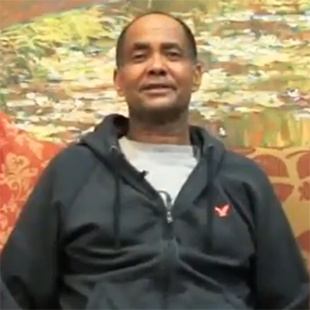
Mr Hailu Kassa : CABG Surgery
Mr Hailu Kassa
Mr Hailu Kassa : CABG Surgery

Mr. Hailu Kassa underwent Coronary Artery Bypass Surgery in Vejthani Hospital, Thailand under the supervision of Dr. Piya, Cardio-Thoracic Surgeon

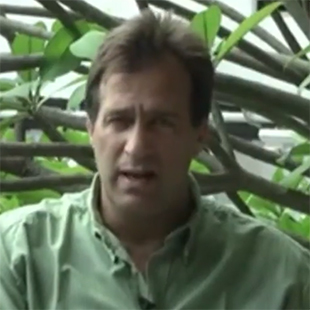
Rod Schaubroeck
Rod Schaubroeck
Rod Schaubroeck : Double Valve Replacement

Patient Testimonial: Rod Schaubroeck from United States (U.S.A) underwent heart valve replacement at Fortis Hospital, India

Conditions treated by TOF Repair

Frequently Asked Questions

A. The average cost of TOF Repair in Turkey starts from USD 19000 Only some of the best and certified hospitals in Turkey perform TOF Repair for international patients.

A. TOF Repair cost in Turkey varies from one hospital to the other. The cost quoted by some of the best hospitals for TOF Repair in Turkey generally covers the pre-surgery investigations of the patient. Typically, the package cost of TOF Repair in Turkey includes the expenses related to the surgeon's fee, anesthesia, hospital, meals, nursing, and ICU stay. Post-surgical complications, new findings, and delayed recovery may have an impact on the total TOF Repair cost in Turkey.

A. Tetralogy of Fallot is an uncommon congenital cardiac disease. It is therefore a congenital cardiac defect. A newborn with the illness has four distinct cardiac issues.

The heart's structure is impacted by these cardiac issues. Changes in the condition result in altered blood flow to the rest of the body and through the heart. Because of such low oxygen levels, babies with tetralogy of Fallot frequently have gray or blue skin.

The diagnosis of tetralogy of Fallot typically occurs during pregnancy or shortly after childbirth. Adulthood may be the time to detect or diagnose tetralogy of Fallot if the heart abnormalities and symptoms are mild.

A. The tetralogy of Fallot repair treatment has a 99% success rate, indicating its high effectiveness and safety. After surgery, children who have a successful repair of their tetralogy of Fallot typically need to stay in the hospital for seven to ten days.

A. Adults with congenital heart disease have a very high success rate for surgical correction of the defect when performed by a skilled surgeon. In one long-term research, 86% of adults who had surgery to treat tetralogy of Fallot survived for 36 years.

A. After Tetralogy of Fallot (TOF) repair surgery, post-operative care is essential to achieving the best possible recovery and long-term results. The main goals of the care requirements are to assist with general health, manage recovery, and avoid problems. An outline of the typical components of post-operative care is provided below:

  • Vital Signs: Heart rate, blood pressure, oxygen saturation, and temperature are continuously monitored to identify any urgent problems.
  • Incision Site: Continually check the surgical site for any indications of bleeding, infection, or other problems.
  • Fluid management is the careful administration of drugs and intravenous fluids to aid in healing and avoid fluid excess or dehydration.
  • Medication: Prescription drugs, both opioids and non-opioids, are used to treat pain to promote comfort and speed healing.
  • Early Activity: To prevent issues such as deep vein thrombosis (DVT) and to enhance circulation, gradually introduce mobility by starting with short walks and mild movements.
  • Follow-Up Visits: Schedule routine follow-up visits to track the healing process, handle any issues, and evaluate heart health.
  • Healthy Diet: To promote recovery and general health, have a balanced diet. Observe any dietary guidelines or advice that the medical staff has given you.
  • Imaging and testing: To evaluate the repaired heart and identify any possible problems, periodic echocardiograms, electrocardiograms, or other testing may be required.

A. A congenital heart defect known as tetralogy of Fallot (TOF) is caused by a combination of four distinct cardiac defects. The severity of the TOF signs and symptoms might vary, and they may become more noticeable in the early stages of infancy or youth. The following is a thorough summary of the typical indications and symptoms of TOF:

  • Cyanosis: a blue or purplish hue to the nails, lips, and skin as a result of low blood oxygen levels. Frequently evident soon after birth, particularly when the baby is crying or eating. It may serve as a crucial TOF indication.
  • Tet spells: Sudden bouts of cyanosis, dyspnea, and hyperactivity. There is less blood going to the lungs during these periods. may be brought on by weeping, eating, or physical activity.
  • Breathing difficulties include dyspnea or labored breathing, especially when exercising or eating. Depending on the degree of obstruction and other circumstances can range from minor to severe.
  • Heart murmur: An irregular sound produced by erratic blood flow in the heart that can be detected using a stethoscope. Right ventricular outflow tract blockage, or the constriction of the ventricle's outflow tract, is usually linked to the murmur in TOF.
  • Poor Weight Gain and Difficulty Feeding: Because of their lower oxygen levels and increased respiratory effort, infants with TOF may have difficulty feeding themselves and gaining weight. Developmental delays and decreased growth may result from these issues.
  • Fatigue and Weakness: Children with TOF may experience physical weakness and fatigue more quickly. When engaging in regular activities or physical activity, they could get tired.
  • Clubbing of Fingers and Toes: Chronic low oxygen levels can cause the fingertips and toes to swell and round over time. This disease is called "digital clubbing."
  • Arrhythmias: Abnormal heartbeats or palpitations may happen, especially in cases where there are more serious issues or if the illness is more advanced.

A. Tetralogy of Fallot (TOF) in children is diagnosed by a multidisciplinary team using imaging techniques, diagnostic assays, and clinical examination. This is a thorough rundown of the diagnostic procedure:

  • Family History: Find out whether there is any history of congenital cardiac abnormalities in your family.
  • Review of Symptoms: A discussion of symptoms includes breathing difficulties, cyanosis (bluish skin), and tetralogy spells (sudden episodes of cyanosis and breathing difficulties).
  • Check for indications of cyanosis, especially in the areas surrounding the lips, nails, and skin.
  • Heart Murmur: Using a stethoscope to listen for irregular heart sounds, called murmurs. A distinctive murmur is usually the first sign of TOF because of an erratic heartbeat.
  • Clubbing: Looking for signs of persistent low oxygen levels, such as rounding and swelling of the fingers and toes, also known as digital clubbing.
  • A chest X-ray gives a first-hand look at the heart and lungs. may have reduced blood flow to the lungs and have the distinctive "boot-shaped" heart silhouette caused by right ventricular hypertrophy (enlargement).
  • A cardiac ultrasound, or echocardiogram, uses sound waves to provide finely detailed pictures of the blood flow and anatomy of the heart. vital for visualizing the four defects—ventricular septal defect (VSD), pulmonary stenosis, right ventricular hypertrophy, and an overriding aorta—and verifying the diagnosis of transient otitis fundialis (TOF).
  • Magnetic resonance imaging, or cardiac MRI: Offers fine-grained pictures of the structure and operation of the heart. helpful for determining the severity of the abnormalities, gauging the size and function of the ventricles, and analyzing the heart's structure.
  • Genetic Testing: If there are many congenital defects or if there is a suspicion of linked genetic disorders, genetic testing may be advised, however, it is not always necessary. able to identify specific genetic disorders that could be connected to TOF.

A. The four congenital cardiac defects linked with tetralogy of Fallot (TOF) are ventricular septal defect (VSD), pulmonary stenosis, right ventricular hypertrophy (RVH), and an overriding aorta. The goal of TOF repair surgery is to rectify these problems. Depending on the patient's anatomy, the severity of the problems, and the surgeon's preferences, many surgical techniques may be used.

  • Conventional Open-Heart Surgery: This method is the most widely used and involves accessing the heart through a median sternotomy, or breastbone incision. This method offers direct access to the heart and enables thorough fault repair.
  • Minimally Invasive Surgery: Uses endoscopic methods or robotic support to repair with smaller incisions. Benefits from this strategy could include shorter recovery times, less pain after surgery, and less scarring. But it might not be appropriate for every patient or every kind of issue.
  • Hybrid Approach: Usually utilized in particular situations or for complicated cases, this approach combines surgical and catheter-based procedures. may entail getting ready for additional procedures or a partial surgical repair. further adjustments or procedures carried out via catheter-based methods.
  • If the pulmonary artery is severely deformed or constricted, a conduit repair is used. When there is a considerable obstruction of the outflow tract, this approach can be more successful; however, it might need to be replaced or revised in the future.
  • Extended Repairs and Reoperations: Carried out if later difficulties develop or if initial repairs prove insufficient. may include further surgery to treat persistent or reoccurring problems, such as pulmonary regurgitation, residual ventricles, or other consequences. To keep an eye out for any prospective problems that could need more assistance, long-term follow-up is crucial.

A. Although usually effective and life-saving, tetralogy of Fallot (TOF) repair surgery is not without risk and potential consequences. To manage expectations and get ready for post-operative care, it can be helpful to understand these risks. The following is a thorough summary of the dangers and side effects that could arise from TOF repair surgery:

  • Bleeding: Severe bleeding can happen during or after surgery, which may require additional surgical procedures or blood transfusions.
  • An infection can arise at the surgical site or in the chest cavity (mediastinitis).
  • Arrhythmias: Unusual cardiac rhythms can occur and can be either benign or fatal.
  • Heart Function Issues: Heart function issues might include heart failure or a decreased ejection fraction.
  • Defects, either Residual or Recurrent: Issues like pulmonary stenosis or residual ventricular septal defects (VSDs) may emerge, whether they are new or persistent.
  • Blood leaking back into the right ventricle from the pulmonary artery is known as pulmonary regurgitation, and it can happen if the pulmonary valve isn't working properly.
  • Pneumonia or respiratory problems after surgery include lung infections and breathing difficulties.
  • Fluid Imbalance: Problems relating to fluid balance, such as dehydration or fluid overload.
  • Renal Dysfunction: If complications arise after surgery, there may be a chance of developing temporary or chronic problems with renal function.
  • Developmental Delays: Due to their heart ailment and surgery, children may face developmental delays or difficulties.
  • Requirement for More Surgery: Some patients might eventually need more procedures, like valve replacements or repairs.

A. A child's recovery from Tetralogy of Fallot (TOF) repair surgery depends on several important factors. Here is a general roadmap to assist you with the procedure:

  • Follow Medical Advice: Consistently follow the guidance given by your child's surgeon and cardiologist.
  • Medication Management: Take prescription medications exactly as advised. This could involve taking medicines to support heart function, antibiotics to prevent infection, and pain treatment.
  • Wound Care: Maintain a dry and clean surgical site. Keep an eye out for any indications of infection, like elevated redness, swelling, or discharge.
  • Exercise Restrictions: Advise your youngster to engage in less physical exercise. To allow for adequate healing, they might need to take a break from sports and physically demanding activities for a while.
  • Track Symptoms: Keep an eye out for any indications of problems, like fever, dyspnea, or unexplained pain. Notify your healthcare practitioner right away if you experience any worrying symptoms.
  • Nutrition and Diet: To aid with healing, make sure your youngster consumes a balanced diet. They may have certain dietary requirements or needs.
  • Emotional Support: A child's recovery after surgery may be emotionally taxing. Offer consolation, assurance, and assistance. To aid in their sense of security, keep their surroundings serene and comfortable.
  • Attend all of the planned follow-up visits with the cardiologist and other experts for your child. These visits are essential for keeping an eye on recuperation and modifying care as necessary.
  • Knowledge and Assistance: Gain a better understanding of what to anticipate by educating yourself on TOF repair and recovery. Never be afraid to ask for help from medical professionals or parent support organizations when you need it.

A. Many hospitals across the country offer TOF Repair to international patients. Some of the best hospitals for TOF Repair in Turkey include the following:

A. After TOF Repair in Turkey, the patient is supposed to stay in a guest house for another 25 days. This time frame is important to ensure that the surgery was successful and the patient is fit to fly back.

A. Apart from the cost of TOF Repair, the patient is also required to pay additionally for daily meals and guest house accommodation. These charges start from USD 50 per person.

A. The following are some of the best cities for TOF Repair in Turkey:

  • Istanbul
  • Fethiye
  • Antalya
  • Ankara

A. The patient is supposed to stay at the hospital for about 5 days after TOF Repair for monitoring and care. This phase is important to ensure that the patient is recovering well and is clinically stable. During this time, several tests are performed before the patient is deemed suitable for discharge.

A. The average rating for TOF Repair hospitals in Turkey is 3.6. This rating is automatically calculated based on several parameters such as the infrastructure of the hospital, quality of services, nursing support, and other services.

A. There are more than 14 hospitals that offer TOF Repair in Turkey. These clinics have propoer infrastructure as well as offer good quality services when it comes to TOF Repair Additionally, these hospitals are known to comply with international standards as well as local legal requirements for the treatment of patients.

Not Sure About Your Treatment Plan? Get a Free Second Opinion

Have your reports reviewed by independent oncology experts to help you make a confident treatment decision, all online within 48 hours.

Upload Your Reports
Free second opinion on your CAR-T plan