Your Notifications
All done, no notifications

Pacemaker Implantation Surgery Cost in Delhi

USD 3000 - USD 5500

Affordable World-class Treatment - Accredited Hospitals - Free Treatment Plan in 24 Hrs

1
Days in Hospital
1-2 hrs
Procedure Time
95 - 99%
Success Rate
Pacemaker Implantation: Cost, Procedure and Clinics | MediGence
JCI/ISO 100,000+ Patients 24X7 Coordinator Visa & Travel handled
Your all-in-one medical travel platform for treatment, recovery & care.

Get Your Personalised Treatment Plan in Just 24 Hours.

Share your details to receive a personalised treatment plan, estimated costs, hospital recommendations, and expert guidance, “completely free.”

Required | alphabets and spaces
Required | A valid, working email address
Required | A valid contact
Connect with an Expert

Your information is protected with HIPAA-compliant security standards. We only share your details with hospitals after your consent.

Estimated Treatment Cost
USD 3000 - USD 5500
All-inclusive • Hospital + Medications + Recovery Assistance + Dedicated Care Coordinator

International Quality. Affordable Care.

Cost of Pacemaker Implantation Surgery in Major Cities of India

CityMinimum Cost (USD)Minimum Cost (INR)Maximum Cost (USD)Maximum Cost (INR)
AhmedabadUSD 2700231228USD 4950423918
BangaloreUSD 3000256920USD 5500471020
ChennaiUSD 3000256920USD 5500471020
DelhiUSD 3000256920USD 5500471020
FaridabadUSD 3000256920USD 5500471020
GhaziabadUSD 3000256920USD 5500471020
GurgaonUSD 3000256920USD 5500471020
GurugramUSD 3000256920USD 5500471020
HyderabadUSD 3000256920USD 5500471020
KochiUSD 3000256920USD 5500471020
KolkataUSD 3000256920USD 5500471020
MohaliUSD 2700231228USD 4950423918
MumbaiUSD 3000256920USD 5500471020
NoidaUSD 3000256920USD 5500471020
PanjimUSD 2700231228USD 4950423918
PuneUSD 2700231228USD 4950423918

Cost of Pacemaker Implantation Surgery in Major Cities of India

City Cost (USD)
Ahmedabad $2,700 – $4,950 Explore More
Bangalore $3,000 – $5,500 Explore More
Calicut $2,400 – $4,400 Explore More
Chennai $3,000 – $5,500 Explore More
Delhi $3,000 – $5,500 Explore More
Faridabad $3,000 – $5,500 Explore More
Ghaziabad $3,000 – $5,500 Explore More
Gurgaon $3,000 – $5,500 Explore More
Gurugram $3,000 – $5,500 Explore More
Hyderabad $3,000 – $5,500 Explore More
Kochi $3,000 – $5,500 Explore More
Kolkata $3,000 – $5,500 Explore More
Mohali $2,700 – $4,950 Explore More
Mumbai $3,000 – $5,500 Explore More
Noida $3,000 – $5,500 Explore More
Panjim $2,700 – $4,950 Explore More
Pune $2,700 – $4,950 Explore More

Find the Right Destination for Your Pacemaker Implantation Surgery Journey

Dr. Vihan Gautam
Author

BPT, MS in Healthcare Mgmt

4 Years of Experience

Last Reviewed - June 2026

Dr. Vihan Gautam is a distinguished Rehabilitation Specialist and Healthcare Management Professional, holding a Bachelor of Physiotherapy (BPT) from Rajiv Gandhi University of Health Sciences and a Master of Science in Healthcare Management (MSc) from the prestigious University of London, United Kingdom. With specialized clinical experience and his advanced medical knowledge in neuro-rehabilitation, musculoskeletal disorders, and evidence-based physiotherapy practices, enables him to develop patient-centered rehabilitation protocols and AI-driven care models that deliver measurable functional recovery outcomes. His diverse contributions across international rehabilitation programs, multidisciplinary care, and AI-driven healthcare initiatives uniquely position him as an emerging leader in neuro-rehabilitative care globally.
View More
Dr. Naresh Kumar Goyal
Reviewer

Cardiologist

21 Years of Experience

Last Reviewed - June 2026

Dr. Naresh Kumar Goyal is highly trained as a cardiologist with exposure in virtually all aspects of cardiology. He qualified with an MD in internal medicine in 1999 from SMS Medical College, Jaipur, and served in the Cardiology Department as an honorary resident. From this stage, he also started with training in the temporary pacing of the pacemaker as well as interventional services.
View More

Need Help Choosing the Right Treatment? Talk to a Medical Advisor

Our dedicated Medical Patient Advisors are here to answer your questions, help you compare treatment options, estimate costs, and guide you through every step of your healthcare journey.

15 min
Average response time

Serving Patients Worldwide in Multiple Languages.

A pacemaker is a tiny, battery-operated device that ensures your heart beats at the right speed. Surgery is required to implant the pacemaker, usually beneath the skin near your collarbone. It's also known as a cardiac pacing device.

A pacemaker implant is a small device that weighs around 20 g to 50 g and is the size of a matchbox. It has a pulse generator with a battery, a tiny computer circuit, and a few wires called pacing leads. This system is attached to the heart and it emits signals through the wires. The pacing rate or the rate of electrical impulses can be adjusted as per the requirement of the body and be accordingly programmed. It can sense if a heartbeat is missed or if the heart is beating too slowly. Accordingly, it starts sending a steady signal to normalize the beating of the heart. If the beats are normal, then it simply does not send any signal.

A pacemaker might be necessary if:
  • You have chronic heart failure, which is characterized by a prolonged, weak, or irregular heartbeat.
  • A pacemaker only activates when it detects irregular heartbeats. For instance, the pacemaker can adjust the heartbeat by sending electrical signals if it beats too slowly.
Pacemakers come in various types:
  • Single Chamber Pacemaker: Sends electrical signals to the lower right chamber of the heart.
  • Dual Chamber Pacemaker: Sends electrical signals to both the upper and lower right heart chambers.
  • Ventricular Pacemaker (Cardiac Resynchronization Pacemaker): Designed for individuals with heart failure and a slow heartbeat.Stimulates both lower heart chambers to strengthen the heart muscle.

A pacemaker is an electrical device that stimulates the heart to maintain a regular beat, speeding it up or slowing it down. The heart's natural electrical system keeps its rhythm normally, but this can become compromised in cases of injury to the heart muscle, certain medications, or genetic conditions. Pacemakers are often needed in some cases of heart failure and for long-standing slow or irregular heart rates.

Consult a doctor if you experience shortness of breath, palpitations, dizziness, fainting, or unexpected fatigue.

Preparation includes a complete assessment, such as an echocardiography, Holter monitor, ECG (electrocardiogram), and blood tests. Your physician may recommend stopping certain medications, including blood thinners, and fasting before the procedure.

  • Insertion of a pacemaker is frequently done under local anaesthesia and sedation.
  • A small incision is made near the collarbone.
  • Wires, or leads, are guided into the heart through a vein.
  • The leads are connected to the pacemaker device placed under the skin.
  • To satisfy the needs of the patient, the device is programmed externally.
  • The procedure is minimal and typically requires one to two hours.

Most patients remain in the hospital for a day following the one to two-hour pacemaker procedure. It can take several days to weeks to fully recover and return to normal activities.

  • Infection at the implant site
  • Bleeding or bruising
  • Lead dislodgement
  • Pneumothorax
  • Allergic reaction to anaesthesia
  • Device malfunction
  • Heart perforation

  • Protection against dangerous cardiac arrhythmias
  • Decreases symptoms, such as dizziness and fatigue
  • Enhances activity tolerance and quality of life

After pacemaker implantation, patients must keep their wounds clean, limit arm movement, and avoid strong magnets. The battery is good for five to fifteen years and must be serviced routinely.

Over 95% of individuals who receive a pacemaker implant indicate that they feel better and have improved heart function. Well-selected patients have significantly improved quality of life and long-term survival.

95%

Success rate for successful device implantation and rhythm control

1–2 days

Typical hospital stay

2–4 weeks

Return to normal daily activities with temporary arm movement restrictions
Explore Hospitals ( 19 )

Delhi, India

5.0 - 1 review · 650+ Beds · 302+ Procedures
JCI NABH
Starting
USD 4220

Delhi, India

310+ Beds · 126+ Procedures
NABL
Starting
USD 4080

Delhi, India

4.4 - 5 reviews · 710+ Beds · 304+ Procedures
JCI
Starting
USD 4060

Delhi, India

2.6 - 2 reviews · 325+ Beds · 242+ Procedures
NABL NABH
Starting
USD 4160

Delhi, India

250+ Beds · 215+ Procedures
NABH
Starting
USD 4300

Delhi, India

4.6 - 1 review · 400+ Beds · 282+ Procedures
NABH NABL AACI
Starting
USD 4190

Delhi, India

4.8 - 2 reviews · 162+ Beds · 204+ Procedures
NABH
Starting
USD 4140

Delhi, India

100+ Beds · 146+ Procedures
NABH NABL

Delhi, India

539+ Beds · 305+ Procedures
JCI NABH
Starting
USD 4380

Delhi, India

100+ Beds · 168+ Procedures
NABH NABL
Starting
USD 4070

Get Your Pacemaker Implantation Surgery
Plan in 24 hrs.

Our experienced Medical Patient Advisors have supported 100,000+ patients across 120+ countries with personalised treatment plans, hospital recommendations, cost estimates, and travel assistance, all free.

HIPAA-Compliant Data SecurityShared Only with Your Consent

Free Consultation No Obligation Personalized Treatment Plan Response Within 24 Hours

Required | alphabets and spaces
Required | A valid, working email address
Required | A valid contact

Your medical info is kept HIPAA-style confidential. We never share with hospitals without your consent.

Process Involved for Pacemaker Implantation Surgery in Delhi

  • Pre-Surgery Evaluation & Diagnosis
    • Electrophysiology Monitoring, CT scan
    • Electrocardiogram (ECG) & stress tests
    • Medical Adjustments
  • Pacemaker Implantation Procedure
    • Anesthesia
    • Lead Placement
    • Pacemaker Placement
    • Testing & Adjustment
  • Post-Surgery Recovery: cardiac monitoring, pain management and activity restriction
  • Follow-Up & Device Programming
  • Bradycardia
  • 1st, 2nd, & 3rd Degree Heart Block
  • Sick Sinus Syndrome
  • Atrial Fibrillation (AFib) with Slow Ventricular Response
  • Congenital Heart Defects
  • Carotid Sinus Syndrome
  • Symptomatic Bradycardia Patients
  • Heart Block Patients
  • Atrial Fibrillation Patients
  • Heart Failure (CRT-P Pacemaker) patients
  • Post-Surgical Arrhythmias
  • Congenital Heart Defects
  • Single-Chamber Pacemaker
  • Dual-Chamber Pacemaker
  • Biventricular Pacemaker
  • Leadless Pacemaker
  • Electrophysiology Study (EPS) & Mapping
  • Lead Extraction & Replacement
  • Cardiac Resynchronization Therapy (CRT) for Heart Failure
  • Implantable Cardioverter Defibrillator (ICD) Placement
  • Coronary Angiography & Angioplasty
  • Bypass Surgery
  • Holter Monitor Test
  • Restores Normal Heart Rhythm
  • Improves Blood Circulation
  • Prevents Cardiac Arrest & Heart Failure
  • Enhances Physical Activity
  • Prevents Fainting & Falls
  • Long-Term Heart Health
  • Cardiologist
  • Cardiac Surgeon
  • Interventional Radiologist
  • Fill out the inquiry form: Fill out the form to provide us with the relevant information about your condition.
  • Consult with Our Healthcare Expert: One of our qualified specialists will contact you for a consultation.
  • Receive a Detailed Treatment Plan :After examining your situation, we will provide you with a detailed treatment plan that includes expert views and cost breakdowns for various choices.
  • Choose your preferred option: Choose the treatment option that suits you the best.
Jenny Wilson
Your Dedicated Medical Patient Advisor
Treatment planning • Hospital coordination • Multilingual support • Response within 15 minutes.
Our Services to Better your Experience

Opinion & Option

We submit the most accurate opinion and options from one or more countries for your review

Consult Privately

Consult with a certified specialist privately on our telemedicine platform even before you decide to travel

Logistics

We handle flights, visas, transfers, and accommodation—so you can focus on your health.

Recovery

Our In-house rehabilitation service packages to better your recovery and treatment outcome

Patient Stories

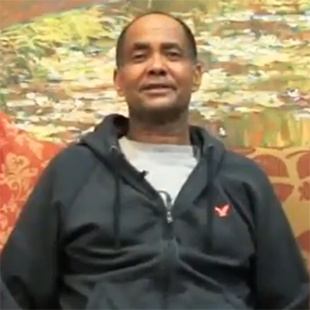
Mr Hailu Kassa : CABG Surgery
Mr Hailu Kassa
Mr Hailu Kassa : CABG Surgery

Mr. Hailu Kassa underwent Coronary Artery Bypass Surgery in Vejthani Hospital, Thailand under the supervision of Dr. Piya, Cardio-Thoracic Surgeon

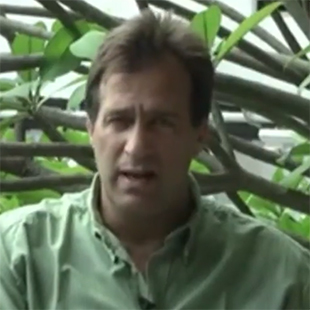
Rod Schaubroeck
Rod Schaubroeck
Rod Schaubroeck : Double Valve Replacement

Patient Testimonial: Rod Schaubroeck from United States (U.S.A) underwent heart valve replacement at Fortis Hospital, India

Conditions treated by Pacemaker Implantation Surgery

Frequently Asked Questions

The minimum cost of Pacemaker Implantation Surgery in Delhi is about $4000. Many multispeciality hospitals which are JCI certified are approved to operate a Pacemaker Implantation Surgery in Delhi.

The cost of Pacemaker Implantation Surgery in Delhi may differ from one medical facility to the other. Some of the best hospitals for Pacemaker Implantation Surgery offer a comprehensive package that covers the end-to-end expenses related to investigations and treatment of the patient. The Pacemaker Implantation Surgery cost in Delhi includes the cost of anesthesia, medicines, hospitalization and the surgeon's fee. A prolonged hospital stay due to delayed recovery, new diagnosis and complications after surgery may increase the cost of Pacemaker Implantation Surgery in Delhi.

After Pacemaker Implantation Surgery in Delhi, the patient is supposed to stay in guest house for another 11 days. This is important to ensure that the surgery was successful. During this time, control and follow-up tests take place to check for medical fitness.

Delhi is considered to be one of the best places for Pacemaker Implantation Surgery in the world. This is because of the availability of some of the best doctors, advanced medical technology and good hospital infrastructure. However, some of the other popular destinations for Pacemaker Implantation Surgery include the following:

Apart from the cost of Pacemaker Implantation Surgery, the patient is also required to pay additionally for daily meals and guest house accommodation. These include the cost of accommodation and meals outside hospital. The per day cost in this case may range from 25 USD.

Patients who are interested in availing telemedicine consultation before they travel for Pacemaker Implantation Surgery in Delhi can opt for the same. The following are some of the top doctors offering Pacemaker Implantation Surgery in Delhi:

Some of the most sought after doctors available for online video consultation for Pacemaker Implantation Surgery in Delhi are:

Doctor NameCostBook Appointment
Dr. Nityanand Tripathi60Book Now
Dr. Ashish Agrawal48Book Now
Dr. Abhay Kumar48Book Now
Dr. Amit Pandarkar48Book Now

After Pacemaker Implantation Surgery surgery, the patient is supposed to stay for about 3 Days in the hospital for recovery and monitoring. This time frame is important for the patient to recover properly and feel comfortable after the surgery. With the help of several tests, it is determined that the patient is doing fine after the surgery and is okay to be discharged.

Pacemaker Implantation Surgery hospitals in Delhi have an overall rating of about 4.1857142857. This rating is calculated on the basis of different parameters such as the attitude of the nurses, cleanliness, quality of food, and the pricing policy.

There are about 17 Hospitals in Delhi that offer Pacemaker Implantation Surgery to international patients. These hospitals are approved to perform the surgery and have proper infrastructure to handle Pacemaker Implantation Surgery patients. Apart from good services, the hospitals are known to follow all standard and legal guidelines as dictated by the local medical affairs body or organization.

Some of the top hospitals in Delhi for Pacemaker Implantation Surgery and their associated prices:

HospitalMinimum CostMaximum Cost
Shanti Mukund Hospital, New DelhiUSD 4370USD 5260
Indraprastha Apollo Hospital, New DelhiUSD 4060USD 5100
Fortis Escorts Heart Institute, Okhla, New DelhiUSD 4080USD 5300

Delhi, the capital city of India is one of the top places for providing cost-effective yet quality treatments to patients. The city boasts a pool of highly skilled medical experts who have received training abroad. The hospitals in Delhi have received international accreditation and are well-equipped. They have several state-of-the-art equipments that enables doctors to provide the best patient care. With more than 500 hospitals, Delhi is at the forefront of catering to the healthcare needs of patients from not only India but from other parts of the world as well. The availability of doctors who are fluent in English enables patients traveling from abroad to avail treatment conveniently in Delhi. The hospitals in Delhi have the necessary infrastructure to enable doctors to perform robotic surgeries, minimally invasive surgery, cyberknife surgery, and advanced treatments for various health problems.

Hospitals in Delhi hold several accreditations such as JCI, NABH, and NABL. Some of the top hospitals in Delhi are:

  • Indraprastha Apollo Hospital: The hospital has served patients from more than 120 countries and is accredited by JCI and NABH.
  • Max SuperSpecialty Hospital, Shalimar Bagh: Equipped with 280 beds, the hospital provides medical services in various disciplines including cardiology, neurology, orthopedics, and cancer. It is a NABH and NABL-accredited hospital.
  • Fortis Hospital, Greater Kailash: The hospital has performed more than 12,000 gynecological procedures and has treated over 7000 neonates in the NICU.

Delhi has many skilled doctors who have completed their medical education and training at some of the best hospitals in India and overseas. Some of the top doctors in Delhi are

  1. Dr. Sanjay Gupta: With more than 33 years of experience, Dr. Sanjay is an acclaimed cardiac surgeon practicing at Fortis Flt Lt Rajan Dhall Hospital, New Delhi
  2. Dr. Pankaj Kumar Pande: He has more than 23 years of experience as a surgical oncologist and currently works at the Fortis Hospital, Shalimar Bagh.
  3. Dr. Meena Lanjiwar: She is currently a neurologist working at the Neuraxis care and research center and has more than 8 years of experience in her field of expertise.
  4. Dr. Dhananjay Gupta: He is an acclaimed orthopedic surgeon with more than 20 years of experience. Currently, he practices at Fortis Flt Lt Rajan Dhall Hospital, New Delhi.

Delhi is connected to almost all the major cities around the world through international flights. MediGence can assist in planning your travel to Delhi for your treatment. We can help you with accommodation, visa, airport transfers, and priority appointments.

FAQ's Related to India

Delhi, the capital city of India is one of the top places for providing cost-effective yet quality treatments to patients. The city boasts a pool of highly skilled medical experts who have received training abroad. The hospitals in Delhi have received international accreditation and are well-equipped. They have several state-of-the-art equipments that enables doctors to provide the best patient care. With more than 500 hospitals, Delhi is at the forefront of catering to the healthcare needs of patients from not only India but from other parts of the world as well. The availability of doctors who are fluent in English enables patients traveling from abroad to avail treatment conveniently in Delhi. The hospitals in Delhi have the necessary infrastructure to enable doctors to perform robotic surgeries, minimally invasive surgery, cyberknife surgery, and advanced treatments for various health problems.

Hospitals in Delhi hold several accreditations such as JCI, NABH, and NABL. Some of the top hospitals in Delhi are:

  • Indraprastha Apollo Hospital: The hospital has served patients from more than 120 countries and is accredited by JCI and NABH.
  • Max SuperSpecialty Hospital, Shalimar Bagh: Equipped with 280 beds, the hospital provides medical services in various disciplines including cardiology, neurology, orthopedics, and cancer. It is a NABH and NABL-accredited hospital.
  • Fortis Hospital, Greater Kailash: The hospital has performed more than 12,000 gynecological procedures and has treated over 7000 neonates in the NICU.

Delhi has many skilled doctors who have completed their medical education and training at some of the best hospitals in India and overseas. Some of the top doctors in Delhi are

  1. Dr. Sanjay Gupta: With more than 33 years of experience, Dr. Sanjay is an acclaimed cardiac surgeon practicing at Fortis Flt Lt Rajan Dhall Hospital, New Delhi
  2. Dr. Pankaj Kumar Pande: He has more than 23 years of experience as a surgical oncologist and currently works at the Fortis Hospital, Shalimar Bagh.
  3. Dr. Meena Lanjiwar: She is currently a neurologist working at the Neuraxis care and research center and has more than 8 years of experience in her field of expertise.
  4. Dr. Dhananjay Gupta: He is an acclaimed orthopedic surgeon with more than 20 years of experience. Currently, he practices at Fortis Flt Lt Rajan Dhall Hospital, New Delhi.

Delhi is connected to almost all the major cities around the world through international flights. MediGence can assist in planning your travel to Delhi for your treatment. We can help you with accommodation, visa, airport transfers, and priority appointments.

Not Sure About Your Treatment Plan? Get a Free Second Opinion

Have your reports reviewed by independent oncology experts to help you make a confident treatment decision, all online within 48 hours.

Upload Your Reports
Free second opinion on your CAR-T plan