Affordable World-class Treatment - Accredited Hospitals - Free Treatment Plan in 24 Hrs

Share your details to receive a personalised treatment plan, estimated costs, hospital recommendations, and expert guidance, “completely free.”
Your information is protected with HIPAA-compliant security standards. We only share your details with hospitals after your consent.
The cost of an ICD Combo Device in India typically ranges between USD 6000 - USD 8000.
However, this cost can vary depending on several factors, including the type and severity of the condition, treatment techniques chosen, the healthcare facility's location and reputation, the treating professionals' experience and specialisation, and the patient's overall health status.
Additionally, factors like the duration of treatment, the need for follow-up care, and the use of advanced technologies or specialised treatments can further influence the overall cost.
In an ICD Combo device implantation, a combination device that combines a pacemaker and an implanted cardioverter-defibrillator (ICD) is placed. To treat and manage specific cardiac problems, a tiny battery-operated device called an ICD Combo is surgically placed in the chest. A CRT-D (cardiac resynchronization therapy with defibrillator) device is another name for this combo.
People with heart failure can benefit significantly from this device since it improves the rhythm of their heartbeats and allows for better control of cardiac arrhythmias.
| City | Cost (USD) | |
|---|---|---|
| Ahmedabad | $5,400 – $7,200 | Explore More |
| Bangalore | $6,000 – $8,000 | Explore More |
| Chennai | $6,000 – $8,000 | Explore More |
| Delhi | $6,000 – $8,000 | Explore More |
| Faridabad | $6,000 – $8,000 | Explore More |
| Ghaziabad | $6,000 – $8,000 | Explore More |
| Gurgaon | $6,000 – $8,000 | Explore More |
| Hyderabad | $6,000 – $8,000 | Explore More |
| Kochi | $6,000 – $8,000 | Explore More |
| Kolkata | $6,000 – $8,000 | Explore More |
| Mohali | $5,400 – $7,200 | Explore More |
| Mumbai | $6,000 – $8,000 | Explore More |
| Noida | $6,000 – $8,000 | Explore More |
| Panjim | $5,400 – $7,200 | Explore More |
| Pune | $5,400 – $7,200 | Explore More |


Our dedicated Medical Patient Advisors are here to answer your questions, help you compare treatment options, estimate costs, and guide you through every step of your healthcare journey.
An implantable cardioverter-defibrillator (ICD) is a small device powered by a battery, implanted in the chest. Its primary function is to detect and halt irregular heartbeats, known as arrhythmias, by continuously monitoring the heartbeat and delivering electric shocks when necessary to restore a regular heart rhythm.
An ICD may be recommended if you have a dangerously fast heartbeat, such as ventricular tachycardia or ventricular fibrillation. It may also be prescribed if you are at high risk of experiencing dangerous irregular heartbeats, often due to a weakened heart muscle.
It's important to note that an ICD is different from a pacemaker, which is designed to prevent dangerously slow heartbeats.
An ICD, or implantable cardioverter-defibrillator, is a type of cardiac therapy device. There are two primary types:
A traditional ICD is surgically implanted in the chest, with wires (leads) connecting to the heart.
Beneath the skin on the side of the breast, beneath the armpit, is a subcutaneous ICD (S-ICD). It utilizes a sensor, known as an electrode, which runs along the breastbone. Unlike the traditional ICD, the S-ICD does not directly contact the heart. It is larger compared to the traditional ICD.
An ICD monitors for abnormal heart rhythms and tries to correct them immediately. It is helpful during cardiac arrest, the sudden loss of all heart activity.
For survivors of cardiac arrest, the initial treatment is an ICD. Individuals at high risk of having a sudden cardiac arrest are now using these devices more. An ICD is more effective than medication alone in preventing sudden death from cardiac arrest.
If you experience chest pain, shortness of breath, sudden palpitations, fainting, or near-fainting spells, or have a history of heart failure or prior cardiac arrest, see a doctor. Early diagnosis and assessment are essential to select a candidate for an ICD.
Blood work, echocardiograms, electrocardiograms (ECGs), Holter monitoring, and the occasional electrophysiology study are all included in the preparation. You may need to fast before the procedure. Discuss your medications, allergies, and device expectations with the cardiology team.
Typically, the implantation lasts one to two hours. Most patients spend one day in the hospital for observation before being discharged.
Patients are advised to avoid heavy lifting and excessive arm movements for a few weeks. The device's functioning will be monitored at regularly scheduled follow-ups. Other care aspects involve drug changes, lifestyle modifications, and home monitoring.
Patients who are eligible for ICD combination devices carry a much reduced risk of sudden cardiac death. Five-year survival rates vary but are often 50–70% improved over medicine alone, especially in patients with previous arrhythmias or reduced cardiac function.
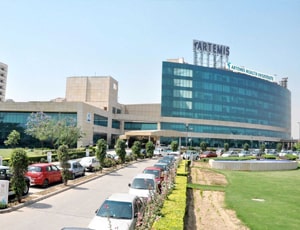
Delhi, India
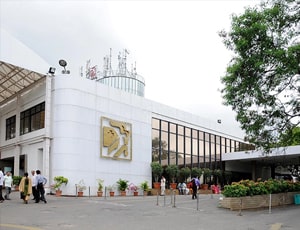
Ghaziabad, India
Our experienced Medical Patient Advisors have supported 100,000+ patients across 120+ countries with personalised treatment plans, hospital recommendations, cost estimates, and travel assistance, all free.
✓ Free Consultation ✓ No Obligation ✓ Personalized Treatment Plan ✓ Response Within 24 Hours
Your medical info has is HIPAA-style confidential. We never share with hospitals without your consent.

Opinion & Option
We submit the most accurate opinion and options from one or more countries for your review
Consult Privately
Consult with a certified specialist privately on our telemedicine platform even before you decide to travel
Logistics
We handle flights, visas, transfers, and accommodation—so you can focus on your health.
Recovery
Our In-house rehabilitation service packages to better your recovery and treatment outcome

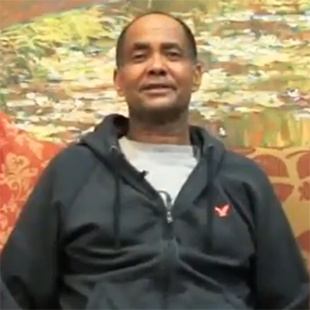
Mr. Hailu Kassa underwent Coronary Artery Bypass Surgery in Vejthani Hospital, Thailand under the supervision of Dr. Piya, Cardio-Thoracic Surgeon

Patient Testimonial: Rod Schaubroeck from United States (U.S.A) underwent heart valve replacement at Fortis Hospital, India
The cost of ICD Combo Device (Only Surgery) in India starts from $6500. In India, ICD Combo Device (Only Surgery) is conducted across many multispecialty hospitals.
Different hospitals have different pricing policy when it comes to the cost of ICD Combo Device (Only Surgery) in India. The ICD Combo Device (Only Surgery) package cost usually includes all the expenses related to pre and post surgery expenses of the patient. The treatment cost usually includes the expenses related to hospitalization, surgery, nursing, medicines, and anesthesia. A prolonged hospital stay due to delayed recovery, new diagnosis and complications after surgery may increase the cost of ICD Combo Device (Only Surgery) in India.
There are many hospitals that perform ICD Combo Device (Only Surgery) in India. For quick reference, the following are some of the leading hospitals for ICD Combo Device (Only Surgery) in India:
Upon discharge from the hospital after ICD Combo Device (Only Surgery) in India, the patients are advised to stay for about 14 days for recovery. This duration of stay is recommended to complete all the necessary follow-ups and control tests to ensure that the surgery was successful.
There are certain additional cost that the patient has to pay apart from the ICD Combo Device (Only Surgery) cost. The per day cost in this case may start from USD 50 per person.
There are many cities that offer ICD Combo Device (Only Surgery) in India, including the following:
Patients who are interested in availing telemedicine consultation before they travel for ICD Combo Device (Only Surgery) in India can opt for the same. There are many ICD Combo Device (Only Surgery) surgeons who offer video telemedicine consultation, including the following:
| Doctor | Cost | Schedule Your Appointment |
|---|---|---|
| Dr. Bikram K Mohanty | USD 35 | Schedule Now |
| Dr. Ashish Chauhan | USD 14 | Schedule Now |
| Dr. Sumit Narang | USD 14 | Schedule Now |
The patient has to spend about 2 days in the hospital after ICD Combo Device (Only Surgery) for proper recovery and to get clearance for discharge. During the recovery, the patient is carefully monitored and control tests are performed to see that everything is okay. If required, physiotherapy sessions are also planned during recovery in hospital.
The average rating for ICD Combo Device (Only Surgery) hospitals in India is 3.9. This rating is automatically calculated on the basis of several parameters such as the infrastructure of the hospital, quality of services, nursing support and other services.
There are more than 54 hospitals that offer ICD Combo Device (Only Surgery) in India. These hospitals have propoer infrastructure as well as offer good quality of services when it comes to ICD Combo Device (Only Surgery) These hospitals comply with all the rules and regulations as dictated by the regulatory bodies and medical association in India
Some of the renowned doctors for ICD Combo Device (Only Surgery) in India are:
Have your reports reviewed by independent oncology experts to help you make a confident treatment decision, all online within 48 hours.
Upload Your Reports