Your Notifications
All done, no notifications

ICD Combo Device (Only Surgery) Cost in United Kingdom

USD 20000 - USD 35000

Affordable World-class Treatment - Accredited Hospitals - Free Treatment Plan in 24 Hrs

1
Days in Hospital
13
Post-Hospital
95 - 99%
Success Rate
ICD Combo Device Surgery | MediGence
JCI/ISO 100,000+ Patients 24X7 Coordinator Visa & Travel handled
Your all-in-one medical travel platform for treatment, recovery & care.

Get Your Personalised Treatment Plan in Just 24 Hours.

Share your details to receive a personalised treatment plan, estimated costs, hospital recommendations, and expert guidance, “completely free.”

Required | alphabets and spaces
Required | A valid, working email address
Required | A valid contact
Connect with an Expert

Your information is protected with HIPAA-compliant security standards. We only share your details with hospitals after your consent.

Estimated Treatment Cost
USD 20000 - USD 35000
All-inclusive • Hospital + Medications + Recovery Assistance + Dedicated Care Coordinator

International Quality. Affordable Care.

What's included in your ICD Combo Device (Only Surgery) quote?

ICD Combo Device Implantation (Only Surgery)
Surgical implantation of an implantable cardioverter defibrillator (ICD) with pacing function to treat life-threatening heart rhythm disorders
Cardiology consultation
Pre-surgery evaluation, treatment planning, and post-operative follow-up consultations
Hospital stay & supportive care
Surgery, anaesthesia, inpatient care, nursing support, and cardiac monitoring
Follow-up monitoring
Device programming, wound assessment, and routine device check-ups
Visa & medical-visa invite letter
Airport pickup & transfers

Cost of ICD Combo Device (Only Surgery) in Major Cities of United Kingdom

City Cost (USD)
Carmarthen $18,000 – $31,500 Explore More
London $20,000 – $35,000 Explore More

Icd Combo Device - United Kingdom Vs the World

$6k - $8k
$7k - $12k
$7k - $10k
$8k - $18k
$10k - $15k
$10k - $20k
$12k - $18k
$20k - $35k
$20k - $35k
$26k - $0
$30k - $45k
Dr. Vijita Jayan
Author

BPT, MPT (Neuro)

18 Years of Experience

Last Reviewed - June 2026

With over 18 years of distinguished clinical experience, Dr. Vijita Jayan is a highly accomplished Clinical Director and Rehabilitation Specialist, renowned for her expertise in neuro-rehabilitation, functional recovery, and mobility-dependent case management. Her extensive practical knowledge enables her to design and implement individualized, evidence-based rehabilitation protocols that consistently yield measurable patient outcomes. A prolific researcher and academic writer, she has authored numerous peer-reviewed articles and research papers, significantly advancing the field of rehabilitative medicine. The recipient of multiple prestigious accolades, Dr. Jayan is widely regarded as one of the foremost authorities in Physical Medicine and Rehabilitation, continually shaping neuro-rehabilitative care through research, innovation, and clinical excellence.
View More
Dr. Naresh Kumar Goyal
Reviewer

Cardiologist

21 Years of Experience

Last Reviewed - June 2026

Dr. Naresh Kumar Goyal is highly trained as a cardiologist with exposure in virtually all aspects of cardiology. He qualified with an MD in internal medicine in 1999 from SMS Medical College, Jaipur, and served in the Cardiology Department as an honorary resident. From this stage, he also started with training in the temporary pacing of the pacemaker as well as interventional services.
View More

Need Help Choosing the Right Treatment? Talk to a Medical Advisor

Our dedicated Medical Patient Advisors are here to answer your questions, help you compare treatment options, estimate costs, and guide you through every step of your healthcare journey.

15 min
Average response time

Serving Patients Worldwide in Multiple Languages.

An implantable cardioverter-defibrillator (ICD) is a small device powered by a battery, implanted in the chest. Its primary function is to detect and halt irregular heartbeats, known as arrhythmias, by continuously monitoring the heartbeat and delivering electric shocks when necessary to restore a regular heart rhythm.

An ICD may be recommended if you have a dangerously fast heartbeat, such as ventricular tachycardia or ventricular fibrillation. It may also be prescribed if you are at high risk of experiencing dangerous irregular heartbeats, often due to a weakened heart muscle.

It's important to note that an ICD is different from a pacemaker, which is designed to prevent dangerously slow heartbeats.

Types:

An ICD, or implantable cardioverter-defibrillator, is a type of cardiac therapy device. There are two primary types:

A traditional ICD is surgically implanted in the chest, with wires (leads) connecting to the heart.

Beneath the skin on the side of the breast, beneath the armpit, is a subcutaneous ICD (S-ICD). It utilizes a sensor, known as an electrode, which runs along the breastbone. Unlike the traditional ICD, the S-ICD does not directly contact the heart. It is larger compared to the traditional ICD.

An ICD monitors for abnormal heart rhythms and tries to correct them immediately. It is helpful during cardiac arrest, the sudden loss of all heart activity.

For survivors of cardiac arrest, the initial treatment is an ICD. Individuals at high risk of having a sudden cardiac arrest are now using these devices more. An ICD is more effective than medication alone in preventing sudden death from cardiac arrest.

If you experience chest pain, shortness of breath, sudden palpitations, fainting, or near-fainting spells, or have a history of heart failure or prior cardiac arrest, see a doctor. Early diagnosis and assessment are essential to select a candidate for an ICD.

Blood work, echocardiograms, electrocardiograms (ECGs), Holter monitoring, and the occasional electrophysiology study are all included in the preparation. You may need to fast before the procedure. Discuss your medications, allergies, and device expectations with the cardiology team.

  • Device Implantation: The combination ICD device is implanted surgically under the skin, generally directly under the collarbone.
  • Insertion of Leads into the Heart: To detect and transmit electrical impulses, a single or multiple slender, flexible wires, or leads, are inserted into the heart chambers after being inserted via a vein.
  • Continuous Heart Rhythm Monitoring: Once implanted, the device automatically monitors the electrical activity of the heart for irregular rhythms all the time.
  • Arrhythmia Detection and Correction: Whenever an ICD finds a hazardous arrhythmia, it uses pacing therapy to correct a slowing or irregular heart rate or dispenses a lifesaving shock to restore normal beat.
  • Minimally Invasive method: This minimally invasive method does not require an open heart procedure and is typically performed under sedation and local anaesthesia.

Typically, the implantation lasts one to two hours. Most patients spend one day in the hospital for observation before being discharged.

  • Infection at the site of implant
  • Bruising or bleeding
  • Displacement of lead
  • Allergic reaction to anaesthesia

  • Constant observation and prompt treatment of potentially fatal arrhythmias
  • Avoiding unexpected cardiac death
  • Defibrillation support and pacing combined in one device

Patients are advised to avoid heavy lifting and excessive arm movements for a few weeks. The device's functioning will be monitored at regularly scheduled follow-ups. Other care aspects involve drug changes, lifestyle modifications, and home monitoring.

Patients who are eligible for ICD combination devices carry a much reduced risk of sudden cardiac death. Five-year survival rates vary but are often 50–70% improved over medicine alone, especially in patients with previous arrhythmias or reduced cardiac function.

Explore Hospitals ( 2 )

London, United Kingdom

JCI

Carmarthen, United Kingdom

Get Your ICD Combo Device (Only Surgery)
Plan in 24 hrs.

Our experienced Medical Patient Advisors have supported 100,000+ patients across 120+ countries with personalised treatment plans, hospital recommendations, cost estimates, and travel assistance, all free.

HIPAA-Compliant Data SecurityShared Only with Your Consent

Free Consultation No Obligation Personalized Treatment Plan Response Within 24 Hours

Required | alphabets and spaces
Required | A valid, working email address
Required | A valid contact

Your medical info has is HIPAA-style confidential. We never share with hospitals without your consent.

Jenny Wilson
Your Dedicated Medical Patient Advisor
Treatment planning • Hospital coordination • Multilingual support • Response within 15 minutes.
Our Services to Better your Experience

Opinion & Option

We submit the most accurate opinion and options from one or more countries for your review

Consult Privately

Consult with a certified specialist privately on our telemedicine platform even before you decide to travel

Logistics

We handle flights, visas, transfers, and accommodation—so you can focus on your health.

Recovery

Our In-house rehabilitation service packages to better your recovery and treatment outcome

Patient Stories

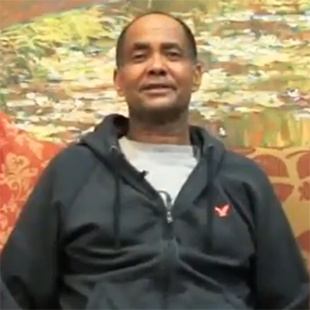
Mr Hailu Kassa : CABG Surgery
Mr Hailu Kassa
Mr Hailu Kassa : CABG Surgery

Mr. Hailu Kassa underwent Coronary Artery Bypass Surgery in Vejthani Hospital, Thailand under the supervision of Dr. Piya, Cardio-Thoracic Surgeon

Rod Schaubroeck
Rod Schaubroeck
Rod Schaubroeck : Double Valve Replacement

Patient Testimonial: Rod Schaubroeck from United States (U.S.A) underwent heart valve replacement at Fortis Hospital, India

Not Sure About Your Treatment Plan? Get a Free Second Opinion

Have your reports reviewed by independent oncology experts to help you make a confident treatment decision, all online within 48 hours.

Upload Your Reports
Free second opinion on your CAR-T plan