Your Notifications
All done, no notifications

EPS & RFA Cost in Dubai

Starts from USD 12000

Disclaimer: Cost range is subject to change based on clinical evaluation.

Affordable World-class Treatment - Accredited Hospitals - Free Treatment Plan in 24 Hrs

1
Days in Hospital
2-4 hrs
Procedure Time
90 - 98%
Success Rate
EPS & RFA Treatment | MediGence
JCI/ISO 100,000+ Patients 24X7 Coordinator Visa & Travel handled
Your all-in-one medical travel platform for treatment, recovery & care.

Get Your Personalised Treatment Plan in Just 24 Hours.

Share your details to receive a personalised treatment plan, estimated costs, hospital recommendations, and expert guidance, “completely free.”

Required | alphabets and spaces
Required | A valid, working email address
Required | A valid contact

Your information is protected with HIPAA-compliant security standards. We only share your details with hospitals after your consent.

Estimated Treatment Cost
Starts from USD 12000
All-inclusive • Hospital + Medications + Recovery Assistance + Dedicated Care Coordinator

International Quality. Affordable Care.
The average cost of EPS & RFA in Dubai starts from USD 12000.

Cost of EPS & RFA in Major Cities of United Arab Emirates

CityCost (USD)
Abu Dhabi Starting $11.5k Explore More
Ajman Starting $11k Explore More
Dubai Starting $12k Explore More
Sharjah Starting $11k Explore More
Nimra Haseeb
Author

MSc Biochemistry

4 Years of Experience

Miss Nimra Haseeb is a medical researcher and a scientific content writer. She holds a Bachelor’s degree in Biotechnology and a Master’s in Biochemistry from Integral University, Lucknow. With strong experience in healthcare research, she specializes in secondary research, clinical data analysis, and evidence-based medical writing. Her work focuses on transforming complex scientific and medical information into clear, accurate, and reliable healthcare content for patients and healthcare audiences. She is also experienced in interpreting medical studies and healthcare trends to deliver well-researched and informative content that supports better health awareness and decision-making.
View More
Dr. Naresh Kumar Goyal
Reviewer

Cardiologist

21 Years of Experience

Last Reviewed - June 2026

Dr. Naresh Kumar Goyal is highly trained as a cardiologist with exposure in virtually all aspects of cardiology. He qualified with an MD in internal medicine in 1999 from SMS Medical College, Jaipur, and served in the Cardiology Department as an honorary resident. From this stage, he also started with training in the temporary pacing of the pacemaker as well as interventional services.
View More

Need Help Choosing the Right Treatment? Talk to a Medical Advisor

Our dedicated Medical Patient Advisors are here to answer your questions, help you compare treatment options, estimate costs, and guide you through every step of your healthcare journey.

15 min
Average response time

Serving Patients Worldwide in Multiple Languages.

An electrophysiology (EP) study is a test that examines how electrical signals travel through the pathways in your heart. When these pathways function normally, your heartbeat remains regular. However, if the signals are abnormal, your heartbeat becomes irregular, a condition known as an arrhythmia.

Radiofrequency ablation (RFA) is a procedure used to treat certain types of arrhythmias. Often, it can be performed simultaneously with an EP study. Your doctor will inform you whether you are scheduled for an EP study, an RFA procedure, or both.

EPS and RFA are employed to diagnose and manage arrhythmias ranging from ventricular tachycardia and supraventricular tachycardia (SVT) to atrial fibrillation and atrial flutter. The aim is to stop the cause of the arrhythmia, relieve symptoms such as palpitations or dizziness, prevent a stroke, and improve heart health and overall quality of life.

You should see a doctor if you experience persistent palpitations, fainting (syncope), chest discomfort, shortness of breath, fatigue, or if you have been diagnosed with a heart rhythm disorder. Early diagnosis and treatment reduce complications and improve prognosis.

ECG, echocardiography, Holter monitoring, blood test, and sometimes cardiac MRI or CT are all part of the preparation. In preparation for treatment, you may be asked to fast for six to eight hours, discontinue some medications, and arrange recuperation services and transportation afterwards.

  • EPS (Electrophysiology Study): Tiny catheters are inserted to the heart after being inserted into a vein, usually in the neck or groin. Electrical signals are recorded to map the heart's conduction system and identify the site of the arrhythmia.
  • RFA (Radiofrequency Ablation): Once the abnormal area has been located, the catheter sends radiofrequency energy, or heat, to kill the faulty tissue and terminate the abnormal rhythm. The procedure is minimally invasive and takes place under local anaesthesia and sedation.

The entire procedure may take two to four hours. Although some patients are discharged the same day, most stay overnight in the hospital for observation.

  • Bleeding or bruising
  • Infection
  • Blood clots or a stroke
  • Heart perforation
  • Arrhythmia recurrence

In some instances, EPS-RFA can reduce stroke risk, enhance signs and quality of life, reduce or eliminate the necessity of long-term medications, and cure permanently several arrhythmias.

After EPS RFA, patients typically must stay overnight in the hospital for observation. Most can resume their normal activities within a few days to a week, but they should avoid strenuous activities for several weeks.

Radiofrequency ablation (RFA) and electrophysiology studies (EPS) vary in their success rates depending on the specific heart rhythm condition being addressed, as well as other factors such as the patient's age and overall health.

The majority of supraventricular reentrant tachycardias have a success rate of >95%, though this varies depending on the type of arrhythmia. The success rate for idiopathic ventricular arrhythmias is 80\u201390%.

90–95%

Success rate for long-term control of treatable cardiac arrhythmias (condition-dependent)

1–2 days

Typical hospital stay

3–7 days

Return to normal daily activities depending on recovery and heart rhythm stability
Explore Hospitals ( 9 )

Dubai, United Arab Emirates

4.4 - 9049 reviews · 100+ Beds · 161+ Procedures
JCI
Starting
USD 12000
Chat with a Medical Advisor

Dubai, United Arab Emirates

3.4 - 76 reviews · 114+ Beds · 208+ Procedures
JCI NABH NABL
Starting
USD 13000
Chat with a Medical Advisor

Dubai, United Arab Emirates

4.1 - 9484 reviews · 300+ Beds · 212+ Procedures
JCI
Starting
USD 12000
Chat with a Medical Advisor

Dubai, United Arab Emirates

4.6 - 5682 reviews · 200+ Beds · 174+ Procedures
JCI
Starting
USD 12000
Chat with a Medical Advisor

Dubai, United Arab Emirates

4.5 - 8498 reviews · 179+ Beds · 452+ Procedures
JCI
Starting
USD 12000
Chat with a Medical Advisor

Dubai, United Arab Emirates

4.4 - 7266 reviews · 100+ Beds · 186+ Procedures
ACHS JCI
Starting
USD 12000
Chat with a Medical Advisor

Dubai, United Arab Emirates

3.6 - 1840 reviews · 220+ Beds · 215+ Procedures
Chat with a Medical Advisor

Dubai, United Arab Emirates

4.8 - 14426 reviews · 100+ Beds · 164+ Procedures
JCI
Starting
USD 12000
Chat with a Medical Advisor

Dubai, United Arab Emirates

4.5 - 16080 reviews · 187+ Beds · 214+ Procedures
JCI
Starting
USD 12000
Chat with a Medical Advisor

Get Your EPS & RFA
Plan in 24 hrs.

Our experienced Medical Patient Advisors have supported 100,000+ patients across 120+ countries with personalised treatment plans, hospital recommendations, cost estimates, and travel assistance, all free.

HIPAA-Compliant Data SecurityShared Only with Your Consent

✓ Free Consultation ✓ No Obligation ✓ Personalized Treatment Plan ✓ Response Within 24 Hours

Required | alphabets and spaces
Required | A valid, working email address
Required | A valid contact

Your medical info is kept HIPAA-style confidential. We never share with hospitals without your consent.

Process Involved for EPS & RFA in Dubai

  • Pre-procedural evaluation & Preparation: Review and modification of medications, including the potential cessation of some medicines before the procedure.
  • Electrophysiology Study (EPS) – Arrhythmia Mapping: An electrode-equipped catheter is implanted to map electrical activity and detect irregular heart rhythms.
  • Radiofrequency Ablation (RFA)
  • Post-Procedure Recovery: Rest & monitoring, temporary activity restrictions
  • Follow-Up & Long-Term Care
  • Supraventricular Tachycardia (SVT)
  • Atrial Fibrillation (AFib)
  • Atrial Flutter
  • Wolff-Parkinson-White (WPW) Syndrome
  • Ventricular Tachycardia (VT)
  • Premature Ventricular Contractions (PVCs)
  • AV Nodal Reentrant Tachycardia (AVNRT)
  • Left Atrial Tachycardia
  • Patients with Recurrent Arrhythmias
    • Supraventricular Tachycardia (SVT)
    • Atrial Fibrillation (AFib)
    • Atrial Flutter
    • Ventricular Tachycardia (VT)
  • Patients Experiencing Severe Symptoms
    • Frequent palpitations
    • Dizziness, fainting (syncope)
    • Chest discomfort
  • Medication-Resistant Arrhythmias
  • High Risk of Sudden Cardiac Arrest (SCA)
  • Wolff-Parkinson-White (WPW) Syndrome
  • 3D Electroanatomic Mapping
  • Intracardiac Echocardiography (ICE)
  • Holter Monitoring & Event Recorder
  • Pacemaker or ICD Implantation
  • Cryoablation
  • Accurate Diagnosis of Arrhythmias
  • Permanent Solution for Many Arrhythmias
  • Quick Recovery & Short Hospital Stay
  • Reduces Stroke & Heart Failure Risk
  • Cardiologist
  • Interventional Cardiologist
  • Radiologist
  • Fill out the inquiry form: Fill out the form to provide us with the relevant information about your condition.
  • Consult with Our Healthcare Expert: One of our qualified specialists will contact you for a consultation.
  • Receive a Detailed Treatment Plan: After examining your situation, we will provide you with a detailed treatment plan that includes expert views and cost breakdowns for various choices.
  • Choose your preferred option: Choose the treatment option that suits you the best.
Jenny Wilson
Your Dedicated Medical Patient Advisor
Treatment planning • Hospital coordination • Multilingual support • Response within 15 minutes.
Our Services to Better your Experience

Opinion & Option

We submit the most accurate opinion and options from one or more countries for your review

Consult Privately

Consult with a certified specialist privately on our telemedicine platform even before you decide to travel

Logistics

We handle flights, visas, transfers, and accommodation—so you can focus on your health.

Recovery

Our In-house rehabilitation service packages to better your recovery and treatment outcome

Patient Stories

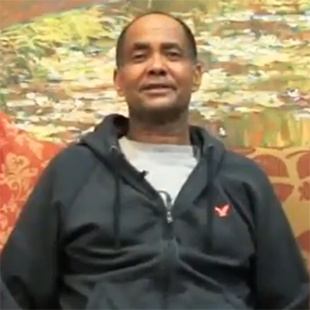
Mr Hailu Kassa : CABG Surgery
Mr Hailu Kassa
Mr Hailu Kassa : CABG Surgery

Mr. Hailu Kassa underwent Coronary Artery Bypass Surgery in Vejthani Hospital, Thailand under the supervision of Dr. Piya, Cardio-Thoracic Surgeon

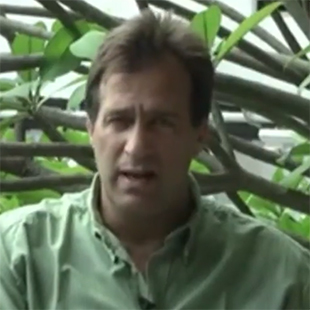
Rod Schaubroeck
Rod Schaubroeck
Rod Schaubroeck : Double Valve Replacement

Patient Testimonial: Rod Schaubroeck from United States (U.S.A) underwent heart valve replacement at Fortis Hospital, India

Frequently Asked Questions

The cost of Electrophysiology Study (EPS) and Radiofrequency Ablation (RFA) in Dubai varies depending on the hospital, the complexity of the heart rhythm disorder, the type of arrhythmia being treated, the expertise of the electrophysiologist, and the technology used. The total cost generally includes pre-procedure investigations, electrophysiology mapping, catheter ablation, hospital stay, medications, and follow-up consultations.

Choose a certified cardiac electrophysiologist with extensive experience in treating arrhythmias through catheter ablation. Consider the doctor's success rates, experience with complex rhythm disorders, use of advanced mapping technologies, hospital affiliations, patient outcomes, and multidisciplinary cardiac care support.

EPS and RFA are commonly used to treat supraventricular tachycardia (SVT), atrial flutter, atrial fibrillation, Wolff-Parkinson-White (WPW) syndrome, ventricular tachycardia, and certain premature ventricular contractions (PVCs).

Many patients experience long-term relief after a single ablation, particularly for SVT and atrial flutter. However, conditions such as atrial fibrillation may require repeat ablation procedures or additional medical therapy.

Some antiarrhythmic medications and blood thinners may need to be temporarily adjusted before the procedure. Your electrophysiologist will provide personalised instructions based on your condition.

Most EPS and RFA procedures are performed under local anaesthesia with conscious sedation. Complex procedures, such as atrial fibrillation ablation, may require general anaesthesia depending on the hospital's protocol.

Most patients do not require a pacemaker after EPS and RFA. However, in rare cases where the heart's normal electrical conduction system is affected during treatment, permanent pacemaker implantation may be recommended.

The success rate of EPS and RFA generally ranges from 90 - 98%, depending on the type of arrhythmia being treated. Procedures for supraventricular tachycardia (SVT) typically have the highest success rates, while atrial fibrillation or ventricular arrhythmias may require repeat procedures.

Hospitals in Dubai commonly use advanced cardiac electrophysiology technologies, including:
  • 3D electroanatomical mapping systems
  • Radiofrequency catheter ablation
  • Cryoablation for selected arrhythmias
  • Intracardiac echocardiography (ICE)
  • Fluoroscopy with low-radiation protocols
  • Contact force-sensing catheters
  • Electroanatomical navigation systems
  • Advanced cardiac monitoring and ECG mapping
  • Although EPS and RFA are generally safe procedures, potential risks include:
  • Bleeding or bruising at the catheter insertion site
  • Blood vessel injury
  • Cardiac perforation or tamponade
  • Blood clots or stroke (rare)
  • Heart rhythm recurrence
  • Infection
  • Damage to the normal electrical conduction system requiring pacemaker implantation (rare)
  • Before travelling, obtain copies of ECGs, Holter monitor reports, echocardiograms, previous cardiac procedures, medication lists, and physician referrals. Discuss blood thinner management with your cardiologist, arrange travel insurance, and plan accommodation for your recovery period.

    Yes. Most international cardiac centres provide teleconsultations where electrophysiologists review your medical history, ECGs, imaging, and previous investigations before recommending whether EPS and RFA are appropriate.

    International patients should bring the following documents:
  • Passport and visa
  • Medical records
  • ECGs, Holter monitor and event recorder reports
  • Echocardiogram and cardiac imaging
  • Blood test reports
  • Current medication list
  • Referral letters
  • Insurance documents (if applicable)
  • Patients usually stay for 5-10 days, including pre-operative assessment, the procedure, short hospitalisation, follow-up evaluation, and clearance for travel.

    Most patients resume light daily activities within 2-5 days. Complete recovery generally takes 1-2 weeks, although strenuous activities should be avoided until approved by the treating cardiologist.

    Hospitals in Dubai provide continuous cardiac monitoring immediately after the procedure. Any complications such as bleeding, recurrent arrhythmias, or conduction abnormalities are managed promptly. International patients usually receive follow-up instructions and telemedicine support after returning home.

    International patients can book EPS & RFA through the MediGence platform by submitting a treatment inquiry. After reviewing your medical records, MediGence coordinates specialist consultations, treatment planning, hospital selection, cost estimates, medical visa assistance, travel arrangements, accommodation, airport transfers, interpreter services if required, and post-treatment follow-up.

    Dubai offers internationally accredited cardiac centres equipped with advanced electrophysiology laboratories, experienced cardiac electrophysiologists, state-of-the-art mapping technologies, shorter waiting times, transparent treatment costs, and comprehensive care for international patients.

    Treatment options include:
  • Diagnostic electrophysiology study (EPS)
  • Radiofrequency catheter ablation
  • Cryoablation
  • Catheter ablation for atrial fibrillation
  • Ablation for supraventricular tachycardia (SVT)
  • Ventricular tachycardia ablation
  • Atrial flutter ablation
  • Medication management when appropriate
  • Pacemaker or ICD implantation if required
  • FAQ's Related to United Arab Emirates

    Dubai is one of the leading destinations for medical tourism in the world. As per the Medical Tourism Index, Dubai ranks 13th amongst 46 countries. The city is well known for its ultra-modern healthcare infrastructure comprising around 38 hospitals. On average, UAE attracts around 10 million tourists annually, out of which Dubai retains the maximum number of tourists. Around 90% of the hospitals in the city have received international accreditations. The healthcare sector of the city has people belonging to more than 110 nationalities. The hospitals have an advanced infrastructure and provide comprehensive care in a broad range of specialties such as cosmetic surgery, dermatology, orthopedics, sports medicine, ophthalmology, and ophthalmology. These are also equipped with cutting-edge technology such as robotic surgery, artificial intelligence, and stem cell technology. Most hospitals have expert interpreters and language assistance services to ensure that patients receive the best healthcare with ease.

    The hospitals in Dubai provide integrated, high-quality, and comprehensive care to patients. Some of the top hospitals in Dubai are:

    • Zulekha Hospital: An ISO and JCI- accredited hospital, it has over 150 beds and provides a range of healthcare services to patients from around the world. Some of the advanced procedures performed at the Zulekha hospital include minimally invasive surgery, neonatal surgery, bariatric surgery, and joint replacement surgery. The hospital also has interpreters on board to provide translation services to International patients.
    • Kings College Hospital: This is a 100-bed medical facility in which most of the doctors have been trained and educated in Britain. Many of them have worked for years in the UK’s National Health Service(NHS). The hospital offers impeccable healthcare services in various specialties such as cardiology, dermatology, and gynecology. It also has a dedicated center for liver transplantation.
    • Fakih IVF fertility center: This is one of the leading IVF centers in the GCC region. Besides IVF, the doctors here are also trained in other assisted reproductive technologies such as ICSI and IUI. The center also performs genetic testing and has a high success rate of infertility treatments.
    • Burjeel Hospital for advanced surgery: This is one of the most prominent orthopedic hospitals providing advanced surgical procedures. It is a JCI-accredited facility that has set benchmarks for delivering high-quality healthcare to patients. the different types of surgeries performed here include joint replacement, scoliosis surgery, hand surgery, and knee surgery.

    Dubai has a pool of highly-skilled and competent licensed doctors who have received training from some of the best hospitals and universities in the world. The top doctors in Dubai are:

    • Dr. Rahul Bhatt: He is an experienced urologist who has been working diligently for the past 15 years to treat various urological conditions such as kidney stones, glomerulonephritis, erectile dysfunction, and polycystic kidneys.
    • Dr. Shadi Sharifi: She has 15 years of experience and is an expert neurologist. Dr. Sharifi is fluent in English and can treat conditions such as neurosyphilis, encephalitis, and epilepsy.
    • Dr. Abdul Hafeez Siddiqui: He has 15 years of experience as a hematologist.

    Dubai is well-connected to different countries around the world by air. We can also help you plan your medical travel to Dubai by assisting you with visas, accommodation, and priority appointments.

    Not Sure About Your Treatment Plan? Get a Second Opinion

    Get your medical reports reviewed by experienced doctors to help you make a confident treatment decision, all online within 48 hours.

    Upload Your Reports
    Free second opinion on your CAR-T plan

    Get Insight with our Blogs

    An Indian Patient underwent Radiofrequency Ablation in Dubai
    Patient Stories

    An Indian Patient underwent Radiofrequency Ablation in Dubai

    MediGence took care of everything from helping in choose the right hospital to manage hospital appointments. Strongly recommend MediGence to everyone looking to travel overseas for the surgery.

    Published: 10 Sep, 2020
    Updated: 05 Mar, 2026