Your Notifications
All done, no notifications

Dual Chamber Pacemaker Cost in Turkey

USD 3000 - USD 40000

Affordable World-class Treatment - Accredited Hospitals - Free Treatment Plan in 24 Hrs

1
Days in Hospital
1-2 hrs
Procedure Time
95 - 99%
Success Rate
JCI/ISO 100,000+ Patients 24X7 Coordinator Visa & Travel handled
Your all-in-one medical travel platform for treatment, recovery & care.

Get Your Personalised Treatment Plan in Just 24 Hours.

Share your details to receive a personalised treatment plan, estimated costs, hospital recommendations, and expert guidance, “completely free.”

Required | alphabets and spaces
Required | A valid, working email address
Required | A valid contact
Connect with an Expert

Your information is protected with HIPAA-compliant security standards. We only share your details with hospitals after your consent.

Estimated Treatment Cost
USD 3000 - USD 40000
All-inclusive • Hospital + Medications + Recovery Assistance + Dedicated Care Coordinator

International Quality. Affordable Care.

How Much Does a Dual Chamber Pacemaker Cost in Turkey?

The cost of a Dual Chamber Pacemaker in Turkey typically ranges between USD 10000 - USD 18000, depending on the patient's condition.

The cost is affected by several factors, such as the hospital, pacemaker brand, the cardiologist's skill, pre-operation tests, the length of hospital stay, and post-operation care.

Factors Influencing the Cost of Dual Chamber Pacemaker Surgery in Turkkey

  • Type of Pacemaker: The cost varies depending on whether a regular dual-chamber (DDD) or rate-responsive dual-chamber pacemaker is used. Usually, sophisticated devices with extra features are more expensive.
  • Hospital and Location: Accredited hospitals located in cities may charge higher prices for their services due to better infrastructure and cardiac development.
  • Cardiologist Experience: Skilled electrophysiologists and interventional cardiologists usually charge higher fees due to their skills and experience.
  • Pre-Procedure Evaluation: The cost of such procedures is significantly influenced by tests such as ECG, echocardiography, chest X-ray, and blood tests.
  • Pacemaker model: The pacemaker's manufacturer and technical aspects may also affect the final price.
  • Post-Implantation Expenses: Expenses for the operation, medications, device programming, necessary follow-up visits, and check-ups are also accounted for.

What's included in your Dual Chamber Pacemaker quote?

Dual chamber pacemaker implantation
fee, device, operating room charges
Cardiology consultations
Pre-evaluation, device planning, follow-ups
Key: 1–2-day hospital stay
Inpatient care, cardiac monitoring
5–7-day in-country follow-up
pacemaker, cardiac assessment
Visa & medical-visa invite letter
Airport pickup & transfers

Cost of Dual Chamber Pacemaker in Major Cities of Turkey

CityCost (USD)
Ankara $10,000 – $18,000 Explore More
Antalya $10,000 – $18,000 Explore More
Bursa $10,000 – $18,000 Explore More
Canakkale $9,000 – $16,200 Explore More
Elazig $9,000 – $16,200 Explore More
Fethiye $9,000 – $16,200 Explore More
Istanbul $10,000 – $18,000 Explore More
Izmir $10,000 – $18,000 Explore More
Kocaeli $10,000 – $18,000 Explore More
Konya $10,000 – $18,000 Explore More
Ordu $10,000 – $18,000 Explore More
Samsun $10,000 – $18,000 Explore More
Trabzon $9,000 – $16,200 Explore More
Zonguldak $9,000 – $16,200 Explore More

Dual Chamber Pacemaker - Turkey Vs the World

$3k - $10k
$5k - $10k
$8k - $15k
$9k - $15k
$10k - $16k
$10k - $18k
$12k - $22k
$12k - $17k
$15k - $28k
$17k - $20k
$18k - $28k
$18k - $22k
Alvina Hasan
Author

M.Pharm

2 Year of Experience

Alvina Hasan is a dedicated medical researcher and scientific writer with a strong foundation in pharmaceutical sciences. She holds a B.Pharm from Jamia Hamdard University and an M.Pharm in Quality Assurance from DIPSAR University.

With deep medical expertise and a strong interest in healthcare communication, she focuses on transforming complex clinical and scientific information into clear, engaging, and easy-to-understand narratives. She develops insightful healthcare articles and research-driven content designed to support both medical professionals and patients, helping bridge the gap between advanced medical knowledge and practical understanding.

Readers can explore her published research and articles here:

https://carcinogenesis.com/index.php/JOC/article/view/868

https://carcinogenesis.com/index.php/JOC/article/view/870

View More
Dr. Naresh Kumar Goyal
Reviewer

Cardiologist

21 Years of Experience

Last Reviewed - June 2026

Dr. Naresh Kumar Goyal is highly trained as a cardiologist with exposure in virtually all aspects of cardiology. He qualified with an MD in internal medicine in 1999 from SMS Medical College, Jaipur, and served in the Cardiology Department as an honorary resident. From this stage, he also started with training in the temporary pacing of the pacemaker as well as interventional services.
View More

Need Help Choosing the Right Treatment? Talk to a Medical Advisor

Our dedicated Medical Patient Advisors are here to answer your questions, help you compare treatment options, estimate costs, and guide you through every step of your healthcare journey.

15 min
Average response time

Serving Patients Worldwide in Multiple Languages.

A dual-chamber pacemaker is a medical device that is implanted to control irregular heartbeats by stimulating the right atrium and right ventricle with electrical impulses. It facilitates the natural rhythm of the heart, guaranteeing effective blood flow. For heart block and bradycardia, which are disorders in which the heart beats excessively slowly or irregularly, this kind of pacemaker is frequently utilized. A dual-chamber pacemaker improves cardiac function and an individual's quality of life by simulating the normal electrical system of the heart.

A dual-chamber pacemaker is implanted to treat arrhythmias, particularly atrioventricular (AV) block and bradycardia (slow heart rate). It controls the timing of the heart's bottom (ventricle) and upper (atrium) chambers to ensure they beat in unison. This keeps blood flowing properly and avoids symptoms like heart failure, exhaustion, dizziness, and fainting. Patients with AV conduction abnormalities or sick sinus syndrome benefit most from it.

Consult a cardiologist if you experience symptoms like palpitations, lightheadedness, shortness of breath, chronic exhaustion, or fainting (syncope). These could be signs of a sluggish or erratic heartbeat. Regular cardiac examinations are recommended for patients with a known history of conduction system disorders or those whose prior ECGs exhibit heart block or pauses. You can get help from qualified cardiologists on MediGence with diagnosis and treatment choices, such as pacemaker therapy.

A comprehensive cardiac evaluation, including echocardiography, Holter monitoring, ECG, and potentially electrophysiology (EP) testing to evaluate conduction problems, is part of the preparation process. In addition to reviewing your whole medical history, your healthcare team will give you condition-specific preoperative advice.

  • Implantation: A small incision is usually made beneath the collarbone on the left side. The pacemaker device is implanted beneath the skin, and two leads are linked to it via a vein, one into the right atrium and one into the right ventricle.
  • Testing of the Device: Once installed, the pacemaker is set up to synchronise the timing of electrical impulses between the chambers.
  • Closure and Monitoring: After the incision is closed, the patient is watched for a few hours or overnight to monitor their heartbeat and look for potential problems immediately.

Typically, the process takes one to two hours. While some patients might need to stay overnight, most are released within 24 hours. It usually takes one to two weeks for the patient to recover fully.

  • Infection at the implant site
  • Bleeding or swelling (hematoma)
  • Lead dislodgement or malfunction
  • Pneumothorax (air in the chest cavity)
  • Device-related complications (e.g., pacemaker syndrome)
  • Rare allergic reactions to materials or medications

A dual-chamber pacemaker increases the effectiveness of blood flow between the ventricles and atria while restoring a normal cardiac rhythm. It improves the general quality of life for people with conduction system problems and dramatically lowers symptoms, including exhaustion, fainting, and shortness of breath.

Patients are instructed to adhere to physical activity limitations and watch for any indications of infection around the incision. Instructions for wound care will be given, and follow-up visits are required to assess pacemaker function and make any necessary changes. Within a few weeks, most patients return to their regular activities. Periodic, long-term examinations guarantee the best possible performance from the gadget.

Dual-chamber pacemaker implantation has an extremely high success rate; more than 95% of patients report better quality of life and efficient symptom control.

95–99%

Successful restoration and maintenance

1–2 days

Typical hospital stay

2–4 weeks

to typical return to work
Explore Hospitals ( 51 )

Istanbul, Turkey

112+ Beds · 233+ Procedures
JCI
Starting
USD 8000

Ankara, Turkey

230+ Beds · 224+ Procedures
JCI
Starting
USD 10000

Istanbul, Turkey

441+ Beds · 296+ Procedures
JCI
Starting
USD 18000

Istanbul, Turkey

804+ Beds · 209+ Procedures
JCI
Starting
USD 10000

Antalya, Turkey

114+ Beds · 239+ Procedures
Starting
USD 5500

Istanbul, Turkey

197+ Beds · 171+ Procedures
ISO JCI
Starting
USD 16000

Istanbul, Turkey

4.9 - 1 review · 154+ Beds · 271+ Procedures
JCI
Starting
USD 6000

Ankara, Turkey

215+ Beds · 233+ Procedures
JCI
Starting
USD 10000

Samsun, Turkey

249+ Beds · 214+ Procedures
JCI
Starting
USD 12000

Istanbul, Turkey

186+ Beds · 237+ Procedures
JCI
Starting
USD 7000

Get Your Dual Chamber Pacemaker
Plan in 24 hrs.

Our experienced Medical Patient Advisors have supported 100,000+ patients across 120+ countries with personalised treatment plans, hospital recommendations, cost estimates, and travel assistance, all free.

HIPAA-Compliant Data SecurityShared Only with Your Consent

Free Consultation No Obligation Personalized Treatment Plan Response Within 24 Hours

Required | alphabets and spaces
Required | A valid, working email address
Required | A valid contact

Your medical info is kept HIPAA-style confidential. We never share with hospitals without your consent.

Process Involved for Dual Chamber Pacemaker in Turkey

  • Consultation with a specialist: Thorough medical history evaluation, including imaging, blood work, and risk-benefit analysis eligibility for Dual Chamber Pacemaker Surgery.
  • Staging, diagnosis & Pacemaker replacement procedure: Understanding the heart condition and what stage is crucial for developing an effective treatment plan, pacemaker is placed.
  • Personalized treatment plan: Your medical team will develop a treatment plan based on the findings, taking into account your health, cardiac condition, and other variables.
  • Pre-treatment counselling: You'll also receive guidance on managing side effects, post-treatment care, and any necessary lifestyle adjustments during treatment.
  • Bradycardia
  • Heart Blockage
  • Sinus syndrome
  • Atrial Fibrillation with Slow Ventricular Response
  • Congenital Heart Conduction Disorders
  • Heart Failure
  • Patients with bradycardia, heart block, or symptoms of an arrhythmia such as lightheadedness or fainting are candidates.
  • Those who have not responded to alternative treatments and be medically suitable for minor surgery.
  • Single Chamber Pacemaker
  • Implantable Cardioverter Defibrillator (ICD)
  • Catheter Ablation
  • Improved Heart Function
  • Better Blood Flow
  • Lessen Symptoms
  • Better Quality of Life
  • Lower Risk of Complications
  • Minimally Invasive Procedure.
  • Cardiologist:
  • Cardiac Surgeon:
  • Rehabilitation Specialist:
  • Fill out the inquiry form: Fill out the form to provide us with the relevant information about your condition.
  • Consult with Our Healthcare Expert: One of our qualified specialists will contact you for a consultation.
  • Receive a Detailed Treatment Plan: After examining your situation, we will provide you with a detailed treatment plan that includes expert views and cost breakdowns for various choices.
  • Choose your preferred option: Choose the therapy option that best suits you.
  • Seamless Organization: We will manage all the details, including visas, flights, accommodations, and transfers, for a stress-free journey.
Jenny Wilson
Your Dedicated Medical Patient Advisor
Treatment planning • Hospital coordination • Multilingual support • Response within 15 minutes.
Our Services to Better your Experience

Opinion & Option

We submit the most accurate opinion and options from one or more countries for your review

Consult Privately

Consult with a certified specialist privately on our telemedicine platform even before you decide to travel

Logistics

We handle flights, visas, transfers, and accommodation—so you can focus on your health.

Recovery

Our In-house rehabilitation service packages to better your recovery and treatment outcome

Patient Stories

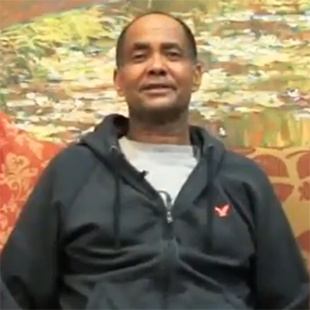
Mr Hailu Kassa : CABG Surgery
Mr Hailu Kassa
Mr Hailu Kassa : CABG Surgery

Mr. Hailu Kassa underwent Coronary Artery Bypass Surgery in Vejthani Hospital, Thailand under the supervision of Dr. Piya, Cardio-Thoracic Surgeon

Rod Schaubroeck
Rod Schaubroeck
Rod Schaubroeck : Double Valve Replacement

Patient Testimonial: Rod Schaubroeck from United States (U.S.A) underwent heart valve replacement at Fortis Hospital, India

Frequently Asked Questions

The cost of a Dual Chamber Pacemaker in Turkey may vary depending on the type and brand of pacemaker, the patient's underlying heart condition, preoperative diagnostic tests, hospital charges, electrophysiologist or cardiologist fees, anaesthesia, length of hospital stay, and postoperative follow-up care. The overall cost may include cardiac investigations, pacemaker device costs, implantation procedure, medications, monitoring, and follow-up programming.MediGence can help international patients explore suitable cardiac centres and obtain an estimated treatment plan based on the patient's cardiac condition and clinical requirements.

The best hospitals in Turkey for Dual Chamber Pacemaker implantation are those with experienced cardiac electrophysiologists, interventional cardiologists, cardiac surgeons, specialised cardiac catheterisation laboratories, advanced cardiac imaging, and comprehensive cardiac rhythm management programmes. Patients should consider hospitals with dedicated electrophysiology units, modern pacemaker programming facilities, specialised cardiac intensive care, and long-term device follow-up services.

Patients should choose a cardiac electrophysiologist or cardiologist experienced in pacemaker implantation and cardiac rhythm management. Important factors include the physician's experience with dual chamber pacemaker implantation, treatment of complex conduction disorders, management of device-related complications, and long-term pacemaker follow-up.The treating specialist should assess the patient's heart rhythm, ECG findings, Holter monitoring results, echocardiography, symptoms, underlying cardiac disease, and overall health before recommending pacemaker implantation.

Dual Chamber Pacemaker implantation has an overall procedural success rate of approximately 95%, depending on the patient's underlying heart rhythm disorder, cardiac anatomy, associated medical conditions, and overall health. Outcomes are generally excellent when the procedure is performed by experienced cardiac electrophysiologists in specialised cardiac centres.

Hospitals in Turkey may use electrocardiography (ECG), Holter monitoring, event recorders, electrophysiology studies, transthoracic echocardiography, fluoroscopic guidance, three-dimensional cardiac mapping when required, remote pacemaker monitoring, and advanced device programming systems.Dual Chamber Pacemaker implantation involves placing one pacing lead in the right atrium and another in the right ventricle to coordinate electrical activity between the upper and lower chambers of the heart. The device helps restore a normal heart rhythm in patients with selected conduction disorders and symptomatic bradycardia.

Possible risks and complications may include:
  • Bleeding or bruising at the implantation site
  • Infection of the pacemaker pocket or leads
  • Lead displacement or malfunction
  • Pneumothorax (collapsed lung)
  • Blood vessel injury
  • Cardiac perforation
  • Abnormal heart rhythms
  • Pocket haematoma
  • Device malfunction or battery-related issues
  • Blood clots
  • Allergic reaction to medications or contrast agents
  • Rare need for lead revision or replacement
  • The treating cardiac team will explain the potential risks based on the patient's medical condition and overall health.

    Patients should share all relevant medical records with the treating cardiac team before travelling. These may include ECG reports, Holter monitoring results, echocardiography reports, electrophysiology study findings, blood test results, previous cardiac procedure records, current medications, and allergy history.Patients should also discuss medication adjustments, expected hospital stay, recovery timeline, pacemaker follow-up schedule, and travel precautions before making travel arrangements.

    Yes. International patients can arrange an online consultation with a cardiac electrophysiologist or cardiologist before travelling to Turkey. The specialist may review the patient's symptoms, ECG findings, rhythm monitoring reports, echocardiography, previous cardiac history, and overall clinical condition to determine whether Dual Chamber Pacemaker implantation is appropriate.MediGence can help coordinate online consultations and facilitate the secure sharing of relevant medical records with suitable specialists.

    International patients should carry a valid passport and relevant medical documents, including:
  • ECG reports
  • Holter monitoring or event recorder reports
  • Electrophysiology study reports, if available
  • Echocardiography reports
  • Previous cardiology consultation records
  • Recent blood test results
  • Current prescriptions and medication details
  • Allergy and complete medical history
  • Previous cardiac surgery or intervention records, if applicable
  • The required stay in Turkey depends on the patient's overall health, complexity of the implantation, and postoperative recovery. Most patients are discharged within one or two days after pacemaker implantation if recovery is uncomplicated.International patients may need to remain in Turkey for several additional days to undergo wound assessment, pacemaker programming, device function testing, and follow-up evaluation before travelling home.

    Recovery after Dual Chamber Pacemaker implantation is generally rapid. Most patients resume light daily activities within a few days while avoiding strenuous upper arm movements on the implantation side for several weeks to allow proper lead stabilisation.Regular follow-up visits are required for pacemaker interrogation, device programming, battery assessment, heart rhythm monitoring, and long-term cardiac care. Remote monitoring may also be available in selected centres.

    If complications occur, patients should contact the treating cardiac team or seek immediate medical attention. Urgent evaluation may be required for fever, increasing pain or swelling at the implantation site, redness or discharge from the wound, chest pain, shortness of breath, dizziness, fainting, persistent palpitations, or symptoms suggesting pacemaker malfunction.Patients should receive detailed discharge instructions, wound care guidance, activity restrictions, emergency contact information, and a structured cardiology follow-up plan before returning home.

    International patients can submit their medical records and cardiac reports through the MediGence website. Following an initial review, the MediGence care team can help patients explore suitable cardiac hospitals and experienced electrophysiologists, coordinate consultations, and support treatment planning and medical travel arrangements.The final treatment recommendation is made by the treating cardiac team after a comprehensive clinical evaluation.

    International patients may choose Turkey for access to experienced cardiac electrophysiologists, advanced electrophysiology laboratories, modern pacemaker technologies, specialised cardiac care units, and comprehensive long-term device management services.The destination should be evaluated based on physician expertise, hospital accreditation, patient safety standards, availability of advanced cardiac rhythm management technology, and experience in pacemaker implantation.

    Treatment options depend on the patient's heart rhythm disorder, symptoms, cardiac function, and overall clinical condition. Options may include:
  • Medical management of rhythm disorders
  • Temporary cardiac pacing, when clinically indicated
  • Dual Chamber Pacemaker implantation
  • Single Chamber Pacemaker implantation
  • Leadless pacemaker implantation, in selected patients
  • Cardiac Resynchronisation Therapy (CRT), when indicated
  • Implantable Cardioverter Defibrillator (ICD), for selected patients
  • Long-term pacemaker follow-up and remote device monitoring
  • The treating cardiac team will recommend the most appropriate treatment plan after reviewing the patient's heart rhythm disorder and overall health.

    International patients may choose Turkey for access to experienced electrophysiologists, advanced pacemaker implantation technology, specialised cardiac rhythm management programmes, modern electrophysiology laboratories, and comprehensive postoperative device follow-up services.MediGence can assist patients with hospital and specialist selection, medical record coordination, consultation scheduling, treatment planning, and travel-related support. The final destination should be selected according to the patient's cardiac condition, clinical requirements, treatment goals, and the hospital's expertise in Dual Chamber Pacemaker implantation.

    Not Sure About Your Treatment Plan? Get a Free Second Opinion

    Have your reports reviewed by independent oncology experts to help you make a confident treatment decision, all online within 48 hours.

    Upload Your Reports
    Free second opinion on your CAR-T plan