Your Notifications
All done, no notifications

Blalock–Thomas–Taussig shunt (BT Shunt) Cost in India

USD 2000 - USD 25000

Affordable World-class Treatment - Accredited Hospitals - Free Treatment Plan in 24 Hrs

5
Days in Hospital
2-4 hrs
Procedure Time
90 - 95%
Success Rate
uploads/procedure/images/1772168368_8321b50ca7764e10d33c.png
JCI/ISO 100,000+ Patients 24X7 Coordinator Visa & Travel handled
Your all-in-one medical travel platform for treatment, recovery & care.

Get Your Personalised Treatment Plan in Just 24 Hours.

Share your details to receive a personalised treatment plan, estimated costs, hospital recommendations, and expert guidance, “completely free.”

Required | alphabets and spaces
Required | A valid, working email address
Required | A valid contact
Connect with an Expert

Your information is protected with HIPAA-compliant security standards. We only share your details with hospitals after your consent.

Estimated Treatment Cost
USD 2000 - USD 25000
All-inclusive • Hospital + Medications + Recovery Assistance + Dedicated Care Coordinator

International Quality. Affordable Care.

How Much Does a BT Shunt Cost in India?

The cost of Blalock-Taussig (BT) shunt surgery in India typically ranges between USD 3,000 - USD 6,500.

The total cost depends on the child's heart condition, the complexity of the procedure, the hospital's facilities, the paediatric cardiac surgeon's expertise, and the duration of hospital and ICU stay.

Additional expenses such as diagnostic tests, medications, and follow-up care may also affect the overall treatment cost.

Factors Affecting the Cost of BT Shunt in India

  • Type of Procedure: The modified BT shunt (using a synthetic graft) is the standard technique and may influence the overall cost.
  • Hospital & Location: Hospitals with specialised paediatric cardiac units and advanced ICU facilities may charge higher fees.
  • Surgeon's Expertise: Experienced paediatric cardiac surgeons may have higher professional charges.
  • Pre- and Post-operative Care: Diagnostic tests, ICU stay, medications, cardiac monitoring, and follow-up visits contribute to the total cost.
  • Child's Medical Condition: Complex congenital heart defects or associated medical conditions may require additional care, increasing treatment costs.

What's included in your Blalock–Thomas–Taussig shunt (BT Shunt) quote?

Comprehensive tests and imaging
Echocardiography, ECG, Chest X-ray, Cardiac CT/MRI (if required), cardiac catheterisation (if indicated), routine blood tests
Pediatric cardiac specialist team
Pre-operative evaluation, surgical planning, post-operative cardiac care
Hospital stay + ICU as needed
ICU monitoring, ventilatory support (if required), pain management, cardiac monitoring
Country stay monitoring
Echocardiography, oxygen saturation monitoring, medication review, growth and cardiac function assessment
Visa & medical-visa invite letter
Airport pickup & transfers

Cost of Blalock–Thomas–Taussig shunt (BT Shunt) in Major Cities of India

CityCost (USD)
Bangalore $3,000 – $6,500 Explore More
Chennai $3,000 – $6,500 Explore More
Delhi $3,000 – $6,500 Explore More
Faridabad $3,000 – $6,500 Explore More
Ghaziabad $3,000 – $6,500 Explore More
Gurgaon $3,000 – $6,500 Explore More
Hyderabad $3,000 – $6,500 Explore More
Kochi $3,000 – $6,500 Explore More
Kolkata $3,000 – $6,500 Explore More
Mohali $2,700 – $5,850 Explore More
Mumbai $3,000 – $6,500 Explore More
Noida $3,000 – $6,500 Explore More
Pune $2,700 – $5,850 Explore More

Blalock Thomas Taussig Shunt Bt Shunt - India Vs the World

$3k - $6k
$12k - $25k
$12k - $25k
$14k - $26k
$18k - $30k
$18k - $35k
$18k - $32k
$20k - $38k
Dr. Vihan Gautam
Author

BPT, MS in Healthcare Mgmt

4 Years of Experience

Dr. Vihan Gautam is a distinguished Rehabilitation Specialist and Healthcare Management Professional, holding a Bachelor of Physiotherapy (BPT) from Rajiv Gandhi University of Health Sciences and a Master of Science in Healthcare Management (MSc) from the prestigious University of London, United Kingdom. With specialized clinical experience and his advanced medical knowledge in neuro-rehabilitation, musculoskeletal disorders, and evidence-based physiotherapy practices, enables him to develop patient-centered rehabilitation protocols and AI-driven care models that deliver measurable functional recovery outcomes. His diverse contributions across international rehabilitation programs, multidisciplinary care, and AI-driven healthcare initiatives uniquely position him as an emerging leader in neuro-rehabilitative care globally.
View More
Dr. Naresh Kumar Goyal
Reviewer

Cardiologist

21 Years of Experience

Last Reviewed - June 2026

Dr. Naresh Kumar Goyal is highly trained as a cardiologist with exposure in virtually all aspects of cardiology. He qualified with an MD in internal medicine in 1999 from SMS Medical College, Jaipur, and served in the Cardiology Department as an honorary resident. From this stage, he also started with training in the temporary pacing of the pacemaker as well as interventional services.
View More

Need Help Choosing the Right Treatment? Talk to a Medical Advisor

Our dedicated Medical Patient Advisors are here to answer your questions, help you compare treatment options, estimate costs, and guide you through every step of your healthcare journey.

15 min
Average response time

Serving Patients Worldwide in Multiple Languages.

The Blalock\u2013Thomas\u2013Taussig (BT) shunt is performed to improve blood flow to the lungs in babies and children with cyanotic congenital heart defects. It increases blood oxygen levels and serves as a temporary, life-saving measure until definitive corrective heart surgery can be performed.

Medical evaluation is required if a child shows signs of bluish skin or lips (cyanosis), breathing difficulty, poor feeding, delayed growth, or has a diagnosed congenital heart defect requiring palliative surgery.

Preparation includes echocardiography, blood tests, imaging studies, and stabilisation of oxygen levels. Parents are counselled, and the child is admitted to a specialised pediatric cardiac unit before surgery.

Under general anaesthesia, a small synthetic graft is placed between a systemic artery and the pulmonary artery to create an alternate pathway for blood to reach the lungs, improving oxygenation.

BT shunt surgery typically takes 2 to 4 hours, depending on the child\u2019s condition and the complexity of the heart defect.

  • Shunt blockage
  • Bleeding
  • Infection
  • Abnormal blood flow to the lungs
  • Heart rhythm issues

The BT shunt improves oxygenation, reduces cyanosis, supports growth and development, and stabilises the child until definitive cardiac surgery is feasible.

Most children spend a few days in the ICU, followed by ward care. Recovery involves oxygen support, medications, and regular follow-up to monitor shunt function.

BT shunt surgery has shown high short-term success in improving oxygenation and survival in children with complex congenital heart disease. It serves as a bridge to definitive treatment, with outcomes influenced by timing, underlying condition, and overall health.

90-95%

Successful smile transformation with enhanced aesthetics, function, and long-term oral health

5-10 days

Typical hospital stay

4-8 weeks

Typical recovery with regular pediatric cardiology follow-up
Explore Hospitals ( 24 )

Faridabad, India

425+ Beds · 275+ Procedures
NABL NABH
Starting
USD 2000

Mumbai, India

350+ Beds · 66+ Procedures
AACI

Kochi, India

350+ Beds · 273+ Procedures
NABH ISO
Starting
USD 4500

Delhi, India

380+ Beds · 312+ Procedures
NABH
Starting
USD 3000

Chennai, India

450+ Beds · 227+ Procedures
NABH NABL
Starting
USD 2500

Pune, India

600+ Beds · 225+ Procedures
NABH NABL

Hyderabad, India

404+ Beds · 233+ Procedures
NABH NABL
Starting
USD 15000

Bangalore, India

5.0 - 1 review · 500+ Beds · 231+ Procedures
JCI NABH NABL
Starting
USD 2500

Chennai, India

400+ Beds · 215+ Procedures
NABH NABL JCI
Starting
USD 12000

Kolkata, India

400+ Beds · 158+ Procedures
NABH NABL
Starting
USD 15000

Get Your Blalock–Thomas–Taussig shunt (BT Shunt)
Plan in 24 hrs.

Our experienced Medical Patient Advisors have supported 100,000+ patients across 120+ countries with personalised treatment plans, hospital recommendations, cost estimates, and travel assistance, all free.

HIPAA-Compliant Data SecurityShared Only with Your Consent

Free Consultation No Obligation Personalized Treatment Plan Response Within 24 Hours

Required | alphabets and spaces
Required | A valid, working email address
Required | A valid contact

Your medical info is kept HIPAA-style confidential. We never share with hospitals without your consent.

Process Involved for Blalock–Thomas–Taussig shunt (BT Shunt) in India

  • Diagnosis and stabilisation
  • Pre-operative assessment
  • BT shunt implantation
  • Post-operative ICU care
  • Follow-up and planning of definitive surgery
  • Tetralogy of Fallot
  • Pulmonary atresia
  • Tricuspid atresia
  • Single ventricle defects
  • Classical BT Shunt
  • Modified BT Shunt (most commonly performed)
  • Infants and children with cyanotic congenital heart defects and reduced pulmonary blood flow, especially those not immediately suitable for corrective surgery, are eligible for BT shunt surgery.
  • Synthetic vascular grafts
  • Cardiac catheterization
  • Echocardiography
  • Oxygen therapy and medication management
  • Improves oxygen levels
  • Reduces cyanosis
  • Enhances growth and development
  • Stabilises the child until definitive repair
  • Improved blood oxygenation, better feeding and activity levels, and overall clinical stabilisation in preparation for future corrective heart surgery.
  • Fill out the inquiry form: Fill out the form to provide us with the relevant information about your condition.
  • Consult with Our Healthcare Expert: One of our qualified specialists will contact you for a consultation
  • Receive a Detailed Treatment Plan: After examining your situation, we will provide you with a detailed treatment plan that includes expert views and cost breakdowns for various choices.
  • Choose your preferred option: Choose the treatment option that suits you the best.
Jenny Wilson
Your Dedicated Medical Patient Advisor
Treatment planning • Hospital coordination • Multilingual support • Response within 15 minutes.
Our Services to Better your Experience

Opinion & Option

We submit the most accurate opinion and options from one or more countries for your review

Consult Privately

Consult with a certified specialist privately on our telemedicine platform even before you decide to travel

Logistics

We handle flights, visas, transfers, and accommodation—so you can focus on your health.

Recovery

Our In-house rehabilitation service packages to better your recovery and treatment outcome

Patient Stories

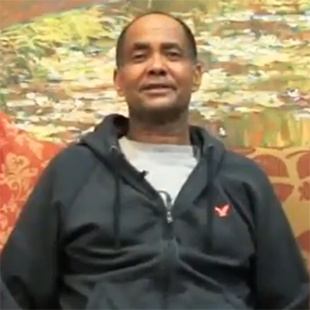
Mr Hailu Kassa : CABG Surgery
Mr Hailu Kassa
Mr Hailu Kassa : CABG Surgery

Mr. Hailu Kassa underwent Coronary Artery Bypass Surgery in Vejthani Hospital, Thailand under the supervision of Dr. Piya, Cardio-Thoracic Surgeon

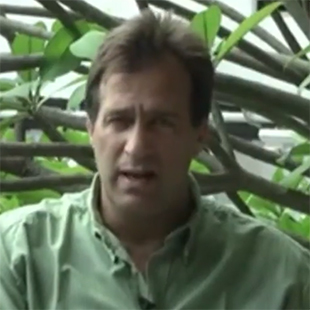
Rod Schaubroeck
Rod Schaubroeck
Rod Schaubroeck : Double Valve Replacement

Patient Testimonial: Rod Schaubroeck from United States (U.S.A) underwent heart valve replacement at Fortis Hospital, India

Frequently Asked Questions

The cost of a Blalock-Thomas-Taussig (BT) shunt in India is USD 3000 - 6500 varies depending on the child’s heart condition, type of congenital heart defect, surgical complexity, hospital, surgeon’s expertise, intensive care requirements, and length of hospital stay. The overall cost may also include diagnostic tests, anaesthesia, surgery, ICU care, medications, and follow-up consultations. International patients should obtain an individualised treatment estimate after medical record review.

Some of the best hospitals in India for Blalock–Thomas–Taussig shunt (BT Shunt) include:
  • Asian Institute of Medical Sciences
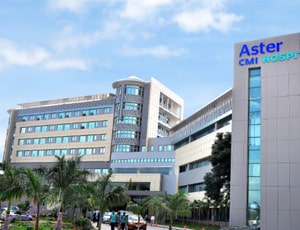
  • Aster CMI Hospital
  • Aster Medcity
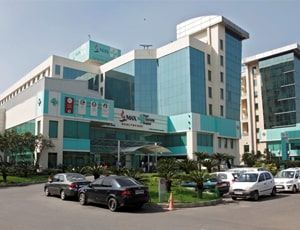
  • BLK-Max Super Speciality Hospital
  • Bai Jerbai Wadia Hospital for Children
  • Choose a paediatric cardiothoracic surgeon with substantial experience in congenital heart surgery and BT shunt procedures. Consider the surgeon’s qualifications, experience with complex congenital heart defects, hospital affiliation, surgical outcomes, availability of paediatric cardiac ICU facilities, and multidisciplinary support. Reviewing the child’s medical records through an online consultation can also help determine whether the surgeon is appropriate.

    The success of a BT shunt, such as , depends on the child’s age, weight, underlying congenital heart defect, pulmonary artery anatomy, overall health, and surgical complexity. Experienced paediatric cardiac centres generally achieve good outcomes, but success rates vary between patient groups and institutions. The treating cardiac team can provide a more meaningful prognosis after reviewing the child's medical history and investigations.

    A BT shunt is primarily used to increase blood flow to the lungs in children with certain cyanotic congenital heart defects where pulmonary blood flow is inadequate. It is often used as part of staged treatment rather than as a definitive cure for the underlying heart defect.

    Usually, no. A BT shunt is commonly a palliative or temporary procedure that helps maintain adequate pulmonary blood flow until the child can undergo another planned cardiac procedure or definitive repair, depending on the underlying heart condition.

    The functional duration varies according to the child's growth, shunt size, underlying heart anatomy, and clinical course. As the child grows, the shunt may no longer provide sufficient

    A sudden or worsening drop in oxygen saturation, increased breathing difficulty, bluish discolouration, unusual sleepiness, poor feeding, or significant irritability may indicate inadequate pulmonary blood flow and require immediate medical assessment. A suspected shunt blockage is an emergency.

    Yes. Regular paediatric cardiology follow-up is essential after a BT shunt. Follow-up may include oxygen saturation monitoring, clinical examination, echocardiography, medication review, and assessment of pulmonary artery growth and the next stage of treatment.

    Treatment may involve a modified BT shunt, in which a synthetic graft is placed between a systemic artery and the pulmonary artery to improve pulmonary blood flow. Advanced paediatric cardiac imaging, echocardiography, cardiac CT or MRI, intraoperative monitoring, cardiopulmonary bypass when required, and specialised paediatric cardiac ICU care may be used. In selected cases, catheter-based interventions may complement surgical treatment.

    Potential complications include shunt blockage or thrombosis, excessive pulmonary blood flow, inadequate blood flow, bleeding, infection, arrhythmias, low oxygen levels, stroke, and complications related to anaesthesia or surgery. Very young or critically ill infants may have higher risks. Close monitoring in a specialised paediatric cardiac ICU is important after surgery.

    Before travelling, obtain a detailed medical evaluation and share the child's echocardiography reports, cardiac catheterisation results, CT/MRI scans, blood tests, previous surgical records, medication list, and discharge summaries with the treating centre. Confirm the treatment plan, estimated costs, hospital stay, visa requirements, accommodation, and arrangements for post-operative care before travelling.

    Yes. International patients can often arrange an online consultation with a paediatric cardiologist or congenital heart surgeon before travelling to India. The specialist can review existing investigations, discuss the diagnosis and possible surgical approach, assess whether a BT shunt is appropriate, and provide preliminary guidance regarding treatment and travel planning.

    International patients should generally carry:
  • Passport and relevant travel documents
  • Medical history and previous discharge summaries
  • Echocardiography and cardiac imaging reports
  • Cardiac catheterisation reports, if available
  • Blood and other laboratory test results
  • Current medication list
  • Previous surgical or intervention records
  • Doctor referral or treatment recommendation
  • The duration varies according to the child's condition and recovery. Hospitalisation may involve several days to a few weeks, particularly when intensive care is required. International families are generally advised to remain in India beyond discharge for the initial follow-up assessment. The treating team should confirm the expected stay based on the child's clinical condition.

    Recovery varies depending on the underlying heart defect and the child's overall health. The immediate recovery period usually takes place in the paediatric cardiac ICU, followed by monitoring on a cardiac ward. After discharge, the child requires regular cardiology follow-up, oxygen-level monitoring when advised, medication management, and surveillance of shunt function.

    If complications occur, the child should receive urgent assessment by the paediatric cardiac team. Management depends on the problem and may include medication, imaging, catheter-based intervention, or additional surgery. International patients should have a clear emergency contact and follow-up plan before leaving the hospital and should seek immediate medical attention if concerning symptoms develop.

    International patients can begin by sharing the child's medical records and diagnostic reports for review by a specialised paediatric cardiac team through the MediGence platform. Once the treatment plan is established, the hospital can provide information about the procedure, estimated costs, admission requirements, and expected stay. Travel, accommodation, visa assistance, and appointment coordination can then be arranged before arrival.

    India may be considered by international families seeking specialised congenital heart care, experienced paediatric cardiac surgeons, advanced diagnostic facilities, dedicated paediatric cardiac ICUs, and multidisciplinary treatment teams. The suitability of a particular hospital should be assessed based on its experience with the child's specific congenital heart defect, surgical complexity, and long-term follow-up capabilities.

    Treatment depends on the underlying congenital heart defect and the child's pulmonary blood flow. Options may include a modified BT shunt, other forms of systemic-to-pulmonary artery shunting, catheter-based procedures, or definitive corrective/palliative cardiac surgery in India. The treatment plan is individualised based on anatomy, oxygen saturation, age, weight, and the overall staged management strategy.

    Not Sure About Your Treatment Plan? Get a Free Second Opinion

    Have your reports reviewed by independent oncology experts to help you make a confident treatment decision, all online within 48 hours.

    Upload Your Reports
    Free second opinion on your CAR-T plan